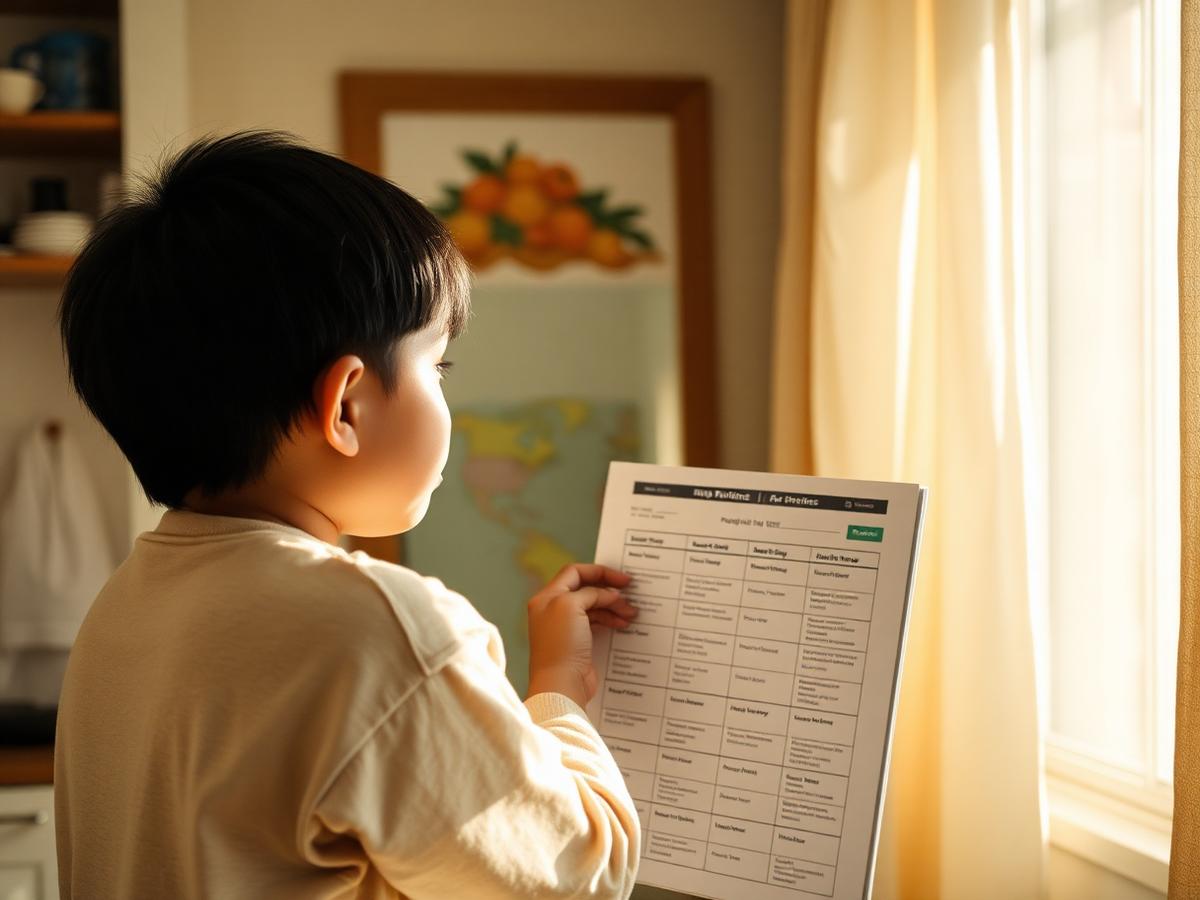
Pacing the Day for ADHD Brains
ADHD brains do not run out of willpower. They run out of dopamine, executive fuel, and novelty. The right pacing protects the brain from collapse and the family from chaos.
Written by Sian Trombley · BEd, MACP, CCC
Most days with ADHD feel like pushing a boulder uphill. The morning starts strong, then unravels by homework. The child who could hyper-focus on Lego cannot start five math problems. The parent who set a clear routine ends up shouting anyway. The missing piece is almost always pacing.
ADHD is not a deficit of effort. It is a difference in how the brain manages energy, interest, reward, and transition. When a day is paced in ways that match that brain, the child is not lazy or defiant. They are simply able to function. Pacing is the invisible architecture behind every successful ADHD family.
The ADHD brain's energy economy
Every brain has a limited budget of executive function and motivation for the day. The ADHD brain spends that budget differently. Boring tasks cost more. Transitions cost more. Sustained attention costs more. And novelty, movement, and interest act as deposits that keep the account from going empty.
Why transitions are so expensive
Transitions require a burst of executive function: stopping one activity, shifting attention, planning the next step, and starting. Each of these steps is harder for an ADHD brain. A typical school day can contain twenty or thirty transitions. By the end, the brain is depleted. So is the child.
- 01Name the transition before it arrives
'In ten minutes we will move from this to homework.' Predictability reduces the executive load of switching.
- 02Offer a bridge activity
A five-minute physical movement, a snack, or a preferred task between demands helps the brain reset.
- 03Make the next task visible
Show, don't just say. A written list, a picture schedule, or a prepared workspace reduces the start-up cost.
- 04Start with one small step
'Get out your pencil' is easier to start than 'do your homework.' Momentum builds from the first micro-action.
Designing the day around the curve
Every ADHD child has an energy curve. Some are sharpest in the morning. Others need two hours to boot up. Some crash after school. Others get a second wind. The goal is not to copy someone else's schedule. It is to observe your child's curve and place demands where the brain can meet them.
- 01Place the hardest cognitive work in the highest-energy window.
- 02Keep low-energy windows low-demand and connection-rich.
- 03Add movement before tasks that require sitting still.
- 04Protect downtime after school as recovery, not laziness.
- 05End the day with calming predictability, not one more push.
Rest is not a reward
Many ADHD children are told they can rest after they finish their work. But a depleted brain cannot finish its work. Rest is part of the work. A brain that has been allowed to recover can return with more capacity than one that has been pushed through exhaustion.
“We do not expect a phone to run on zero battery. Yet we often ask ADHD children to keep going after their executive battery has already died.”
Sian Trombley
What to do when the day collapses
No pacing plan prevents every hard day. When collapse happens, the goal is not to force productivity. It is to restore the brain so tomorrow can be better. This means food, movement, connection, and lowering the bar temporarily. Recovery is not giving up. It is strategic repair.
Children do not need a perfect parent. They need a predictable one who returns after hard moments.
Sian Trombley, Canadian Certified Counsellor
What you can try this week
Map the day's energy curve
Notice when your child is sharpest and when they collapse. Protect the hardest tasks for the high-energy window and keep the low-energy window low-demand.
Add a transition ritual
Use a two-minute warning, a sensory break, or a movement cue between activities. Transitions need a bridge, not just an announcement.
Insert 'micro-dopamine' every forty-five minutes
A quick game, a joke, a stretch, or a preferred task. These small bursts protect the brain from the boredom crash.
- ADHD brains burn executive fuel faster than neurotypical brains.
- Pacing the day is a neurological intervention, not a convenience.
- Transitions are the most expensive part of the day for ADHD brains.
- Novelty and movement are legitimate fuel sources.
- Rest is not a reward; it is a requirement for better functioning.
When does my child have the most mental energy during the day?
Which transitions consistently create the most conflict?
How might I be asking for sustained effort beyond what is reasonable for this brain?
Printable resources
Recommended Thrive courses

Share this article
This article is educational and is not a substitute for individual clinical advice. Comments are closed so the Journal stays a calm place to read.