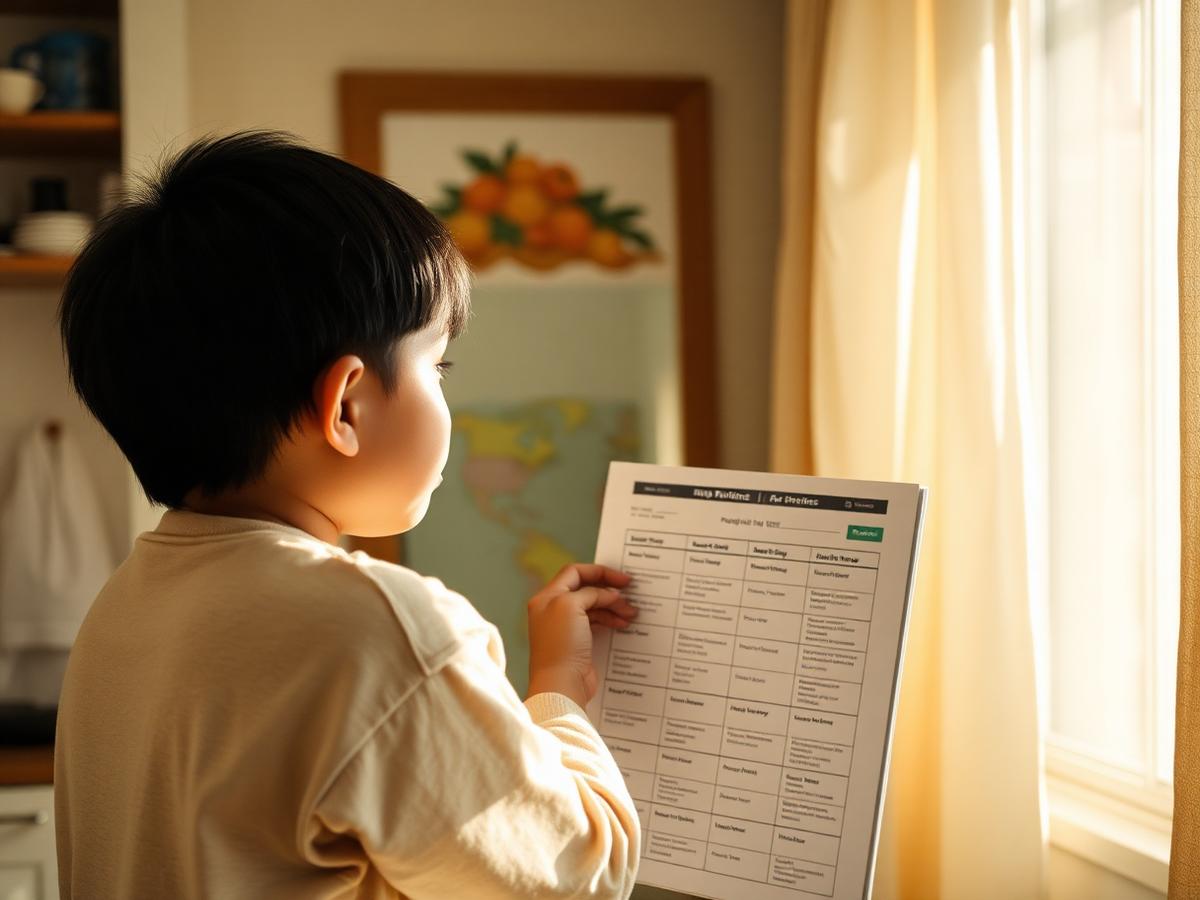
The Homework Hour: Ending the Nightly Standoff
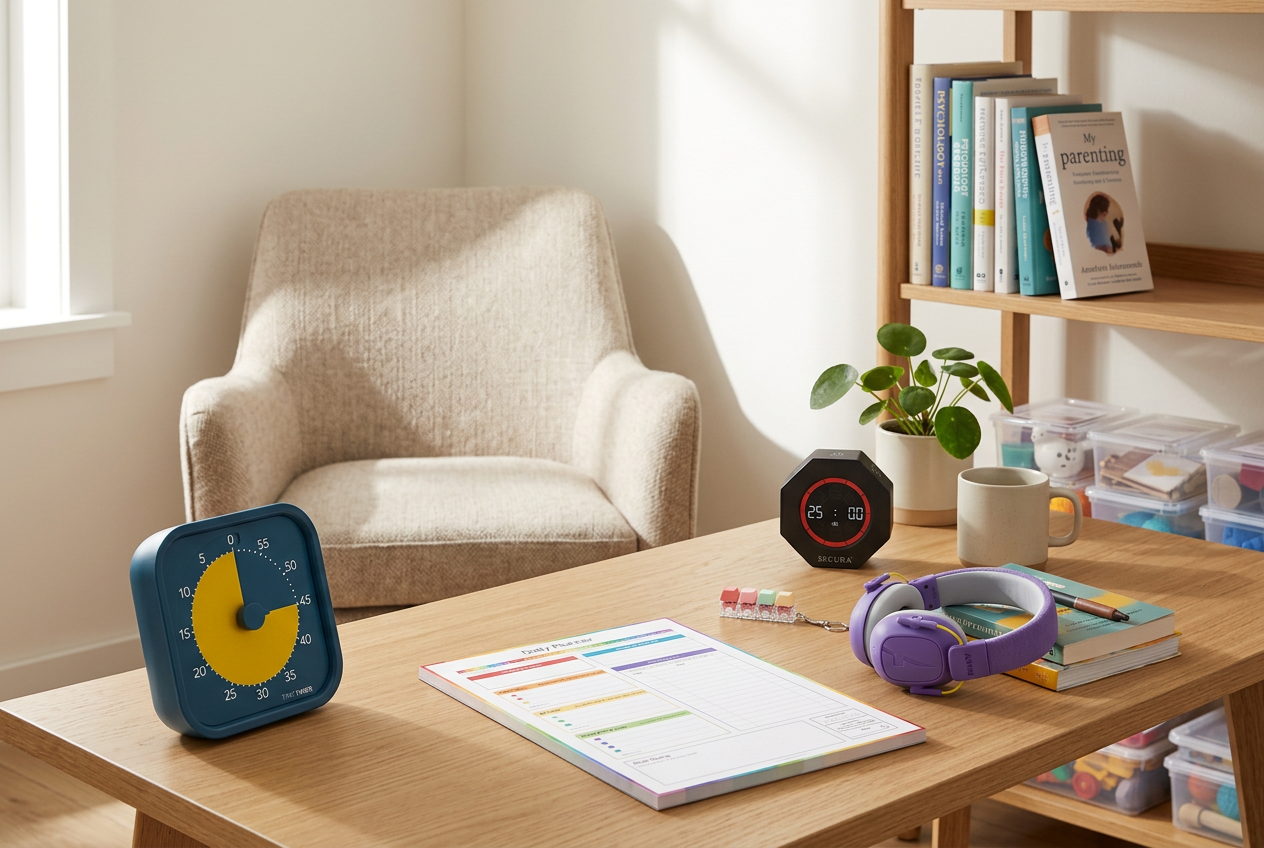
By four o'clock a child has already spent six hours regulating themselves in a demanding environment. The worksheet is not the problem — the timing, the tank and the referee's role are.

Separation, refusal, learning differences and the long tired afternoons that follow a full school day.

By four o'clock a child has already spent six hours regulating themselves in a demanding environment. The worksheet is not the problem — the timing, the tank and the referee's role are.

The child who rips up the page, refuses to start, or cries over a single mark is not being dramatic. They are managing a belief that their worth is recalculated with every attempt.


Read
Children do not grieve in a straight line, and they rarely grieve when we are ready. What they need is not the perfect explanation, but somewhere reliable to bring it.
Read
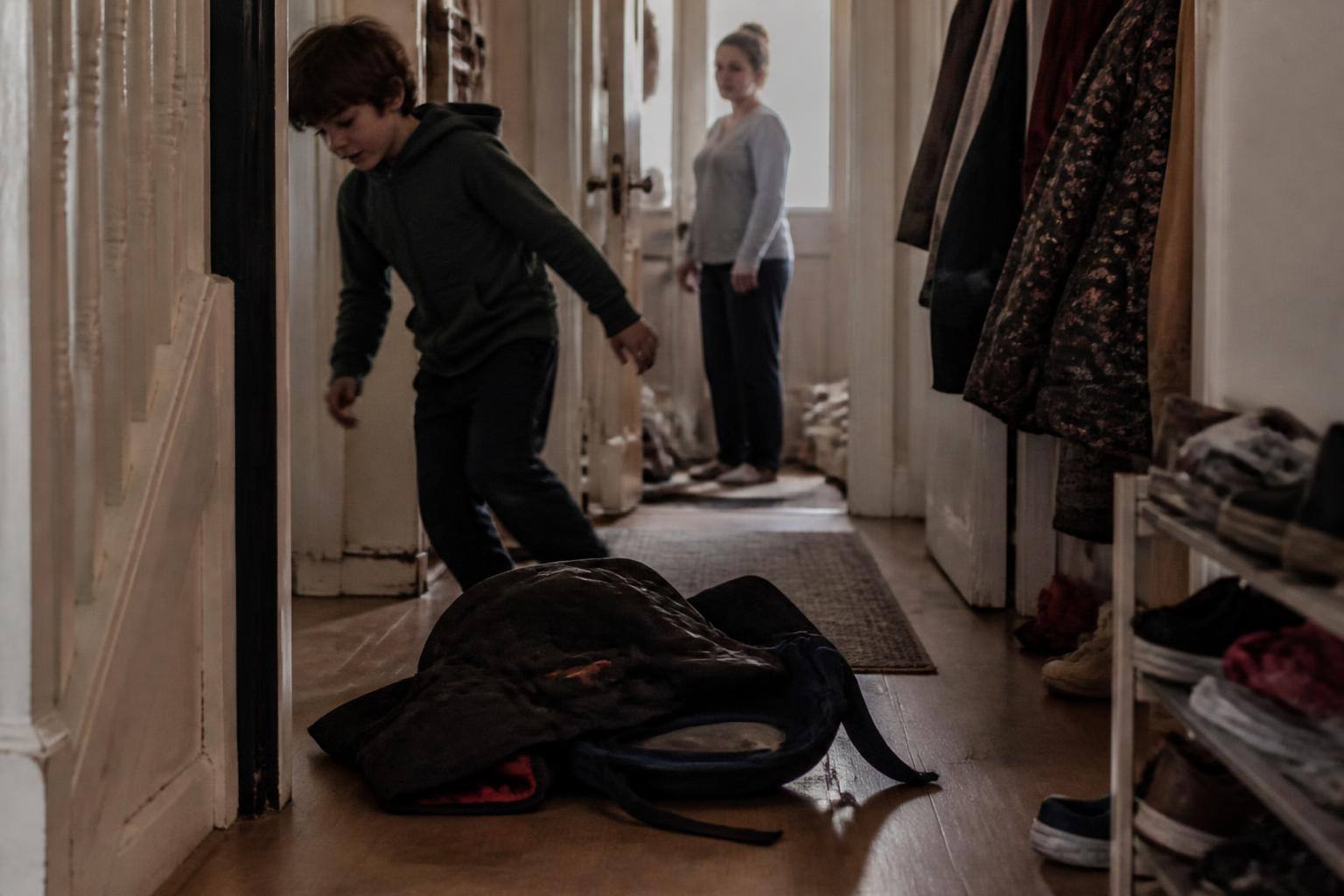
Nobody is difficult in the morning. Everyone is under-resourced at the same time, in a house designed by no one, against a clock that does not negotiate.
Read
A child who lies is almost never a child with a character problem. They are a child solving a problem — usually the problem of what happens next.
Read
The child who never causes trouble, always tries hard and cannot bear to get it wrong is not thriving quietly. Perfectionism is anxiety wearing its most convincing disguise.
Read
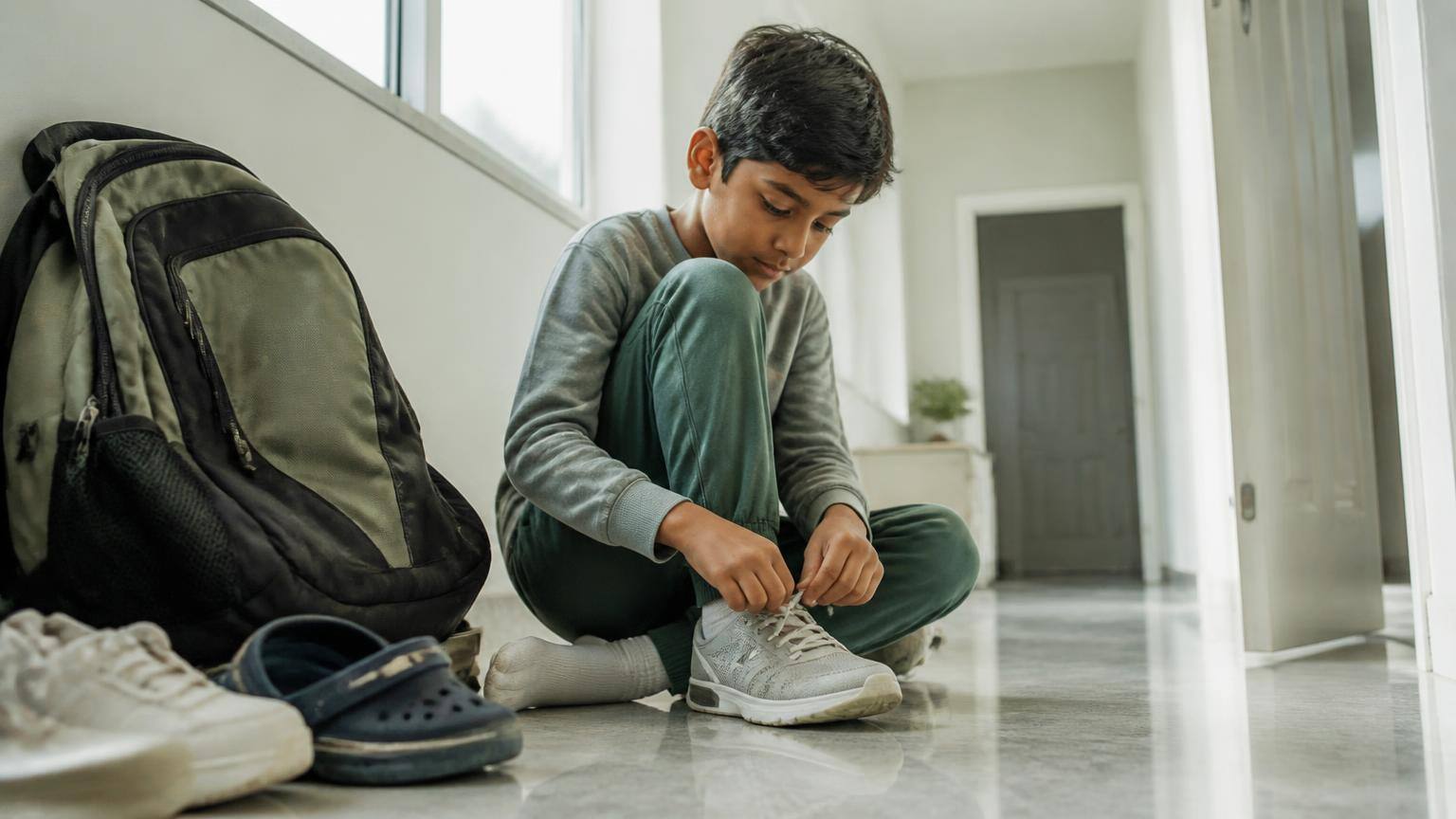
Shoes, coats, teeth, bags. The school run asks a developing brain to sequence more decisions before nine o'clock than most adults make before lunch — and it is almost never about defiance.
Read
Friendship is the most complex social task we ask of children, and we mostly leave them to work it out at speed, in a crowd, without instruction.
Read
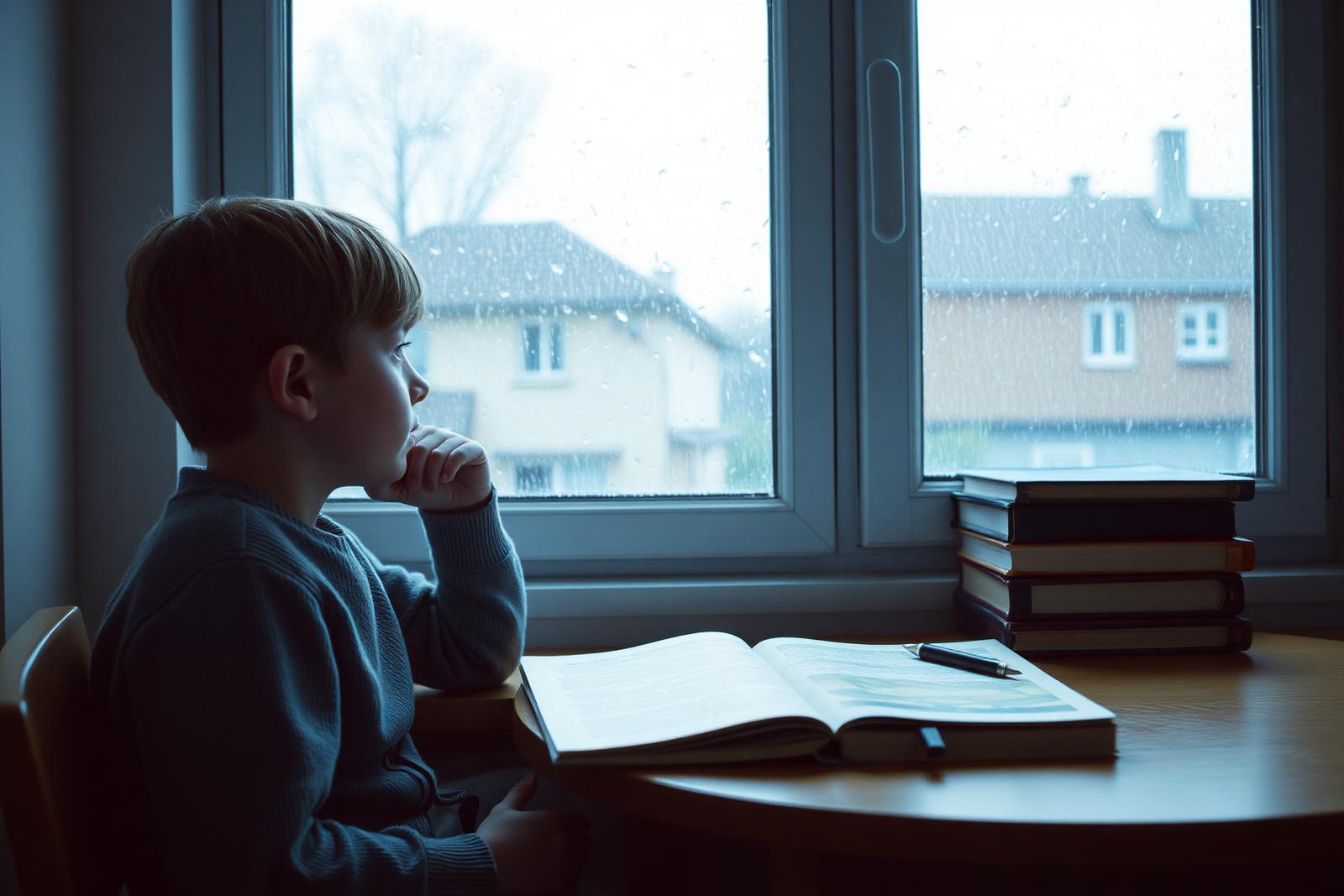
The child who cannot start their homework is not choosing comfort over effort. They are stuck at a step no one has taught them to cross.
Read
School refusal is almost never about school. It is about a nervous system that has learned mornings are dangerous — and it responds to graded practice, not persuasion.
Read
Parents of children with ADHD are told to be more consistent more often than almost anyone. The advice is not wrong so much as aimed at the wrong target — here is what to build instead.
ReadFor parents who want calmer mornings, kinder conversations, and a little more confidence. No promotions, no noise — just insight that fits real life.
Thank you — your first letter arrives on Sunday.