The Homework Hour: Ending the Nightly Standoff
By four o'clock a child has already spent six hours regulating themselves in a demanding environment. The worksheet is not the problem — the timing, the tank and the referee's role are.
Reviewed by Sian Trombley, CCCFounder, Thrive Family Company
8 min read
Best for parents of children who are…
- finding school days hard to get through
- losing track of time, tasks and belongings
- showing behaviour that feels out of character

Share this
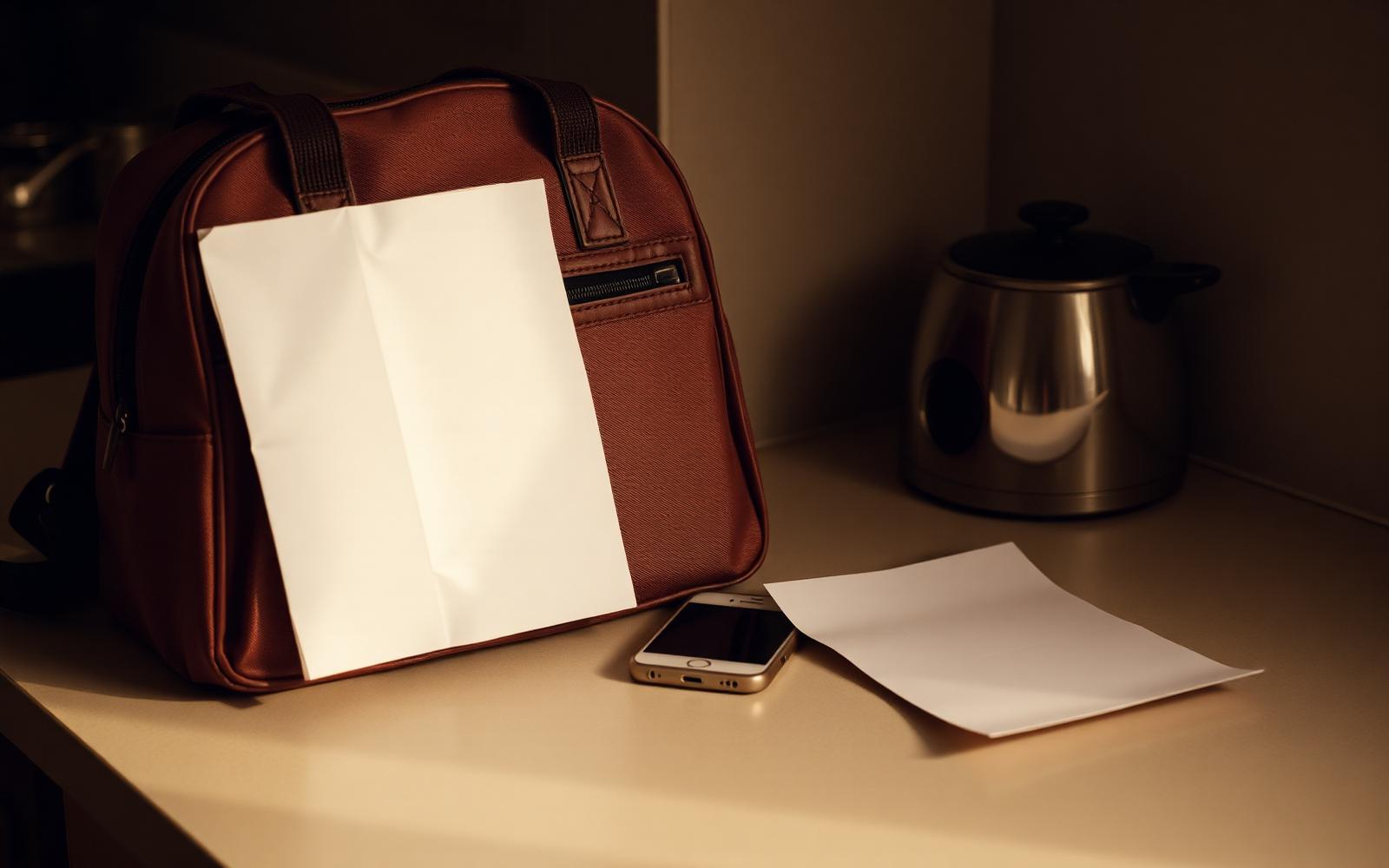
The bag hits the floor at 3:50. By 4:10 there is a worksheet on the table and two people looking at it, and by 4:25 one of them has said something about attitude and the other has said something about hating everything. This will happen again tomorrow, and both of them already know it.
The homework hour is where the day's leftover regulation gets spent. A child has held it together through six hours of noise, instruction and social calculation. What is left in the tank is often nothing at all — and we ask for the cognitively hardest task of the day at exactly that moment.
Fix the conditions before the content
Almost every workable homework routine shares the same four features: food first, a real gap after school, a fixed and visible start time, and a finite end. None of them is about the subject matter, and together they resolve most of what looked like defiance.
Your role, precisely defined
- 01Own the conditions
Time, place, food, quiet, materials on the table. That is the whole of your job description.
- 02Help them start, not finish
Read the first question aloud, write the date, open the book. Initiation is the executive step that stalls; once moving, most children continue.
- 03Start with the easiest thing
Momentum is a real force. Beginning with the hardest task is logical and almost always counterproductive.
- 04Cap the time
Agree an end point in advance and honour it even if the work is unfinished. Unbounded tasks are what make children refuse to begin.
- 05Hand problems back to school
You are not the second teacher. A short factual note about what was possible tonight is legitimate, useful and does not need an apology.
“The relationship outlasts the worksheet by about seventy years. When the two are in conflict, it is not a close decision.”
Sian Trombley
Nobody wins the homework standoff. The only useful question is what gets the pen moving in ten minutes.
Sian Trombley, Canadian Certified Counsellor
What you can try this week
Insert a genuine gap
Snack, movement, forty minutes of nothing before anything academic begins. Regulation first, cognition second — the order is not negotiable.
Work in visible blocks
A timer on the table: fifteen minutes on, five off for younger children, twenty-five and five for teens. Finite is what makes it startable.
Write the note
"We worked for thirty minutes and this is where we got to." A dated, unapologetic note to the teacher ends more homework wars than any strategy at the table.
- Food and a break come before the first question. Always.
- Parents own the conditions; the child owns the work.
- Start with the easiest item — momentum beats logic.
- Cap the time, not the output, and tell the school what happened.
- Nightly tears mean the task is mismatched, and that is information for the teacher.
Whose anxiety is driving this hour?
What happens in the first two minutes after they walk in the door?
If I stopped supervising entirely for a week, what would actually happen?
Printable resources
Recommended Thrive courses
This article is educational and is not a substitute for individual clinical advice. Comments are closed so the Journal stays a calm place to read.
Share this
Keep going
You may also like
Courses, worksheets and pathways from the same part of the library.
- JournalThe Longest Hour: Rescuing the School MorningMost families try to fix mornings with more urgency. Mornings improve when you remove decisions, not when you add pressure.Read
- JournalThe Morning That Unravels: Why Getting Out of the Door Is So HardNobody is being difficult at 7:40am. A brain is being asked to do something it cannot yet do alone.Read
- ResearchThe Research LibraryPeer-reviewed parenting and child mental health research, translated into plain language.Read
- Thrive GuideThrive GuideAsk a question and get warm, evidence-informed guidance drawn from the Thrive library.Read
- Thrive Care PlanThrive Care PlanA short check-in that turns how your week actually went into one focused plan.Read
- Thrive ToolThrive ToolsPremium printable workbooks and therapeutic tool kits.Read