Skip to content
← The Thrive JournalCollection

Behaviour & Positive Parenting

Boundaries held with warmth

Behaviour read as communication, and the calm, consistent responses that change it over time.

The FeatureSchool
An unfinished worksheet, a pencil and a glass of water on a kitchen table

The Homework Hour: Ending the Nightly Standoff

By four o'clock a child has already spent six hours regulating themselves in a demanding environment. The worksheet is not the problem — the timing, the tank and the referee's role are.

Sian TrombleyCanadian Certified Counsellor
Read story
The archive

More in Behaviour & Positive Parenting

Two mugs on a kitchen counter at dusk, one slightly apart from the other
Co-Parenting

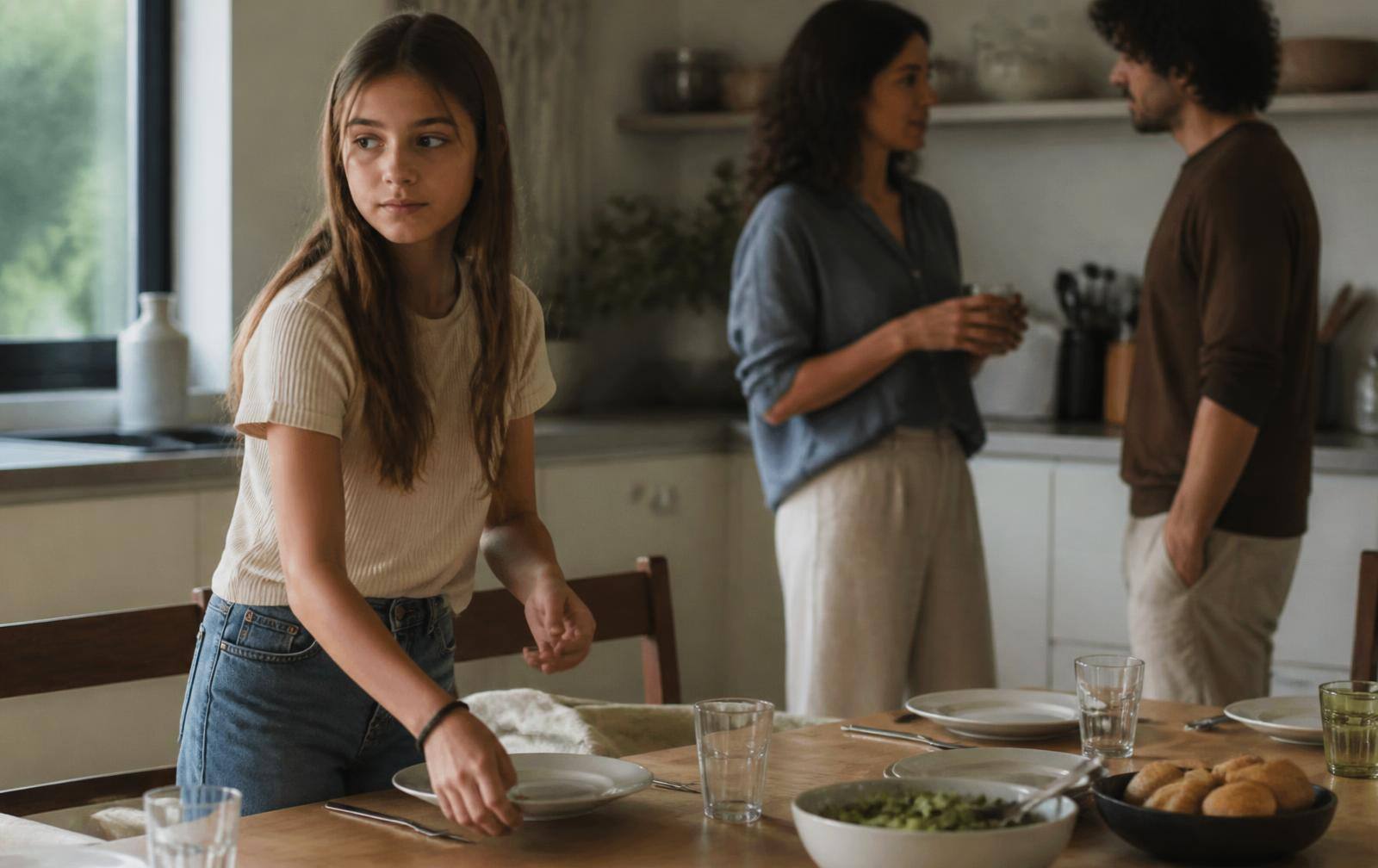
When Parents Disagree: The Argument Children Actually Hear

Two people raised in two different families are now improvising a third one. Children can tolerate a great deal of difference between their parents — what they cannot tolerate is being the ground it is fought over.

Read
A game controller set down on a wooden table beside an empty cup and an open notebook in afternoon light
Digital World

When the Game Ends: Why Screen Transitions Are So Explosive

The fight is almost never about the game. It is about being pulled out of a state that was regulating them, without warning, by the person they trust most.

Read
A pale ceramic plate with a few simple foods barely touched, a child's fork resting on a linen cloth
Nutrition

The Quiet Standoff: Ending the Nightly Battle Over Food

Mealtimes turn into a contest the moment eating becomes something a child can win or lose. The way out is to stop competing — carefully, and on purpose.

Read
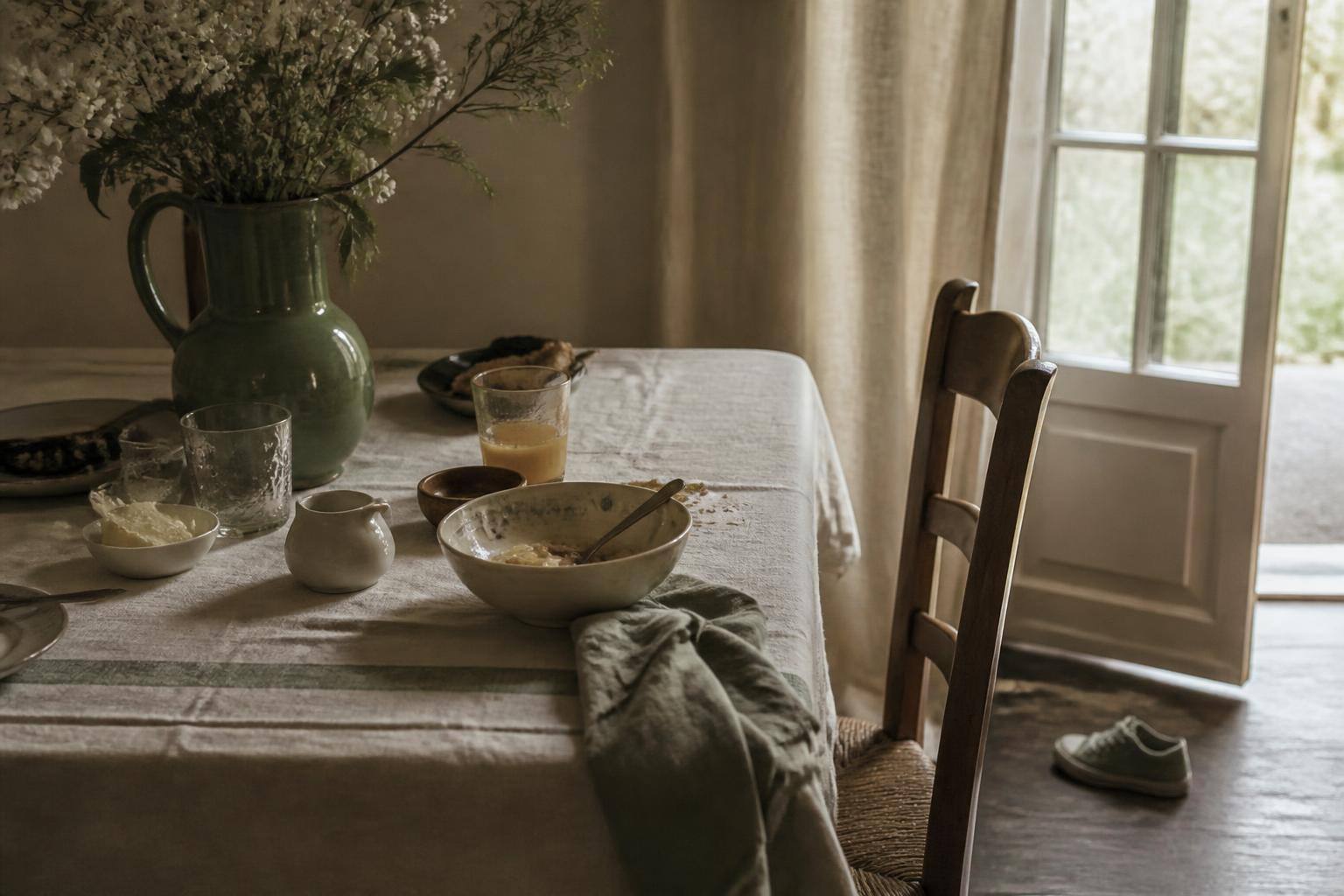
A linen school bag, one shoe and a half-finished glass of milk on a pale wooden floor in early morning light
Family Life

The Longest Hour: Rescuing the School Morning

Nobody is difficult in the morning. Everyone is under-resourced at the same time, in a house designed by no one, against a clock that does not negotiate.

Read
A small wooden chair beside a half-open door with a single folded note left on the seat
Behaviour

The Truth About Lying: What Children Are Really Protecting

A child who lies is almost never a child with a character problem. They are a child solving a problem — usually the problem of what happens next.

Read
Two pairs of children's shoes at the foot of a wooden staircase in morning light
Sibling Relationships

The Sibling Storm: What Children Learn Inside Everyday Conflict

Siblings do not fight because something has gone wrong with your family. They fight because you have given them the one relationship they cannot leave — and that is where the real learning happens.

Read
A simply set family table with plain plates and a small untouched portion
Nutrition

The Table Is Not a Battlefield: Fussy Eating, Without the War

Pressure is the one ingredient guaranteed to narrow a child's diet. What actually widens it is slower, quieter and far less satisfying to the anxious adult holding the fork.

Read
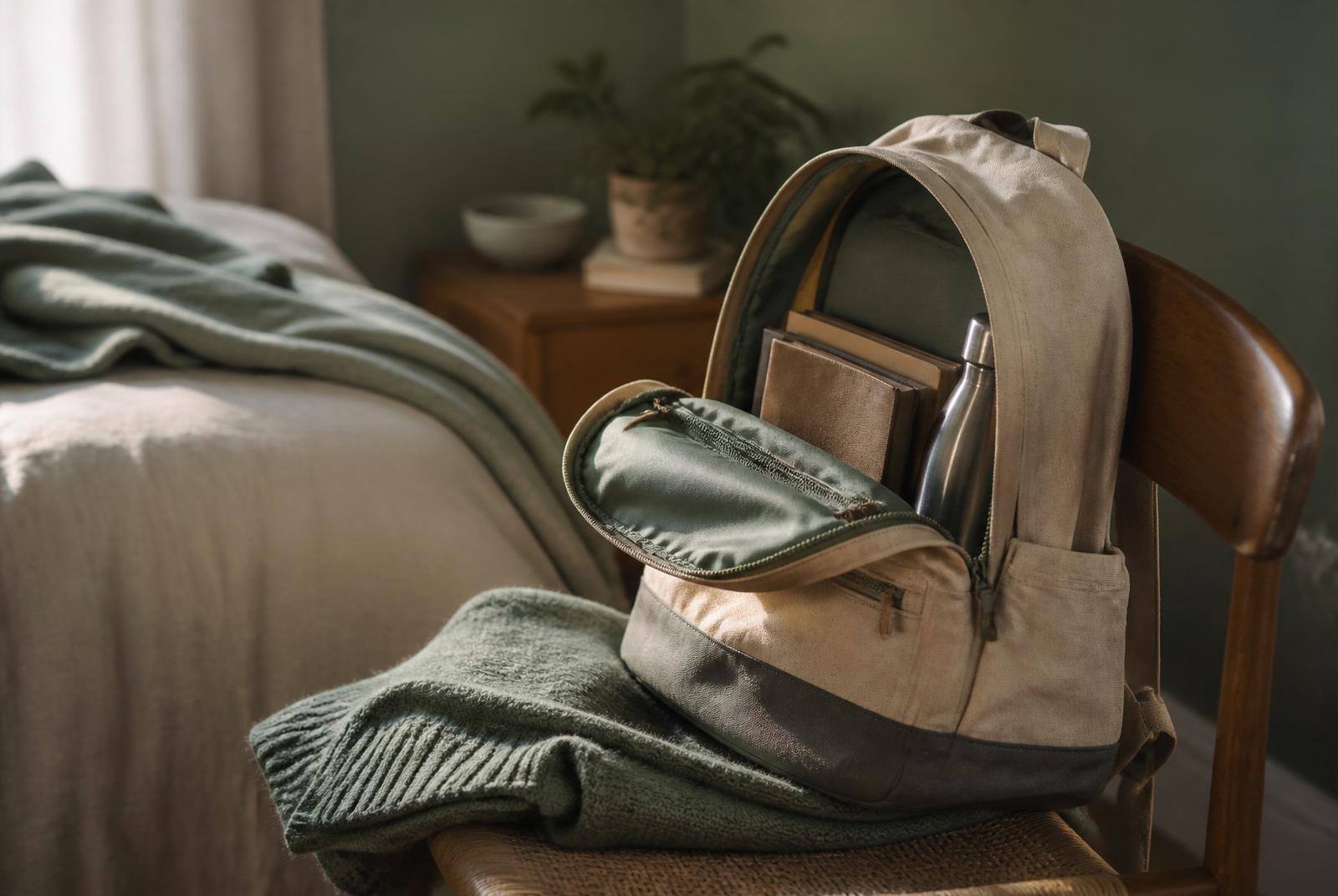
An open canvas backpack resting on a wooden chair in a quiet bedroom
Teen Mental Health

The Vape in the Backpack: What to Do in the First Ten Minutes

Almost every parent handles this discovery badly the first time — usually because they respond to the object rather than to the young person holding it.

Read
A school backpack and a single shoe beside a front door in morning light
Executive Functioning

The Morning That Unravels: Why Getting Out of the Door Is So Hard

Shoes, coats, teeth, bags. The school run asks a developing brain to sequence more decisions before nine o'clock than most adults make before lunch — and it is almost never about defiance.

Read
A parent sitting on the floor beside a sofa at dusk holding a warm mug
Parent Self-Care

When Gentle Parenting Runs Out of Petrol

The backlash is not evidence that warmth failed. It is evidence that a generation of parents was sold the warmth and never given the boundaries — or the rest.

Read
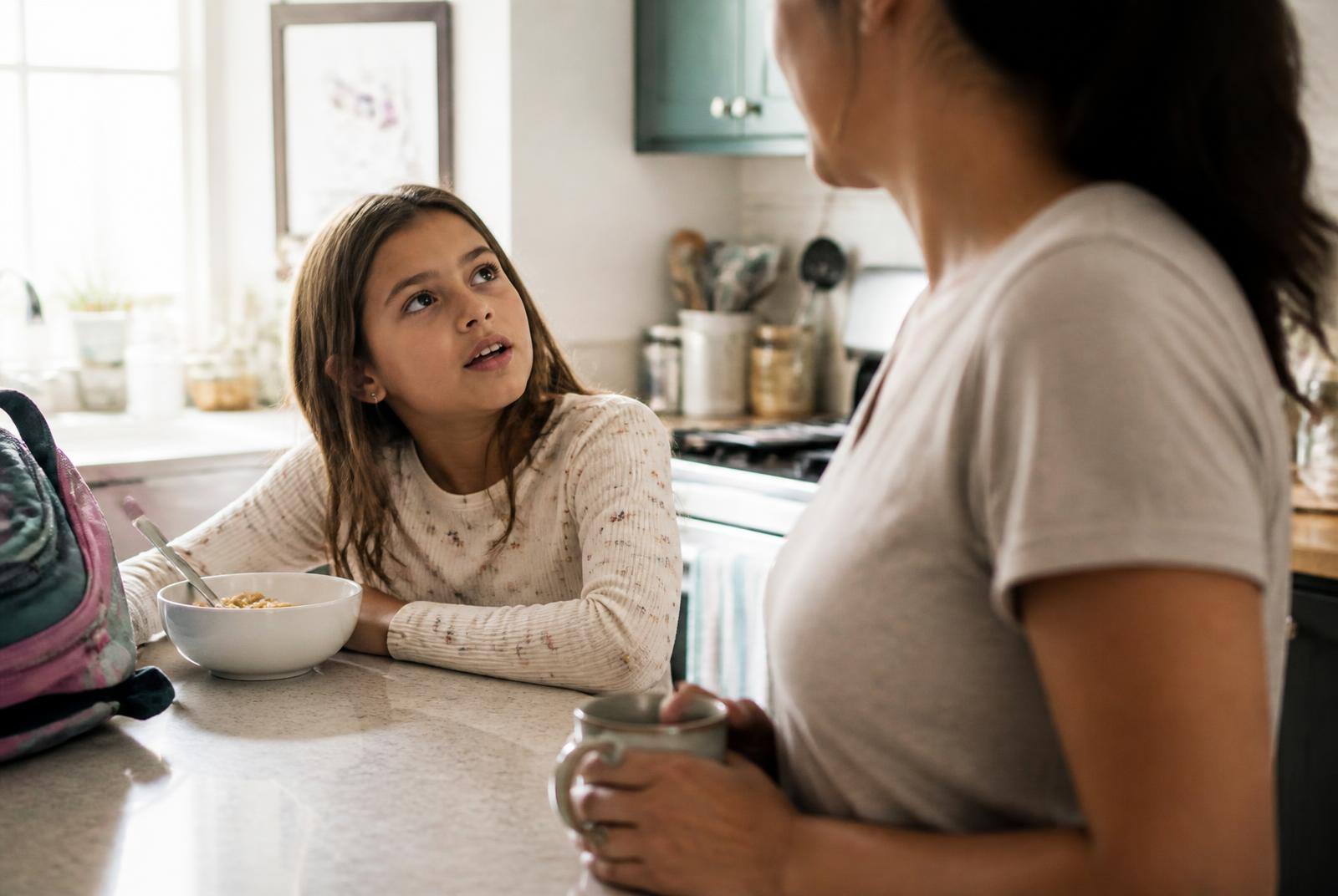
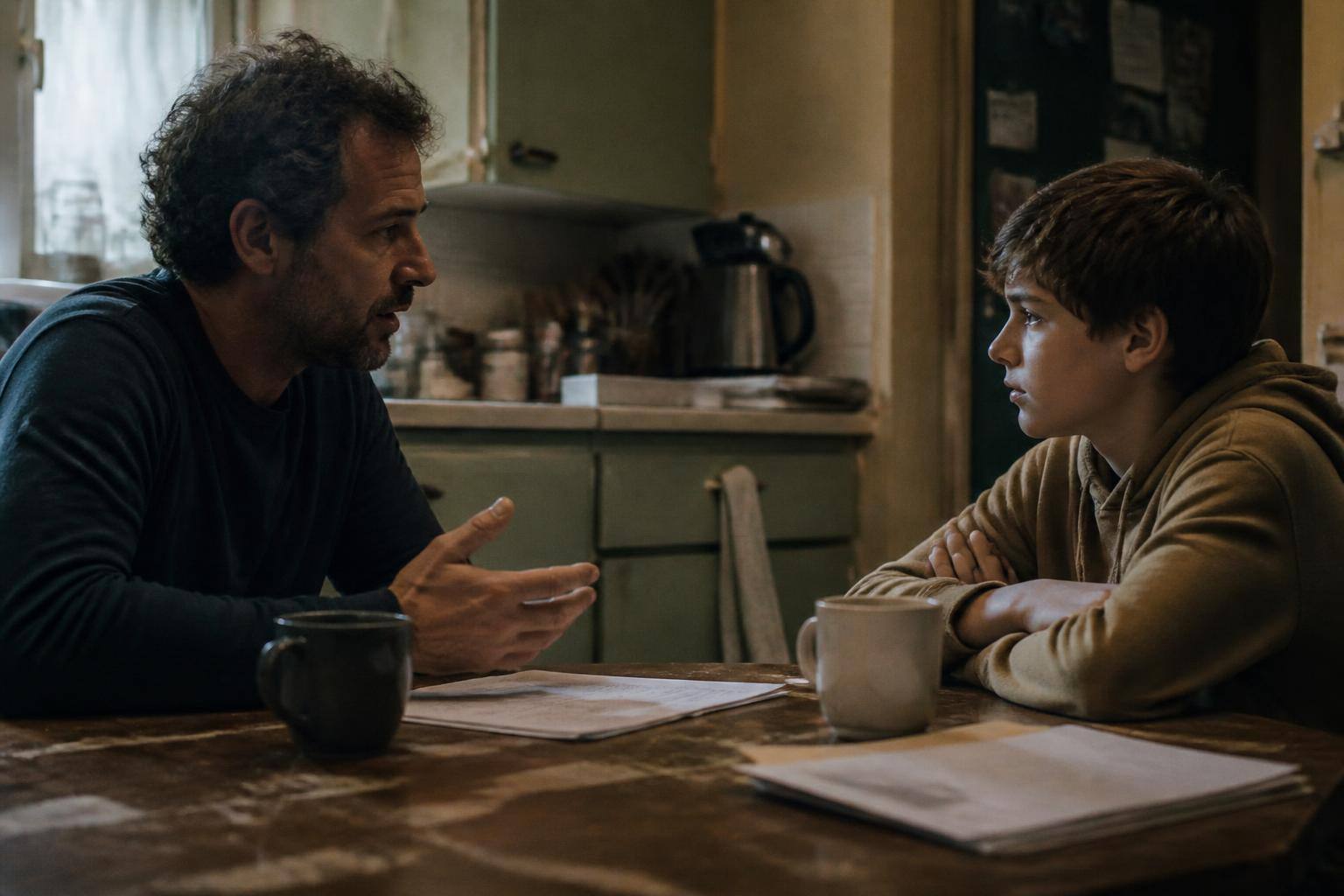
A parent crouching low beside a school-age child at a kitchen table in warm morning light
Communication

When Listening Feels Impossible: Cooperation Without Conflict

Your child is not ignoring you. Their hearing is working perfectly — it is the processing underneath it that has run out of room.

Read
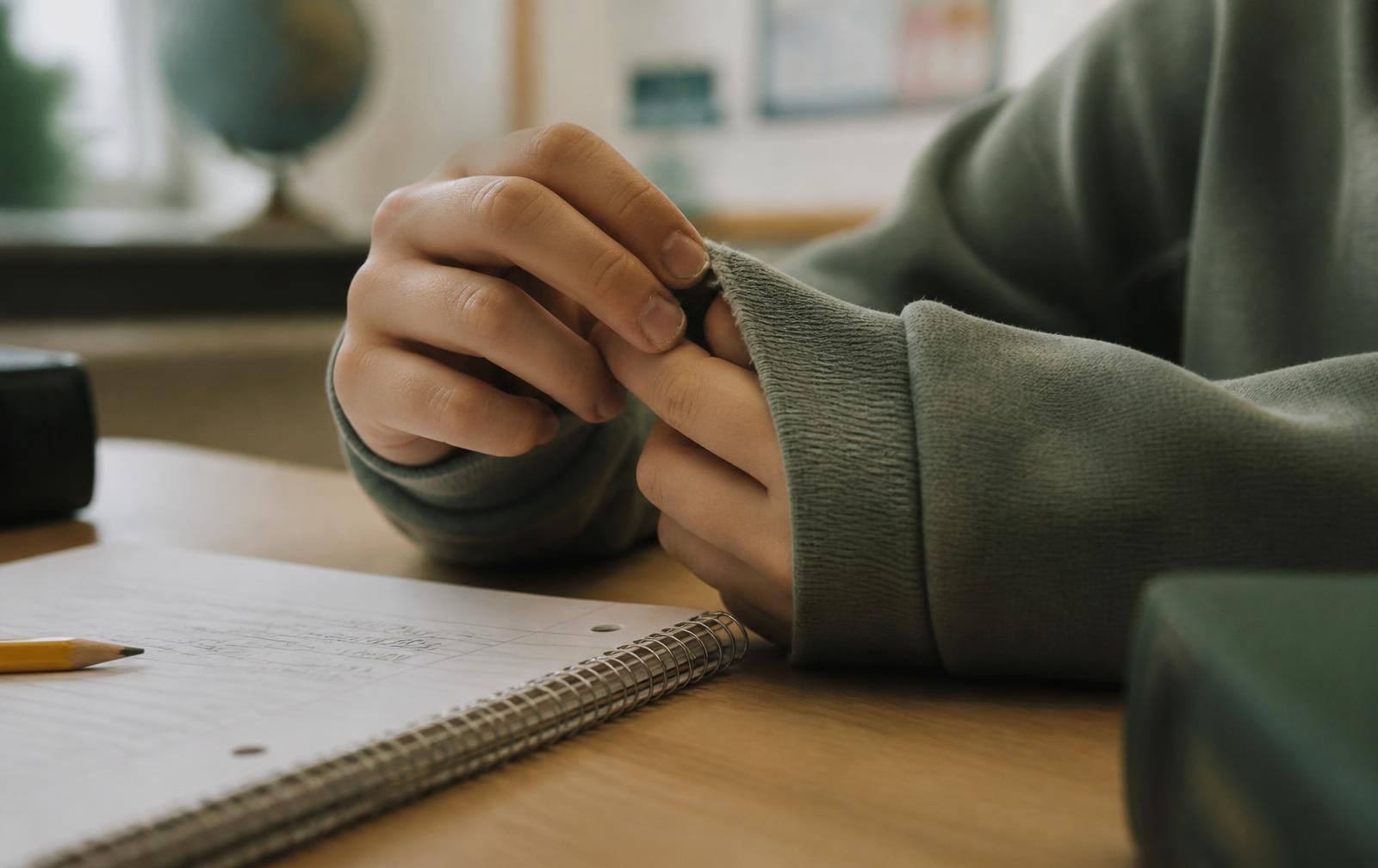
An untouched homework desk with open notebook and pencils in soft afternoon light
Executive Functioning

It Is Not Laziness: Understanding the Motivation Myth

The child who cannot start their homework is not choosing comfort over effort. They are stuck at a step no one has taught them to cross.

Read
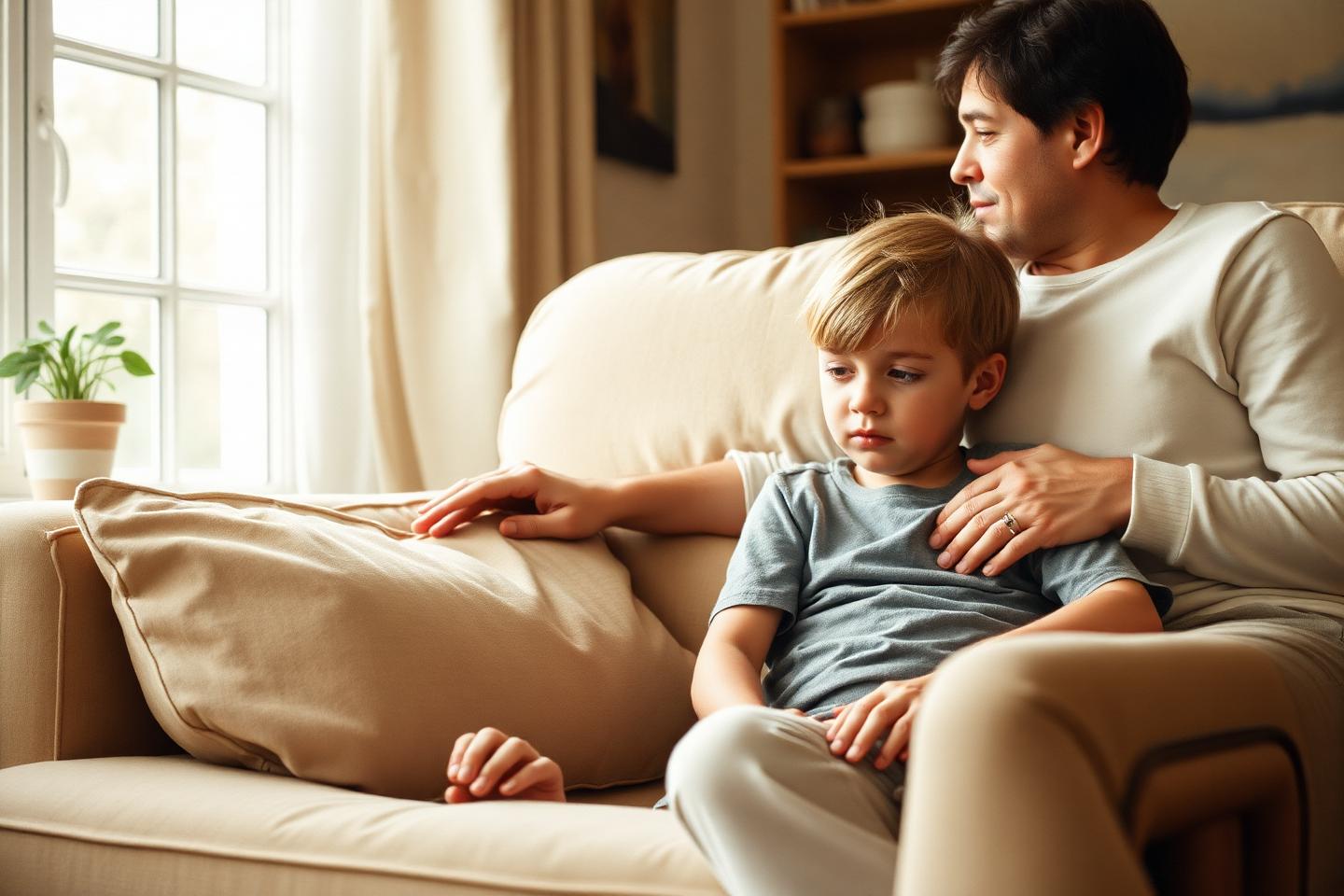
A school-age child resting under a blanket on a linen sofa in warm evening light
Emotional Regulation

Tantrums, Meltdowns and Shutdowns: Telling Them Apart

Three states that look similar from across the room and need almost opposite responses from you.

Read
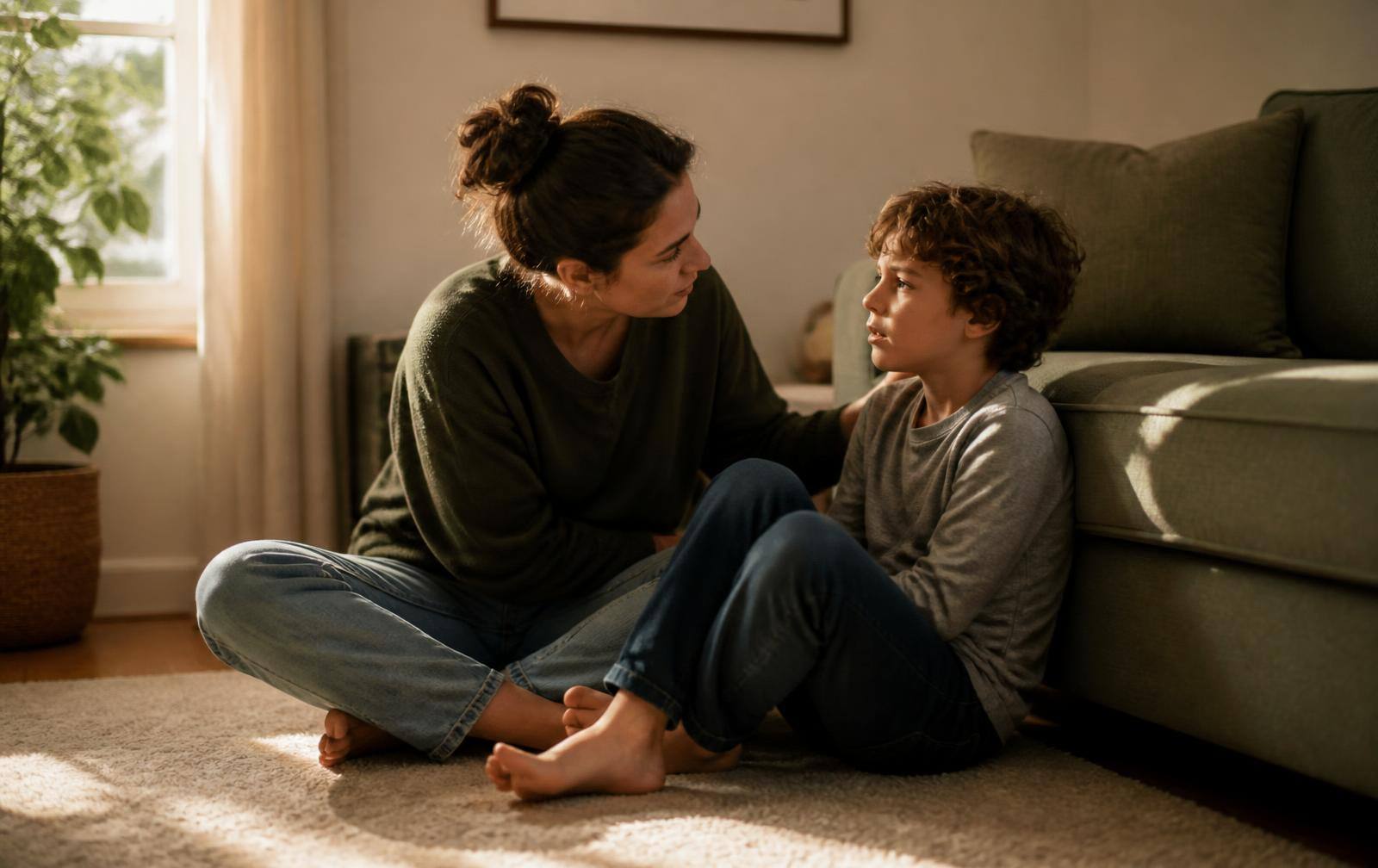
A parent and child sitting together on wooden floorboards in soft window light
Emotional Regulation

Borrowing Calm: How Children Regulate Through Us

Children cannot regulate themselves in a room where no one else is regulated. Co-regulation is the whole mechanism — and it is quieter than it sounds.

Read
A child's bedroom prepared for sleep at dusk with a small warm lamp and books
Sleep

The Science of Sleep: Why Bedtime Falls Apart and How to Rebuild It

Almost every difficulty a family brings to therapy is worse on four hours' sleep. Bedtime is not a discipline issue — it is a physiological sequence, and sequences can be rebuilt.

Read
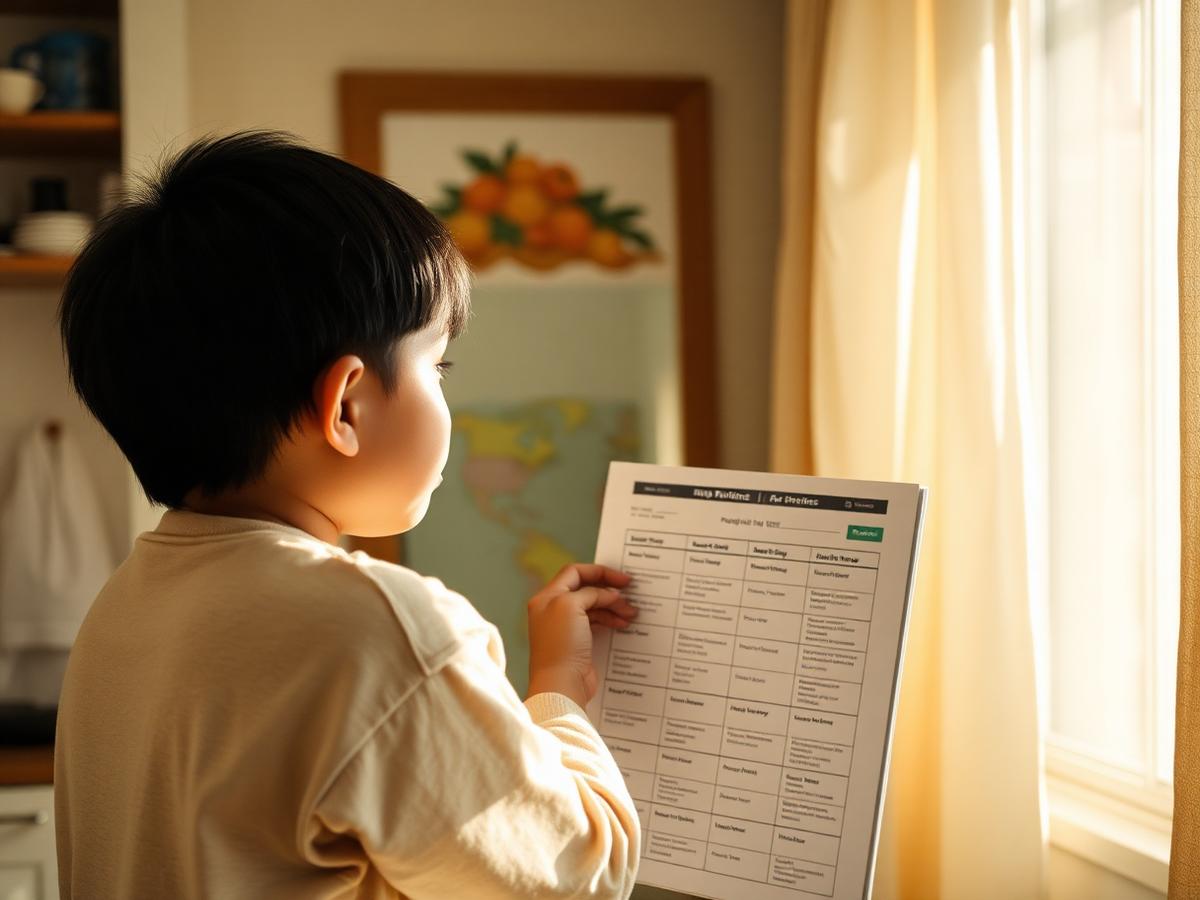
A school-age child at a tidy wooden desk with a visual checklist and a timer while a parent's hand sets down a pencil
ADHD

Why "Be More Consistent" Is the Wrong Advice for ADHD Households

Parents of children with ADHD are told to be more consistent more often than almost anyone. The advice is not wrong so much as aimed at the wrong target — here is what to build instead.

Read
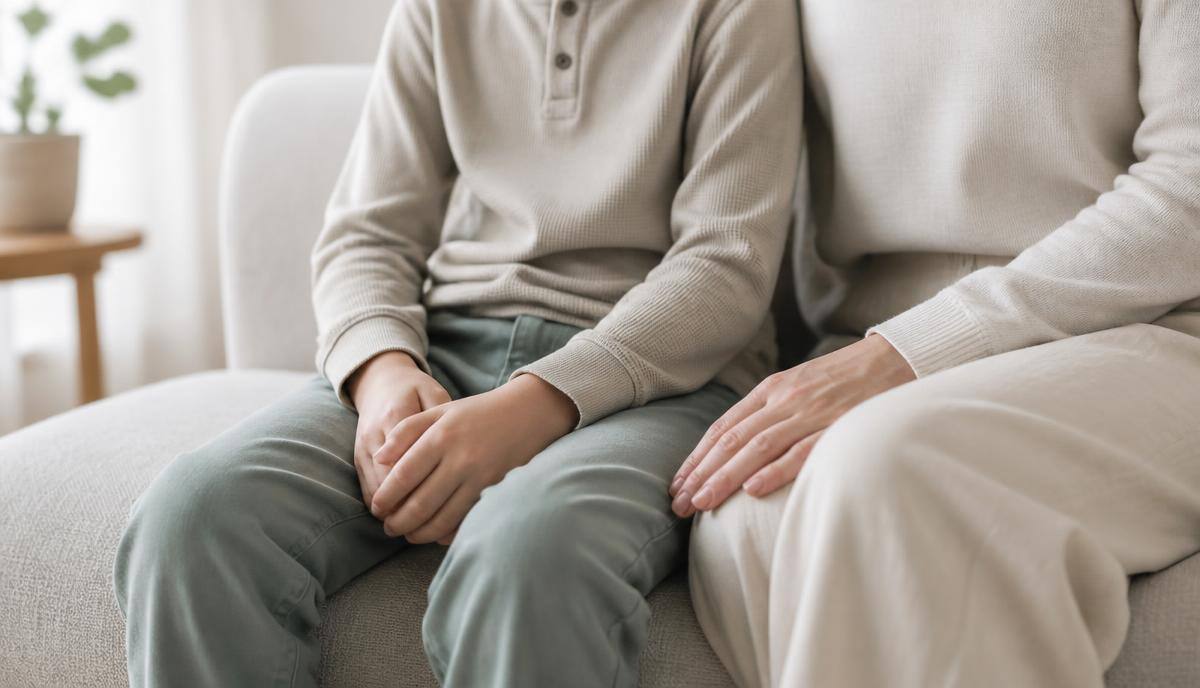
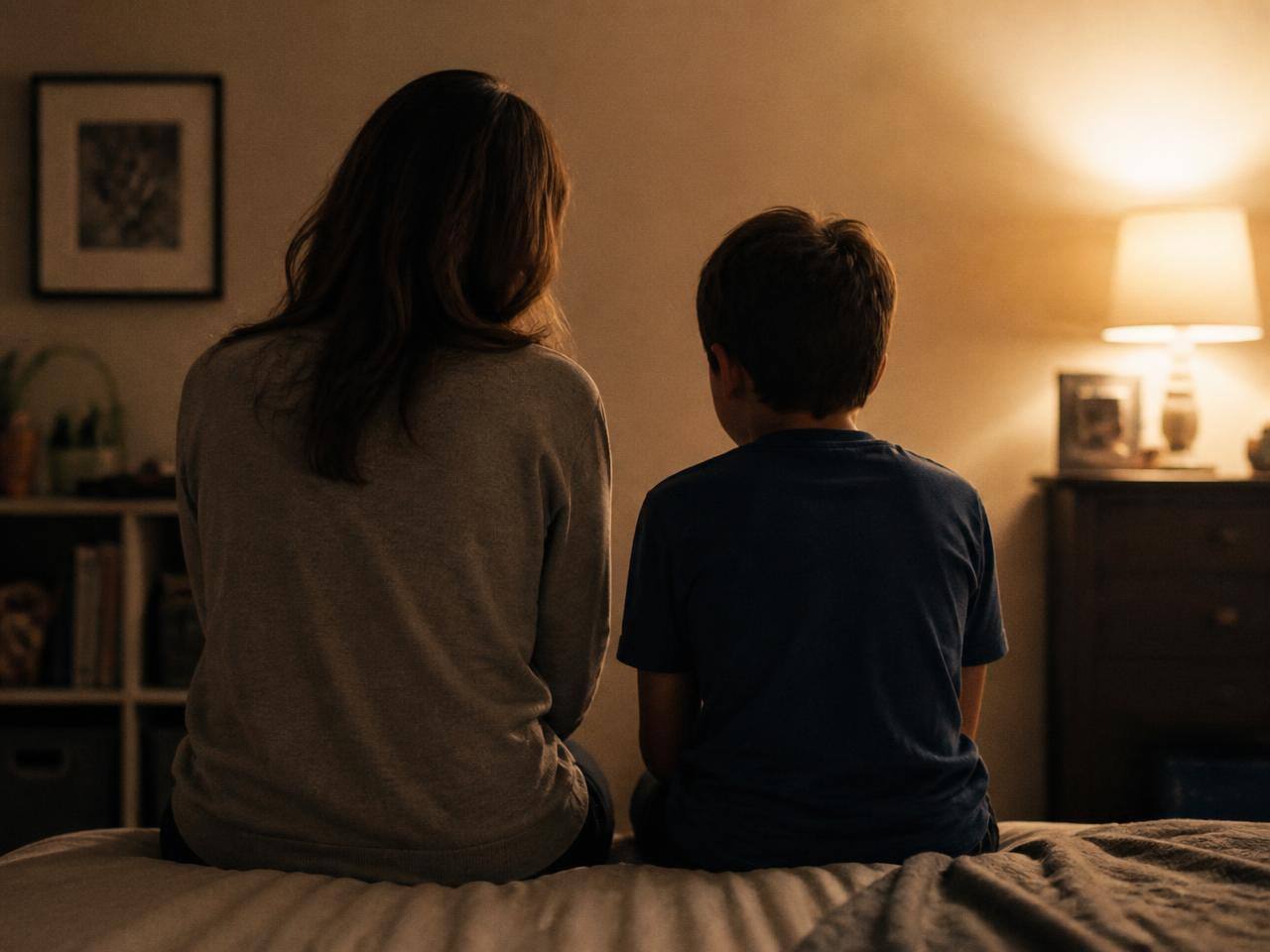
A parent and a school-age child sitting quietly together on a sunlit living room floor after a hard moment
Big Emotions

The Three Minutes That Change a Meltdown

Most of what parents are taught about big emotions happens too late. The window that matters most opens in the first three minutes — and what you do there decides how the next hour goes.

Read
The Thrive Journal

One considered letter, once a week

For parents who want calmer mornings, kinder conversations, and a little more confidence. No promotions, no noise — just insight that fits real life.

Thrive ConciergeAsk a Parenting Question