When Sport Stops Being Fun
The signs a child is playing for someone else, and how to hand the game back to them.
Reviewed by Sian Trombley, CCCFounder, Thrive Family Company
8 min read
Best for parents of children who are…
- needing help bouncing back after setbacks
- being hard on themselves
- needing extra emotional support at the moment

Share this
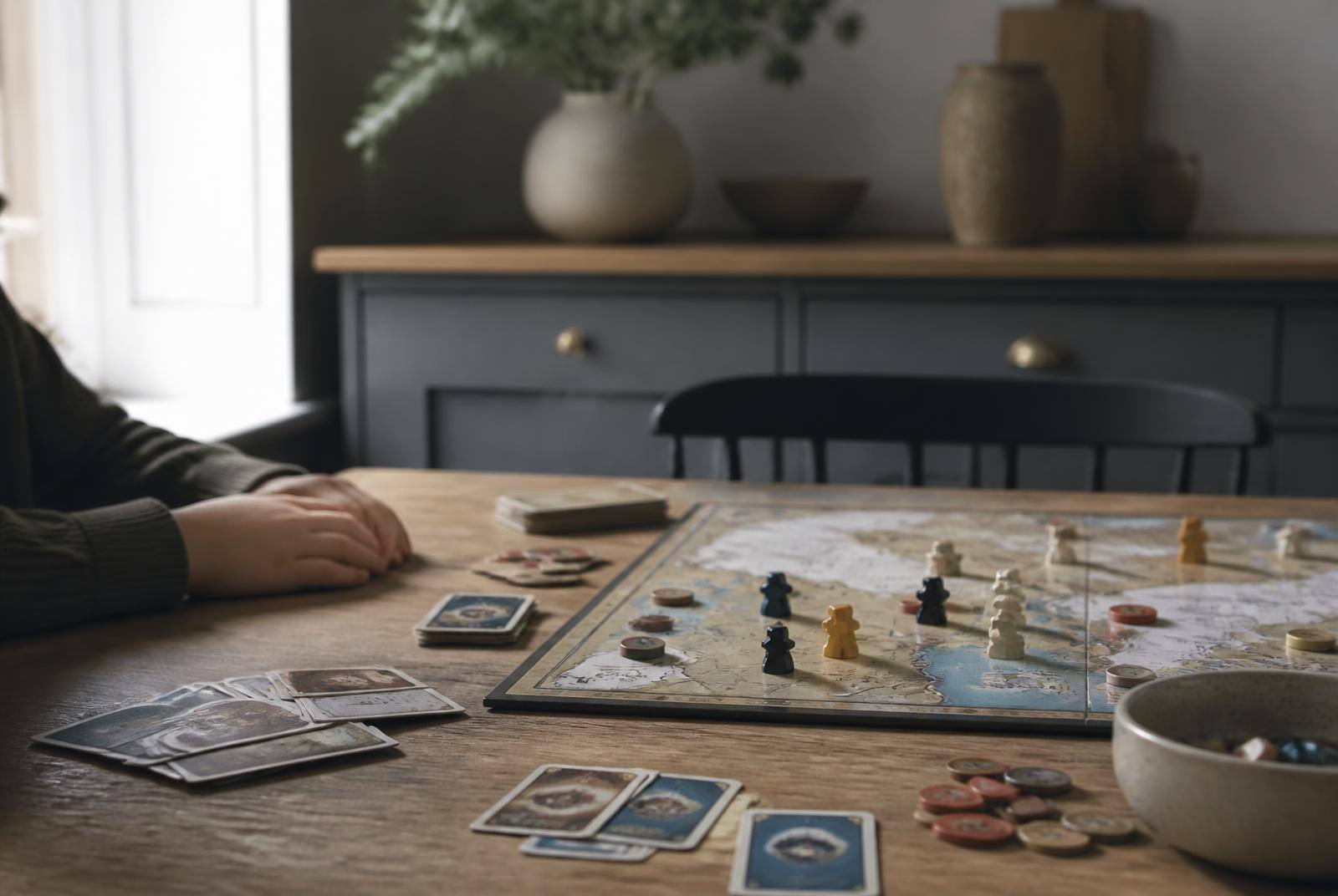
Somewhere between the first Saturday morning session and the regional trials, sport quietly changes shape for a lot of children. It stops being the thing they do and becomes the thing they are assessed on.
Parents rarely intend this. Nobody signs a nine-year-old up for swimming hoping to produce anxiety. But enthusiasm has a way of tightening into expectation, and children are extraordinarily sensitive to which version of themselves earns the warmest response from the people watching.
What the evidence supports
- Enjoyment, not aptitude, is the strongest predictor of continued participation
- A controlling climate — comparison, conditional praise, results talk — predicts dropout
- Early specialisation in one sport is linked to higher injury and burnout rates than varied play
- Autonomy-supportive coaching and parenting sustain motivation longer than pressure
- The post-game conversation shapes memory and motivation more than the performance itself
Common parental mistakes
Handing the game back
- 01Notice the dread pattern
Reluctance on training days, stomach aches before matches, relief when a session is cancelled — these are data, not drama.
- 02Separate your investment from theirs
Kit costs and early mornings are real, but they are your sacrifices, not leverage over their enjoyment.
- 03Ask what they'd change
Fewer matches, a different position, a different club — children often have a precise answer if asked directly.
- 04Protect the off-season
A break from one sport, or from organised sport altogether, is not a step backward.
- 05Let quitting be an option
A child who can leave without shame is far more likely to stay for the right reasons.
The moment a child plays to avoid disappointing someone, the sport has stopped being theirs.
Sian Trombley, Canadian Certified Counsellor
What you can try this week
Ask one question after the game
'Did you have fun?' Not 'did you win', not 'what went wrong'. Let the answer sit before you add anything.
Say nothing for the first ten minutes
The car home is not a debrief. Silence, snacks and music do more for a child's motivation than analysis.
Name what you value out loud
'I love watching you play, whatever the score' — said on an ordinary week, not just after a loss — is what children actually remember.
- Enjoyment, not talent, predicts whether a child keeps playing.
- The car-ride-home conversation shapes a child's relationship with the sport more than training does.
- A controlling climate from coach or parent predicts burnout and dropout.
- Children with mixed, varied sporting experience report more enjoyment and lower injury risk than early specialisers.
- Quitting is sometimes the healthy choice, not the failure.
Would my child choose this sport again if no one else were watching?
Whose disappointment am I actually protecting them from — theirs, or mine?
What did I say in the car after the last game we lost?
Printable resources
This article is educational and is not a substitute for individual clinical advice. Comments are closed so the Journal stays a calm place to read.
Share this
Keep going
You may also like
Courses, worksheets and pathways from the same part of the library.
- JournalThe Most Useful Word They Own: Teaching Children to Say NoA child who cannot say no to you will find it very hard to say no to anybody else — and the people who need them to say yes are not always kind.Read
- ResearchThe Research LibraryPeer-reviewed parenting and child mental health research, translated into plain language.Read
- JournalThe Compliment They Cannot Take: Praise and the Child Who DeflectsA compliment asks a child to agree with you about themselves. If they don't, the kindest sentence in the room becomes the most uncomfortable.Read
- Thrive GuideThrive GuideAsk a question and get warm, evidence-informed guidance drawn from the Thrive library.Read
- Thrive Care PlanThrive Care PlanA short check-in that turns how your week actually went into one focused plan.Read
- Thrive ToolThrive ToolsPremium printable workbooks and therapeutic tool kits.Read