The Homework Hour: Ending the Nightly Standoff
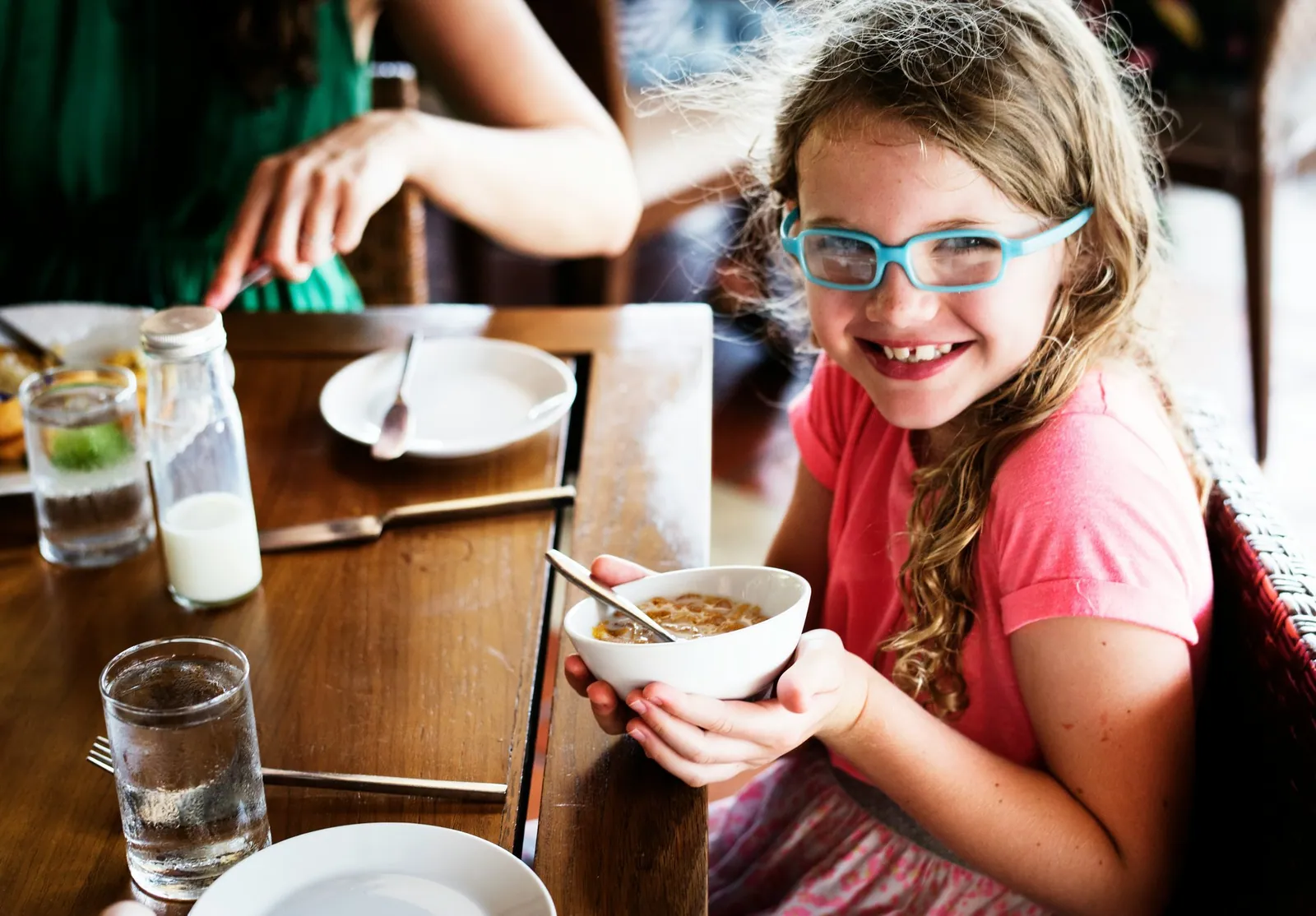
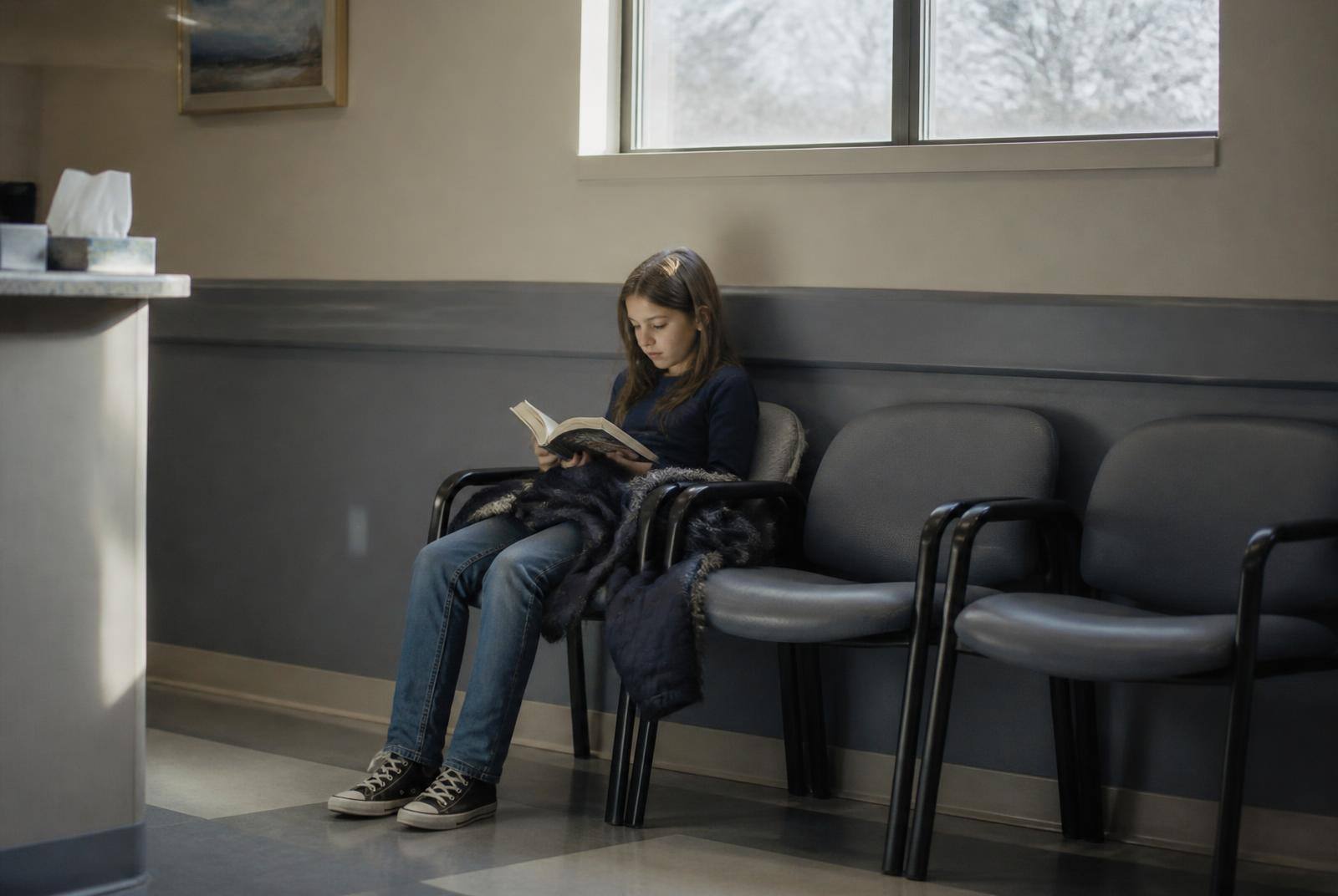
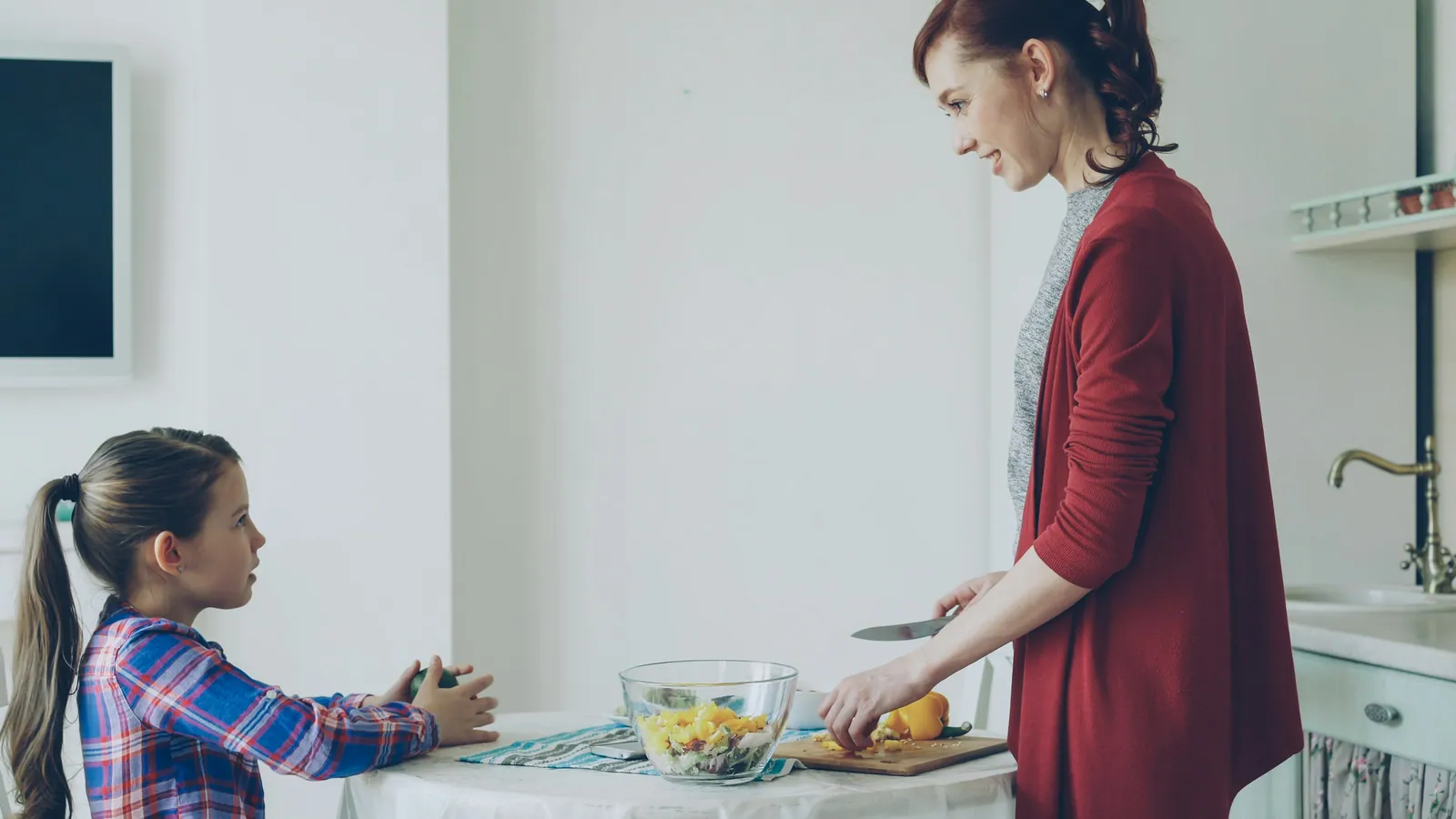
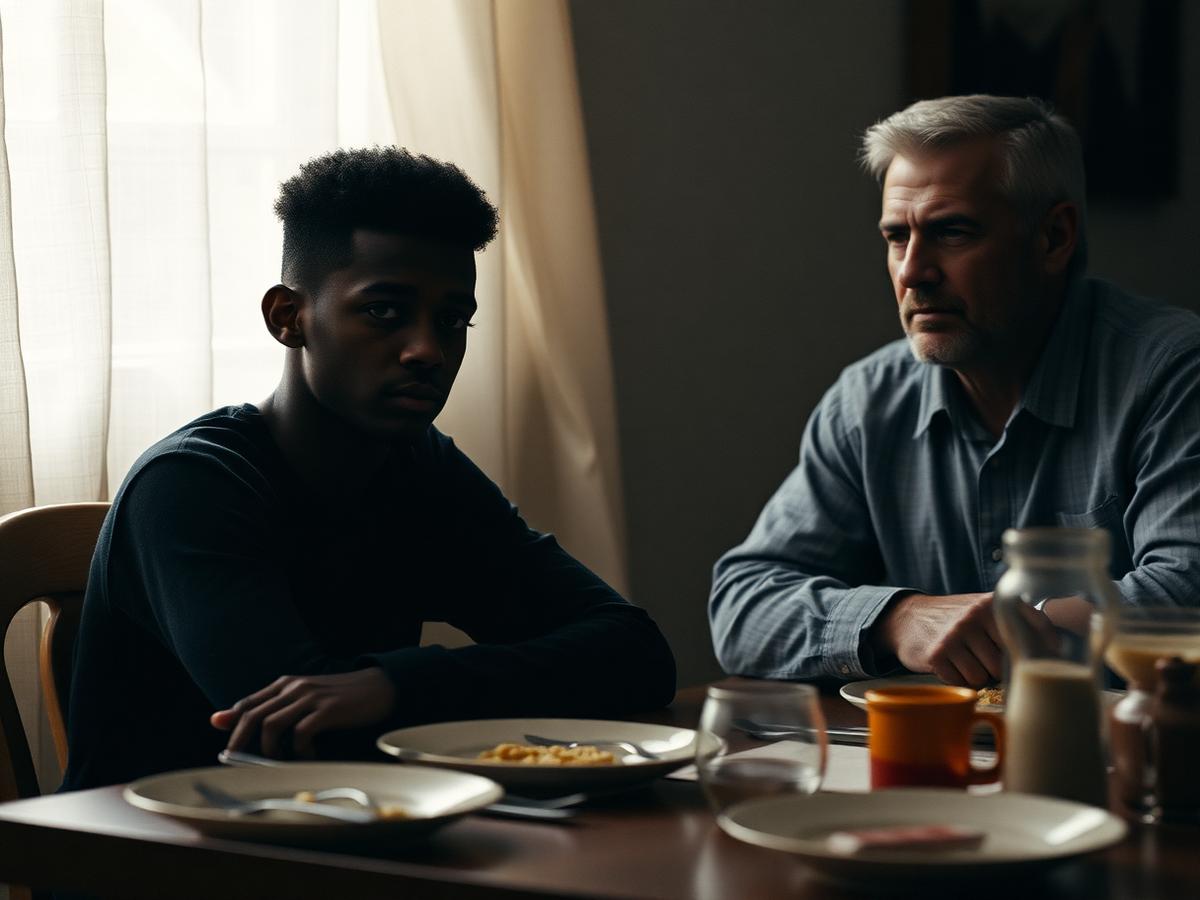
By four o'clock a child has already spent six hours regulating themselves in a demanding environment. The worksheet is not the problem — the timing, the tank and the referee's role are.

Siblings, co-parenting, blended households and the communication habits that hold a family together.

By four o'clock a child has already spent six hours regulating themselves in a demanding environment. The worksheet is not the problem — the timing, the tank and the referee's role are.

Two people raised in two different families are now improvising a third one. Children can tolerate a great deal of difference between their parents — what they cannot tolerate is being the ground it is fought over.
Read
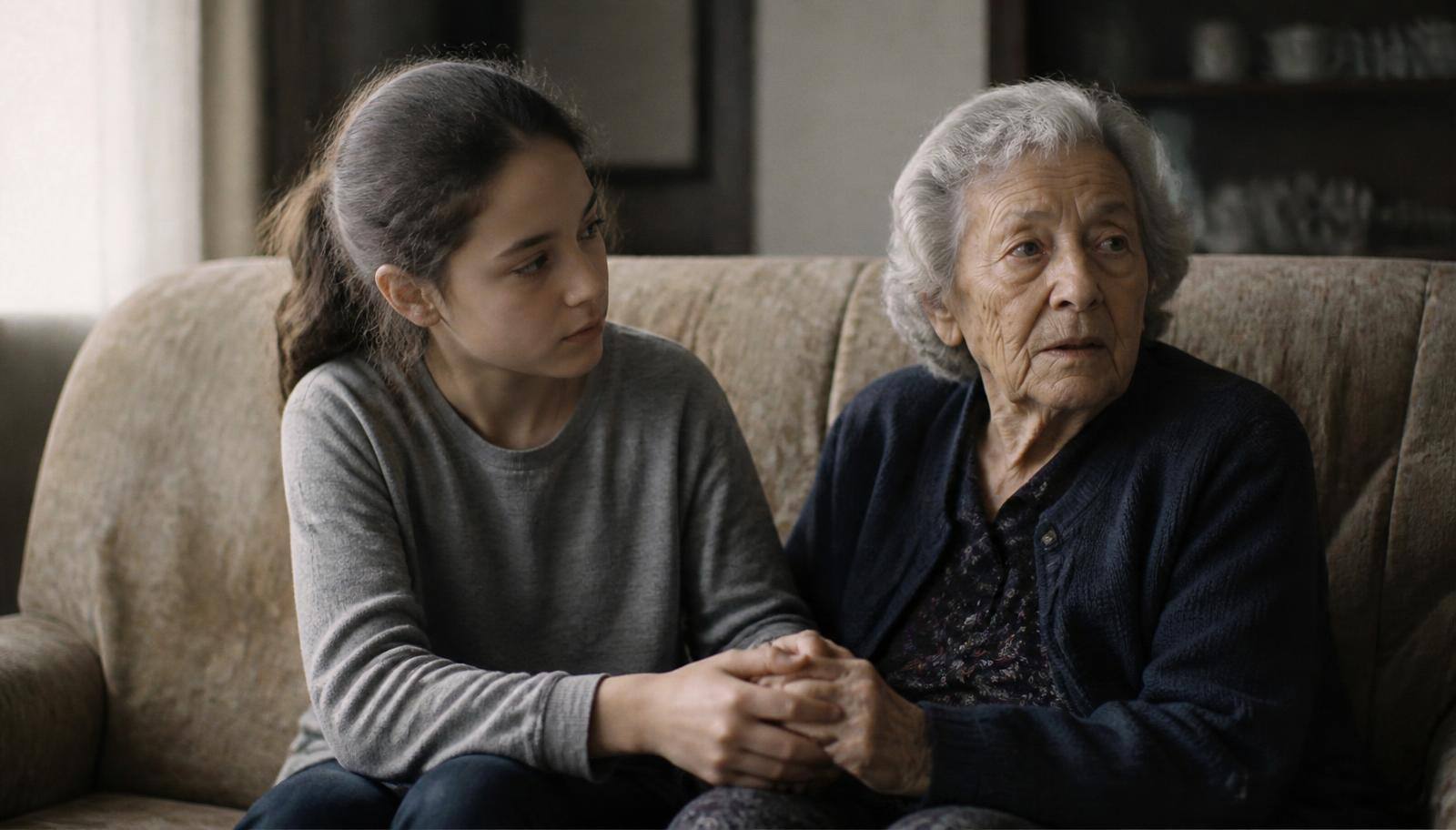
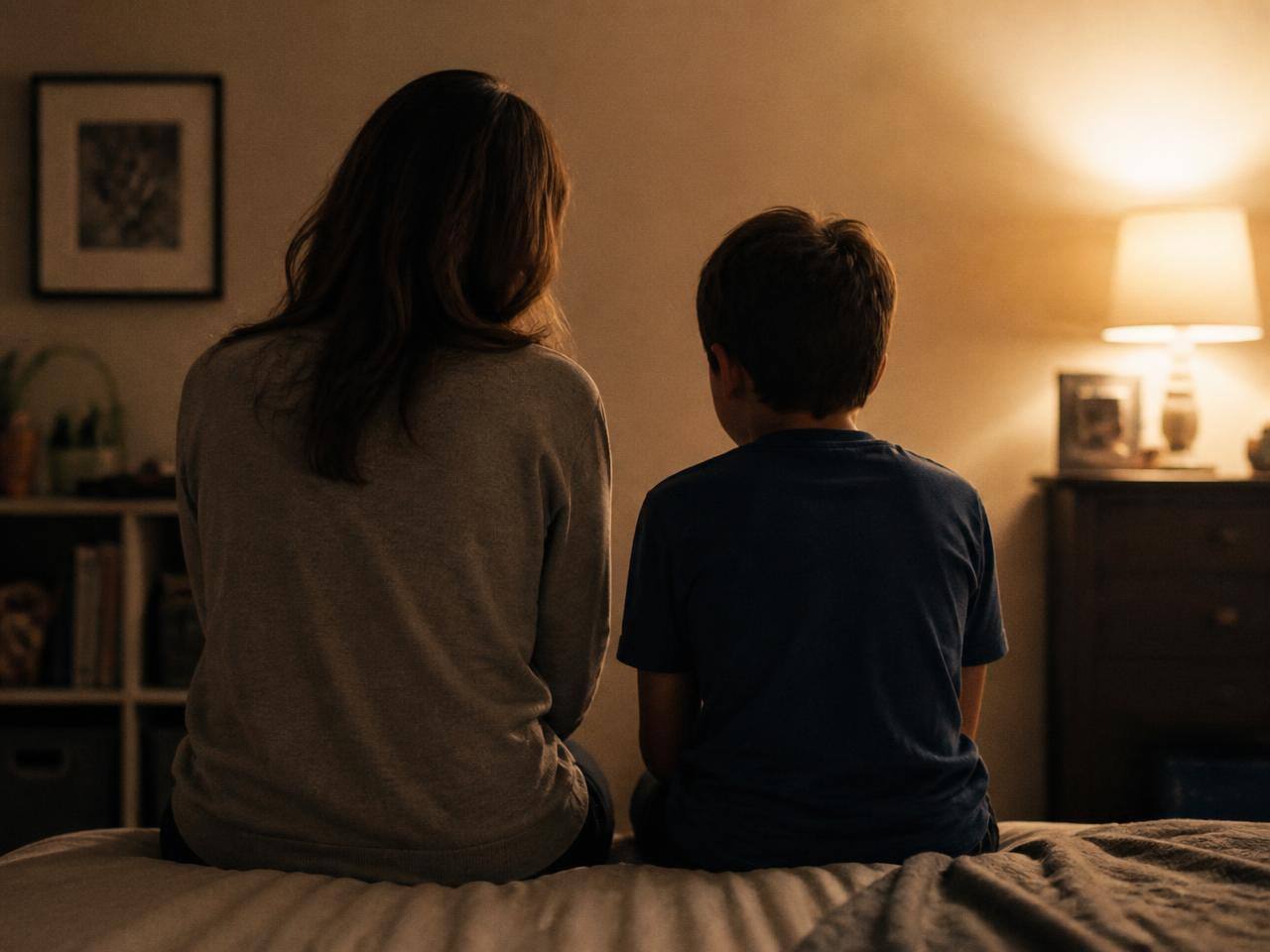
Children do not grieve in a straight line, and they rarely grieve when we are ready. What they need is not the perfect explanation, but somewhere reliable to bring it.
Read
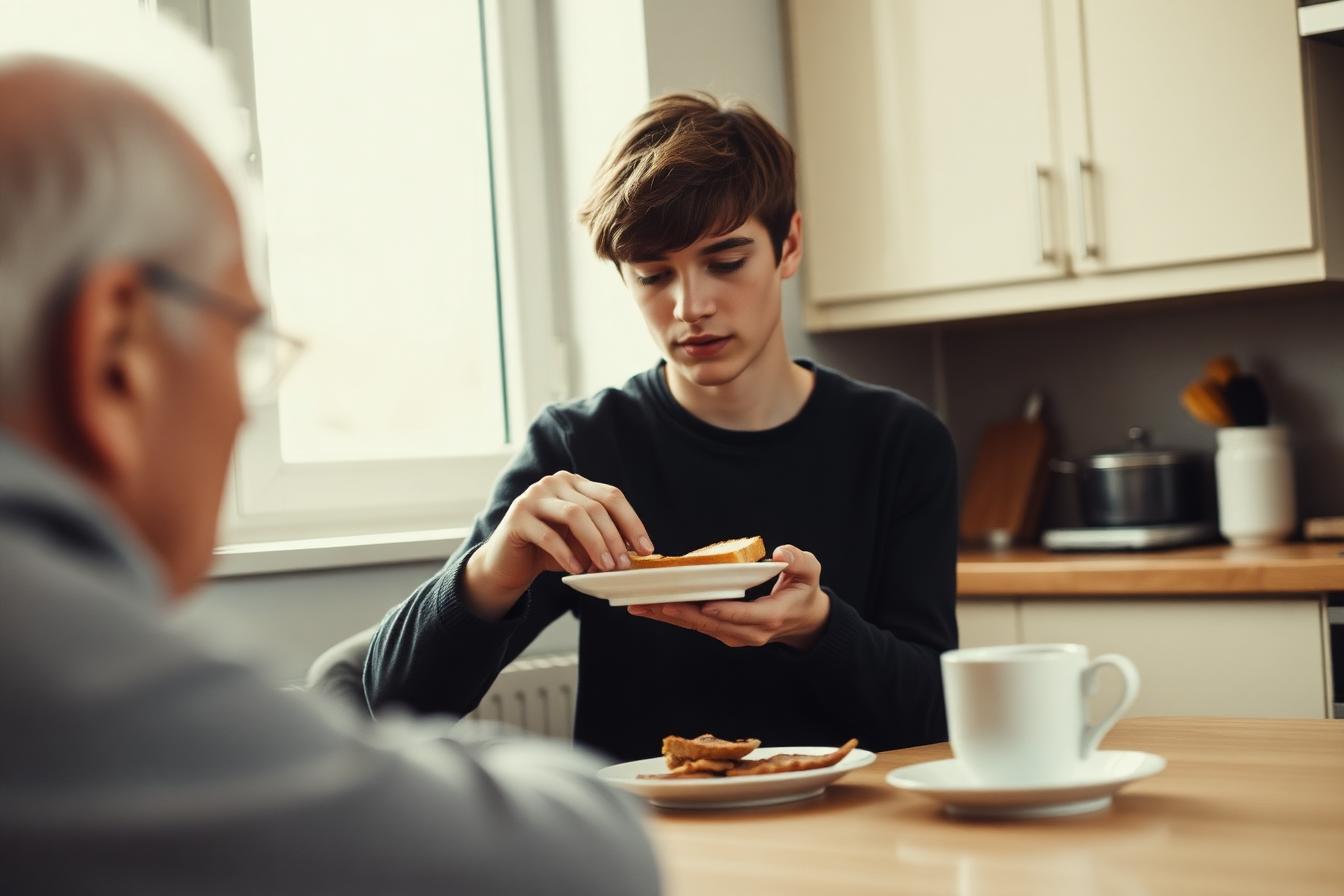
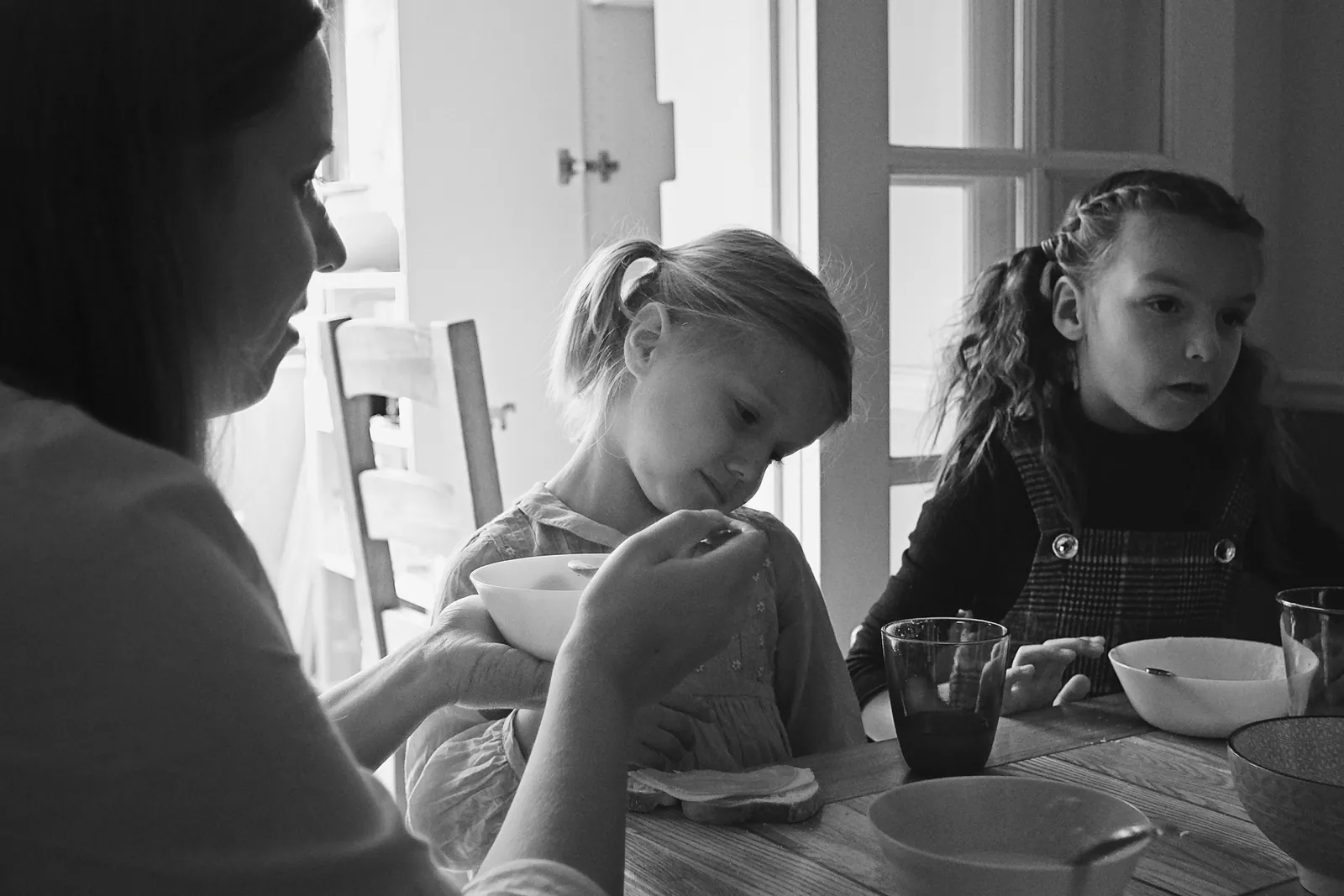
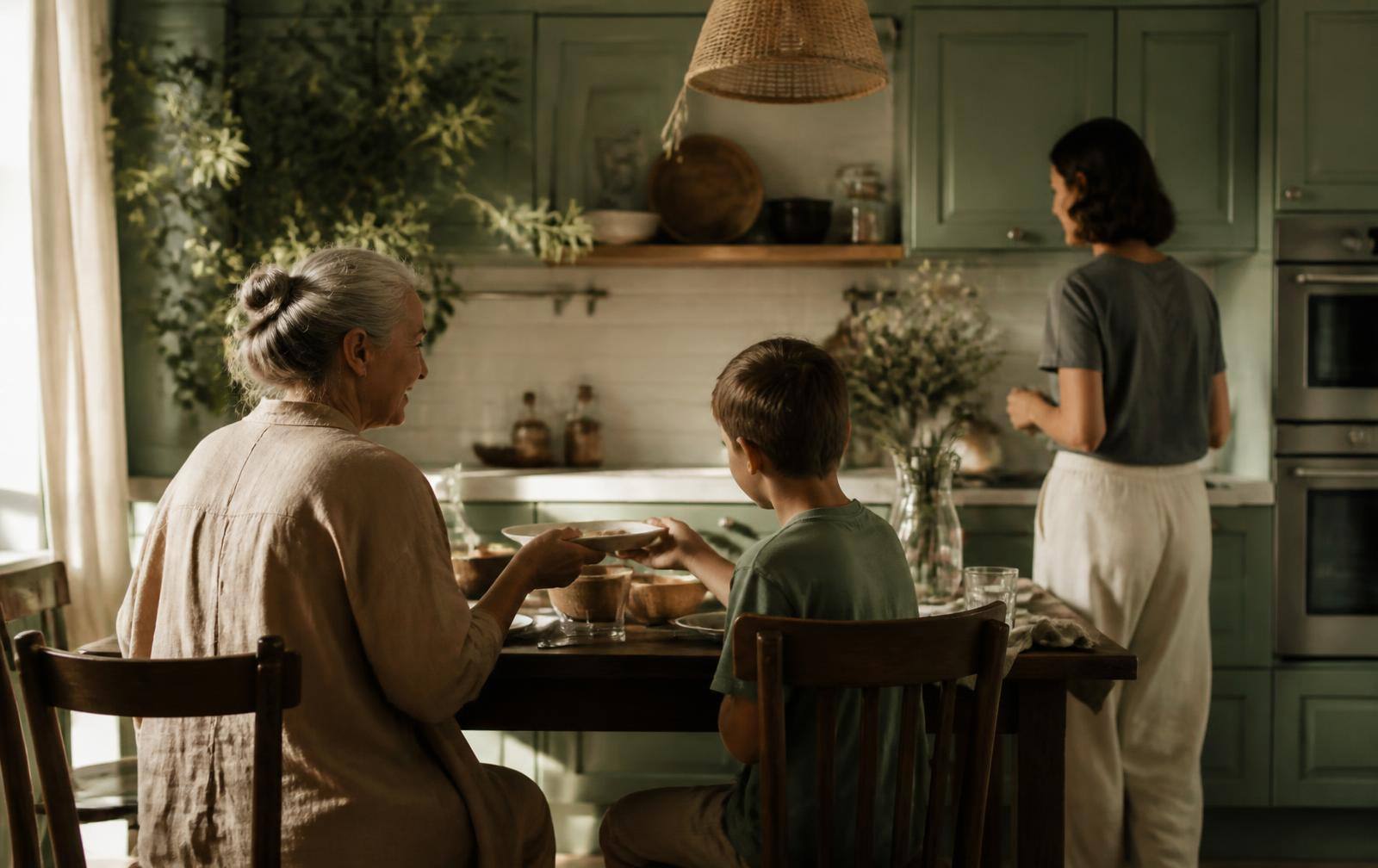
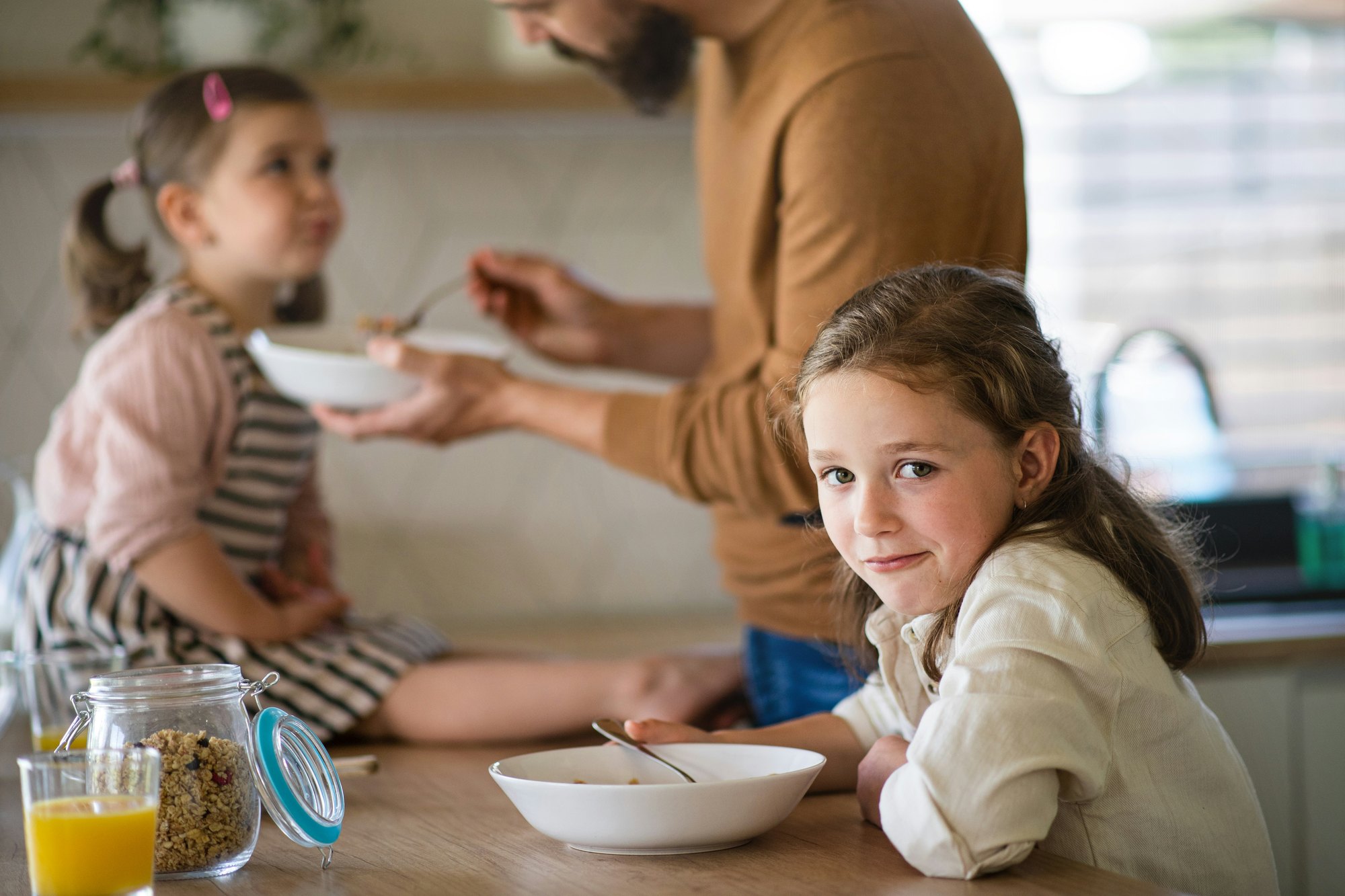
Mealtimes turn into a contest the moment eating becomes something a child can win or lose. The way out is to stop competing — carefully, and on purpose.
Read
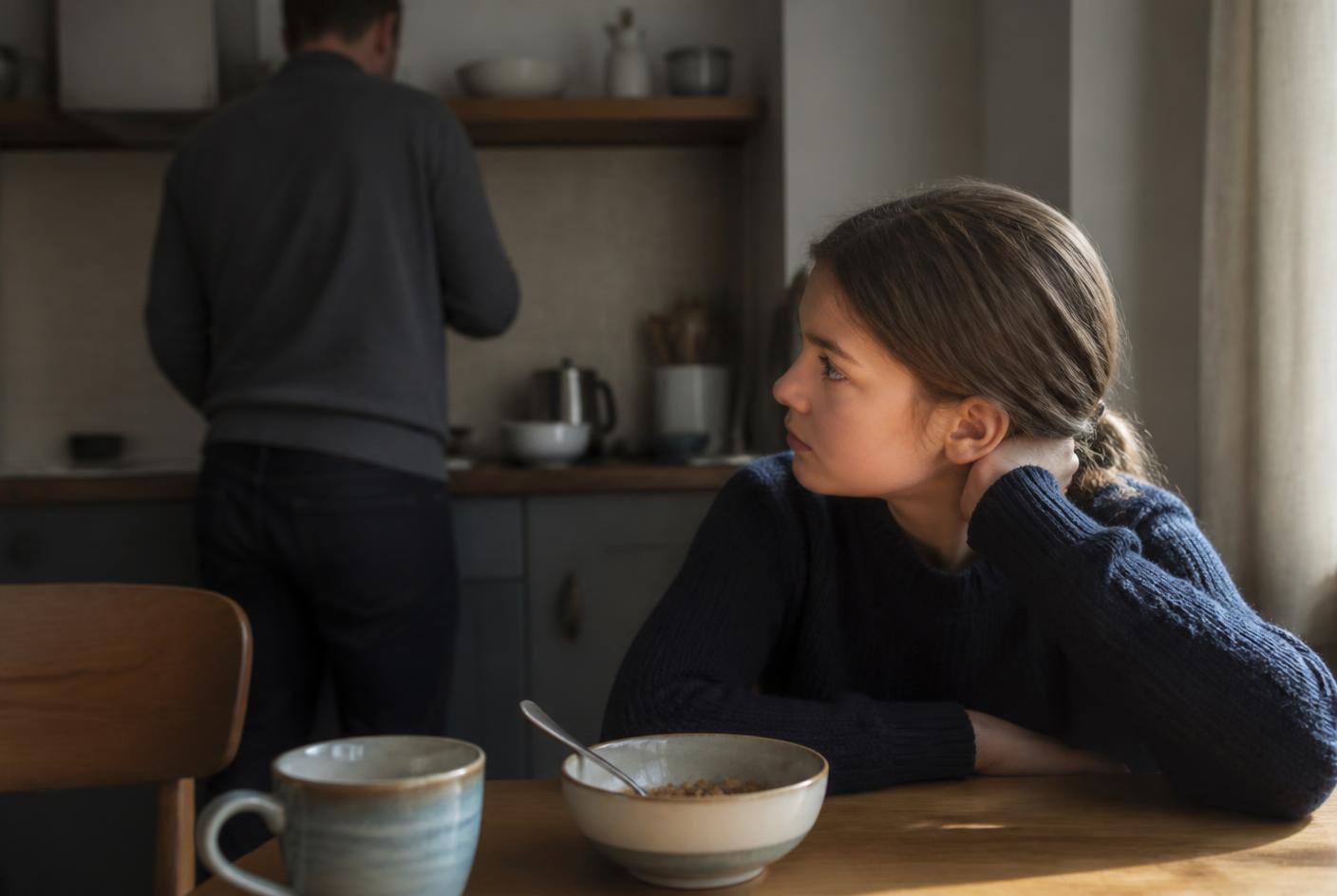
Nobody is difficult in the morning. Everyone is under-resourced at the same time, in a house designed by no one, against a clock that does not negotiate.
Read
A child who lies is almost never a child with a character problem. They are a child solving a problem — usually the problem of what happens next.
Read
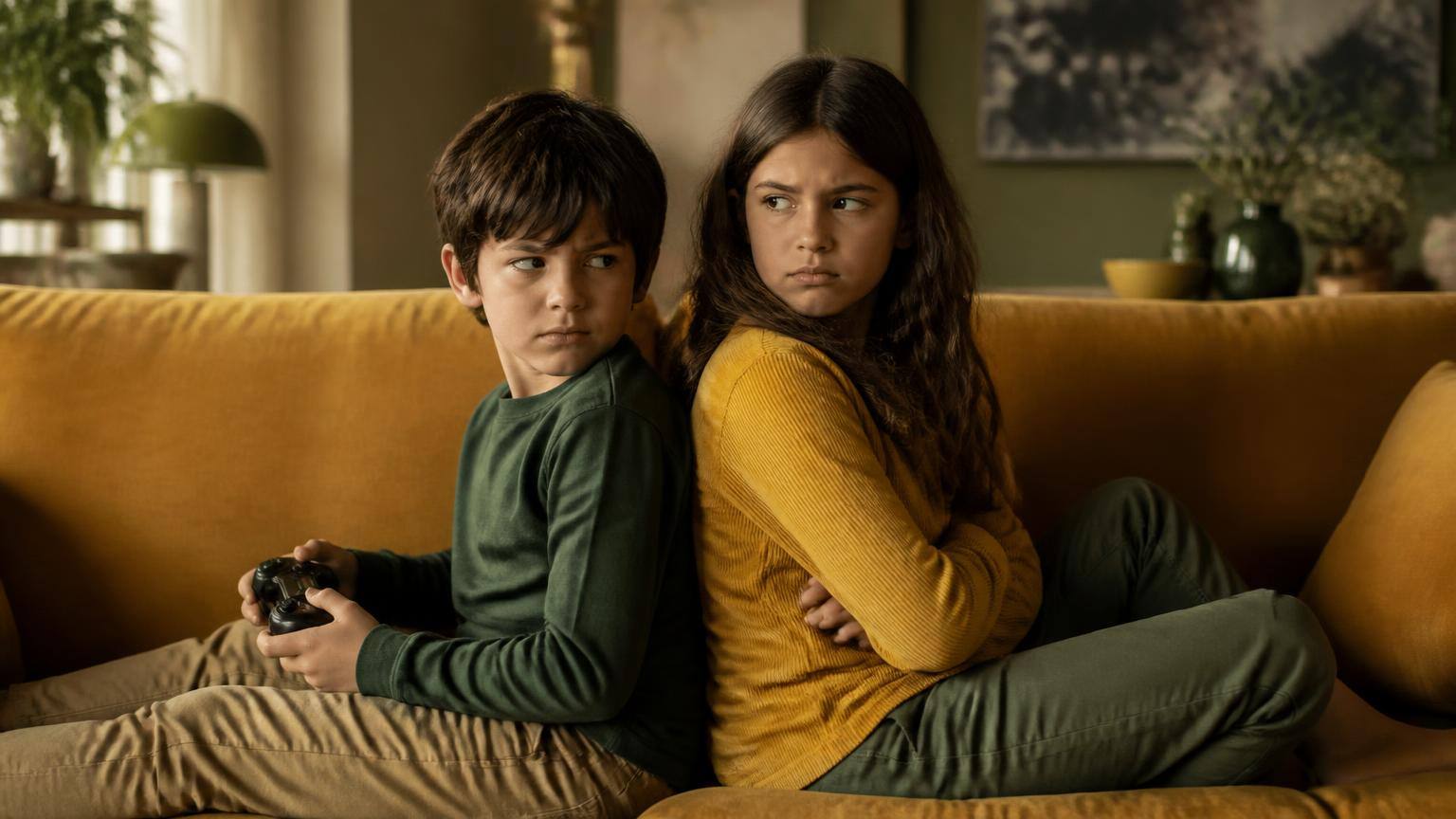
Siblings do not fight because something has gone wrong with your family. They fight because you have given them the one relationship they cannot leave — and that is where the real learning happens.
Read
Pressure is the one ingredient guaranteed to narrow a child's diet. What actually widens it is slower, quieter and far less satisfying to the anxious adult holding the fork.
Read
Almost every parent handles this discovery badly the first time — usually because they respond to the object rather than to the young person holding it.
Read
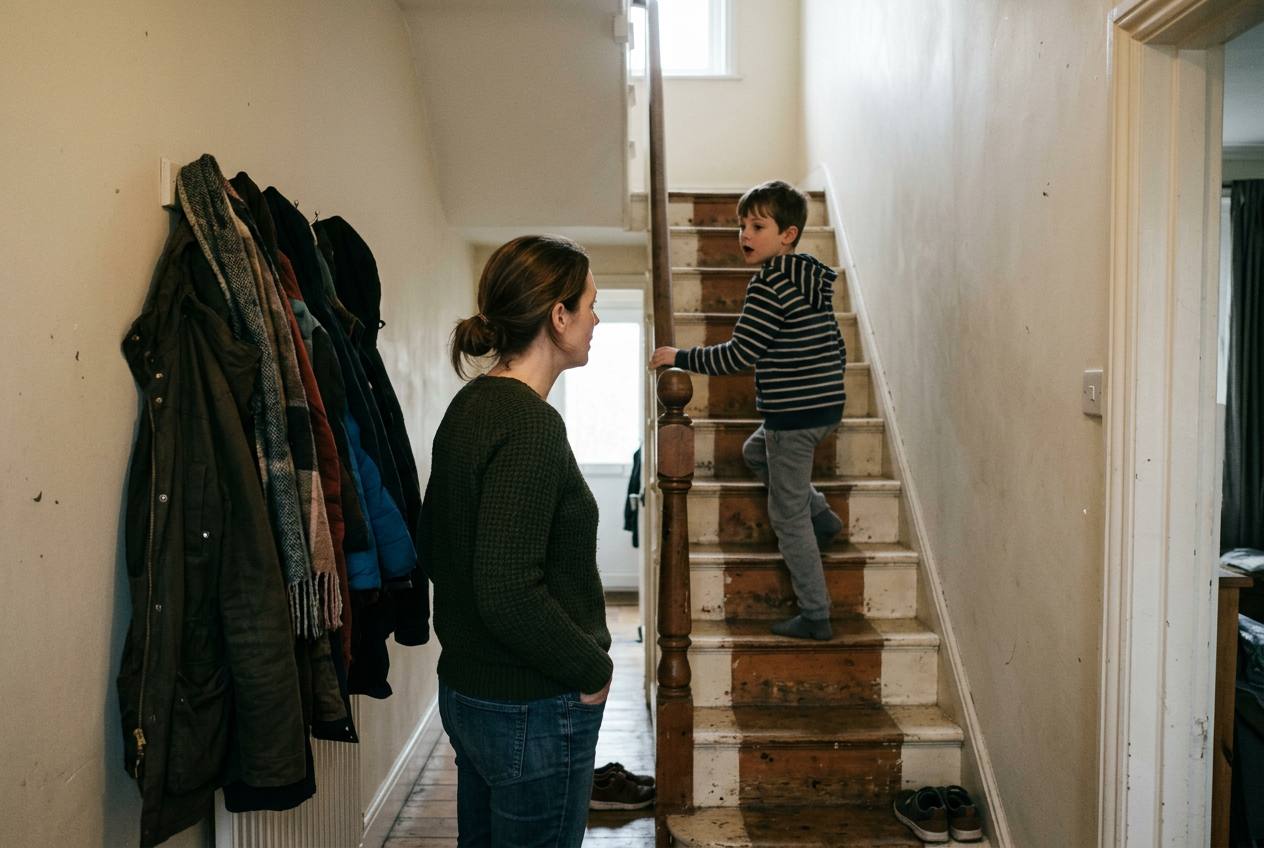
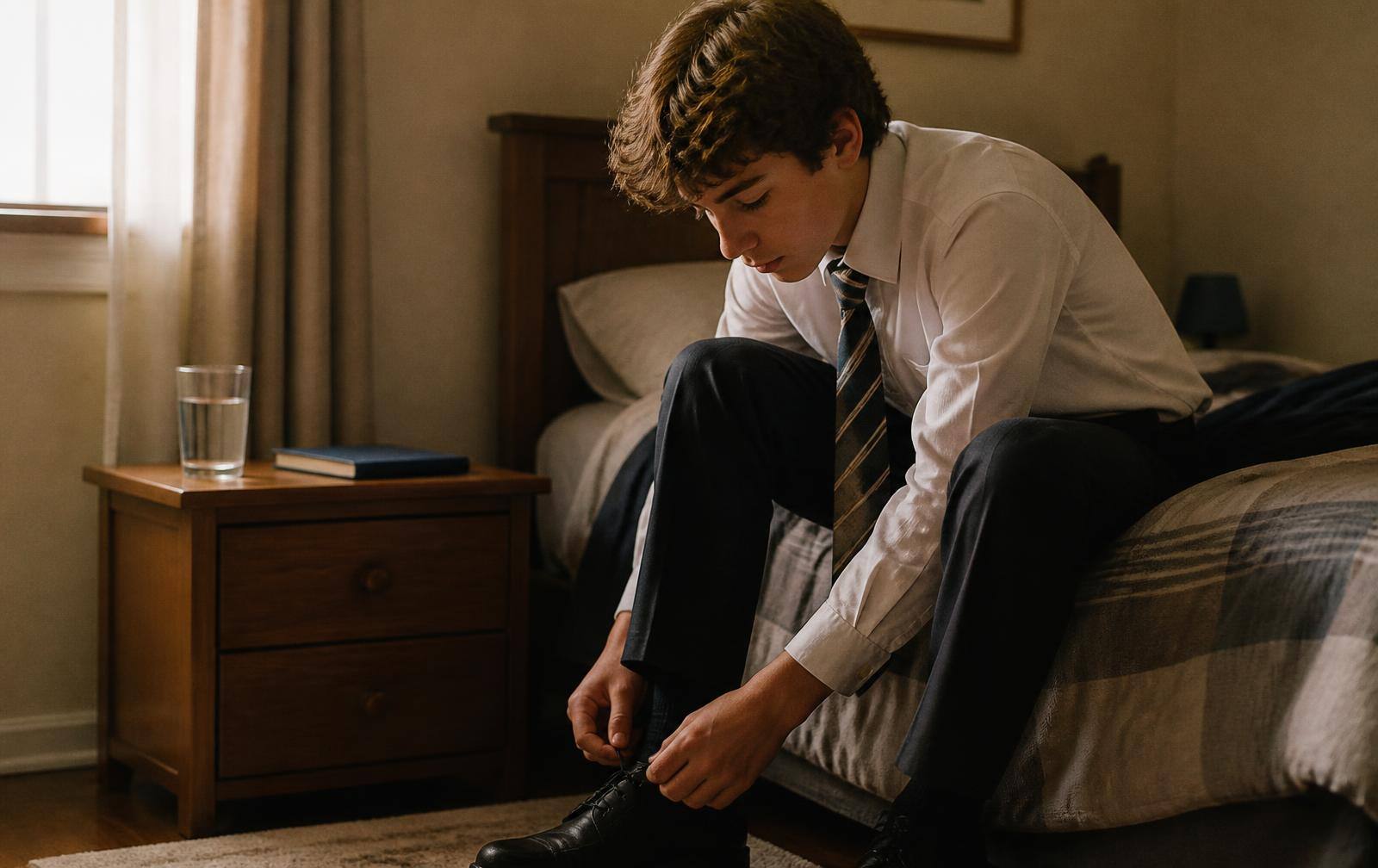
Shoes, coats, teeth, bags. The school run asks a developing brain to sequence more decisions before nine o'clock than most adults make before lunch — and it is almost never about defiance.
Read
The backlash is not evidence that warmth failed. It is evidence that a generation of parents was sold the warmth and never given the boundaries — or the rest.
Read
Parental burnout is not a character flaw or a scheduling problem. It is what happens when the demands stay high for long enough that the recovery never arrives.
Read
Climate, conflict, headlines they were never meant to see. Children are absorbing global fear at an age when the world should still feel small — and reassurance alone will not hold it.
Read
Children cannot regulate themselves in a room where no one else is regulated. Co-regulation is the whole mechanism — and it is quieter than it sounds.
Read
Children do not grow up in a set of parenting techniques. They grow up in a weather system — and the weather is largely made by the adults.
Read
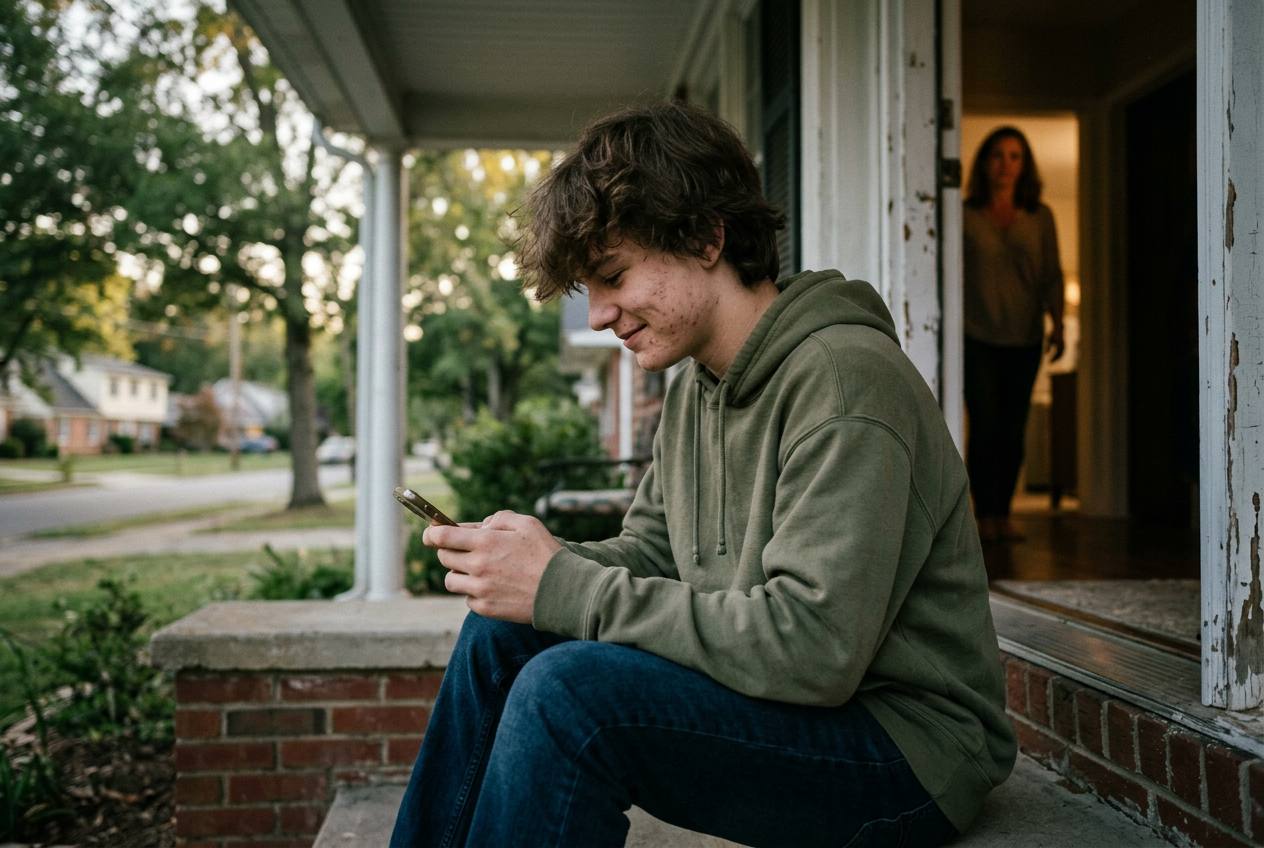
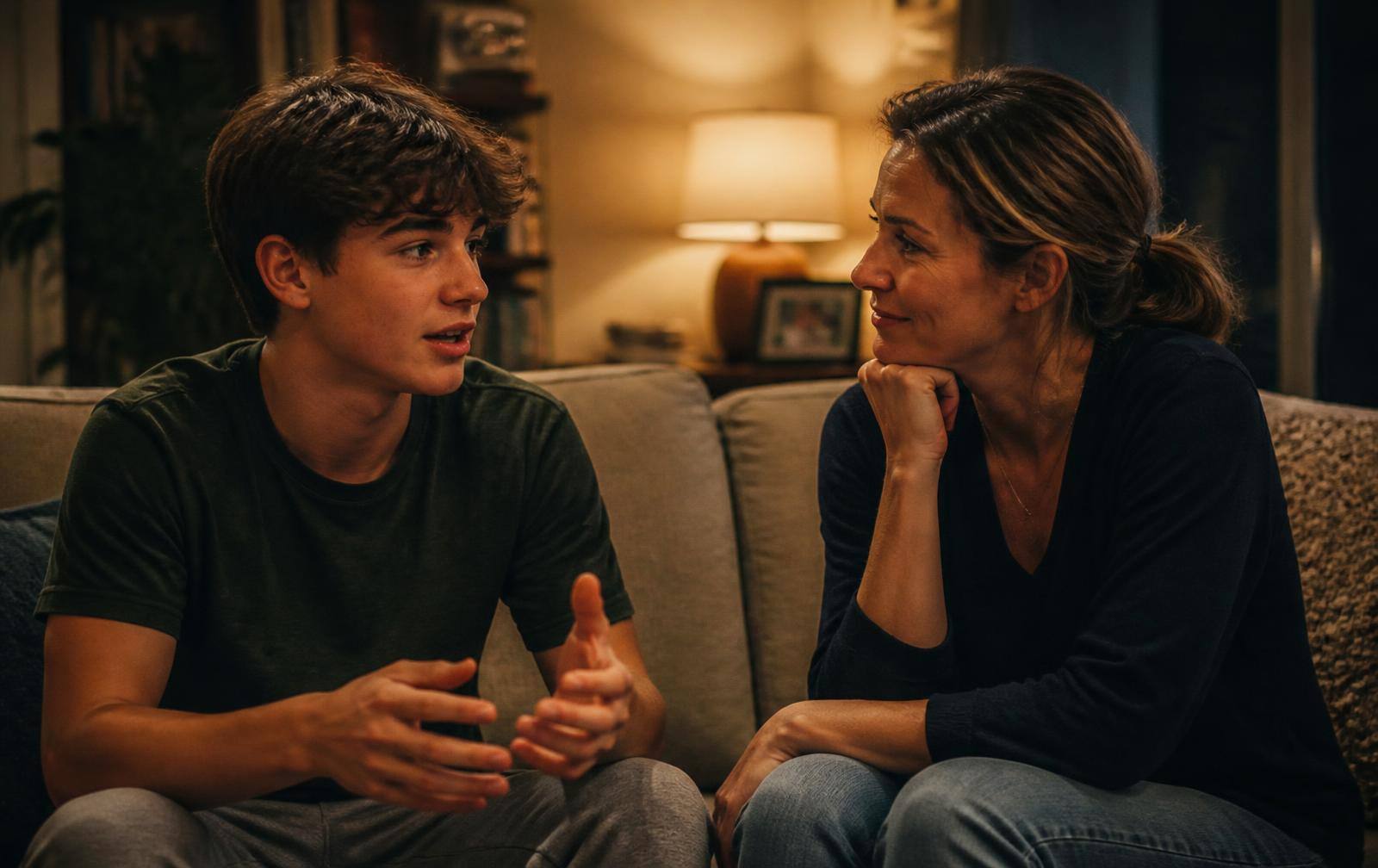
Silence at fifteen is rarely rejection. It is a developmental task, a bid for privacy, and sometimes a signal — and it responds to presence far better than to questions.
Read
Almost every difficulty a family brings to therapy is worse on four hours' sleep. Bedtime is not a discipline issue — it is a physiological sequence, and sequences can be rebuilt.
ReadFor parents who want calmer mornings, kinder conversations, and a little more confidence. No promotions, no noise — just insight that fits real life.
Thank you — your first letter arrives on Sunday.