What Sibling Rivalry Is Really About
It is not the toy. It is not the seat. It is the question of whether there is enough love, attention, and room for them both.
Reviewed by Sian Trombley, CCCFounder, Thrive Family Company
10 min read
Best for parents of children who are…
- clashing with a brother or sister
- needing closeness and reassurance to feel safe
- needing extra emotional support at the moment

Share this
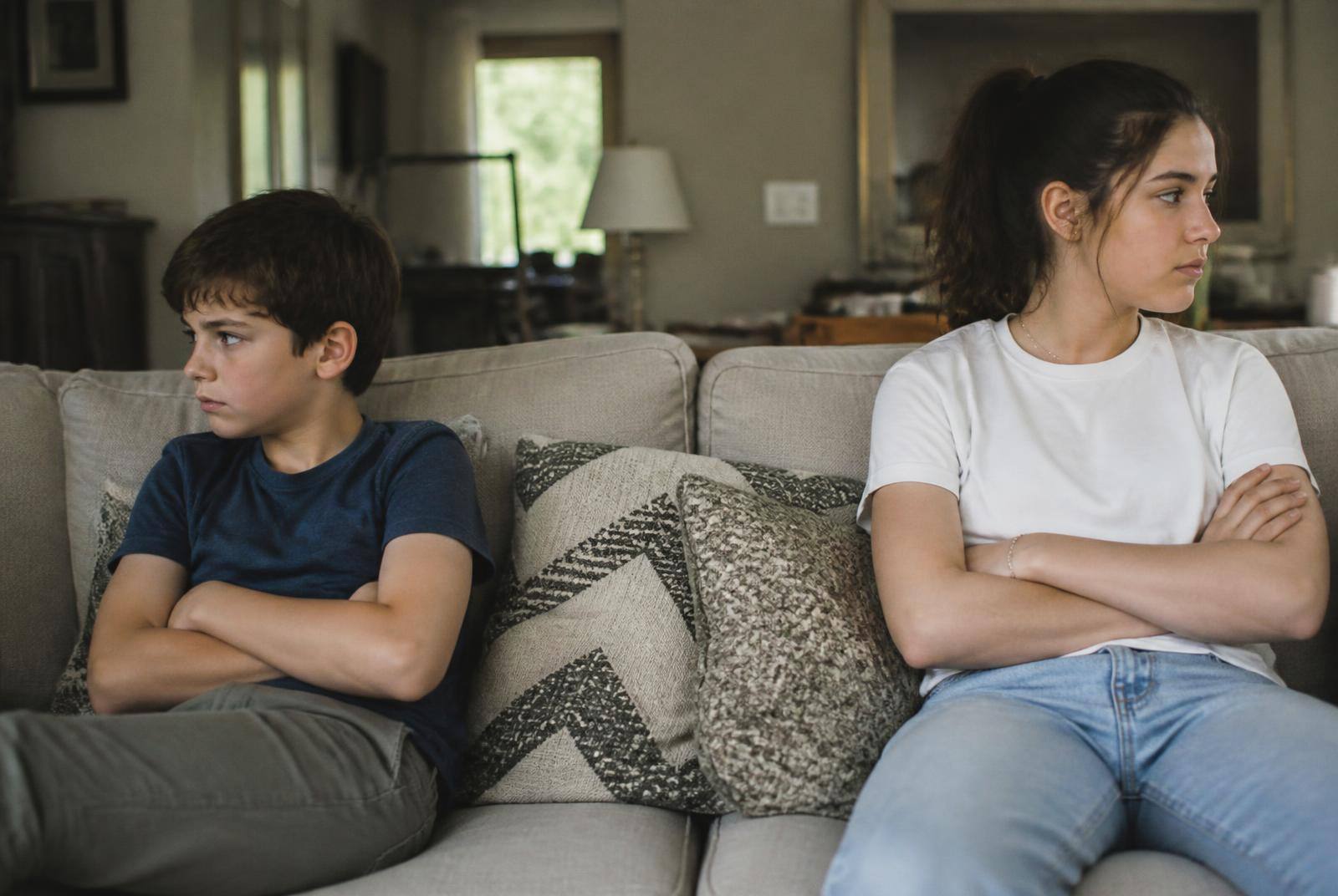
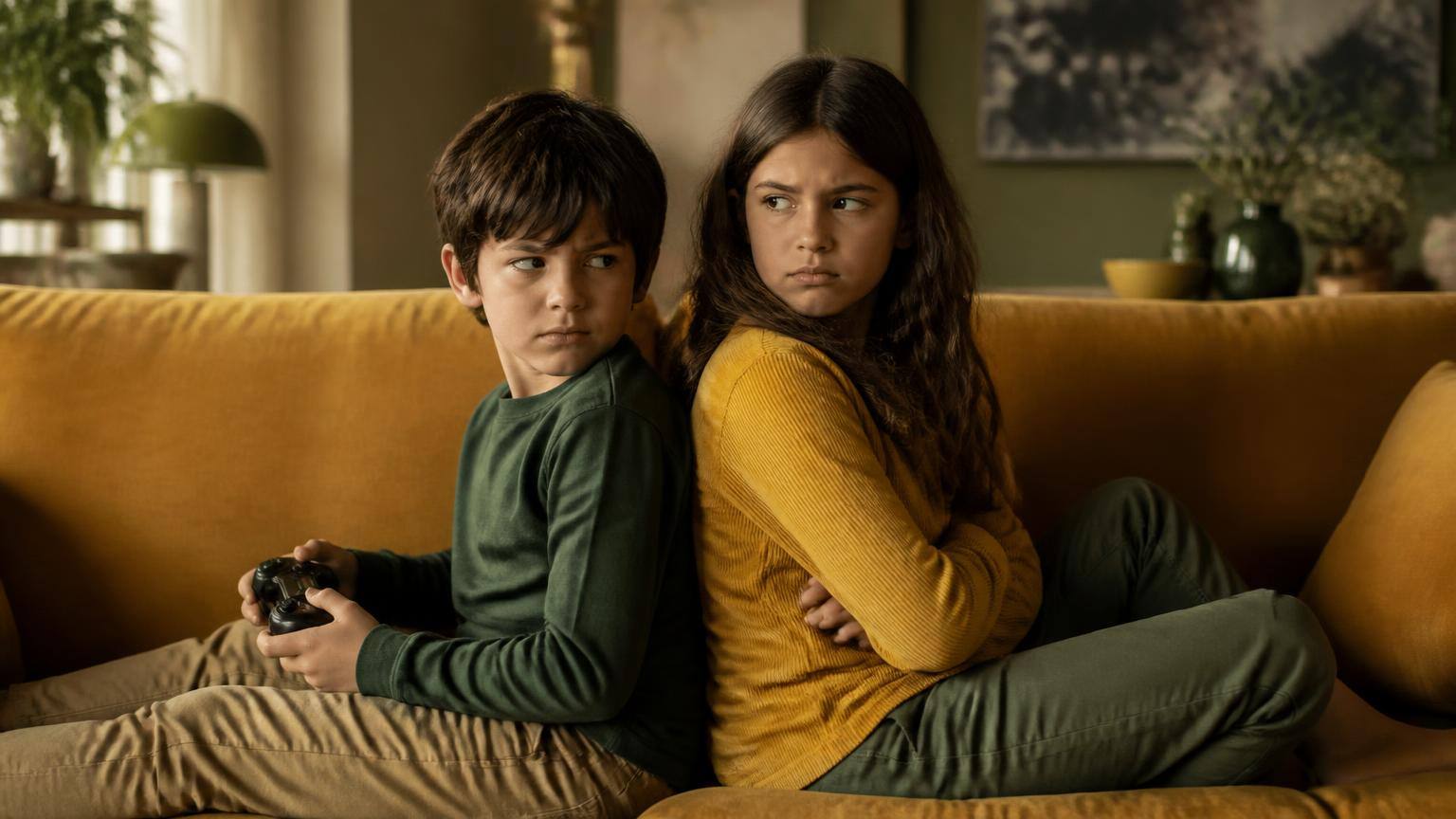
The fight erupts over the red cup. Or the front seat. Or who looked at whom first. But if you listen underneath, you will usually hear something else: 'Do you see me? Do I still matter? Is there enough for me?' Sibling rivalry is not really about the thing. It is about the fear of not being enough.
Sibling conflict is one of the most emotionally exhausting parts of parenting. It happens in your home, it is loud, and it feels like a referendum on whether you are raising kind children. But most rivalry is a normal expression of a deeper need for security and recognition. The goal is not to eliminate it. The goal is to make it less necessary.
What is actually being fought over
Children are exquisitely sensitive to attention and position. When a new sibling arrives, the older child's world is rearranged. But even long after the baby phase, the question remains: am I still special to you? Siblings compete for the resources that feel scarce: love, attention, approval, autonomy, and physical space.
Why fairness does not work the way we think
Parents often try to keep things equal. Same presents, same time, same treatment. But equality is not the same as feeling loved. Children do not need identical treatment. They need attuned treatment. One child may need more closeness. Another may need more independence. The child who gets exactly what they need feels favoured, not shortchanged.
“Children do not remember equality. They remember being known.”
Sian Trombley
The roles that keep rivalry alive
Families often assign roles, sometimes without meaning to. The responsible one. The wild one. The quiet one. The drama queen. Roles are efficient. They become identities. And once a child believes they are the troublemaker, they will behave in ways that confirm it. Siblings then form their own rival roles around that script.
- 01Notice the labels
Pay attention to the roles you or others describe. 'He is the easy one.' 'She is the handful.' These become self-fulfilling.
- 02Interrupt the script
When a child is cast in a role, name a different possibility. 'You are not just the loud one. You are also the one who sticks up for people.'
- 03Separate behaviour from identity
'You did a difficult thing' is different from 'You are difficult.' Keep the behaviour specific and the identity open.
What to do in the moment
When a fight breaks out, your first job is safety. Your second job is neutrality. Taking sides usually increases the conflict because it proves one child's fear: that the other is favoured. Describing the problem without judgment, separating the children briefly, and then helping them find a repair is usually more effective than deciding who is right.
Building the relationship, not just managing the conflict
The most powerful sibling work happens outside the fights. Shared fun, family rituals, one-on-one time with each child, and a family culture that values cooperation over competition all reduce the emotional temperature. When children feel secure in their own place, they do not need to defend it so fiercely.
Sibling rivalry is not about fairness. It is a question, asked repeatedly: is there enough of you for me?
Sian Trombley, Canadian Certified Counsellor
What you can try this week
Spend one-on-one time with each child
Even ten minutes of child-led attention reduces the sense of competition. Quality matters more than quantity.
Name what each child brings
Use specific, non-comparative praise: 'You are the one who notices when someone is sad.' 'You are the one who makes us laugh.'
Describe the conflict without taking sides
'You both wanted the same thing. That is frustrating. I will help you find a way.' Neutrality reduces the win-lose dynamic.
- Sibling rivalry is usually about security, not the object they are fighting over.
- Fairness does not mean equal treatment; it means each child feels seen.
- Children fight less when they are not competing for your attention.
- Roles like 'the good one' and 'the troublemaker' increase rivalry.
- The repair after conflict matters more than stopping every squabble.
Do my children each feel uniquely seen by me?
What labels might I be using that keep them in rivalry roles?
How do I respond when one child is struggling, and how does the other child read that response?
Printable resources
Recommended Thrive courses
This article is educational and is not a substitute for individual clinical advice. Comments are closed so the Journal stays a calm place to read.
Share this
Keep going
You may also like
Courses, worksheets and pathways from the same part of the library.
- CollectionFamily RelationshipsEverything Thrive publishes on family relationships — articles, courses, worksheets and research.Read
- CollectionTransitionsEverything Thrive publishes on transitions — articles, courses, worksheets and research.Read
- Learning PathwaySupporting Your LGBTQ+ ChildA guided Learning Pathway from Thrive Family Company.Read
- Learning PathwayAnxiety & WorryA guided Learning Pathway from Thrive Family Company.Read
- ResearchThe Research LibraryPeer-reviewed parenting and child mental health research, translated into plain language.Read
- Thrive GuideThrive GuideAsk a question and get warm, evidence-informed guidance drawn from the Thrive library.Read