Course
Positive Parenting: Foundations
The comprehensive start-here course — warmth with structure, limits that hold, power struggles, consequences that teach, sibling life and repair.
Purchase

Siblings, fairness, conflict and repair — the relationships inside a household and the small practices that keep them warm.
Start here“Families do not run on getting it right; they run on repair. Children are not harmed by an imperfect parent—they are shaped by whether the rupture gets mended afterwards. Sibling conflict is not a sign of failure either; it is the daily rehearsal for loving people you cannot escape. Connection is built in ordinary minutes, in the small returns to each other after a hard day.”
A narrated introduction — why families run on repair rather than perfection, how connection is built in ordinary minutes, and why sibling conflict is practice for loving people.
Narrated · 57 sec
One thing to understand, one way to learn it properly, one thing to try this week.
It can feel natural to want to tell someone — a grandparent, a close friend, a teacher who might need context. But disclosing your child's identity without their permission, even with the best intentions, takes away something that matters enormously: their ability to decide when, how, and to whom their own story gets told.
The comprehensive start-here course — your family as a system, connection in ordinary moments, conflict without damage, siblings, parenting together and apart, repair, boundaries with extended family, and shared values.
Siblings, co-parenting, grandparents and repair — the resources for the relationships inside the house rather than the behaviour on top of them.

A comprehensive introduction to the relationships inside a home — connection, conflict, repair and the quiet habits that hold a family together.
8 modules · $99 · Available now
A structured journey through family relationships — built to be taken in order, or started wherever you are today.
The comprehensive start-here course — your family as a system, connection in ordinary moments, conflict without damage, siblings, parenting together and apart, repair, boundaries with extended family, and shared values.
The foundation of every other skill.
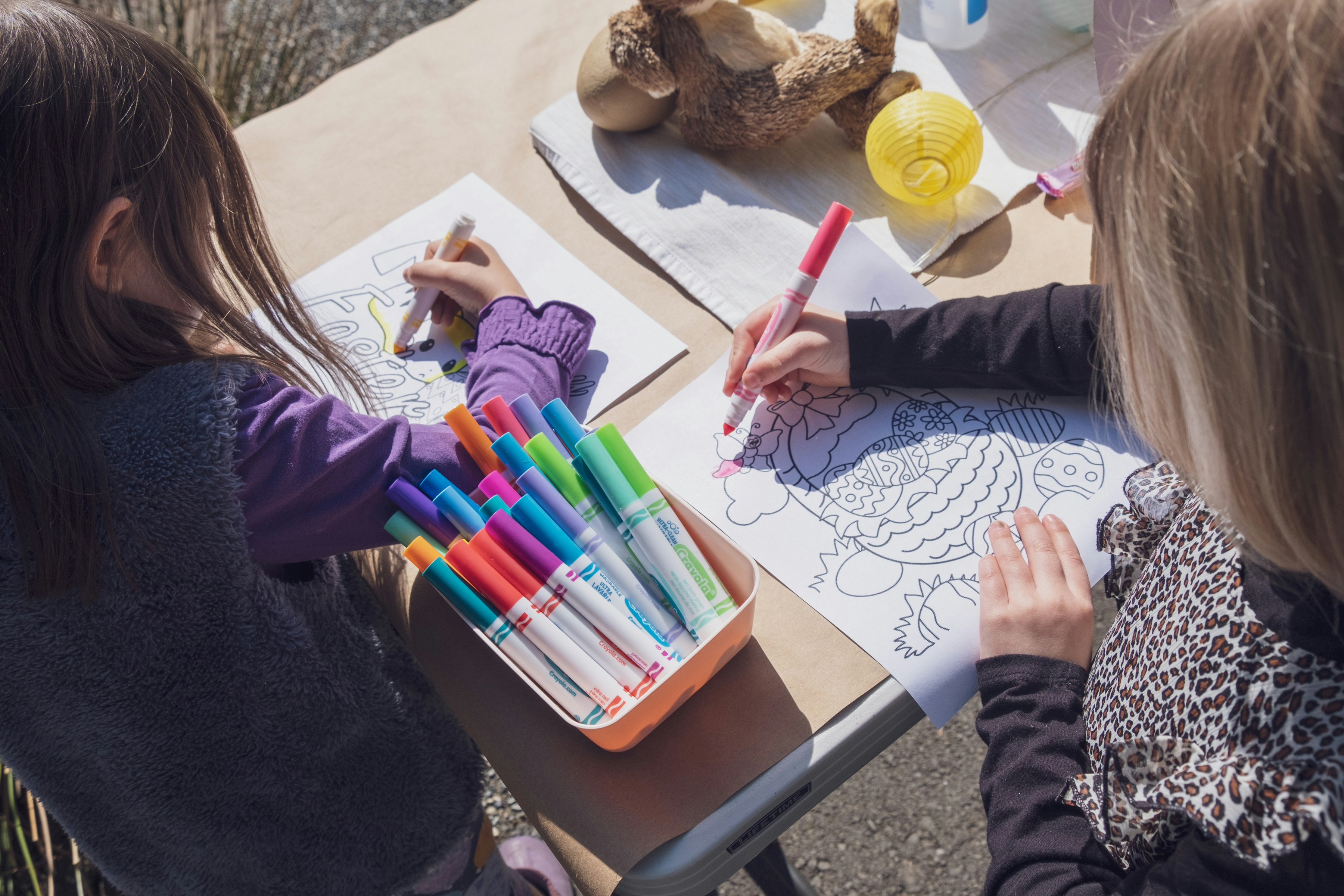
From referee to coach.

Steady kids through big transitions.
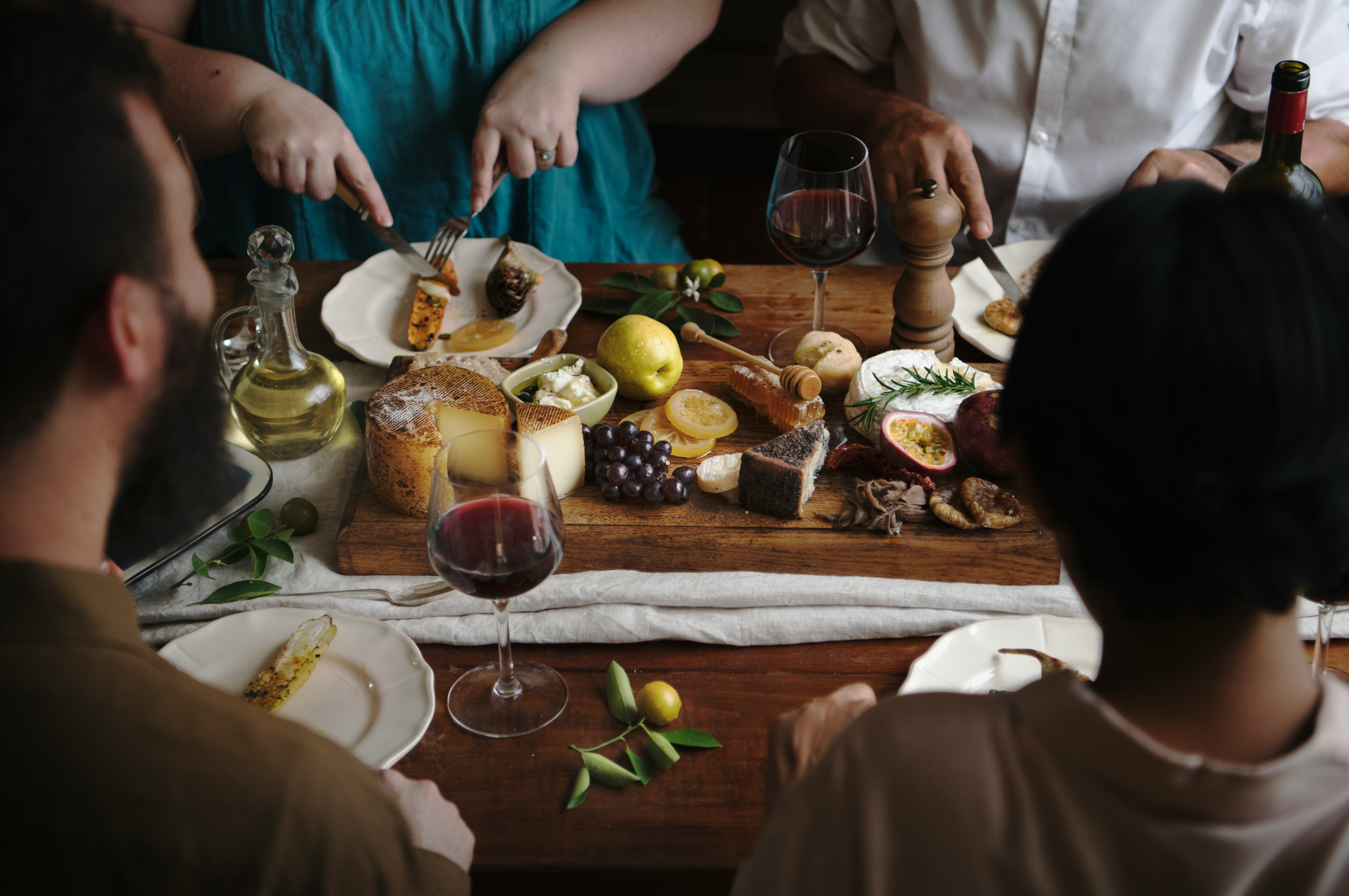
Building trust across households.

Everyday conversations that build closeness.

A rhythm for connection and repair.
Six Focused Course Bundle — every focused course in Family Relationships, $199.
Complete Pathway — Foundations plus every course in Family Relationships, $249.
The comprehensive start-here course — warmth with structure, limits that hold, power struggles, consequences that teach, sibling life and repair.
Counting hours is the least useful thing you can do about screens. Here is what to count instead.
This reflection invites you to consider how your child navigates the sensory and social landscape of preparing and sharing food. It explores the subtle shifts from being a passive consumer to an active, capable participant in your household rhythms.
For families whose weekends either vanish into admin and activities or dissolve into screens and low-level bickering.
Siblings, co-parenting, grandparents and repair — the resources for the relationships inside the house rather than the behaviour on top of them.
The comprehensive start-here course — your family as a system, connection in ordinary moments, conflict without damage, siblings, parenting together and apart, repair, boundaries with extended family, and shared values.
It can feel natural to want to tell someone — a grandparent, a close friend, a teacher who might need context. But disclosing your child's identity without their permission, even with the best intentions, takes away something that matters enormously: their ability to decide when, how, and to whom their own story gets told.
The comprehensive start-here course — warmth with structure, limits that hold, power struggles, consequences that teach, sibling life and repair.
Counting hours is the least useful thing you can do about screens. Here is what to count instead.
By the third reminder, it stops being about cleanliness and starts being about control. Nobody wins that argument twice in a row.
Most parents are trying to end sibling conflict. The more useful goal is to change what happens inside it — because this is the relationship where children learn repair.
A raised voice on the phone. A sharp word about the other parent muttered under someone's breath. Children do not experience these moments the way adults assume — as background noise they'll forget by dinner. They absorb them, interpret them, often blame themselves for causing them, and quietly adjust their own behaviour to manage them. This piece looks at what actually happens for a child metabolising a parent's anger during separation, and how genuine repair is built afterward.
Sibling rivalry is not a behaviour problem to eliminate. It is a relationship under stress, usually asking for one thing: assurance that each child is seen and loved as they are.
You can make a child say the word. You cannot make the word mean anything — and that is the part you actually wanted.
Financial strain affects family life, but silence and overheard fragments can make it feel more frightening to children. You can explain what is changing without sharing adult burdens, respond to disappointment without shame, and build security through steady routines, honest language and warm connection.
You do not need to agree on everything. You need to stop contradicting each other in front of the person you are both trying to raise.
This reflection invites you to consider how your child navigates the sensory and social landscape of preparing and sharing food. It explores the subtle shifts from being a passive consumer to an active, capable participant in your household rhythms.
This reflection offers a lens onto the invisible currents that shape how your children coexist, from shared loyalties to the friction of proximity. It considers the natural ebb and flow of their bond and how your presence influences their private ecosystem.
For families whose weekends either vanish into admin and activities or dissolve into screens and low-level bickering.
You cannot require siblings to become best friends, but you can create the conditions in which affection, trust, and companionship are more likely to grow.
Move from family referee to conflict coach with a five-step process children can gradually learn to use themselves.
Judging sibling arguments is the fastest way to guarantee more of them.
Mornings, homework, transitions, bedtime — the ordinary hours where this work is really done.
For chores, household contributions and the quiet resentment that builds when the load is uneven.
Thrive Guide can help you find the courses, tools and resources that fit what your family is navigating right now.