Tool
Big Emotions & Regulation
Books, tools and apps that actually help a child come back down — chosen by a therapist who uses them in session, not scraped from a bestseller list.
Member
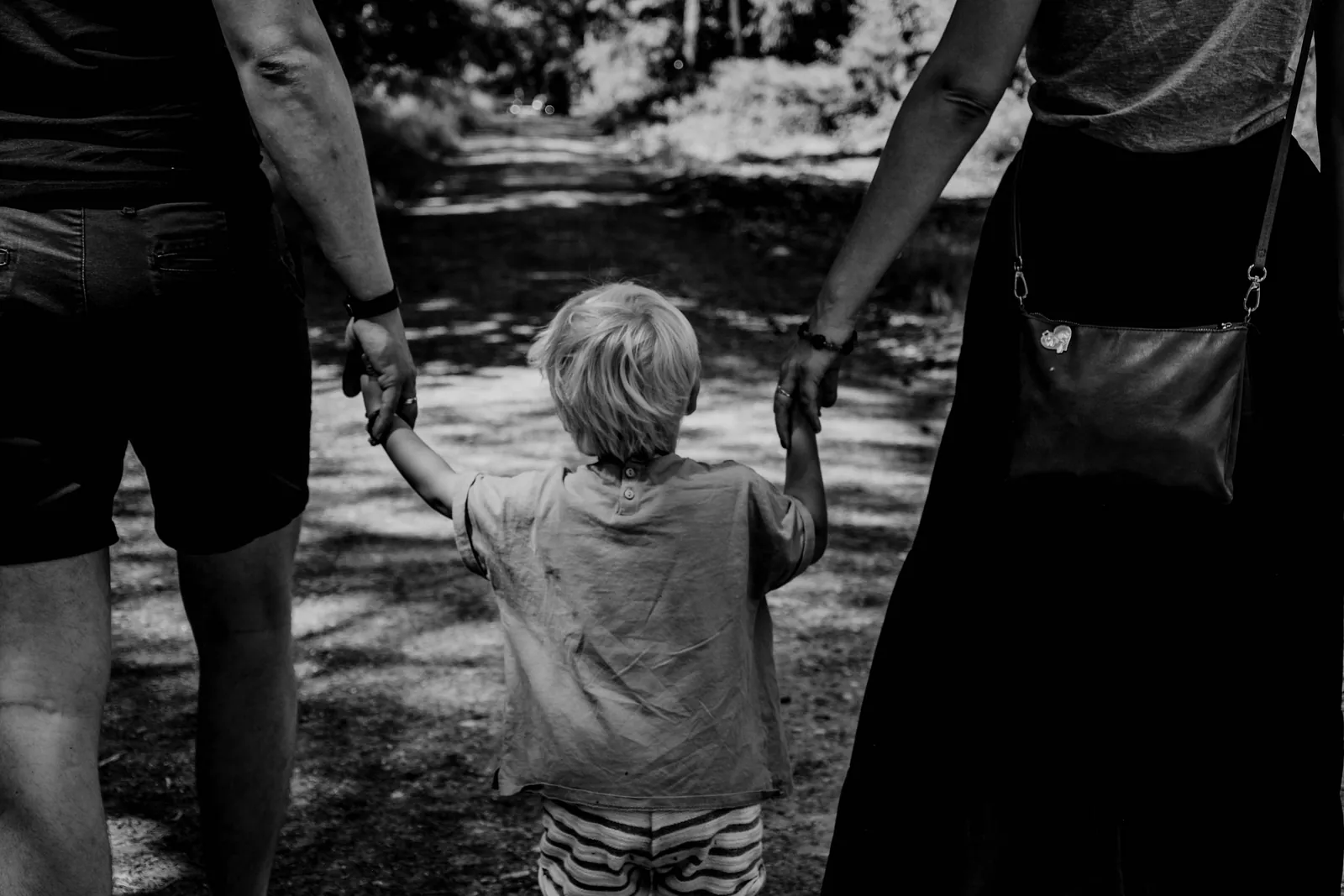
Boundaries that hold without shouting. Connection-first strategies for cooperation, consequences, repair and the ordinary friction of family life.
Start here“Connection is not the reward we hand out once behaviour improves—it is the condition that makes better behaviour possible. Most of the hard moments at home are not defiance; they are a child who is tired, flooded, or out of skill in that instant. Warmth and clear limits are not opposites: children settle fastest with an adult who is kind and unmistakably in charge. The teaching happens in the ordinary repairs, not the big consequences.”
A narrated introduction — why connection comes before correction, how warmth and clear limits work together rather than against each other, and how everyday moments become the real teaching.
Narrated · 1 min 39 sec
One thing to understand, one way to learn it properly, one thing to try this week.
You are not a shouty parent. You are an under-resourced one, and that is a different problem with a different solution.
The comprehensive start-here course — warmth with structure, limits that hold, power struggles, consequences that teach, sibling life and repair.
This reflection invites you to observe the quiet rhythms beneath the digital habits within your home. It helps clarify whether devices are serving your family's connection or acting as a silent barrier to it.

A complete grounding in connection-first parenting — warm relationships and clear limits that still teach, without punishment or permissiveness.
8 modules · $99 · Available now
A structured journey through positive parenting — built to be taken in order, or started wherever you are today.

The comprehensive start-here course — warmth with structure, limits that hold, power struggles, consequences that teach, sibling life and repair.
Warm, firm, and effective — start here.

Guide, don't break, a spirited child.

Limits that hold without harshness.

Real learning, not punishment.

The five most common traps — and exits.

Reach the child before the behaviour.
Six Focused Course Bundle — every focused course in Positive Parenting, $199.
Complete Pathway — Foundations plus every course in Positive Parenting, $249.
Books, tools and apps that actually help a child come back down — chosen by a therapist who uses them in session, not scraped from a bestseller list.
Every instruction becomes a negotiation. Every negotiation becomes a war. There is a reason — and it is not that your child has decided to make your life difficult.
Choose a single question with somewhere to go, and let the conversation take its own route.
This reflection invites you to observe the quiet rhythms beneath the digital habits within your home. It helps clarify whether devices are serving your family's connection or acting as a silent barrier to it.
Books, tools and apps that actually help a child come back down — chosen by a therapist who uses them in session, not scraped from a bestseller list.
You are not a shouty parent. You are an under-resourced one, and that is a different problem with a different solution.
Therapist-picked books, games, and tools to help kids and teens read social cues, make friends, and handle conflict.
Every instruction becomes a negotiation. Every negotiation becomes a war. There is a reason — and it is not that your child has decided to make your life difficult.
Most of what parents are taught about big emotions happens too late. The window that matters most opens in the first three minutes — and what you do there decides how the next hour goes.
A raised voice on the phone. A sharp word about the other parent muttered under someone's breath. Children do not experience these moments the way adults assume — as background noise they'll forget by dinner. They absorb them, interpret them, often blame themselves for causing them, and quietly adjust their own behaviour to manage them. This piece looks at what actually happens for a child metabolising a parent's anger during separation, and how genuine repair is built afterward.
You have asked four times. Your voice is rising. Nothing is moving. Here is what is actually happening inside a child who has stopped hearing you — and the small changes that make listening possible again.
A hand goes up faster than a sentence forms. That gap — between feeling and language — is where hitting lives, and it is exactly where the work belongs.
Children say the worst thing they know to the safest person they have. That is the whole mechanism.
This reflection examines the quiet influence of technology on your household rhythms and the quality of your shared attention. It invites an honest look at how screens serve or subtract from your family values.
This reflection invites you to observe the subtle threads that weave your daily lives together. We consider the quality of shared presence and the small, reliable rituals that foster a sense of belonging for your child.
This reflection invites you to look past the daily chores to the underlying beliefs that shape your decisions. You will notice how your personal history and current hopes blend to form the unique atmosphere of your family life.
This reflection offers a structured way to observe how your child filters the sounds, textures, and movements of their daily life. You will begin to identify which environments nourish their nervous system and which ones inadvertently cause them to retreat.
You cannot teach a skill to a child who is already shouting. Everything that works is taught long before the moment it is needed.
A child in the middle of healing from a hard experience often looks, from the outside, no better and sometimes worse. Behaviour is usually the last domain to change — capacity, regulation and trust shift first, quietly, long before conduct catches up.
Before a child can calm themselves, they have to borrow calm from someone else — hundreds of times. This is how that transaction actually works, and what to do when your own reserves are empty.
Mornings, homework, transitions, bedtime — the ordinary hours where this work is really done.
This reflection examines the quiet influence of technology on your household rhythms and the quality of your shared attention. It invites an honest look at how screens serve or subtract from your family values.
Thrive Guide can help you find the courses, tools and resources that fit what your family is navigating right now.