When Your Child Says "I Hate You"
It is one of the most frightening sentences in family life, and one of the least meaningful. What matters is not the sentence — it is the ninety seconds that follow it.
Reviewed by Sian Trombley, CCCFounder, Thrive Family Company
7 min read
Best for parents of children who are…
- having big feelings that arrive faster than words
- going from calm to overwhelmed very quickly
- needing extra emotional support at the moment

Share this
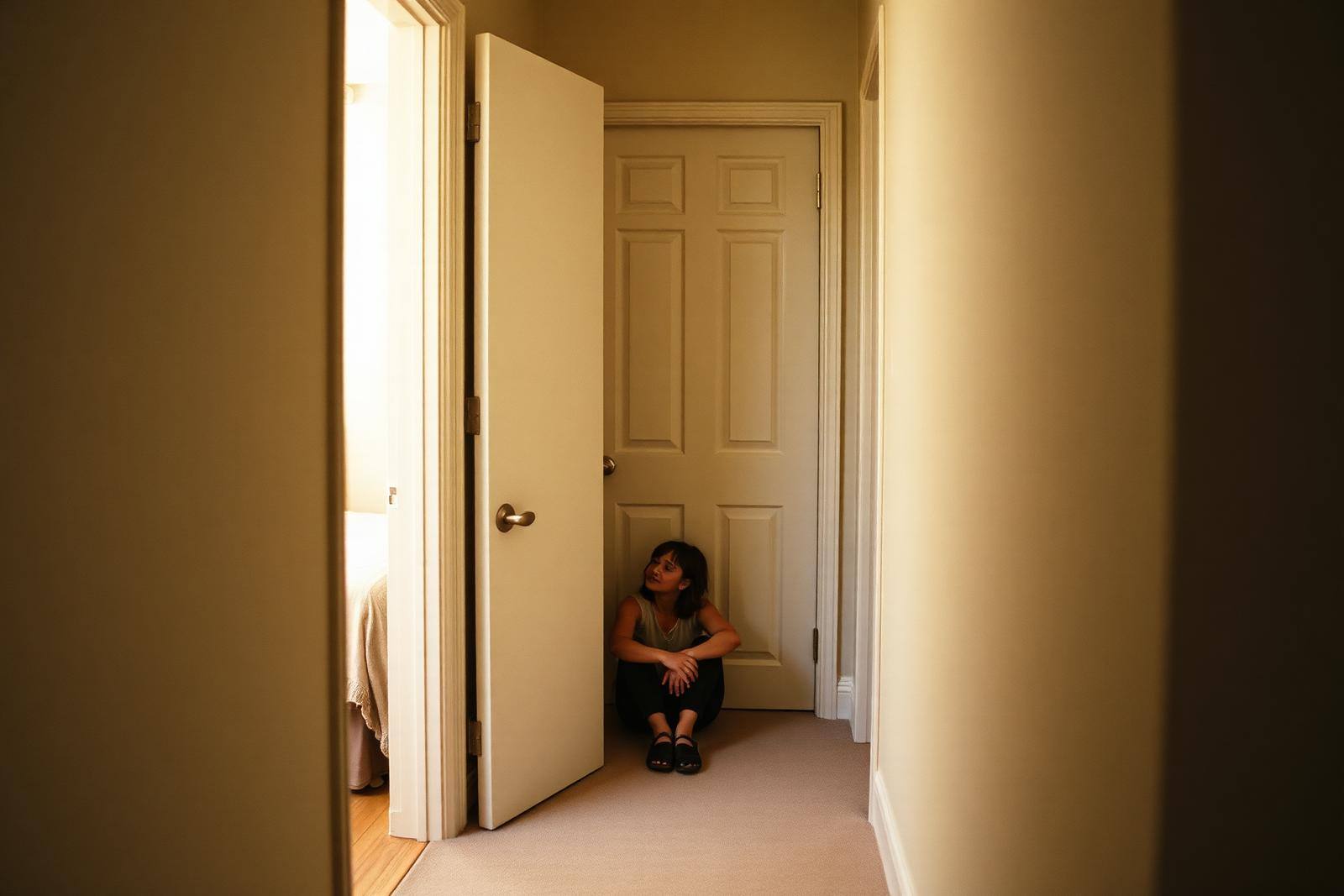
The door goes. The sentence arrives from somewhere upstairs, and it is delivered with genuine force. And even though you know, in the reasonable part of your mind, that this is a nine-year-old who has been told there is no more screen time — something in you goes very cold.
Almost every parent has stood in that hallway. What follows next is one of the more consequential ninety seconds of family life, and it is almost entirely within your control.
What the sentence actually is
- 01The largest available word
A child in distress reaches for the strongest thing in their vocabulary. "Hate" is usually just the loudest word they own.
- 02A test of the floor
They are checking whether the boundary is real and whether you are still there. Both answers need to be yes.
- 03Evidence of safety
Children do not say this to people they are frightened of. It is aimed at the person they trust most to stay.
- 04A regulation failure
Flooded brains have reduced access to language, perspective and impulse control. The sentence is a symptom, not a position.
What to say in the moment
“Children hand their worst feelings to the person they are surest of. It is a terrible compliment, but it is a compliment.”
Sian Trombley
What to do afterwards
- Go back first. You are the adult; waiting for an apology costs you the teaching moment.
- Name the feeling, not the crime: "you were furious" rather than "you were rude".
- Address the language once, calmly, hours later — and offer a replacement phrase they can actually use.
- Check the conditions: hunger, sleep, screen transitions, the school day behind it.
- Tell them, plainly, that nothing they say in a storm changes your position on them.
When to seek help
Speak to your GP or a child therapist if rage episodes are frequent and prolonged, if they involve harm to people or property, if your child seems frightened of their own anger, or if there is no warmth between episodes. Explosive anger in children is highly treatable, and support usually helps quickly.
'I hate you' is almost never information about love. It is information about how big the feeling got.
Sian Trombley, Canadian Certified Counsellor
What you can try this week
Prepare your one line
Decide now what you will say, so you are not composing it while wounded. "I can hear how angry you are. I'm not going anywhere." That is enough.
Stay in the corridor
Do not leave the house or the floor. Physical steadiness communicates more than any sentence you could construct.
Return within the hour
"That was a big feeling. Want to tell me what it was about, or shall we just make toast?" Repair does not require a confession.
- "I hate you" is usually a measure of distress, not of the relationship.
- It is directed at the safest adult available — that is the compliment inside the insult.
- Do not defend yourself, punish the words, or withdraw the boundary.
- Regulate first; discuss language much later, when calm.
- One steady repair is worth more than any consequence you could impose.
What did I hear in that sentence that belongs to my own history?
Does the boundary that triggered it still make sense to me when I am calm?
How do I want them to remember the way this ended?
Printable resources
Recommended Thrive courses
This article is educational and is not a substitute for individual clinical advice. Comments are closed so the Journal stays a calm place to read.
Share this
Keep going
You may also like
Courses, worksheets and pathways from the same part of the library.
- JournalThe Ones Who Go Still: When a Child Freezes Instead of Melting DownCoat in hand, shoes half on, completely motionless in the hallway. You have asked three times. It looks like stubbornness. It is not.Read
- JournalThe Child Who Holds It Together All Day and Falls Apart at 3:30The meltdown at pickup is not a report card on your parenting. It is evidence that home is the one place your child feels safe enough to stop performing.Read
- ResearchThe Research LibraryPeer-reviewed parenting and child mental health research, translated into plain language.Read
- Thrive GuideThrive GuideAsk a question and get warm, evidence-informed guidance drawn from the Thrive library.Read
- Thrive Care PlanThrive Care PlanA short check-in that turns how your week actually went into one focused plan.Read
- Thrive ToolThrive ToolsPremium printable workbooks and therapeutic tool kits.Read