Skip to content
← The Thrive JournalCollection

Emotional Regulation

The skill underneath everything

Naming, noticing and settling feelings — the practice that quietly improves sleep, school and friendship.

The archive

More in Emotional Regulation

A quiet child's bedroom corner with a folded blanket and a single pressed leaf on the windowsill
Grief

Small Griefs: Helping Children Carry Loss and Change

Children do not grieve in a straight line, and they rarely grieve when we are ready. What they need is not the perfect explanation, but somewhere reliable to bring it.

Read
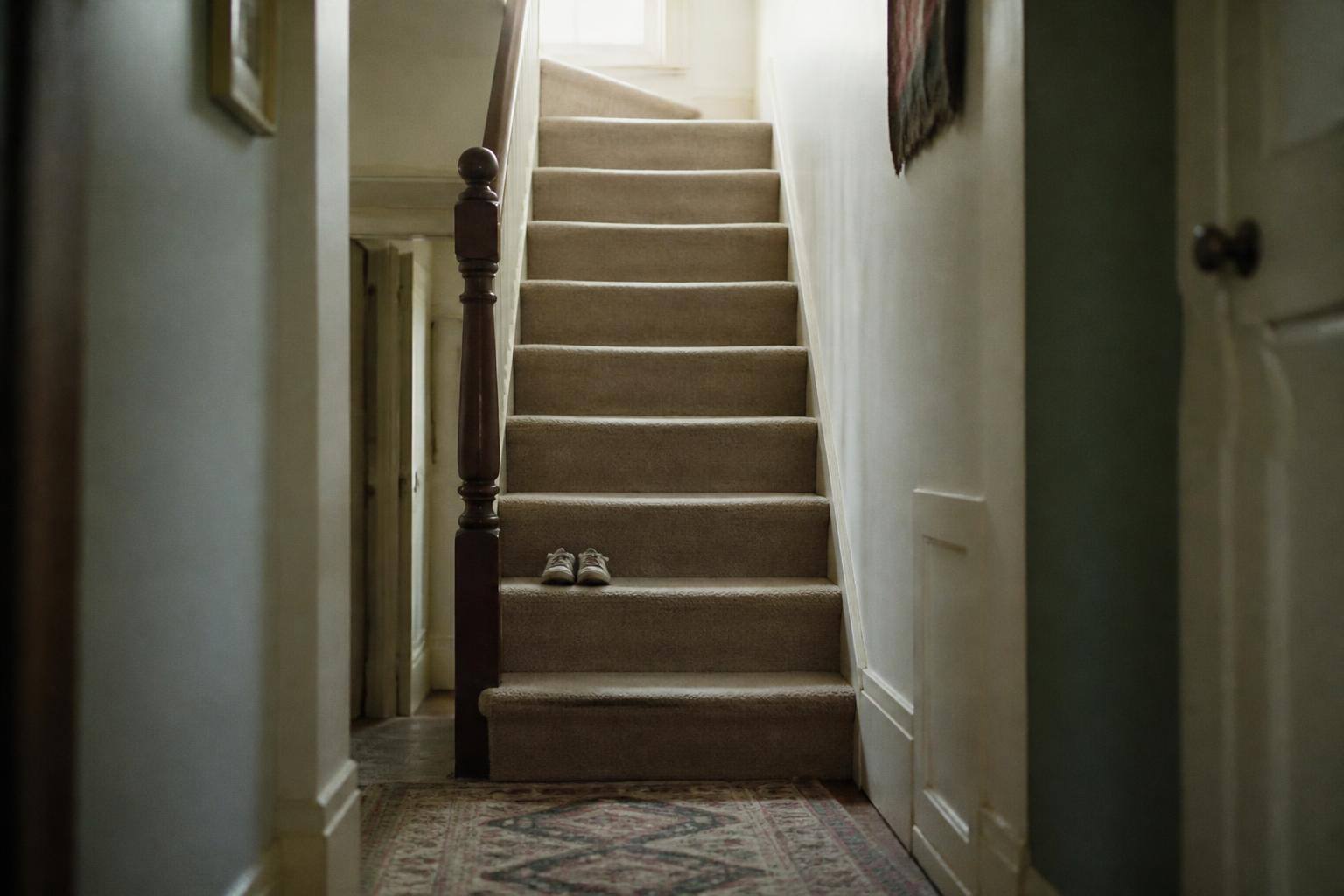
Two pairs of children's shoes at the foot of a wooden staircase in morning light
Sibling Relationships

The Sibling Storm: What Children Learn Inside Everyday Conflict

Siblings do not fight because something has gone wrong with your family. They fight because you have given them the one relationship they cannot leave — and that is where the real learning happens.

Read
A cold cup of tea beside folded laundry and a handwritten list in evening light
Parental Burnout

When the Parent Runs Out: Recovering From Burnout

Parental burnout is not a character flaw or a scheduling problem. It is what happens when the demands stay high for long enough that the recovery never arrives.

Read
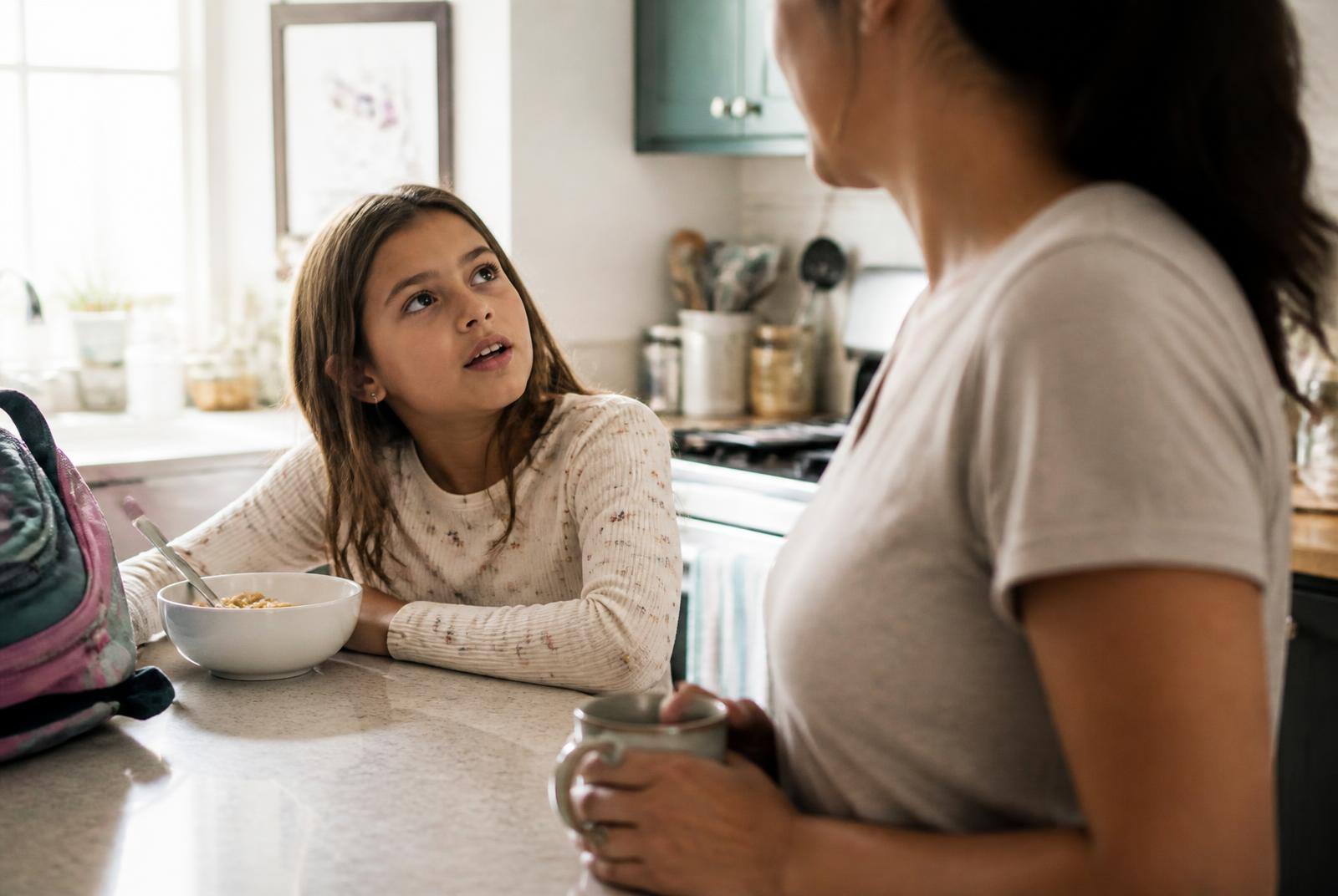
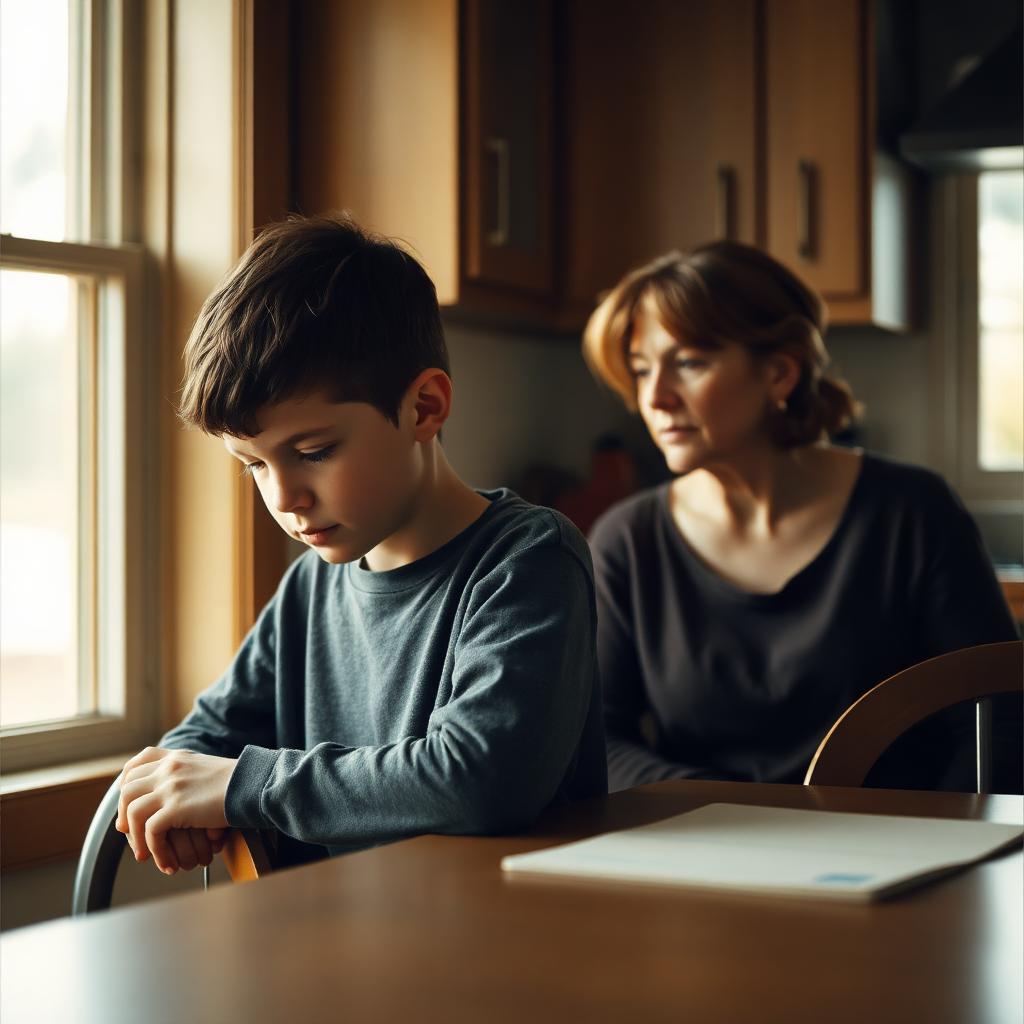
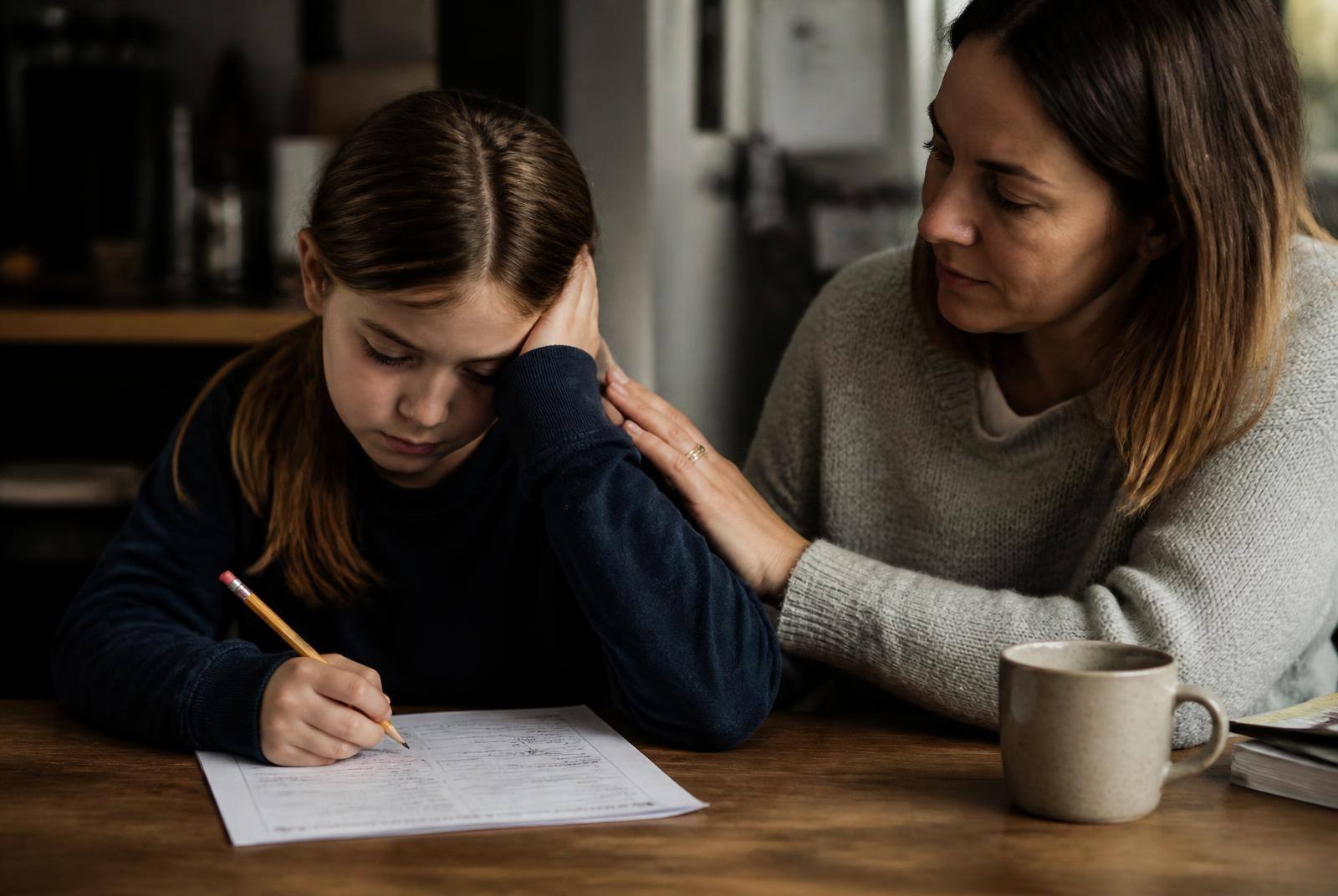
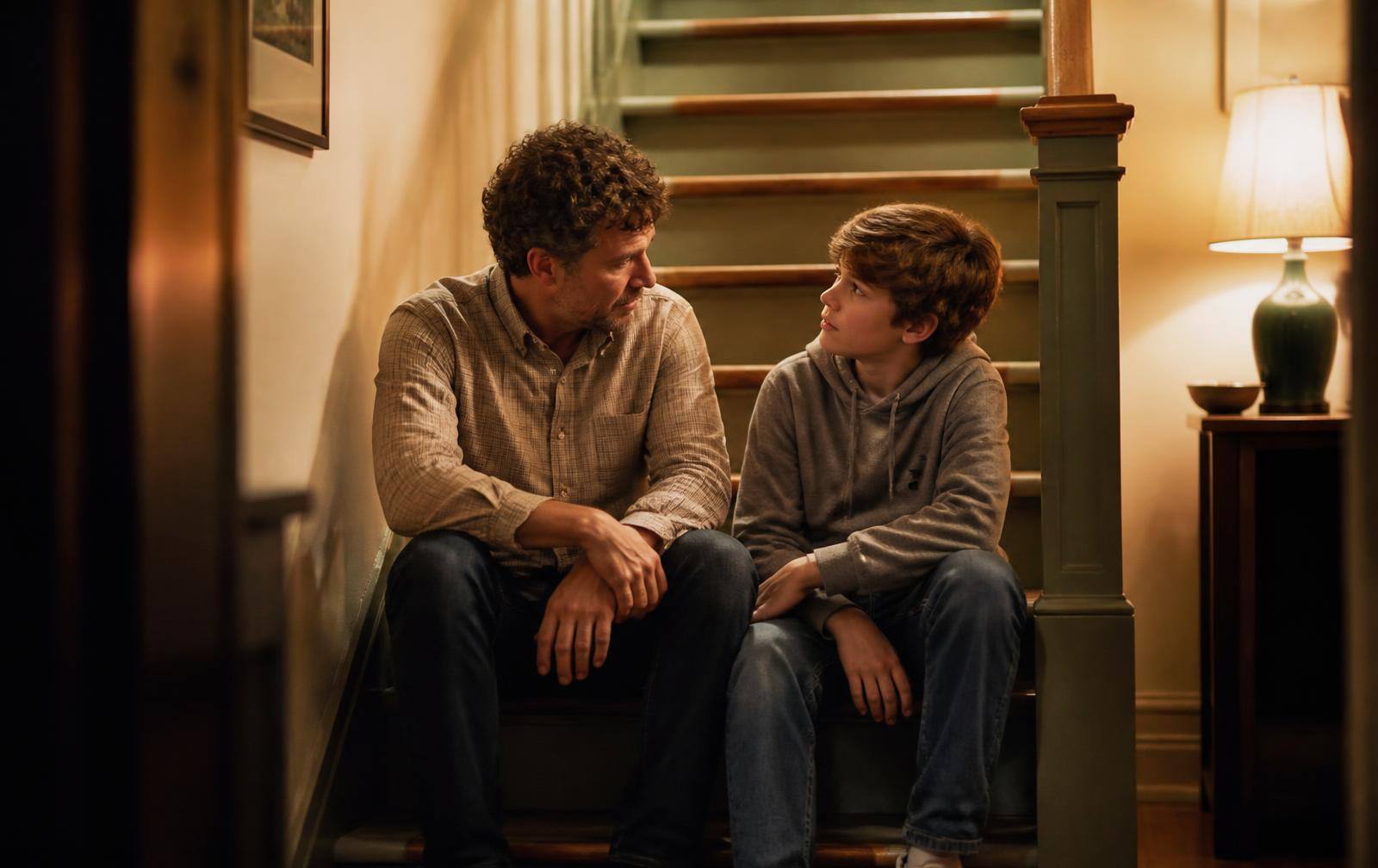
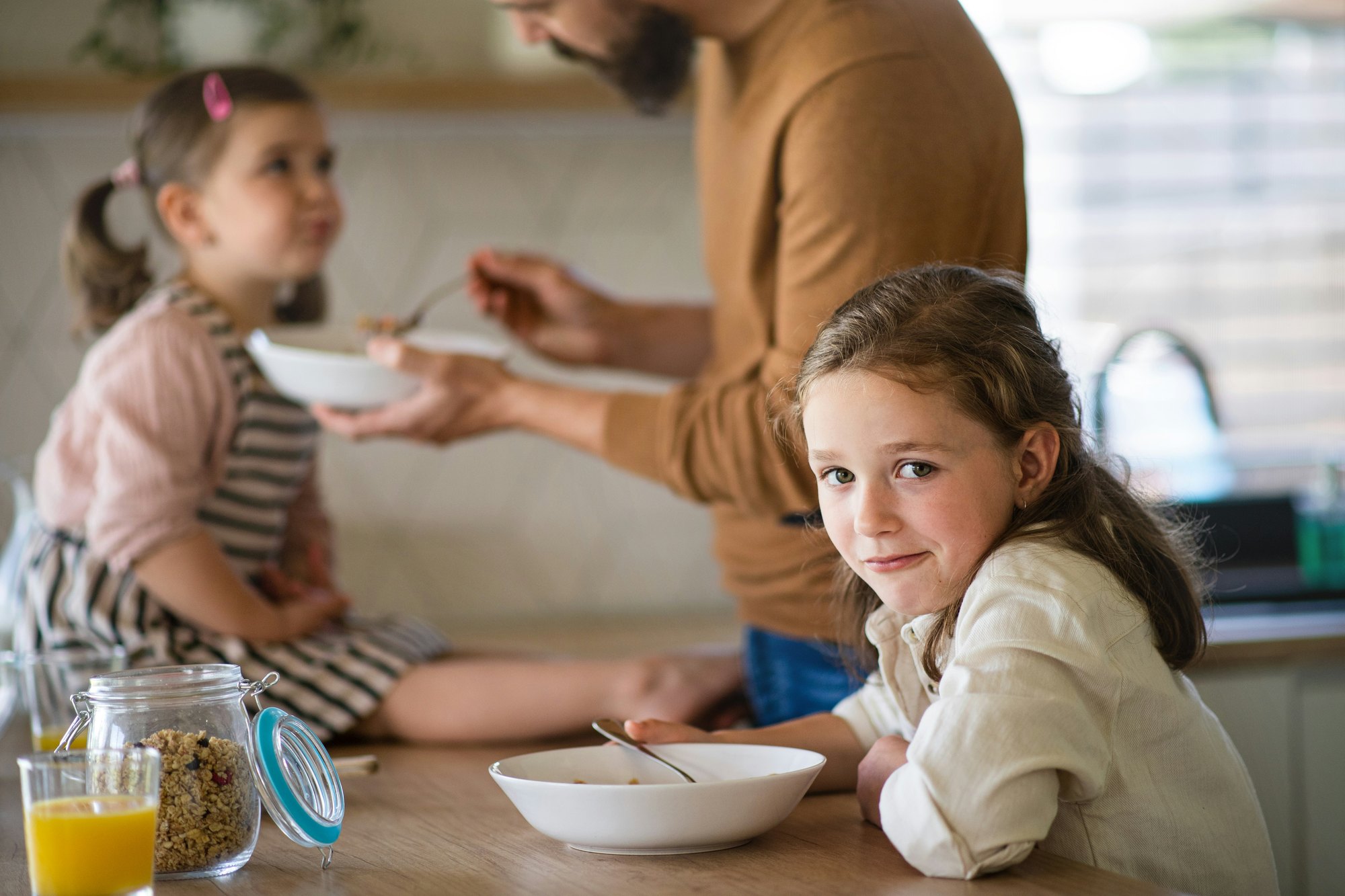
A parent crouching low beside a school-age child at a kitchen table in warm morning light
Communication

When Listening Feels Impossible: Cooperation Without Conflict

Your child is not ignoring you. Their hearing is working perfectly — it is the processing underneath it that has run out of room.

Read
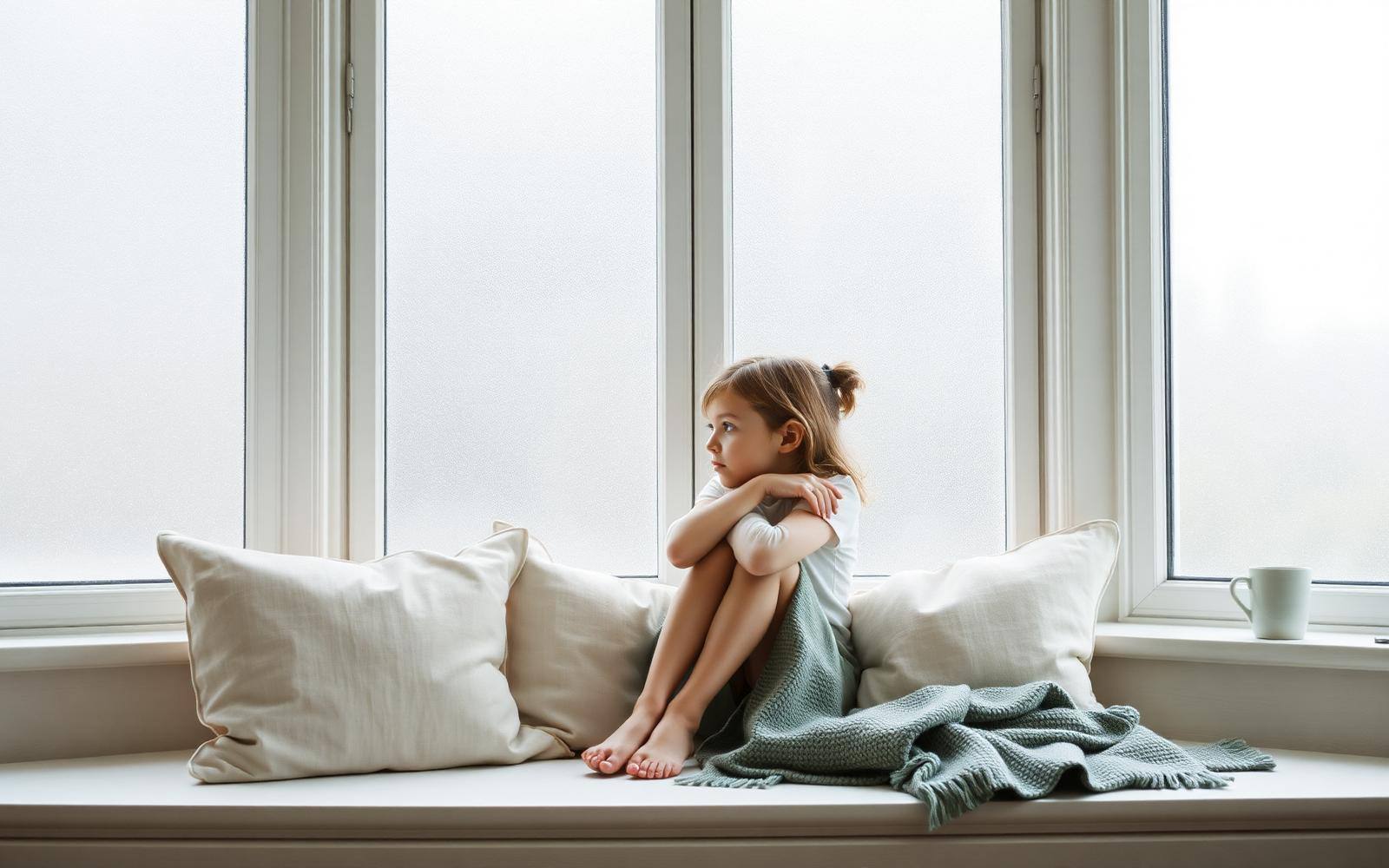
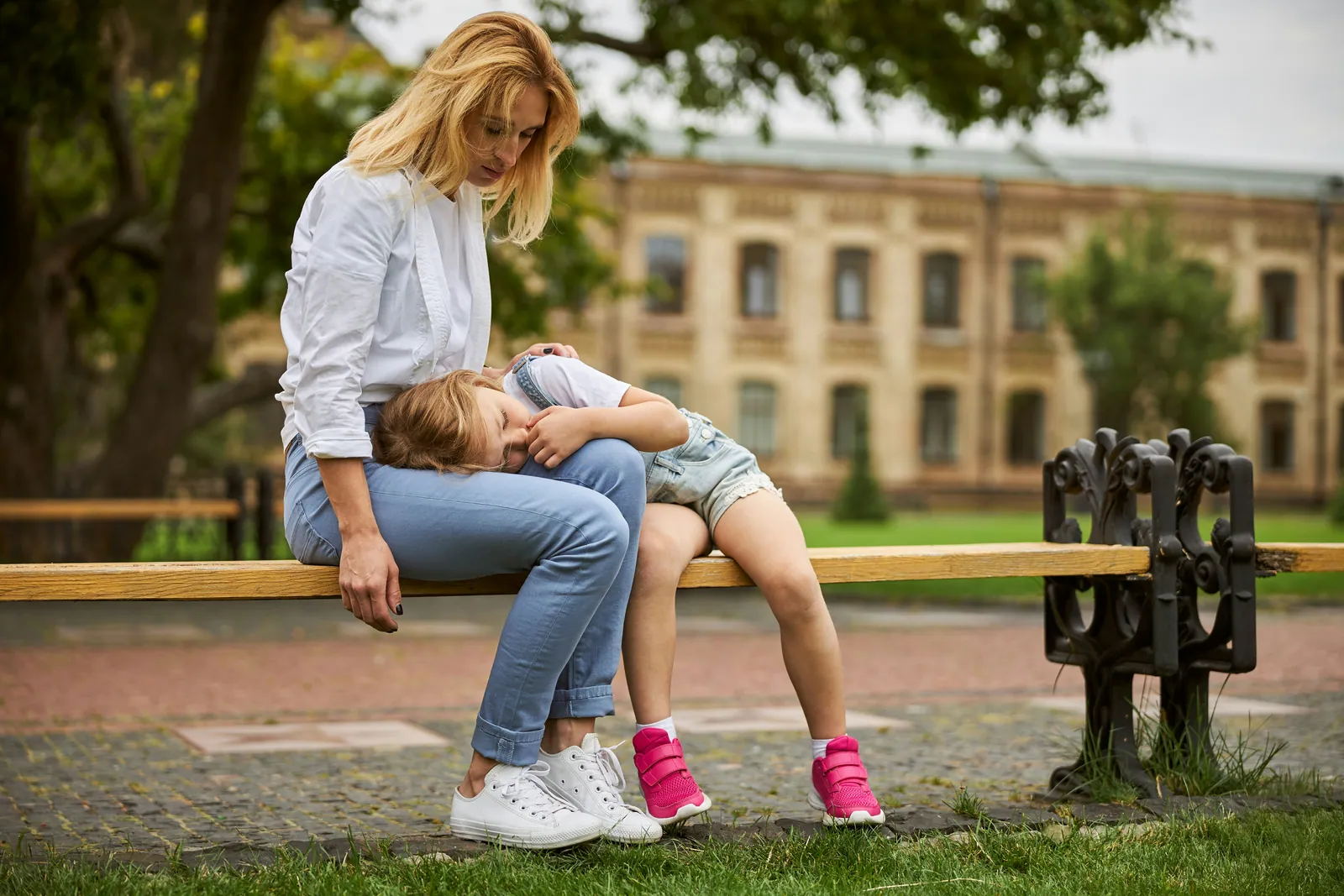
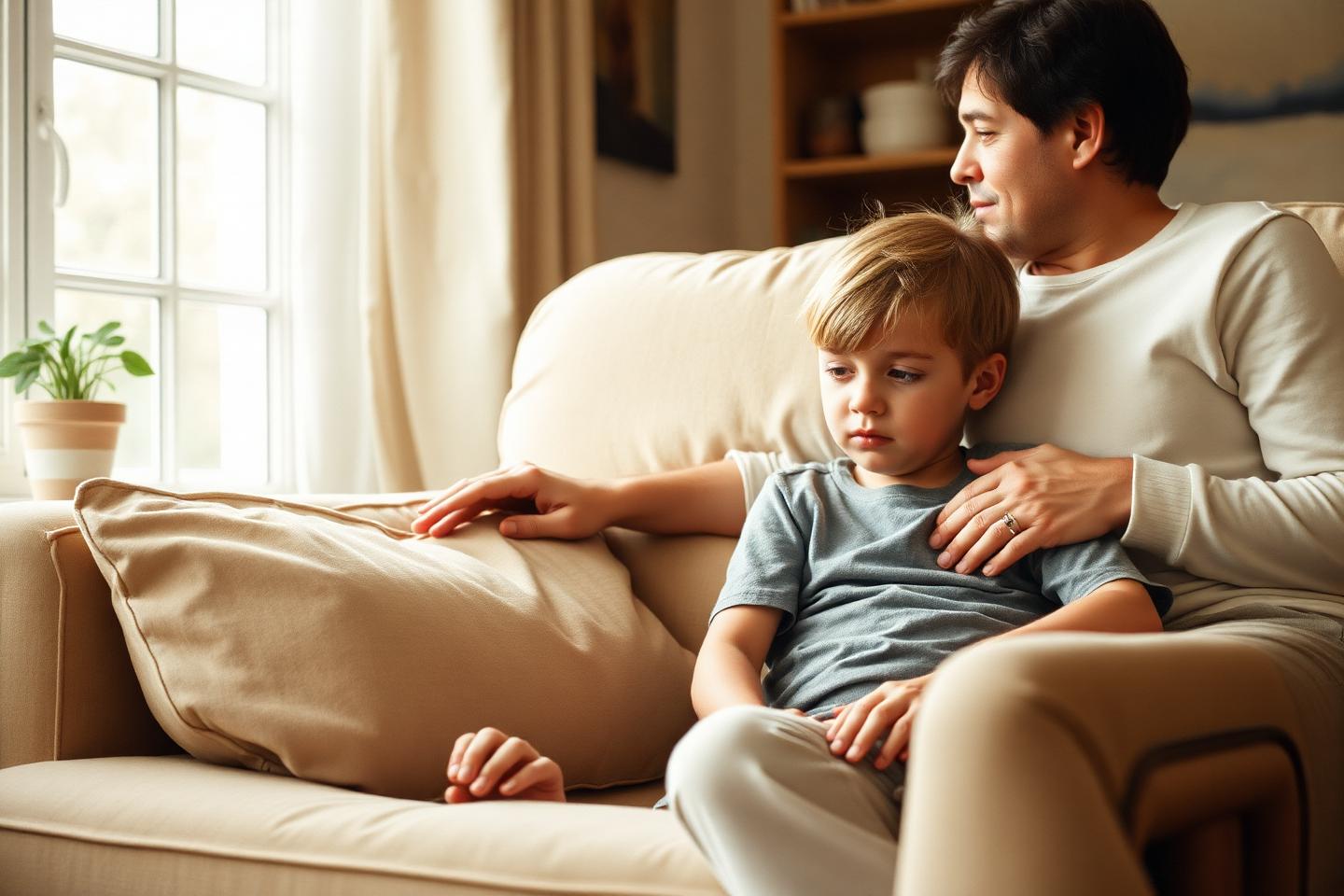
A school-age child resting under a blanket on a linen sofa in warm evening light
Emotional Regulation

Tantrums, Meltdowns and Shutdowns: Telling Them Apart

Three states that look similar from across the room and need almost opposite responses from you.

Read
A parent and child sitting together on wooden floorboards in soft window light
Emotional Regulation

Borrowing Calm: How Children Regulate Through Us

Children cannot regulate themselves in a room where no one else is regulated. Co-regulation is the whole mechanism — and it is quieter than it sounds.

Read
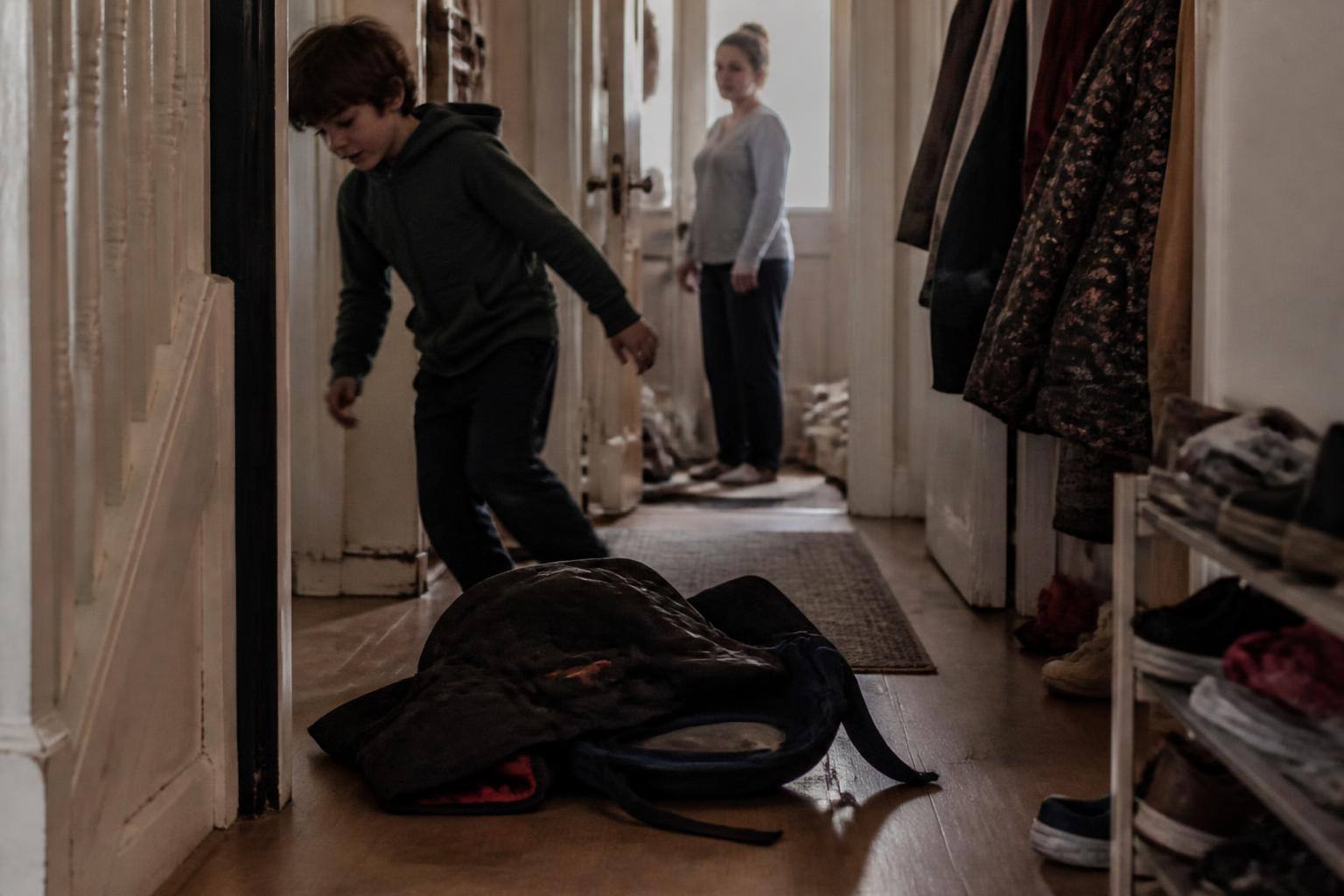
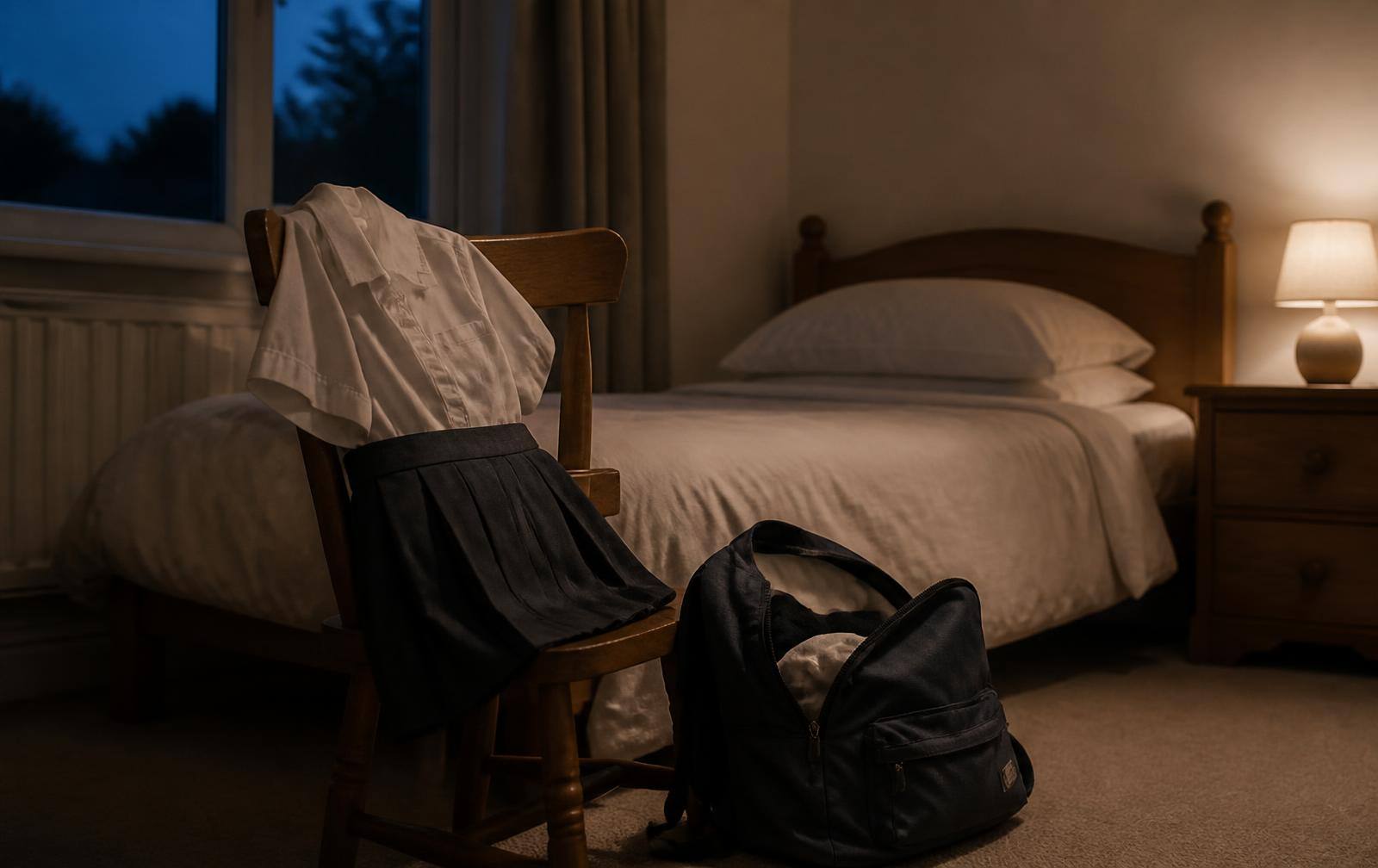
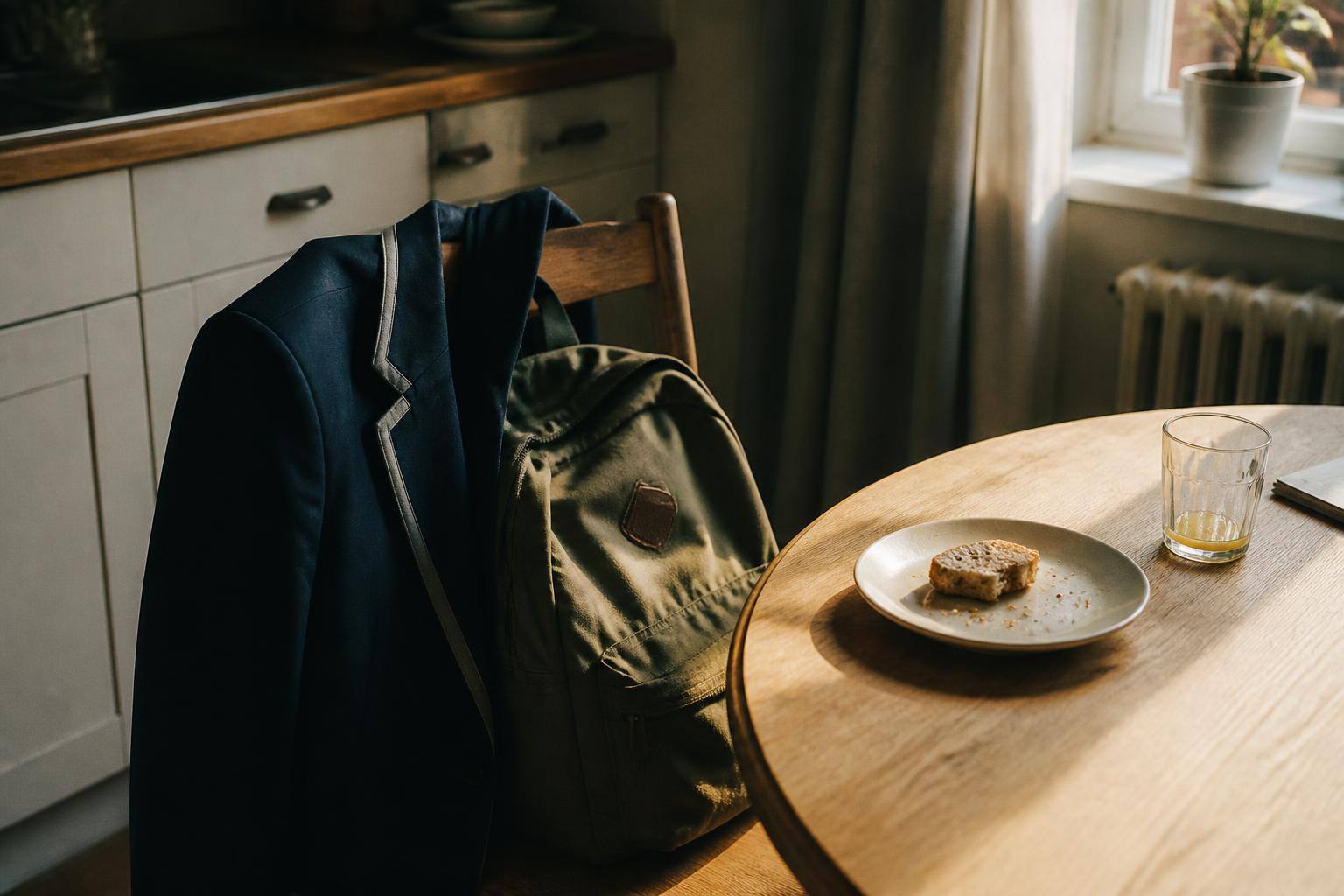
A school backpack and shoes waiting by a front door in early morning light
School Refusal

When School Becomes Too Much: Understanding School Refusal

School refusal is almost never about school. It is about a nervous system that has learned mornings are dangerous — and it responds to graded practice, not persuasion.

Read
A family dining table in warm late light after a shared meal
Family Life

The Family Climate: The Emotional Weather Children Grow In

Children do not grow up in a set of parenting techniques. They grow up in a weather system — and the weather is largely made by the adults.

Read
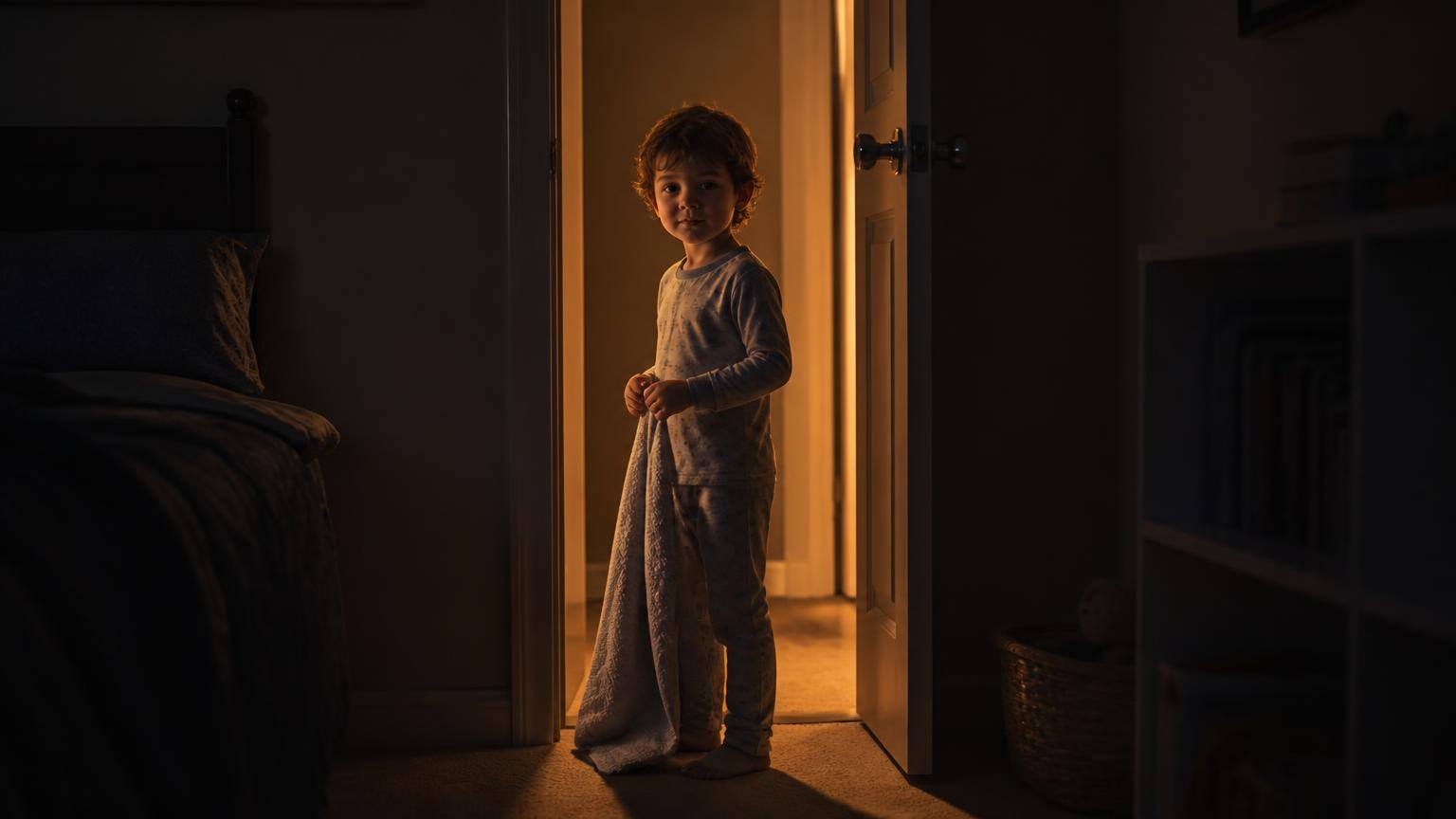
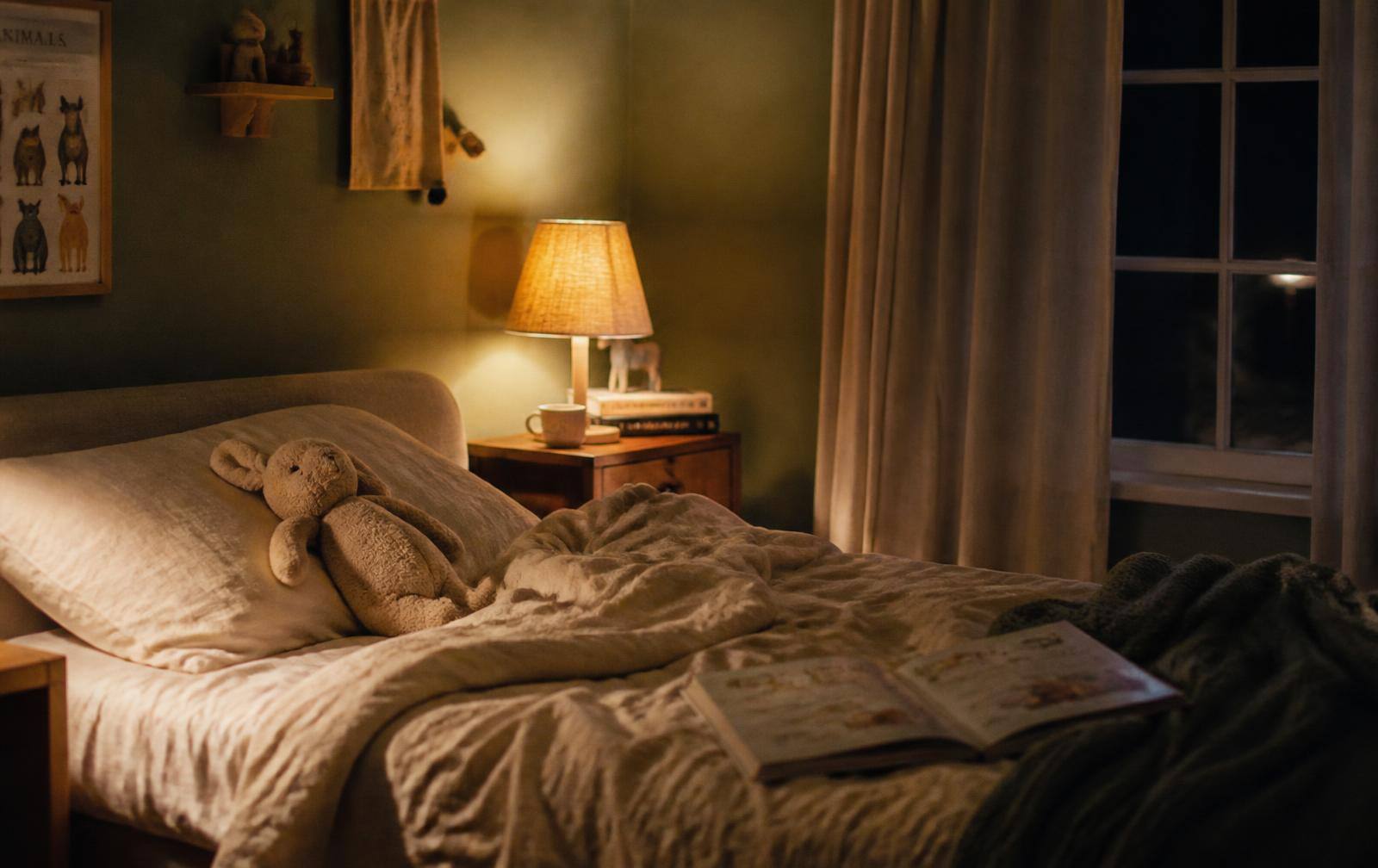
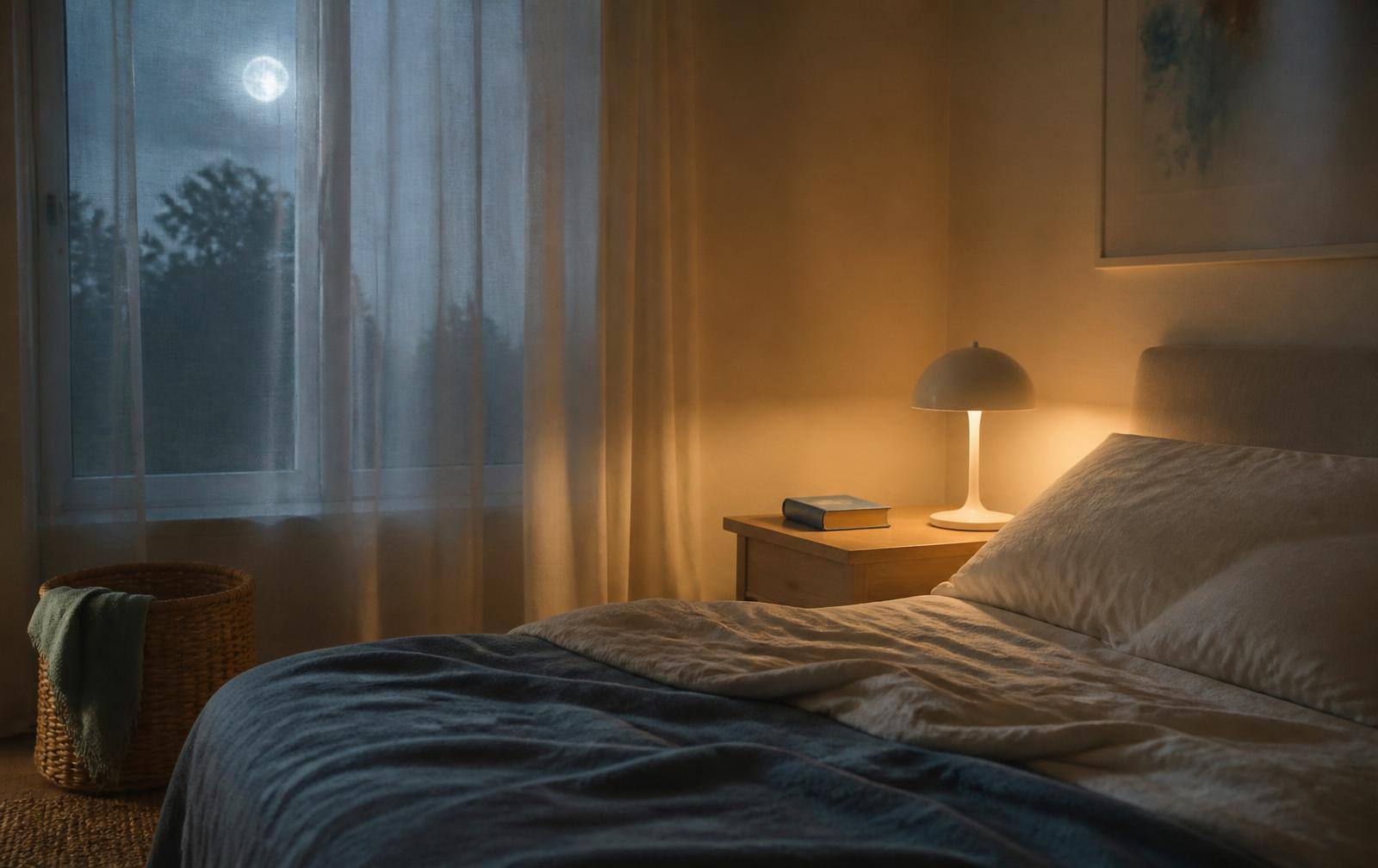
A child's bedroom prepared for sleep at dusk with a small warm lamp and books
Sleep

The Science of Sleep: Why Bedtime Falls Apart and How to Rebuild It

Almost every difficulty a family brings to therapy is worse on four hours' sleep. Bedtime is not a discipline issue — it is a physiological sequence, and sequences can be rebuilt.

Read
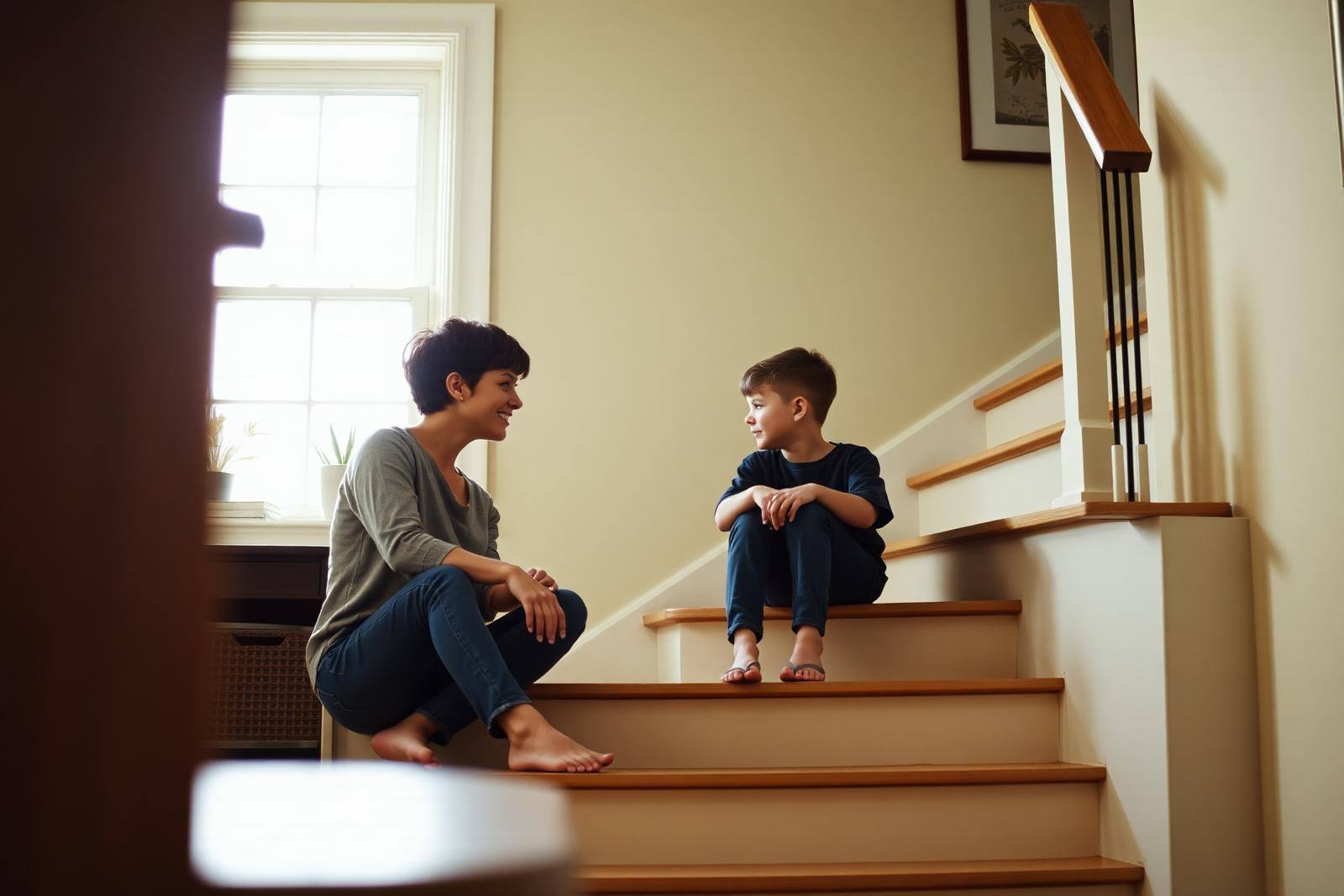
A parent and a school-age child sitting quietly together on a sunlit living room floor after a hard moment
Big Emotions

The Three Minutes That Change a Meltdown

Most of what parents are taught about big emotions happens too late. The window that matters most opens in the first three minutes — and what you do there decides how the next hour goes.

Read
The Thrive Journal

One considered letter, once a week

For parents who want calmer mornings, kinder conversations, and a little more confidence. No promotions, no noise — just insight that fits real life.

Thrive ConciergeAsk a Parenting Question