The Child Who Gives Up Easily
Persistence is not a personality trait. It is a skill built through the right kind of encouragement.
Reviewed by Sian Trombley, CCCFounder, Thrive Family Company
7 min read
Best for parents of children who are…
- being hard on themselves
- needing help bouncing back after setbacks
- needing extra emotional support at the moment

Share this
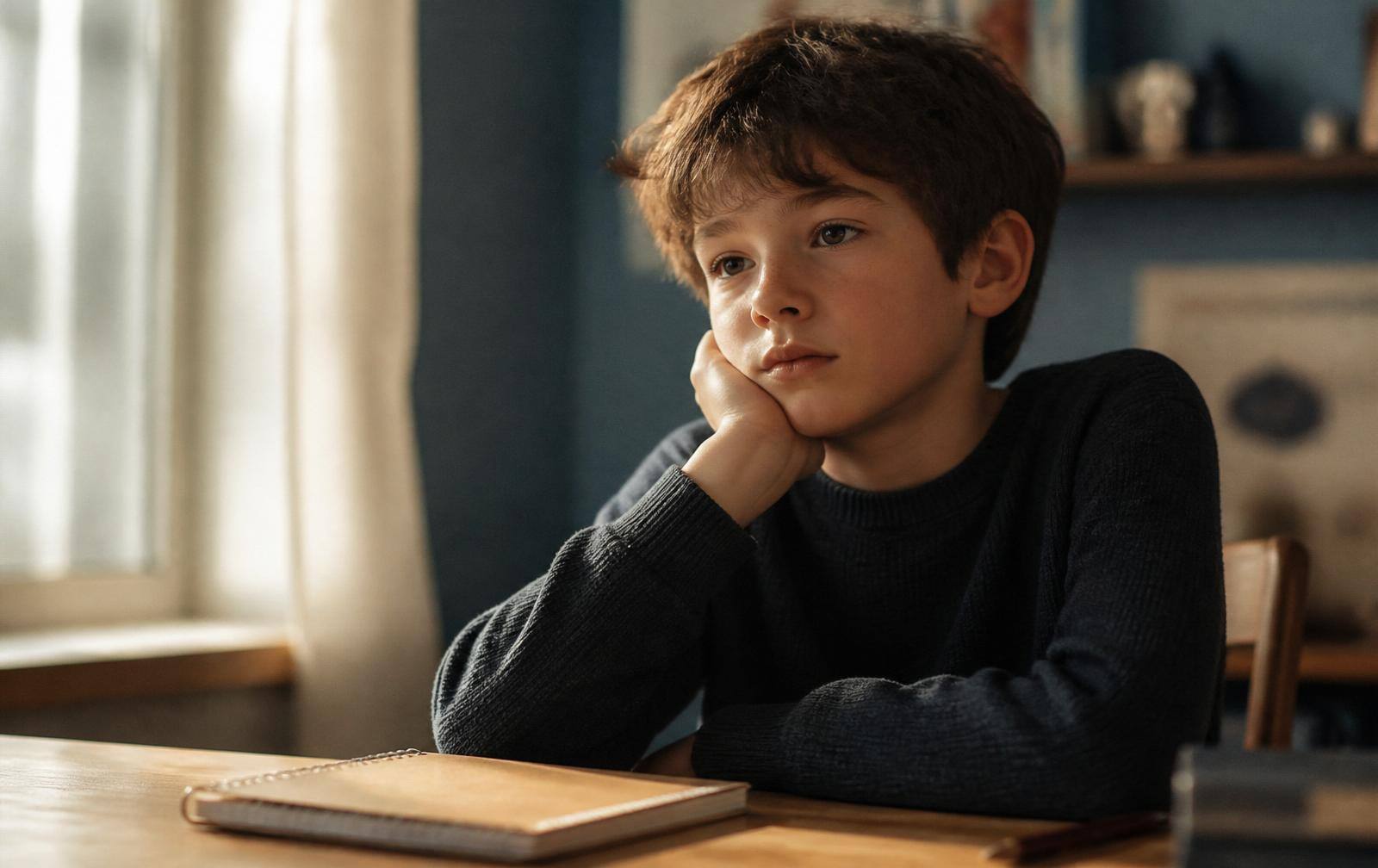
The block tower falls. The drawing does not look the way they imagined. The shoe will not tie. For some children, the smallest setback is enough to stop them trying — and the parent is left reassuring, redirecting, or quietly worrying that their child lacks resilience.
Giving up easily is rarely about motivation. It is usually about how the child interprets difficulty. If difficulty means 'I cannot do this', effort feels pointless. If difficulty means 'This is the part where I learn', effort becomes part of the process. The difference is not personality. It is mindset, and it is teachable.
Why some children quit at the first obstacle
Children abandon tasks for several good reasons. The task may be genuinely too hard. They may have received feedback that made them feel judged. They may be tired, hungry, or overwhelmed by something else. They may have learned that adults step in quickly, so they never had to develop their own tolerance for frustration.
What to say instead of 'you can do it'
Generic reassurance often backfires because it dismisses the child's felt experience. A child who is genuinely stuck knows that 'you can do it' is not true in this moment. More useful language names the problem, validates the feeling, and points to a strategy.
How to praise the process, not the person
- Instead of 'you're so clever', try 'you kept trying different ways'.
- Instead of 'good job', try 'you broke it into steps and finished it'.
- Instead of 'you're a natural', try 'the practice is showing'.
- Instead of 'I'm proud of you', try 'you should be proud of how you handled that'.
- When they fail, say 'that didn't work this time. What might you try differently?'
When to push and when to stop
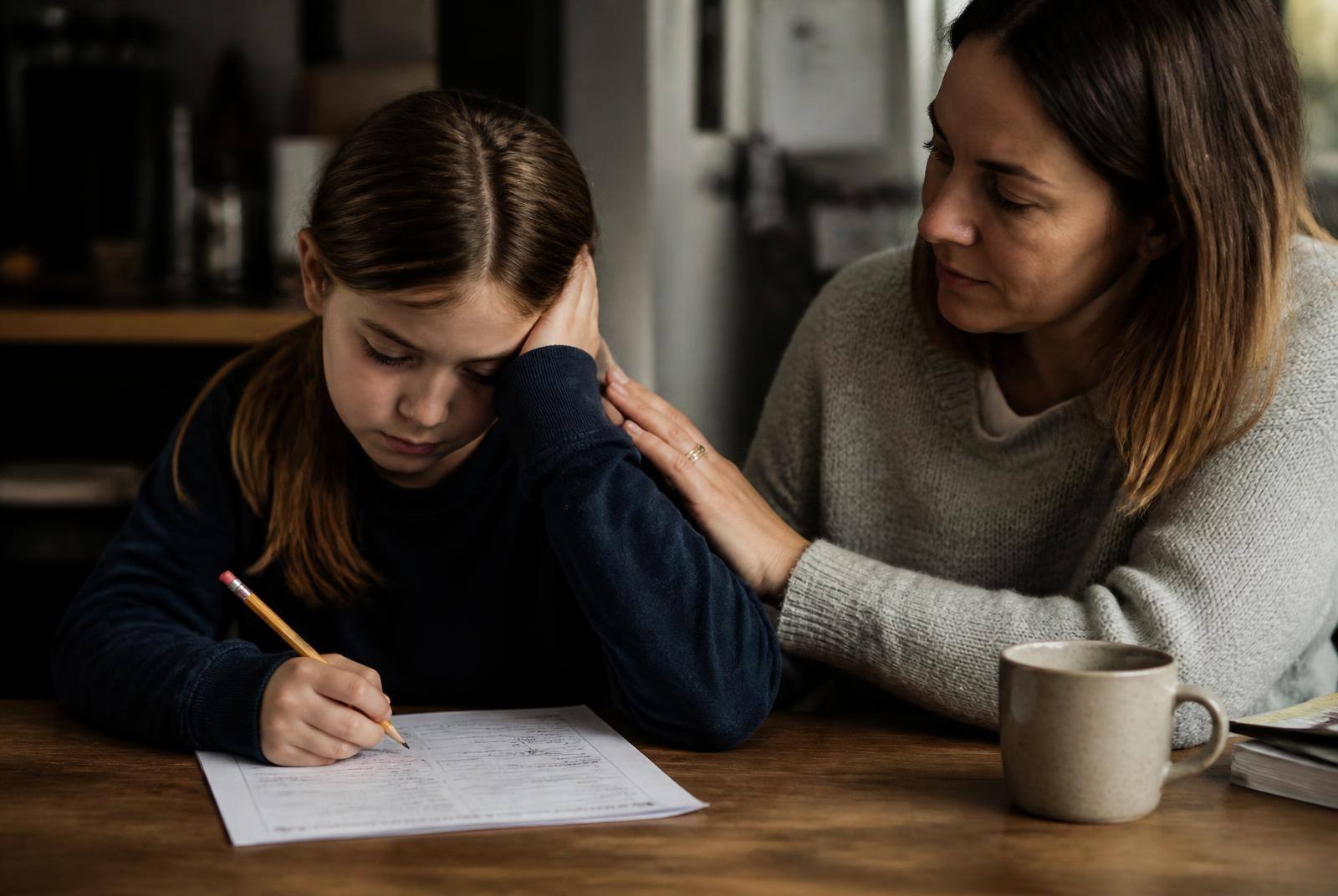
There is a difference between productive struggle and distress. Productive struggle involves concentration, experimentation, and occasional frustration. Distress involves tears, harsh self-criticism, or a shutdown that lasts more than a few minutes. In distress, the task is too big. The adult's job is to reduce the demand, not to increase the encouragement.
Giving up quickly is not a lack of grit. It is a child protecting themselves from a failure they have already decided is coming.
Sian Trombley, Canadian Certified Counsellor
What you can try this week
Name the hard part out loud
Say, 'This bit is tricky. That does not mean you are bad at it. It means this is the learning part.' Normalise difficulty before it becomes shame.
Shrink the first step
Instead of 'clean your room', try 'put the books back on the shelf'. A child who completes one small step is far more likely to attempt the next.
Share your own wobbles
Talk about a moment when you struggled, what you tried, and what you learned. Children need to see adults fail, adjust and continue.
- Giving up easily is usually a sign the challenge is mismatched, not that the child is unmotivated.
- Praising 'smart' can make children avoid challenge; praising effort builds persistence.
- Children persist when they can see a clear next step, not when they are told to try harder.
- A small amount of struggle is healthy; uninterrupted distress is not.
- The adult's calm presence matters more than the adult's encouragement.
When my child gives up, do I respond with reassurance or with problem-solving?
Am I praising outcomes, effort, or the avoidance of struggle?
What would it look like to make the task smaller instead of pushing harder?
Printable resources
This article is educational and is not a substitute for individual clinical advice. Comments are closed so the Journal stays a calm place to read.
Share this
Keep going
You may also like
Courses, worksheets and pathways from the same part of the library.
- JournalHow to Build Resilience in Children (It Is Not Toughness)Resilience is not built by removing support. It is built by being supported through something hard and surviving it.Read
- JournalThe Child Who Feels EverythingThey notice the label in the shirt, the tension in your voice, the child crying two streets away. This is not weakness. It is a nervous system doing exactly what it was built to do.Read
- ResearchThe Research LibraryPeer-reviewed parenting and child mental health research, translated into plain language.Read
- Thrive GuideThrive GuideAsk a question and get warm, evidence-informed guidance drawn from the Thrive library.Read
- Thrive Care PlanThrive Care PlanA short check-in that turns how your week actually went into one focused plan.Read
- Thrive ToolThrive ToolsPremium printable workbooks and therapeutic tool kits.Read