When Anxiety Shows Up as Anger
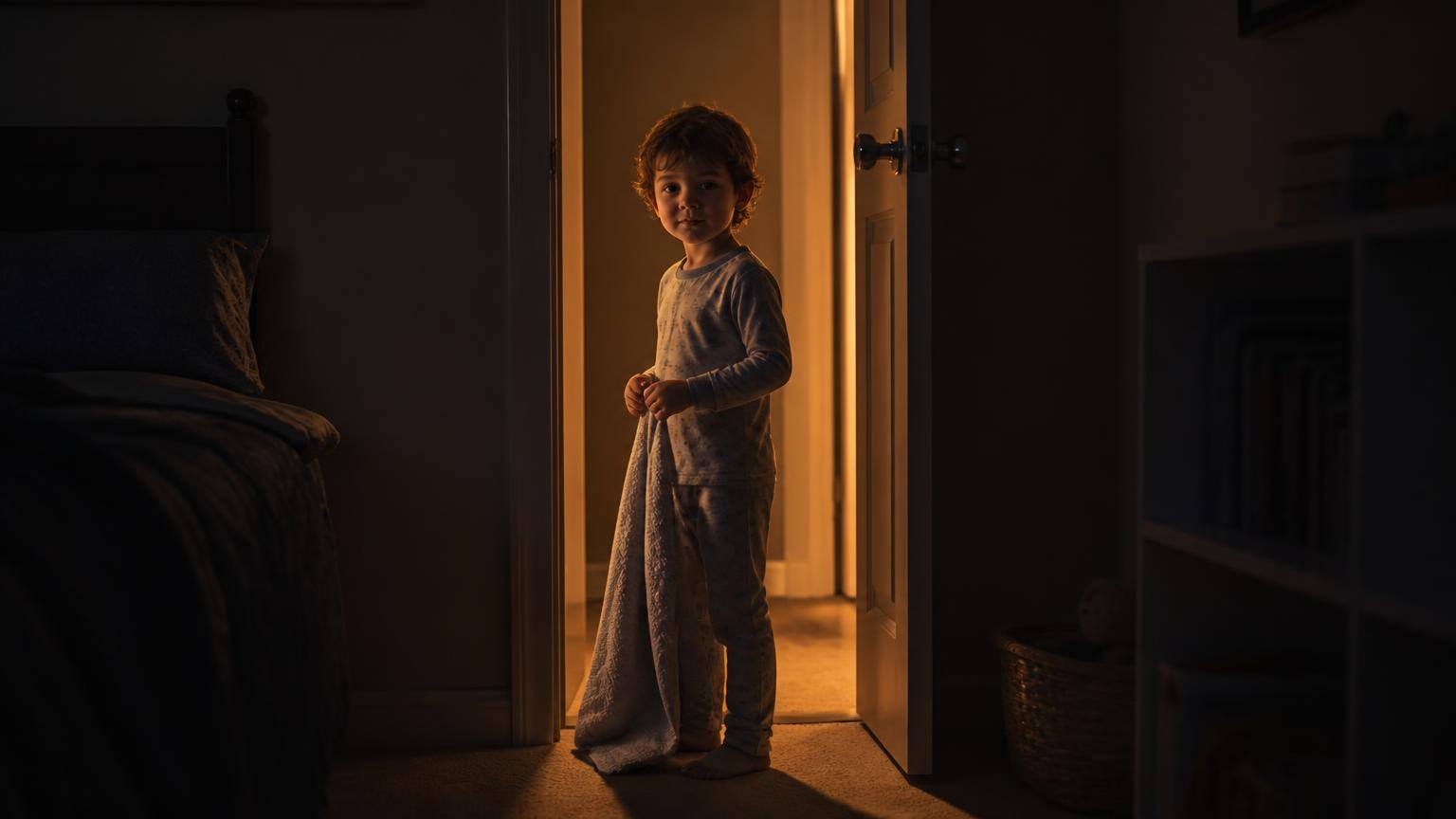
The child slamming the door is often the most frightened person in the house. Fear and fury run on the same circuit — and at home, only one of them feels safe to show.
Reviewed by Sian Trombley, CCCFounder, Thrive Family Company
9 min read
Best for parents of children who are…
- worrying often, or asking the same question again and again
- having big feelings that arrive faster than words
- showing behaviour that feels out of character
- going from calm to overwhelmed very quickly

Share this
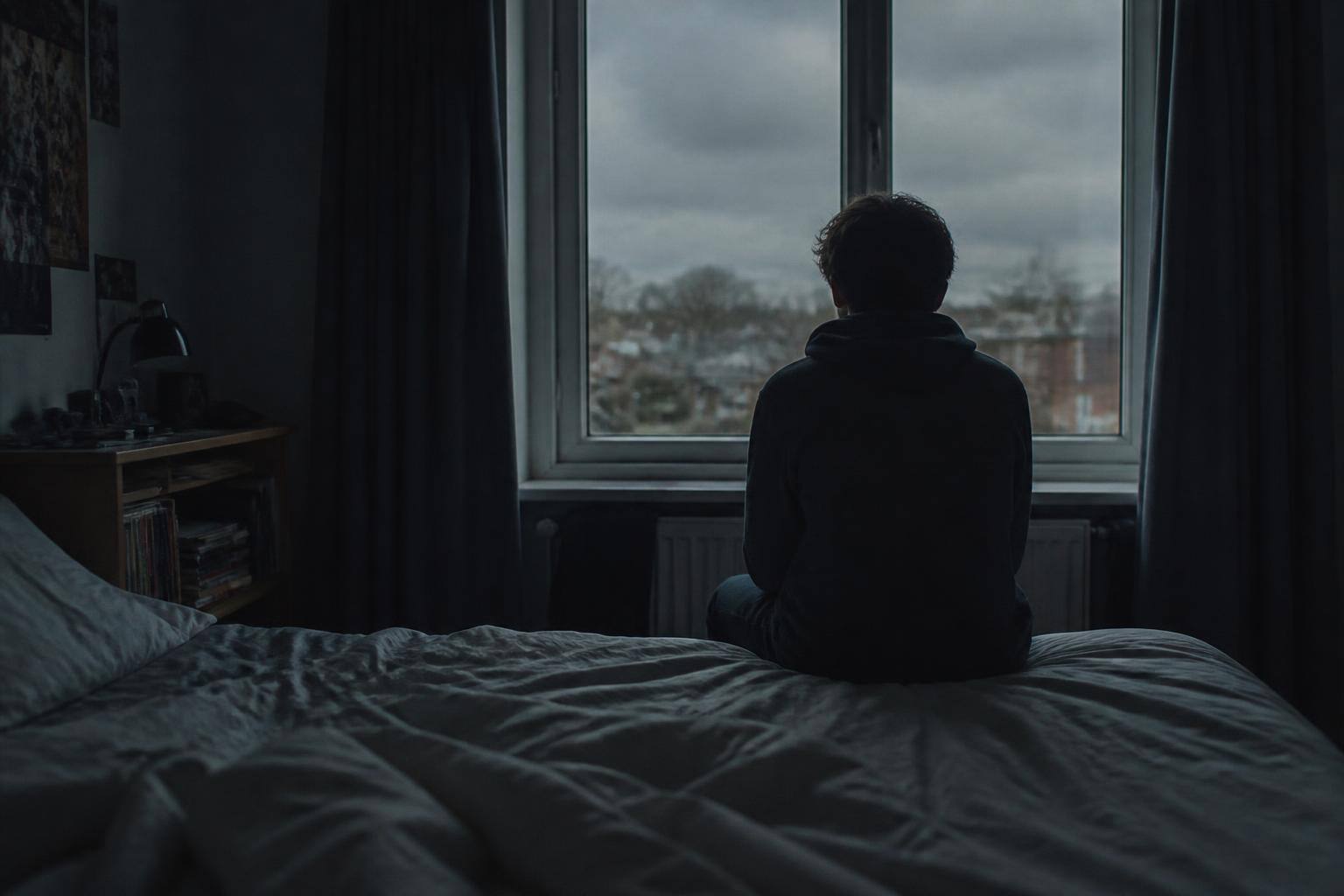
The shoes come off at speed. The bag lands somewhere it should not. Then a door, and a shout that seems to be about a charger, or a sibling, or nothing you can identify. You are looking at anger. You are almost certainly looking at fear.
Fight and flight are not two problems. They are two settings on one alarm. A child whose threat system fires has a choice of directions, and plenty of children — particularly those who have spent the day being agreeable — go forward rather than away.
Why the angry version is the one you see
Anxiety asks a child to admit vulnerability. Anger does not. For a nine-year-old who is worried about being stupid, or a fourteen-year-old who cannot say they are frightened of the group chat, rage is the emotion with the lowest social cost. It also, briefly, works: it makes the demand go away.
What to do while it is happening
- 01Reduce the input
Fewer words, less eye contact, more space. Every additional sentence is another demand on a system that has no capacity to process it.
- 02Stay present but unafraid
Your calm is the data they are borrowing. You do not have to feel calm; you have to look survivable.
- 03Do not litigate
Facts, fairness and logic all require the prefrontal cortex, which is currently unavailable. Save the reasoning for tomorrow.
- 04Protect safety, not principle
Move the breakables, separate siblings, hold the boundary that matters. Let the rest go for now.
- 05Signal the ending
"I'm here when it passes" gives them a way back that does not require an apology they cannot yet make.
“Anger is fear that has decided it would rather be feared than pitied.”
Sian Trombley
The conversation that changes things
It happens the following day, sideways, while doing something else. Not "we need to talk about last night" but "that looked horrible for you." Children will tell you almost anything if they are not being looked at directly and are not about to be sentenced.
When to seek support
Seek professional input when outbursts occur most days, when there is aggression towards people or animals, when your child expresses shame or fear about their own behaviour, or when family life is being organised around avoiding the next episode. Anxiety-driven anger responds well to treatment — but the anxiety has to be the target.
Fight is one of the options a frightened body has. Some children choose it every time.
Sian Trombley, Canadian Certified Counsellor
What you can try this week
Name the alarm, not the behaviour
"Your alarm went off" lands differently to "you're being aggressive." One describes a nervous system, the other a character.
Lower your volume as theirs rises
Anger escalates by matching. Half-volume, slower speech and more physical distance de-escalate faster than any sentence you can choose.
Do the debrief the next day
Not that evening. Twenty-four hours later, over a task, side by side: "What was going on yesterday?" You will get an honest answer far more often.
- Fight and flight are the same alarm; anger is often the fight version of fear.
- The trigger is rarely the cause — look at the ten minutes before, not the moment itself.
- Consequences applied mid-surge teach nothing; the thinking brain is offline.
- Repair afterwards is where the learning happens, not during.
- Persistent daily rage with no calm periods warrants clinical assessment.
What do I assume their anger means about them?
Where in the day does it reliably appear?
What happens in me when they shout — and can they feel it?
Printable resources
Recommended Thrive courses
This article is educational and is not a substitute for individual clinical advice. Comments are closed so the Journal stays a calm place to read.
Share this
Keep going
You may also like
Courses, worksheets and pathways from the same part of the library.
- JournalWhen Every Request Becomes a Threat: Understanding Demand AvoidanceThe instruction is not the problem. The loss of control the instruction implies is the problem — and that changes everything about what helps.Read
- ResearchThe Research LibraryPeer-reviewed parenting and child mental health research, translated into plain language.Read
- Thrive GuideThrive GuideAsk a question and get warm, evidence-informed guidance drawn from the Thrive library.Read
- Thrive Care PlanThrive Care PlanA short check-in that turns how your week actually went into one focused plan.Read
- Thrive ToolThrive ToolsPremium printable workbooks and therapeutic tool kits.Read
- CollectionThe Resource LibraryFree printable worksheets, scripts and planners for families.Read