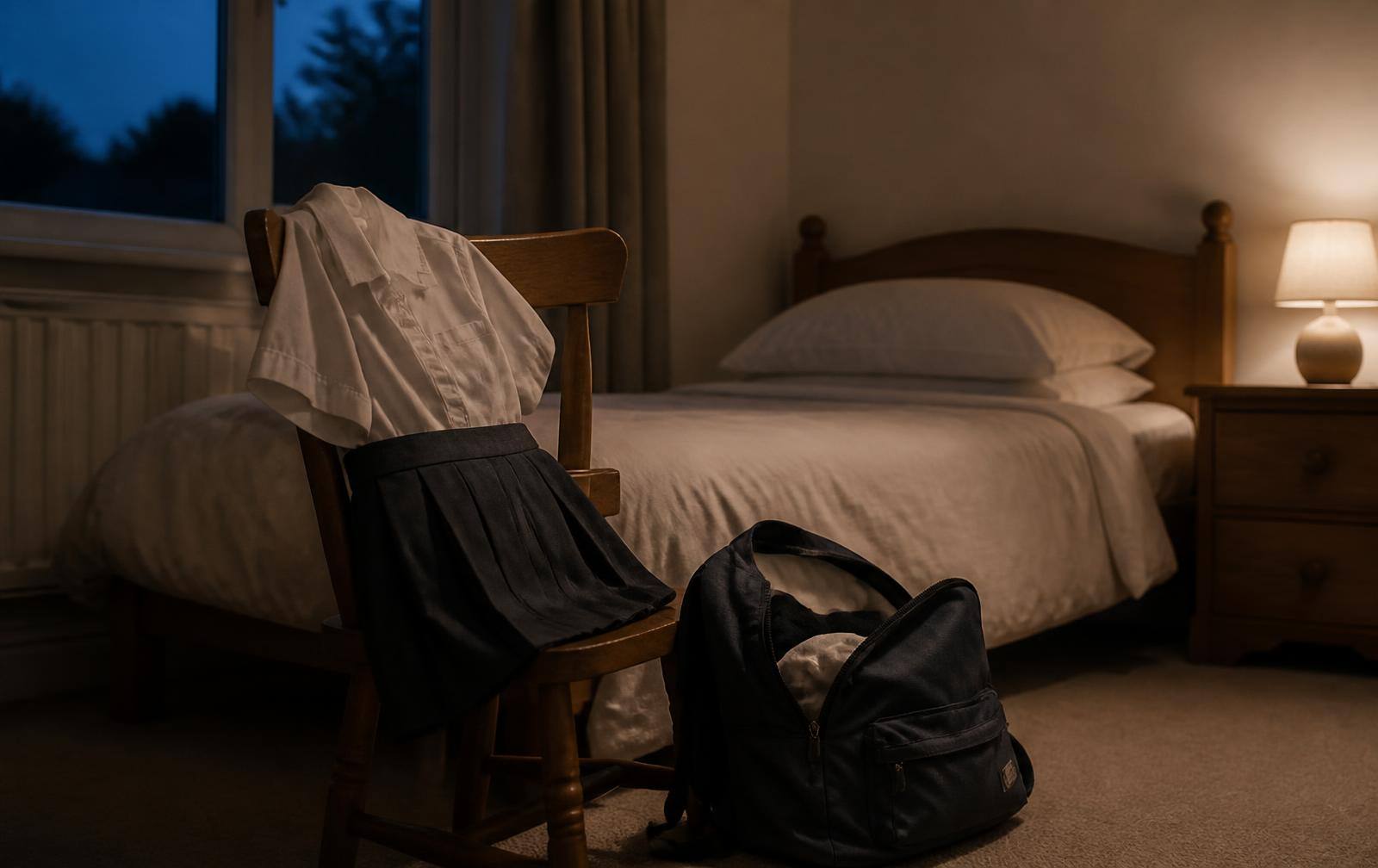
The Night Before the Test
Test anxiety is not about revision. It is about a body that has decided tomorrow is dangerous.
Reviewed by Sian Trombley, CCCFounder, Thrive Family Company
8 min read
Best for parents of children who are…
- worrying often, or asking the same question again and again
- finding school days hard to get through
- withdrawing during the teenage years
- going from calm to overwhelmed very quickly

Share this
It is nine o'clock. The revision cards are done, the timetable was followed, and your child is sitting on the stairs saying they know nothing and there is no point going in tomorrow.
Why the night before unravels
During the day there are distractions. At night the room is quiet, the task is close, and the brain does what brains do with an approaching, uncontrollable event: it rehearses failure. That rehearsal feels like information. It is not.
Anxiety is also cumulative. A child who has been holding it together at school all week will often release the whole load at the exact moment the house goes still.
What actually helps at this point
By the evening before, the useful goal is not more learning. It is lowering physiological arousal so that the knowledge already stored stays accessible in the morning. Worry occupies working memory — the same narrow shelf they need for recall.
This is why the calm, slightly boring evening beats the heroic late revision session almost every time.
- 01Fixed cut-off time
Books closed at an agreed hour, no negotiation. Late cramming trades certain sleep for uncertain recall.
- 02Ten minutes of worry on paper
Unstructured writing about the fear, then the page goes in a drawer. It offloads the loop.
- 03Body before mind
A shower, a walk round the block, slow exhales longer than the inhales. Arousal comes down through the body, not through argument.
- 04Name the feeling accurately
'My heart is fast because my body is getting ready' is reappraisal, and it measurably improves performance over trying to feel calm.
- 05Plan the first five minutes
Read all questions, answer the easiest one first. A single completed answer breaks the freeze.
The morning, and afterwards
Keep the morning conversation logistical rather than motivational. 'Water bottle, pens, we leave at eight' is steadying. 'Just do your best, we believe in you' can land as one more thing to live up to.
Afterwards, ask about the experience before the outcome. 'How did it feel in there?' tells you far more about whether the anxiety is improving than 'how did you do?' ever will.
Your job the night before is not more revision. It is lowering the stakes enough for sleep to arrive.
Sian Trombley, Canadian Certified Counsellor
What you can try this week
The ten-minute brain dump
Ninety minutes before bed, have them write everything they are worried about for ten minutes, unfiltered. Research shows this clears working memory for the next day.
Close the books at a fixed time
Set a firm cut-off. Anything learned after it is unlikely to stick, and the cost to sleep is certain.
Rehearse the morning, not the content
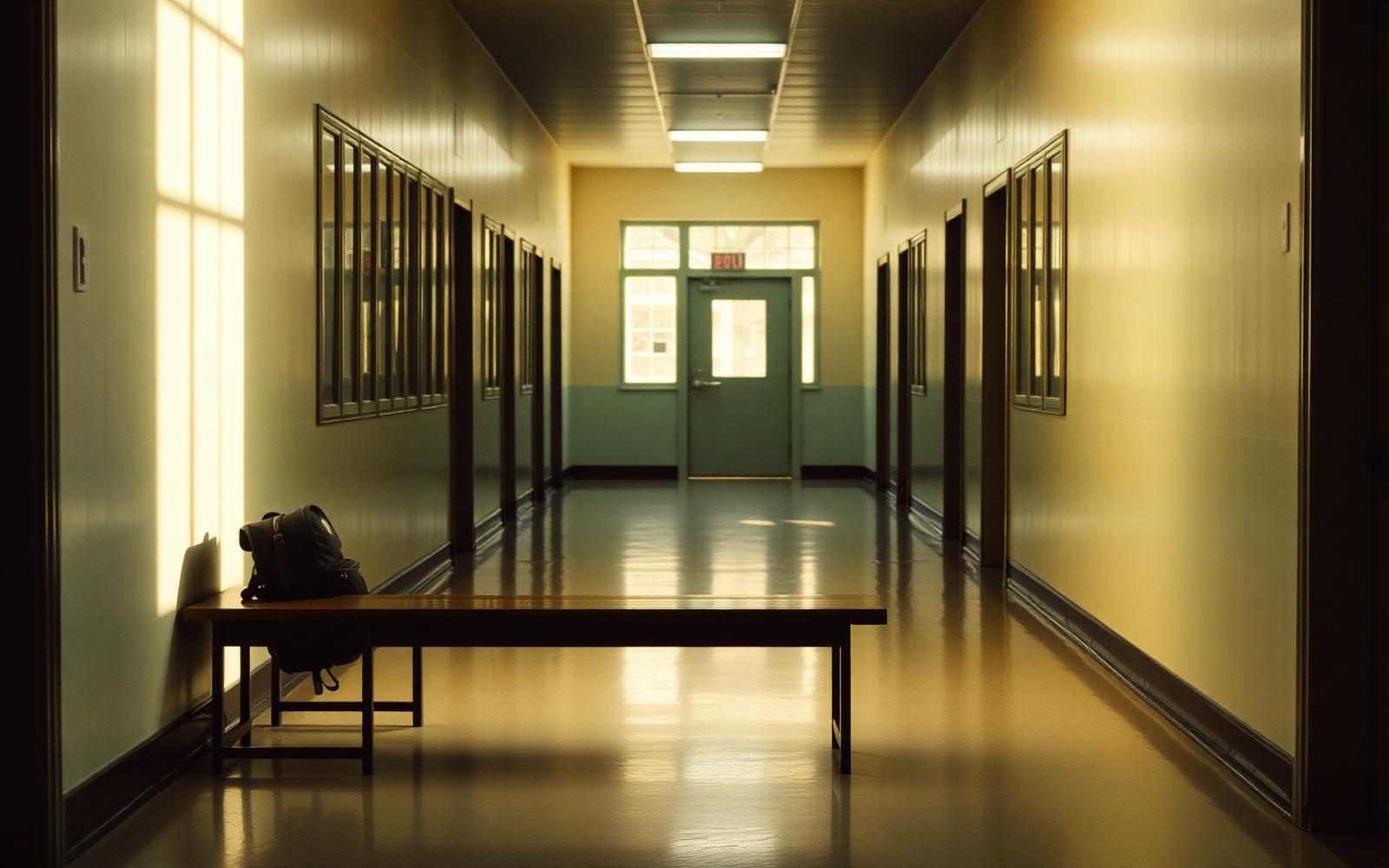
Walk through what happens: breakfast, bag, corridor, seat, first breath. Familiar sequences lower threat.
- Test anxiety consumes the working memory needed to recall answers.
- Extra revision the night before usually raises arousal without raising recall.
- Reappraisal — 'this is my body getting ready' — outperforms 'calm down'.
- Sleep is a revision strategy, not a reward for finishing revision.
- Practising retrieval under mild pressure builds real exam tolerance.
Am I adding pressure by asking about preparation tonight?
What does my child believe will happen if they do badly?
Does our home treat effort or results as the achievement?
Printable resources
Recommended Thrive courses
This article is educational and is not a substitute for individual clinical advice. Comments are closed so the Journal stays a calm place to read.
Share this
Keep going
You may also like
Courses, worksheets and pathways from the same part of the library.
- JournalThe Night Before: Helping a Child With Test AnxietyRevision fixes a knowledge problem. Test anxiety is a physiology problem, and more revision usually makes it worse.Read
- JournalYour Teenager Isn't Lazy — They're OverwhelmedLaziness is a verdict. Overwhelm is a description. Only one of them tells you what to do next.Read
- Learning PathwayAnxiety & WorryA guided Learning Pathway from Thrive Family Company.Read
- CollectionAnxiety & WorryEverything Thrive publishes on anxiety & worry — articles, courses, worksheets and research.Read
- Thrive Resource GuideAnxiety & WorryTherapist-reviewed books, apps, websites and tools for anxiety & worry.Read
- WorksheetAnxiety Bravery LadderA graded plan for facing one fear, one small rung at a timeRead