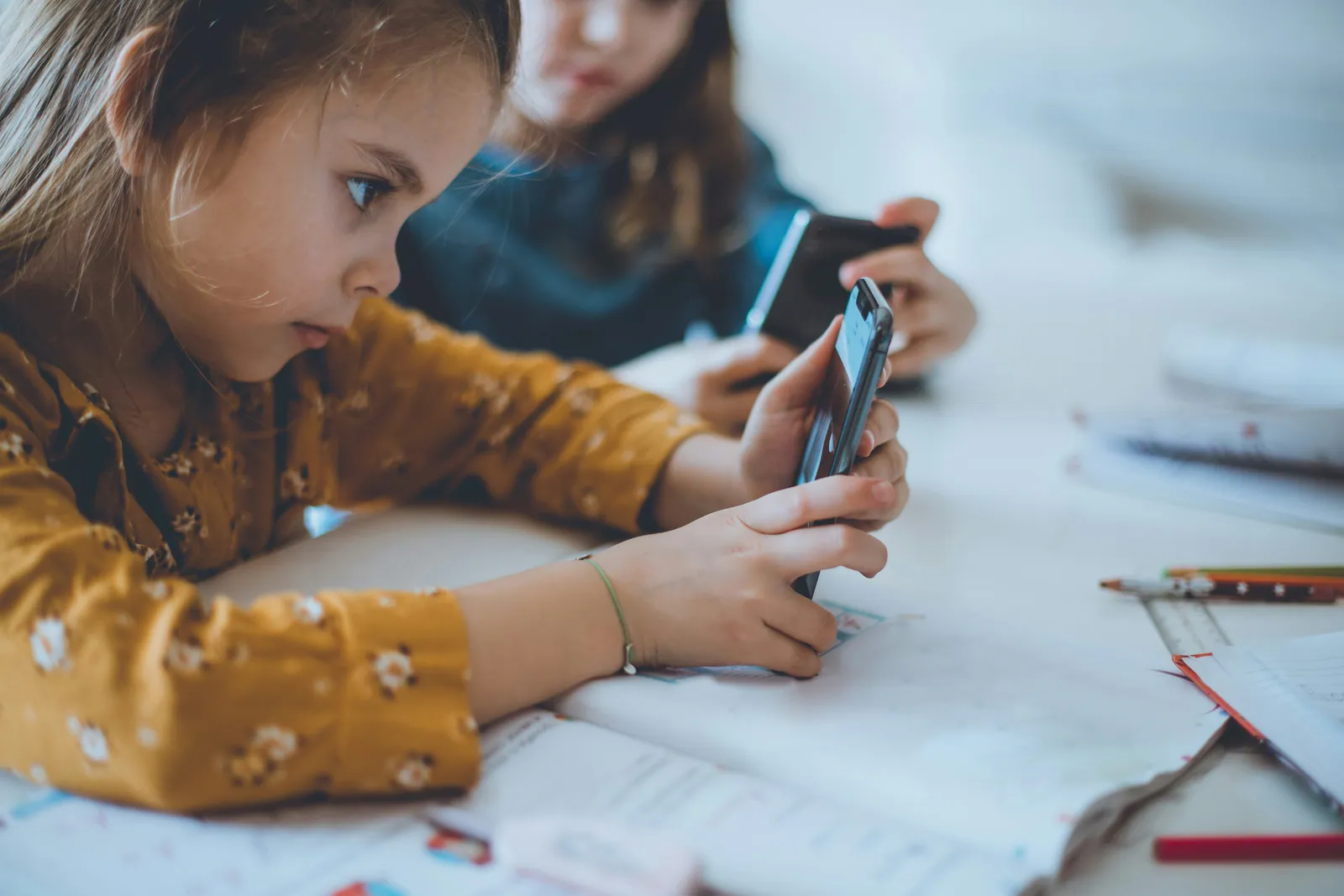
Raised by Algorithms: Children, AI Companions and the New Kind of Friendship
Millions of children now talk daily to something that always answers, never tires, and never disagrees. What that does to a developing mind is the question of this decade.

Adolescence as a second period of enormous brain development, and how to stay a safe base through it.

Millions of children now talk daily to something that always answers, never tires, and never disagrees. What that does to a developing mind is the question of this decade.

Adolescence has always involved measuring yourself against other people. What is new is the scale, the precision, and the fact that it never closes.
Read
Of all the decisions families make about technology, where the device sleeps has the largest and most measurable effect on a child's wellbeing.
Read
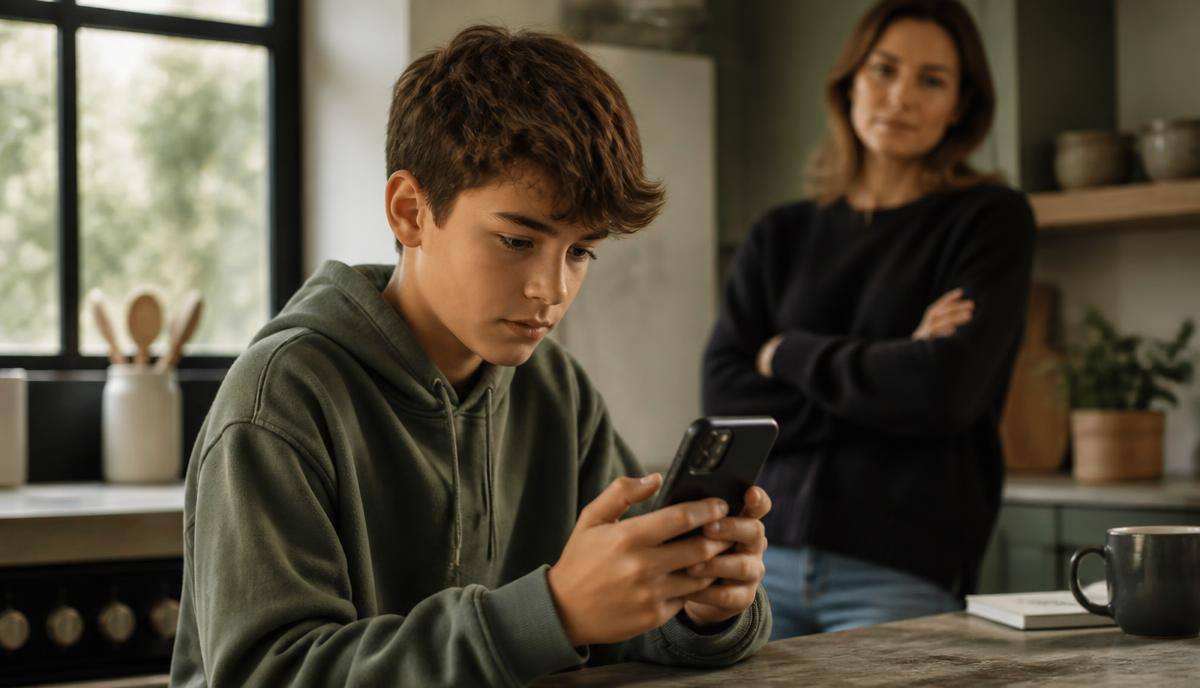
Almost every parent handles this discovery badly the first time — usually because they respond to the object rather than to the young person holding it.
Read
Boys are not becoming less emotional. They are becoming less practised at showing it — and the window in which they let an adult in is narrower than most parents realise.
Read
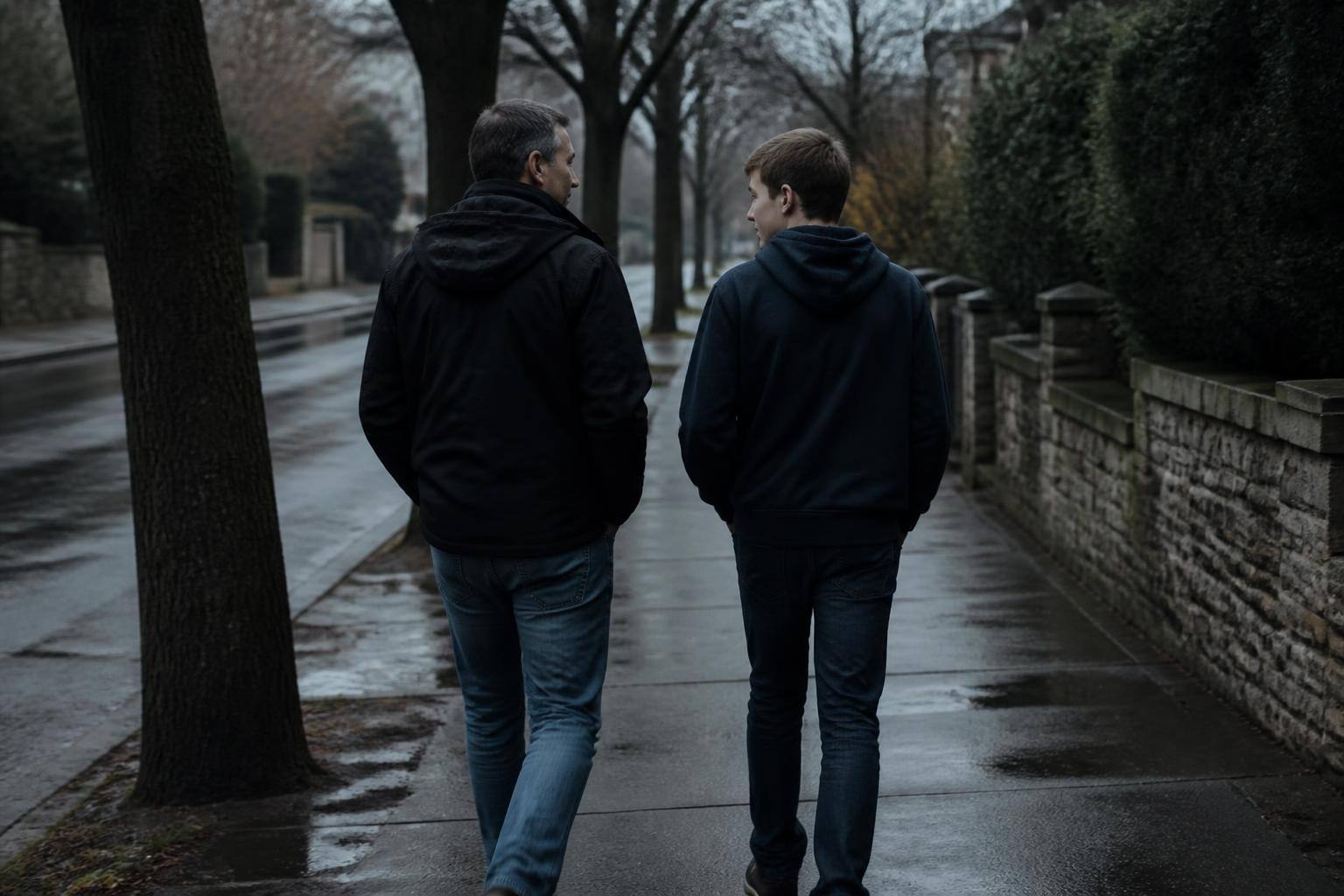
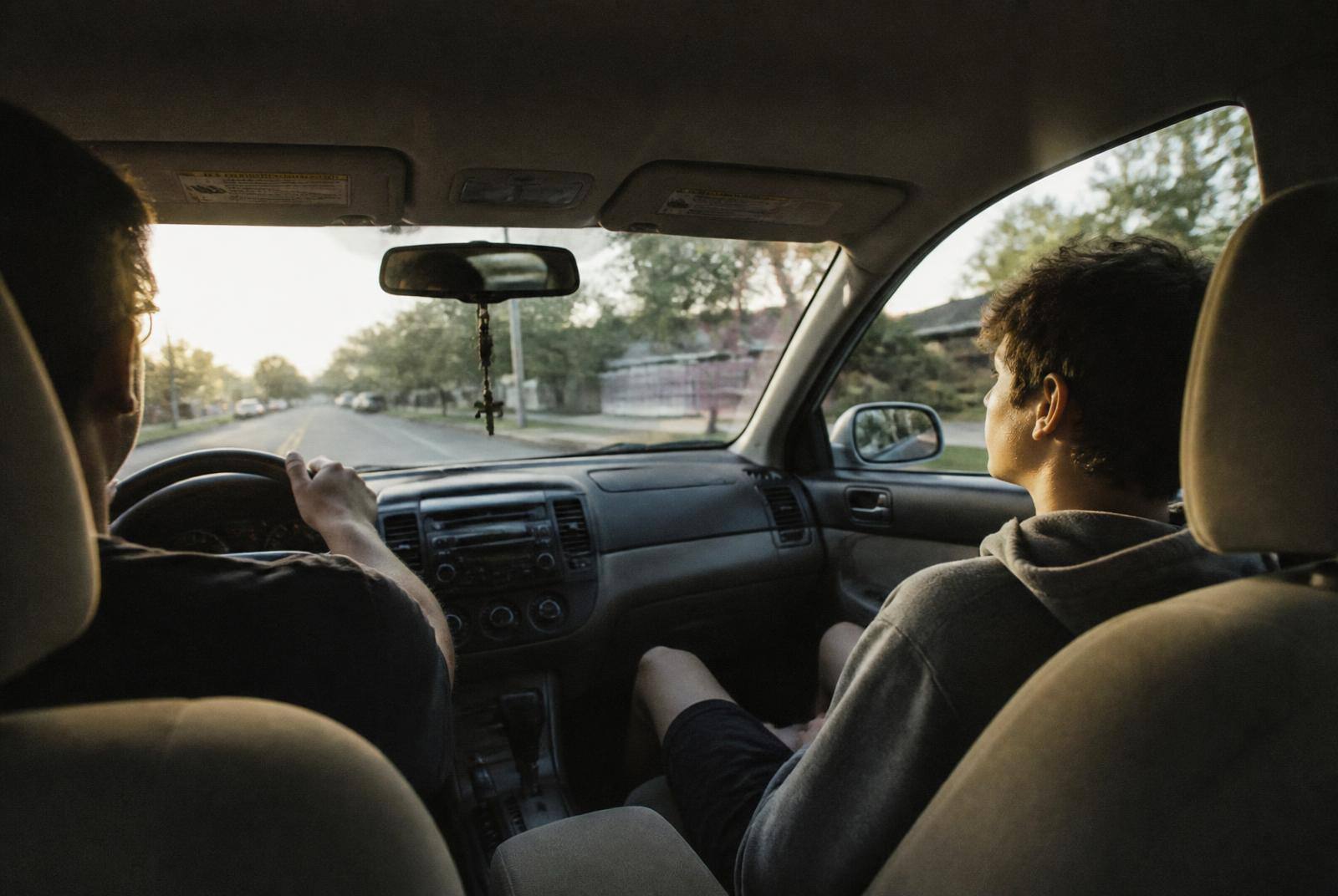
Silence at fifteen is rarely rejection. It is a developmental task, a bid for privacy, and sometimes a signal — and it responds to presence far better than to questions.


Read
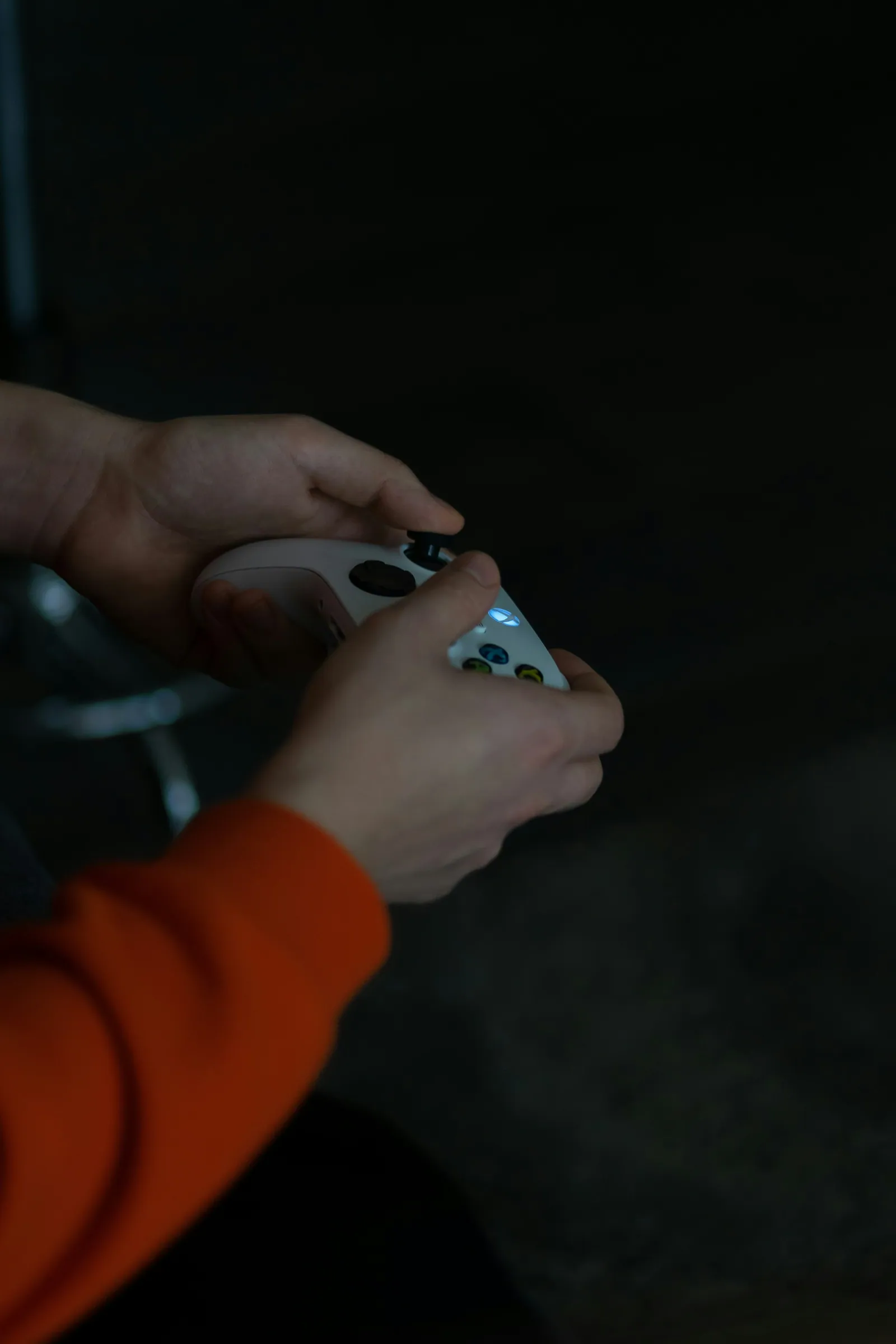
The question is not how many hours. It is what the hours are doing — and whether your child has anywhere to bring what they find there.
ReadFor parents who want calmer mornings, kinder conversations, and a little more confidence. No promotions, no noise — just insight that fits real life.
Thank you — your first letter arrives on Sunday.