The Vape in the Backpack: What to Do in the First Ten Minutes
Almost every parent handles this discovery badly the first time — usually because they respond to the object rather than to the young person holding it.
Reviewed by Sian Trombley, CCCFounder, Thrive Family Company
10 min read
Best for parents of children who are…
- withdrawing during the teenage years
- showing behaviour that feels out of character
- struggling to say what is really going on

Share this
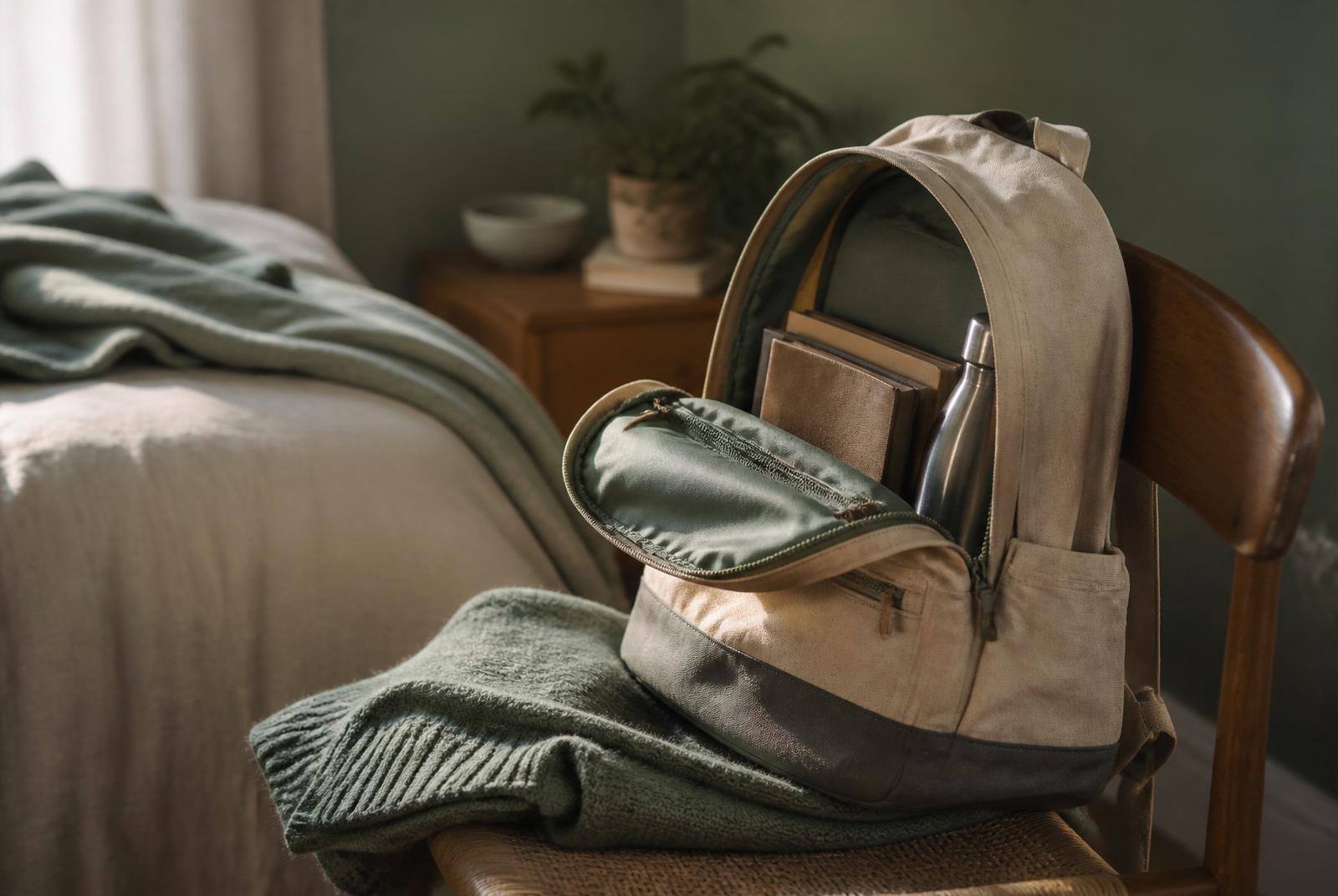
It is usually found by accident. In a pocket during laundry, at the bottom of a bag, tucked inside a pencil case. And in the seconds afterwards, most parents make the same mistake: they respond to the object instead of the child.
What happens in that first conversation shapes far more than whether the vaping stops. It determines whether your teenager brings you the next difficult thing — the party, the friend in trouble, the message they should not have sent. Honesty is a currency, and it is spent or earned in exactly these moments.
Why they started
Adults hear rebellion. In practice, four reasons come up again and again, and only one of them is defiance.
- Belonging — everyone in the group has one, and refusing is a social act, not a health decision.
- Regulation — it takes the edge off before an exam, a party, a difficult class.
- Curiosity — flavoured, cheap, everywhere, and marketed with precision.
- Habit — it stopped being a choice some time ago and became something their hand does.
What nicotine does to a developing brain
The adolescent brain is built for learning, which is precisely what makes it efficient at learning dependence. Reward pathways are highly responsive and habit formation is fast. A young person can become dependent at exposures that would leave an adult unaffected.
The cruellest part is the anxiety loop. Between uses, withdrawal produces restlessness, irritability and difficulty concentrating. The young person experiences this as anxiety, uses again, and feels immediate relief. From the inside, it looks like the vape is treating their anxiety. It is causing the version of it they are treating.
The Habit Loop
Every routine you want — and every one you don't — runs on the same four beats.
The first conversation
- 01Buy yourself an hour
"I found this. I'm not going to talk about it while I'm this surprised. Let's speak after dinner." This alone changes the outcome more than anything else on this page.
- 02Lead with the relationship
"I'm not here to catch you out. I want to understand it." Say it and then be quiet for longer than is comfortable.
- 03Map the when
Ask about situations, not motives. You are looking for whether this is social, anxious or automatic.
- 04Give the information once
Two clear sentences about dependence and the anxiety loop. Repeating it converts information into nagging.
- 05Make a small, specific, reviewable agreement
Reduction beats prohibition. Write it down, set a date to revisit it, and keep your side of it.
If they are trying to stop
Expect two rough weeks. Irritability, restlessness, disrupted sleep and low mood are physiological, not attitude. Say so out loud — young people find it enormously steadying to be told that the difficulty is expected and temporary. Replace the ritual, not just the substance: something to hold, somewhere to go, someone to text at the moments the map identified.
The first ten minutes decide the next two years. Curiosity keeps the conversation; fury ends it.
Sian Trombley, Canadian Certified Counsellor
What you can try this week
Delay the conversation by an hour
Say "I found this, we'll talk later today" and use the hour to lower your own heart rate. Nothing useful is said in the first ten minutes of shock.
Ask about the job it does
"When do you use it?" tells you far more than "why do you do it?" — the pattern reveals whether this is social, anxious or habitual.
Make one specific agreement
Not "stop". Something like: none at home, none before school, and we revisit in two weeks. Specific, reviewable agreements survive contact with adolescence.
- React to the young person, not the device — the first response determines the next twelve months of honesty.
- Nicotine dependence forms faster in adolescence and often masquerades as anxiety relief.
- Most teenagers vape for regulation or belonging, not rebellion.
- Curiosity and a specific plan beat confiscation and lectures.
- Withdrawal is real: irritability, poor sleep and low mood are physiological, not defiance.
What did I use at their age to take the edge off?
Is my reaction about their health, or about what it says about my parenting?
Do they believe they can tell me a hard thing without losing something?
Printable resources
Recommended Thrive courses
This article is educational and is not a substitute for individual clinical advice. Comments are closed so the Journal stays a calm place to read.
Share this
Keep going
You may also like
Courses, worksheets and pathways from the same part of the library.
- JournalThe First Ten Minutes: When You Discover Your Child Is Self-HarmingYou saw something you were not meant to see. Every instinct is shouting at once — fix it, remove it, demand a promise. Almost all of those instincts will close the door.Read
- JournalWhen Your Teenager Stops Talking to YouThe door closes, the answers shrink to one word, and you are left wondering what you did. Here is what adolescent silence usually means — and how to stay close through it.Read
- ResearchThe Research LibraryPeer-reviewed parenting and child mental health research, translated into plain language.Read
- Thrive GuideThrive GuideAsk a question and get warm, evidence-informed guidance drawn from the Thrive library.Read
- Thrive Care PlanThrive Care PlanA short check-in that turns how your week actually went into one focused plan.Read
- Thrive ToolThrive ToolsPremium printable workbooks and therapeutic tool kits.Read