The Door That Stays Shut: When a Teenager Will Not Leave Their Room
A teenager retreating to their room is developmentally normal. Knowing when it is something more is the skill.
Reviewed by Sian Trombley, CCCFounder, Thrive Family Company
8 min read
Best for parents of children who are…
- withdrawing during the teenage years
- struggling to say what is really going on
- needing extra emotional support at the moment

Share this
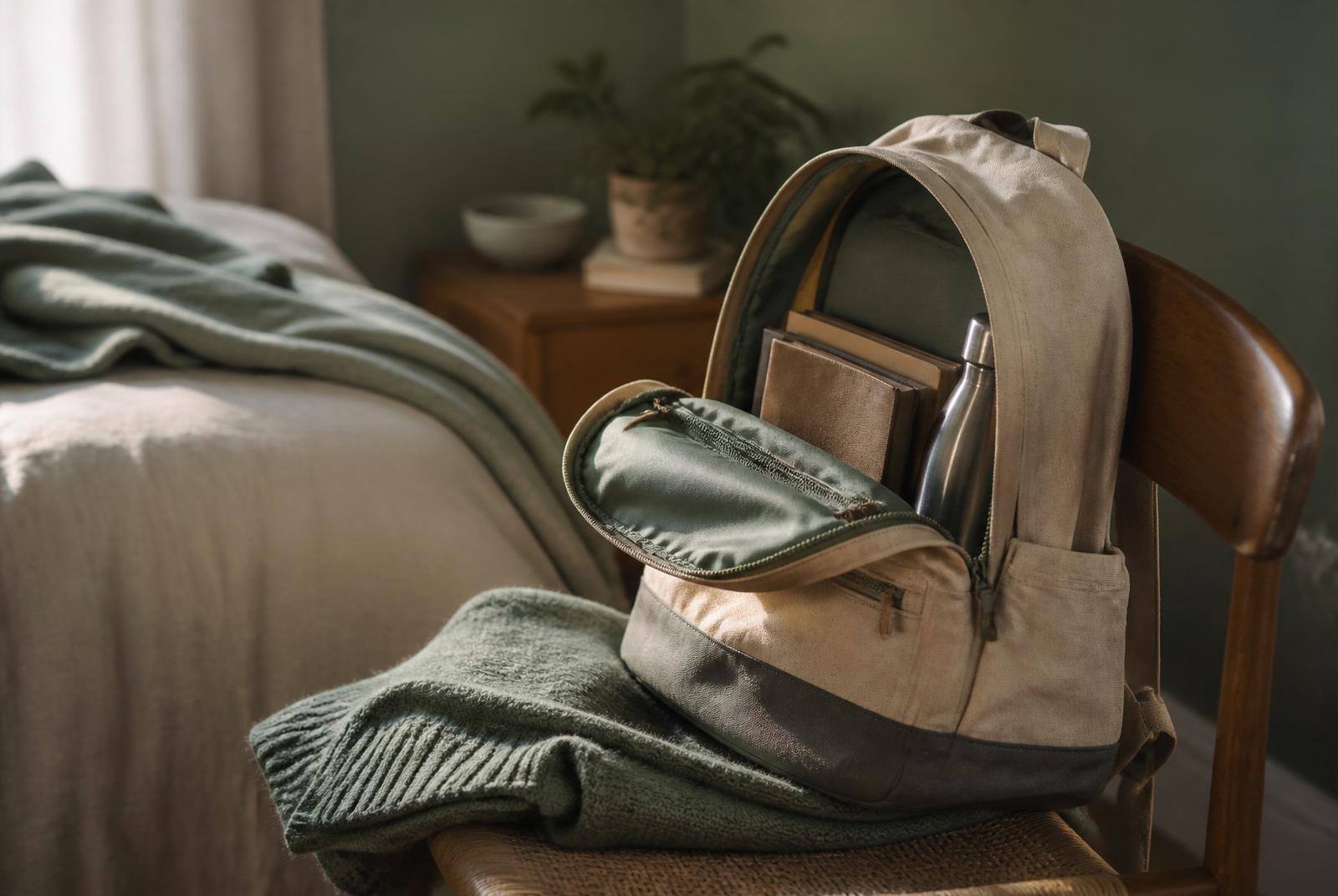
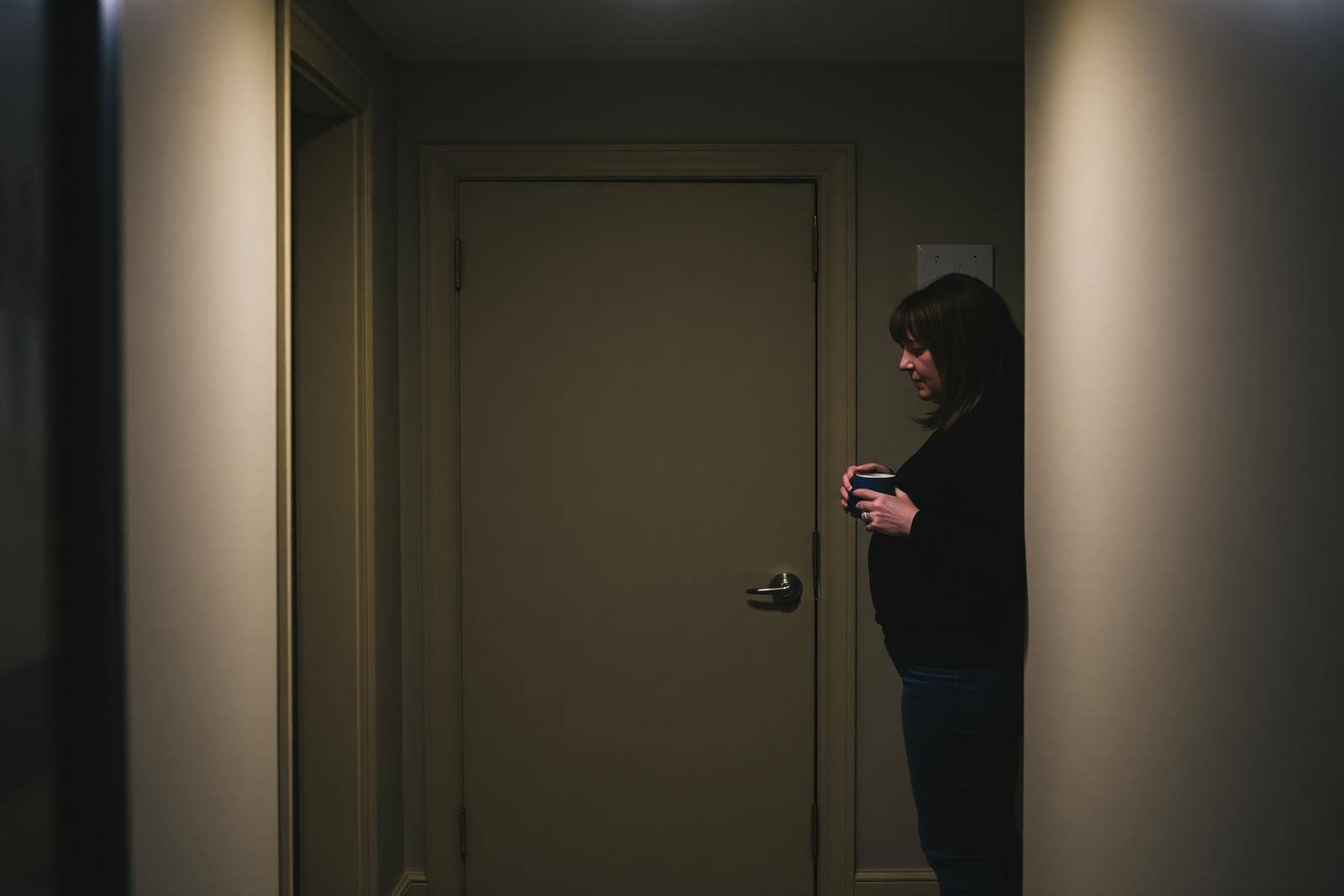
They come home, say something adjacent to hello, and go upstairs. The door closes at four and next opens at eight for food. This has been the pattern since about October.
Why the door closes
A teenager's job is to build a self that is not you. That requires somewhere unobserved. Their bedroom is the only territory they control, and closing the door is less a rejection than a boundary being tested for the first time.
There is also exhaustion. Secondary school demands seven hours of continuous social performance. The room is where the performance stops.
The three things to check
Ignore the hours behind the door and look at three markers instead. Friendships: is there anyone, online or off, they still choose to spend time with? Function: school, hygiene, eating, sleep. Pleasure: is there anything they still enjoy?
All three intact means privacy. Two of three fading over several weeks means withdrawal, and that is worth acting on.
- 01Reduce the demand
Fewer questions on entry. Comment, don't interview.
- 02Bring something
Food, drink, a charger. A reason to be there that costs them nothing.
- 03Protect one shared ritual
One fixed point a week that everyone attends. Name it, defend it.
- 04Watch the three markers
Friendships, function, pleasure. Note changes monthly, not daily.
- 05Say the open sentence
'You don't have to talk to me. I'd just like to know you're okay.' Then let it sit.
Getting back in without knocking the door down
Access is not won through questioning. It is won through repeated, undemanding presence — the drink brought up, the comment made and not followed up, the lift offered.
Alongside that, hold one or two non-negotiables: a shared meal, a Sunday walk, coming out when someone visits. Not everything can be optional, and most teenagers privately want a family that still requires their presence.
A closed bedroom door is not a wall. It is a request for privacy that still wants somebody on the other side of it.
Sian Trombley, Canadian Certified Counsellor
What you can try this week
Deliver, don't interrogate
A drink, a plate, a short comment, then leave. Presence with no demand rebuilds access over weeks.
Keep one shared anchor
One meal, one lift, one show. Small, regular and non-negotiable beats occasional big conversations.
Do side-by-side, not face-to-face
Ask for help with something practical. Talking happens over tasks.
- Wanting privacy at fourteen is developmentally normal.
- Check friendships, function and pleasure — not door hours.
- Low-demand contact gets more than questioning.
- Non-negotiable shared moments protect connection.
- Withdrawal plus lost enjoyment for weeks needs professional input.
Are they choosing privacy or avoiding something?
What still gives my teenager genuine pleasure?
When did we last do something together that was not a conversation?
Printable resources
Recommended Thrive courses
This article is educational and is not a substitute for individual clinical advice. Comments are closed so the Journal stays a calm place to read.
Share this
Keep going
You may also like
Courses, worksheets and pathways from the same part of the library.
- JournalWhen Your Teenager Stops Talking to YouThe door closes, the answers shrink to one word, and you are left wondering what you did. Here is what adolescent silence usually means — and how to stay close through it.Read
- JournalThe First Ninety Seconds: When Your Teenager Comes OutYou do not have to have the right words. You have to have a warm face and an open door — the rest can be built over months.Read
- ResearchThe Research LibraryPeer-reviewed parenting and child mental health research, translated into plain language.Read
- Thrive GuideThrive GuideAsk a question and get warm, evidence-informed guidance drawn from the Thrive library.Read
- Thrive Care PlanThrive Care PlanA short check-in that turns how your week actually went into one focused plan.Read
- Thrive ToolThrive ToolsPremium printable workbooks and therapeutic tool kits.Read