The Boys Who Went Quiet: Loneliness, Withdrawal and the Sons We Stop Reaching
Boys are not becoming less emotional. They are becoming less practised at showing it — and the window in which they let an adult in is narrower than most parents realise.
Reviewed by Sian Trombley, CCCFounder, Thrive Family Company
10 min read
Best for parents of children who are…
- withdrawing during the teenage years
- finding friendships difficult
- struggling to say what is really going on
- being hard on themselves

Share this
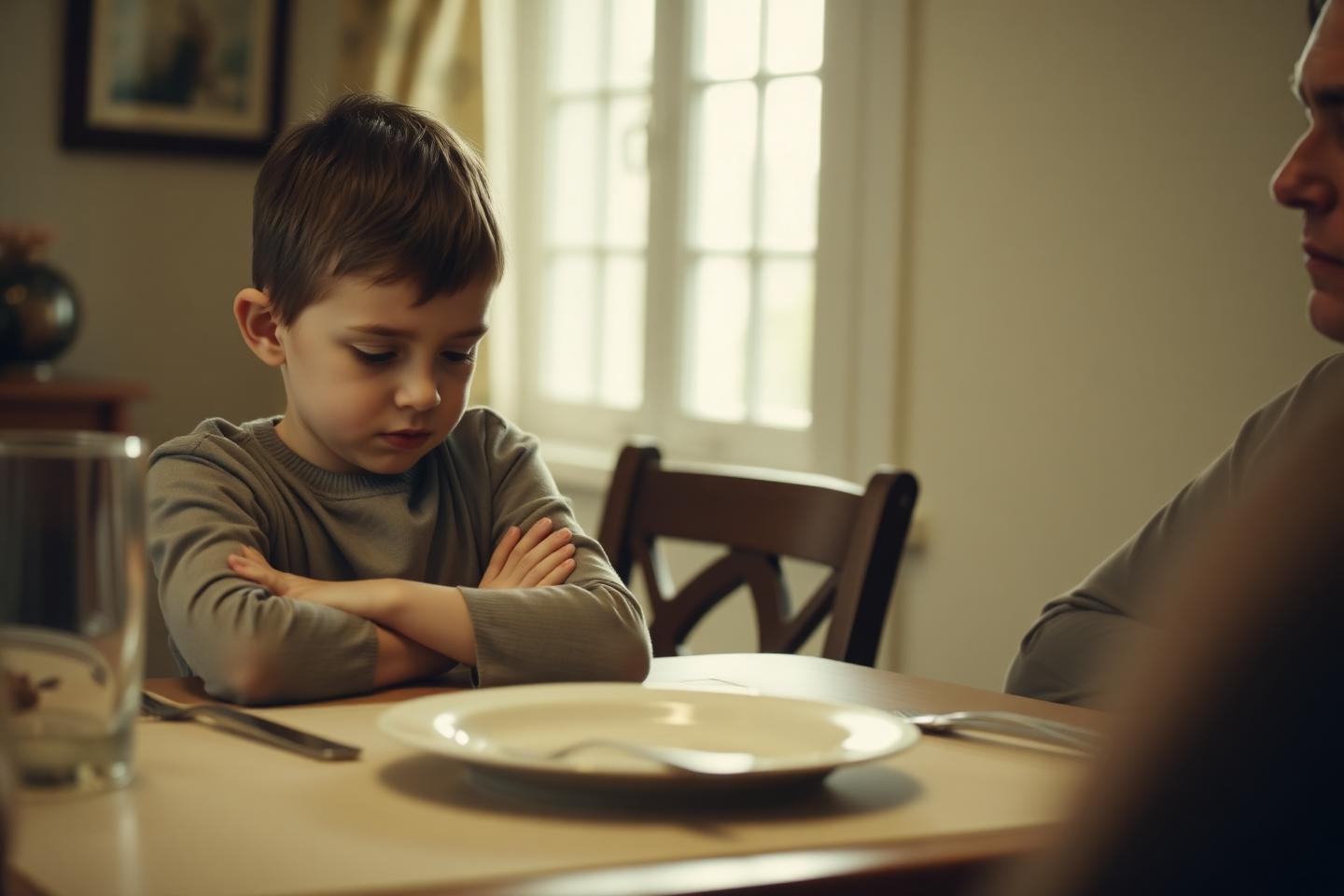
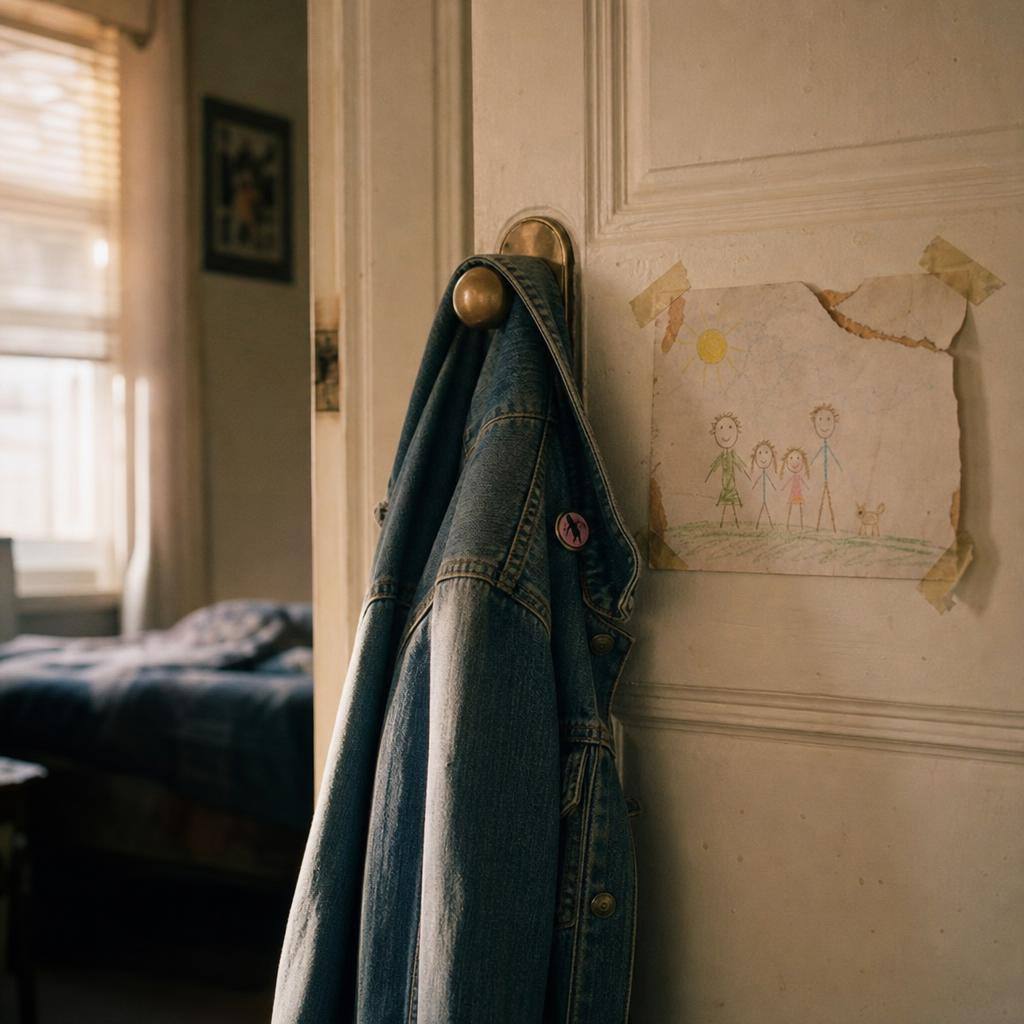
Somewhere around thirteen, a great many boys go quiet. Not sullen exactly, and not unhappy in any way they will confirm — simply less available. The door closes a little further each term, and parents find themselves negotiating with a bedroom.
The most common misreading is that he has stopped wanting connection. In my experience the wanting is entirely intact. What has changed is the price of asking for it, in a peer culture where needing something is the fastest route to being diminished.
What the loneliness figures actually describe
Boys typically do not have fewer friends. They have fewer friendships in which anything true gets said. Groups stay large and loyal; confiding shrinks. The result is a young man surrounded by people and structurally alone with anything that hurts.
- Banter is a genuine bond and a poor container — it maintains closeness while forbidding disclosure.
- Status hierarchies punish visible need, so distress goes underground rather than away.
- Boys are less often asked directly about feelings, by adults and by each other.
- Withdrawal reads to adults as rejection, so adults withdraw too, and the loop closes.
Why sideways works
Face-to-face conversation asks a young person to manage their words and their face at the same time, under observation, with the stakes visible. Remove one of those demands and the words become available.
- 01Change the geometry
Shoulder to shoulder rather than opposite. Cars, walks, washing up, passenger seats, kitchen tasks.
- 02Add a task
Hands occupied lowers the intensity. A controller, a ball, a chopping board.
- 03Make it finite
A journey with an end point is safer than an open-ended conversation with no exit.
- 04Under-react
Whatever arrives, receive it flatly and warmly. Visible alarm teaches him to edit the next version.
The sentence that keeps the door open
Notice that none of these require an answer. The purpose is not to extract information tonight; it is to establish that the offer exists and does not expire. Boys tend to use these offers on a delay — often days later, usually at an inconvenient hour, almost always while facing away.
What to watch for
Selective quiet is developmentally ordinary. Global withdrawal is not. If interests fall away, friendships stop entirely, sleep and appetite shift, irritability becomes constant, or he speaks about being a burden, treat it as you would a physical symptom of that severity and get help early. Boys ask later and less clearly, which means the adults around them need a lower threshold for acting.
A withdrawn boy is not choosing solitude. He is choosing the option that requires the least explanation.
Sian Trombley, Canadian Certified Counsellor
What you can try this week
Drive somewhere pointless
A car removes eye contact, adds a natural end point, and gives a boy something to look at. More is said in twelve minutes of driving than an hour at the kitchen table.
Reduce the question count
Swap three questions for one observation and a silence. "You've been quiet this week." Then wait. The wait is the technique.
Protect one shared activity
Weekly, low-stakes, side-by-side. The activity is not the point; the point is having a place where talking is optional and therefore possible.
- Withdrawal is usually protective, not hostile — the cost of speaking has risen, not the desire to be known.
- Boys disclose sideways: shoulder to shoulder, in motion, with a task in hand.
- Fewer confiding friendships is the pattern to watch, not fewer friends.
- Banter is a real friendship currency, but it cannot carry distress.
- Adults who tolerate long silences hear more than adults who ask better questions.
Who did I tell things to at sixteen?
Does my son see me talk about anything difficult, or only manage it silently?
Am I asking him to communicate in the way that suits me?
Printable resources
Recommended Thrive courses
This article is educational and is not a substitute for individual clinical advice. Comments are closed so the Journal stays a calm place to read.
Share this
Keep going
You may also like
Courses, worksheets and pathways from the same part of the library.
- JournalWhen Your Teenager Has No FriendsNothing dramatic happened. There was no falling out. The invitations simply thinned, and then they stopped.Read
- ResearchThe Research LibraryPeer-reviewed parenting and child mental health research, translated into plain language.Read
- Thrive GuideThrive GuideAsk a question and get warm, evidence-informed guidance drawn from the Thrive library.Read
- Thrive Care PlanThrive Care PlanA short check-in that turns how your week actually went into one focused plan.Read
- Thrive ToolThrive ToolsPremium printable workbooks and therapeutic tool kits.Read
- CollectionThe Resource LibraryFree printable worksheets, scripts and planners for families.Read