The Body That Changed Overnight
Puberty arrives earlier than most families are ready for. The conversation should arrive earlier still.
Reviewed by Sian Trombley, CCCFounder, Thrive Family Company
8 min read
Best for parents of children who are…
- struggling to say what is really going on
- being hard on themselves
- withdrawing during the teenage years

Share this
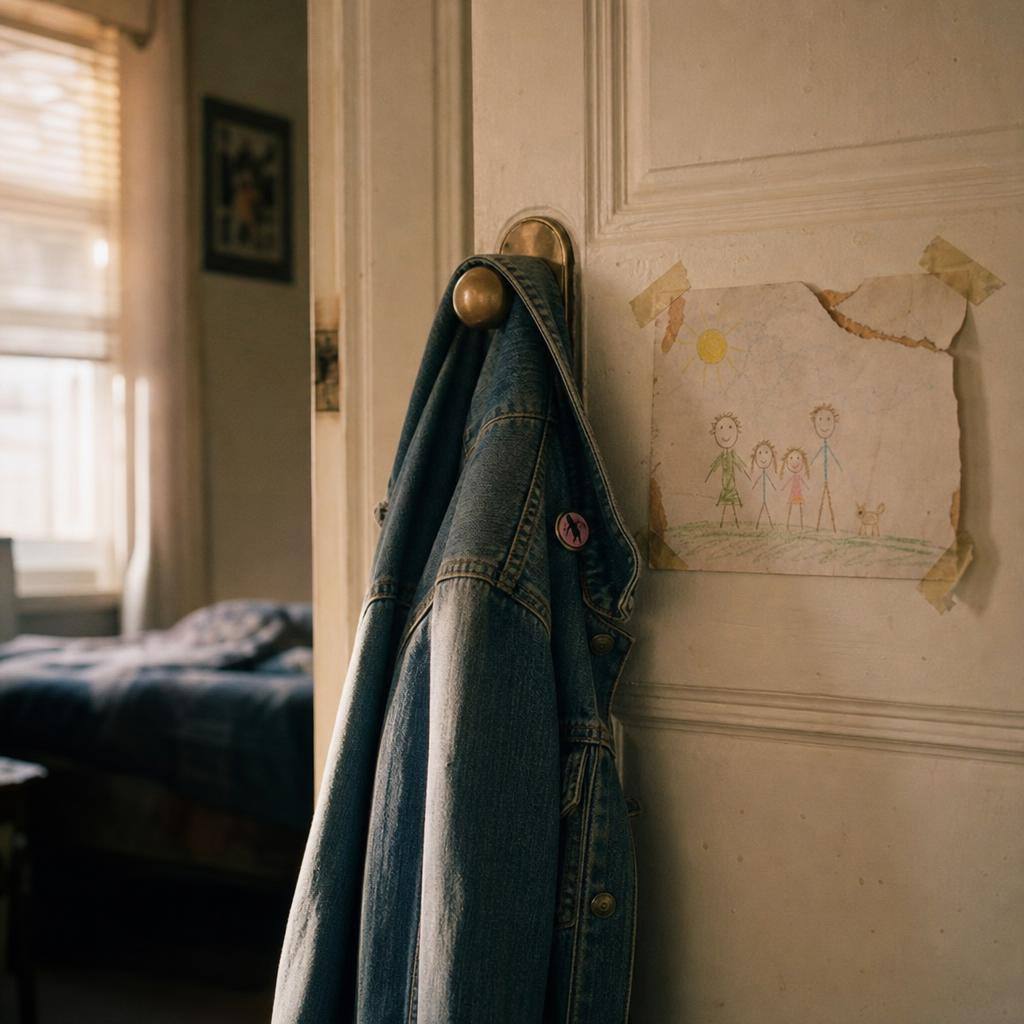
It happens over one summer. The bedroom door starts being closed. The mirror gets significantly more use. Shoulders round slightly in family photographs. And a parent realises that the conversation they had been saving for the right moment is already overdue.
Puberty is the largest physical change a human undergoes outside infancy, and it happens to someone with a child's coping resources and an adolescent's audience. What determines whether it feels like development or like something going wrong is almost entirely the quality of the information they had beforehand.
It starts earlier than you think
Breast development can begin at eight. Body odour and oily skin often show up at seven or eight, well before anything else, and are routinely mistaken for poor washing. If you plan to have the conversation at eleven, a meaningful number of children will already have gone through the frightening part alone.
How to have the conversation
- 01Start years too early, on purpose
Six or seven is not too soon for 'bodies change as they grow, and here's what happens'. Familiarity is the goal, not comprehension.
- 02Cover both bodies, whoever you are talking to
Boys need to understand periods; girls need to understand erections and voice changes. Ignorance about the other half is how cruelty in changing rooms starts.
- 03Use sideways moments
In the car, walking the dog, drying up. Direct eye contact raises the stakes. Shoulder-to-shoulder is where children talk.
- 04Say the sentence that keeps the door open
'Nothing about your body is a weird question. If you'd rather ask me by text, do that.' Then handle the first question without flinching — you are being tested.
Protecting body image while it happens
- Comment on what bodies do — climb, swim, carry, recover — not how they look.
- Stop appearance commentary about relatives, celebrities and yourself. All of it is heard.
- Never remark on a child's weight, even kindly, even once. They will remember the sentence at forty.
- Keep food morally neutral: no good foods, bad foods, or earning dessert.
- Assume the algorithm is teaching them about bodies daily, and out-talk it.
The privacy shift is not rejection
The closed door, the sudden objection to being hugged in front of friends, the reluctance to be seen changing — these are developmentally correct and worth respecting immediately. Knock. Wait. Ask before touching. A young person whose physical boundaries are honoured at home is dramatically more likely to expect the same elsewhere, and to tell you when they do not get it.
You are not trying to make puberty comfortable. It is not comfortable. You are trying to make sure that when it happens, your child already has the words for it, already knows it is ordinary, and already knows exactly which adult to go to first.
Puberty does not ask permission. What a child needs is not information alone, but somebody unembarrassed by it.
Sian Trombley, Canadian Certified Counsellor
What you can try this week
Use the real words, in ordinary rooms
Anatomical names, said calmly, in the kitchen. Euphemisms teach children that these parts of them are unspeakable, and unspeakable is unsafe.
Prepare the practical kit before it is needed
Products in the bathroom cupboard, deodorant on the shelf, a spare set in the school bag. Preparation removes the emergency from the first day.
Audit your own body talk
For seven days, notice every comment about your weight, a diet, someone's appearance on television. Children learn what bodies are for from that running commentary, not from your speech about self-esteem.
- Puberty commonly begins between eight and thirteen in girls, nine and fourteen in boys.
- Children who are told in advance experience the changes as far less frightening.
- Early developers face the highest psychological risk and need the earliest conversation.
- How adults talk about their own bodies is absorbed completely.
- One big talk fails; twenty small ones work.
What was I told about my own puberty, and by whom, and how did it feel?
Would my child come to me first, or check with the internet first?
Am I waiting for the right moment, or waiting because it is uncomfortable?
Printable resources
Recommended Thrive courses
This article is educational and is not a substitute for individual clinical advice. Comments are closed so the Journal stays a calm place to read.
Share this
Keep going
You may also like
Courses, worksheets and pathways from the same part of the library.
- JournalThe Mirror in the Hallway: Body Image in Early AdolescenceThey have started checking. Sideways in the hallway mirror, pulling a jumper down, asking a question about their legs that you are not sure how to answer.Read
- ResearchThe Research LibraryPeer-reviewed parenting and child mental health research, translated into plain language.Read
- Thrive GuideThrive GuideAsk a question and get warm, evidence-informed guidance drawn from the Thrive library.Read
- Thrive Care PlanThrive Care PlanA short check-in that turns how your week actually went into one focused plan.Read
- Thrive ToolThrive ToolsPremium printable workbooks and therapeutic tool kits.Read
- CollectionThe Resource LibraryFree printable worksheets, scripts and planners for families.Read