Ten Past Midnight: How Much Sleep a Teenager Actually Needs
Your teenager is not staying up late to defy you. Their body clock has genuinely moved — and almost everything else you are worried about runs downstream of this.
Reviewed by Sian Trombley, CCCFounder, Thrive Family Company
8 min read
Best for parents of children who are…
- finding it hard to settle or stay asleep
- needing extra emotional support at the moment
- going through a change at home or at school

Share this
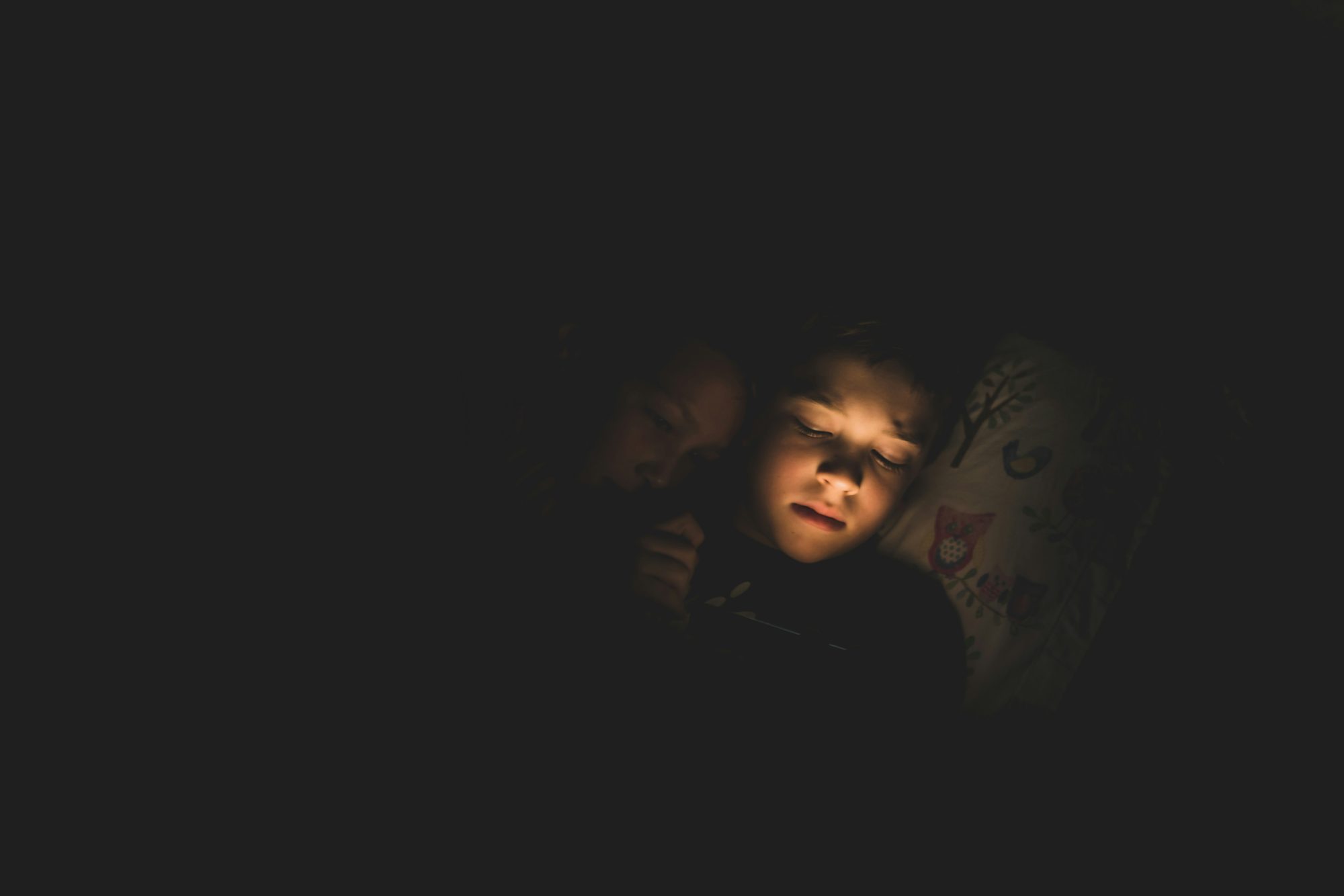
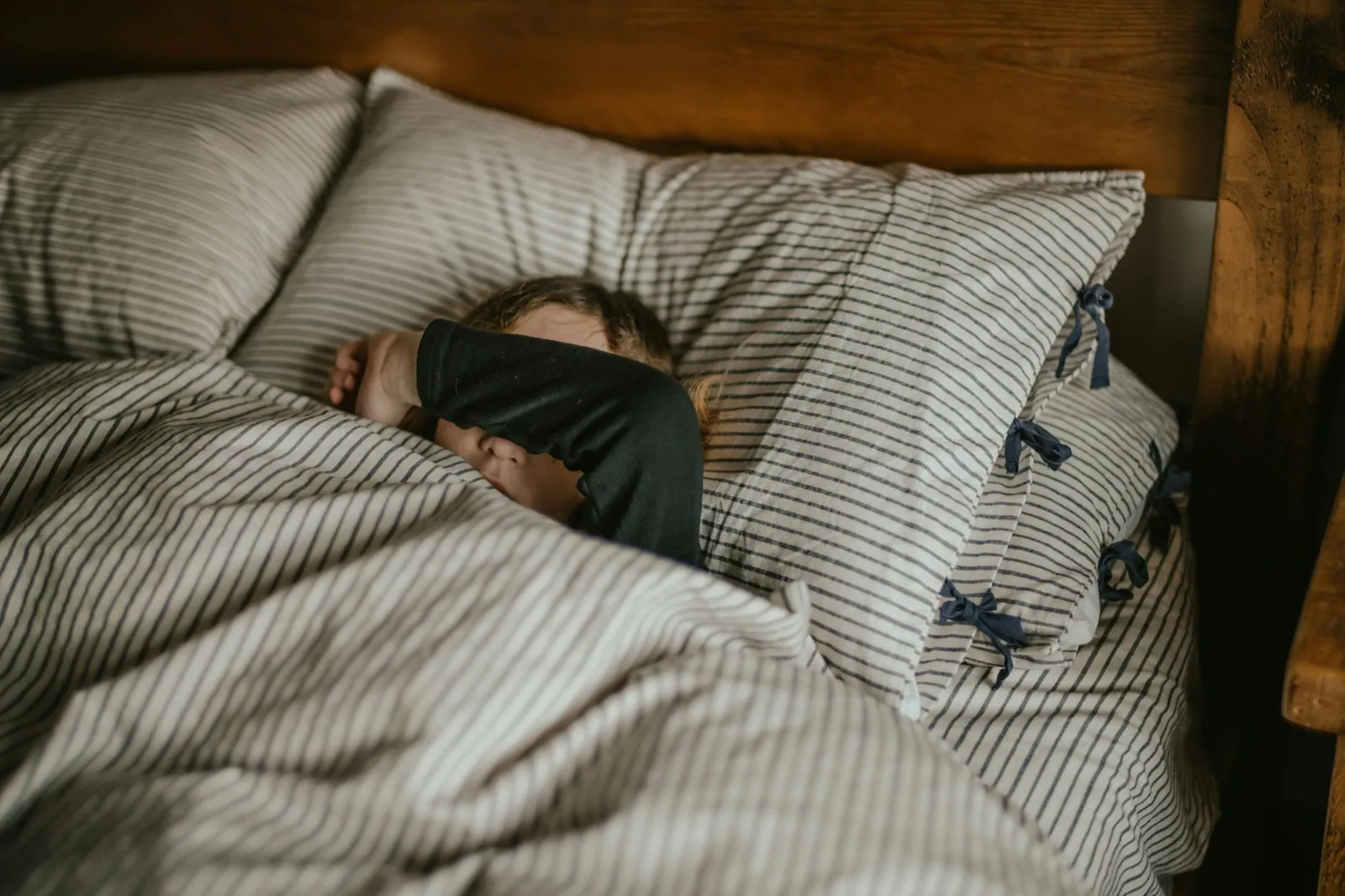
You go up at half past eleven and the light is still on under the door. In the morning you will attempt something close to resurrection, and by four in the afternoon they will be flat on the sofa, furious with you for reasons neither of you can name.
It is one of the most common conflicts in a household with a teenager in it, and one of the most misdiagnosed — because it looks like a discipline problem and is, almost entirely, a timing problem.
The actual numbers
- Ages 6–12: nine to twelve hours a night.
- Ages 13–18: eight to ten hours a night.
- For a teenager waking at seven, that means asleep — not in bed — before eleven.
- Surveys routinely find most adolescents fall two or more hours short on school nights.
Why bedtime moved without asking you
- 01Melatonin arrives later
Through puberty, the evening rise in melatonin shifts by one to two hours. The signal to sleep simply comes later than it did at ten years old.
- 02Sleep pressure builds more slowly
Adolescents accumulate the drive for sleep at a slower rate, so they can stay alert deep into the evening without feeling tired.
- 03School times did not shift
The alarm still goes at seven. The sleep window is compressed from the front and cut from the back.
- 04Debt accrues across the week
By Thursday, a teenager can be carrying five or six hours of deficit — which is where the mood, the memory lapses and the flatness come from.
“Before you address the attitude, address the arithmetic. A great deal of what we call teenage moodiness is simply a person operating on two-thirds of the sleep they need.”
Sian Trombley
A plan that will not start a war
A teenager's body clock is not defiance. Biology moved the evening, and school did not move with it.
Sian Trombley, Canadian Certified Counsellor
What you can try this week
Move the wake time, not the bedtime
You cannot legislate sleep onset. You can anchor the morning. A consistent wake time within an hour, seven days a week, drags the whole clock earlier.
Ten minutes of morning light
Curtains open, breakfast by a window, or the walk to the bus without a hood up. Light exposure in the first hour is the strongest available signal.
Negotiate the charger, not the phone
Agree a charging location outside the bedroom, with your own phone included. A rule the adults follow stops being a punishment.
- Teenagers need 8–10 hours. Most get closer to six and a half on school nights.
- Melatonin release shifts later in puberty — sleepiness genuinely arrives later.
- Weekend lie-ins repay some debt but widen the phase shift, making Monday harder.
- Short sleep looks like irritability, low motivation and poor concentration long before it looks like tiredness.
- Morning light is more powerful than evening rules for resetting the clock.
Am I treating a biological shift as a character flaw?
What time does my teenager actually fall asleep, as opposed to go to bed?
Which of our evening arguments would simply disappear with an extra ninety minutes?
Printable resources
Recommended Thrive courses
This article is educational and is not a substitute for individual clinical advice. Comments are closed so the Journal stays a calm place to read.
Share this
Keep going
You may also like
Courses, worksheets and pathways from the same part of the library.
- Learning PathwayRaising TeensA guided Learning Pathway from Thrive Family Company.Read
- Learning PathwayMental Health First Aid for TeensA guided Learning Pathway from Thrive Family Company.Read
- CollectionRaising TeensEverything Thrive publishes on raising teens — articles, courses, worksheets and research.Read
- Thrive Resource GuideRaising TeensTherapist-reviewed books, apps, websites and tools for raising teens.Read
- Thrive Resource GuideMental Health First Aid for TeensTherapist-reviewed books, apps, websites and tools for mental health first aid for teens.Read
- JournalThe Teenager Who Sleeps All WeekendIt is two in the afternoon and the curtains are still shut. Before you knock, it is worth knowing what you are looking at.Read