
Article
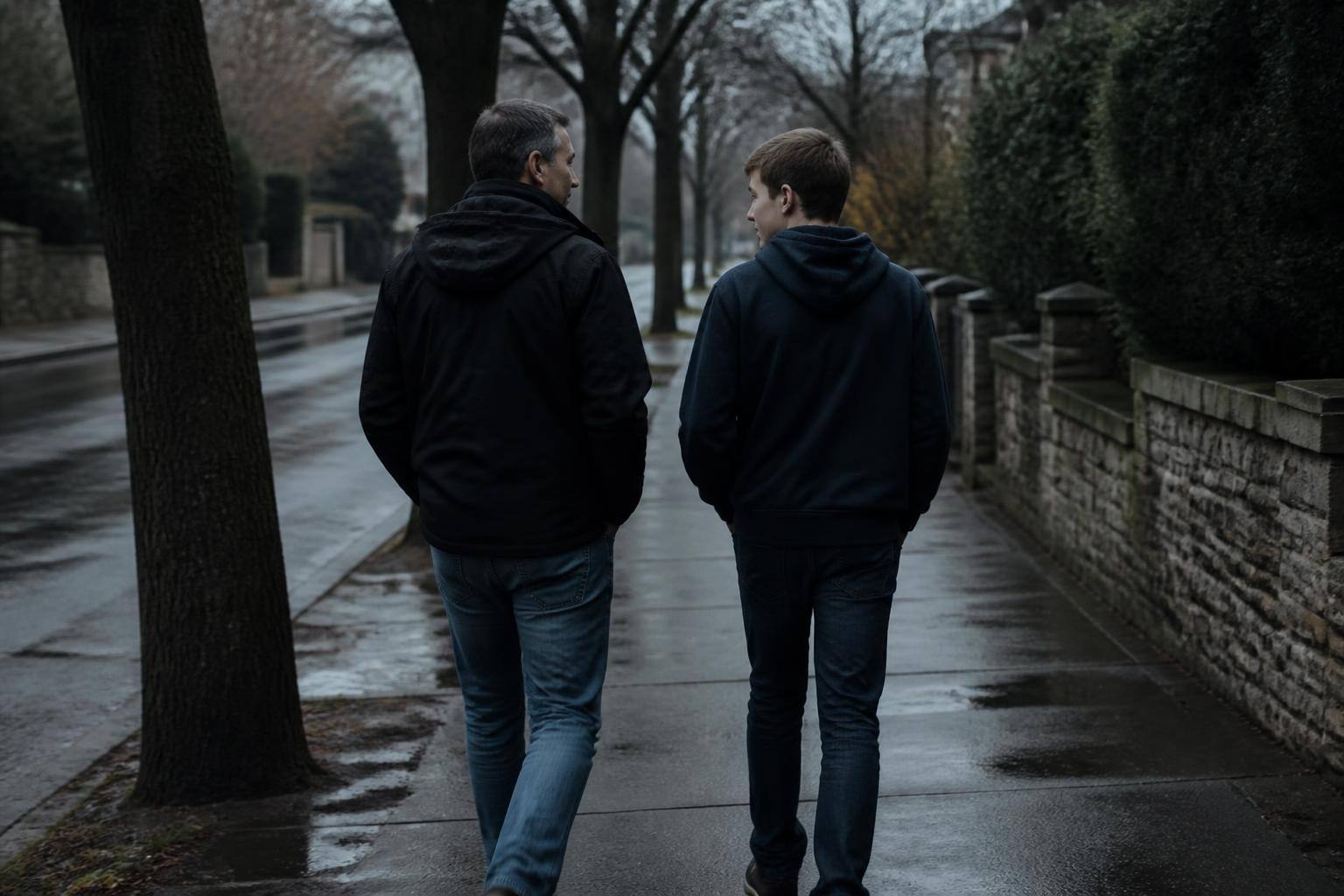
Four People Before Breakfast: Teenage Mood Swings
Delightful at eight in the morning. Devastating at four. Silent by seven. You are not imagining it, and you are not handling it badly.

How to recognise, respond to and stay steady through a teenager's mental health crisis — including the conversations most parents are never taught to have.
Start here“You do not need to be a clinician to make the difference that matters. Most young people in trouble are helped first by an ordinary adult who noticed, asked directly about safety, and stayed with the answer long enough to get help alongside them. Knowing what to say is itself protective. The goal is not to diagnose—it is to make sure no teenager carries something dangerous alone.”
A narrated introduction — why you don't need to be a clinician to make a difference, how to ask directly about safety, and why knowing what to do is itself protective.
Narrated · 1 min
One thing to understand, one way to learn it properly, one thing to try this week.
It is not that they have stopped trying. It is that trying has become more expensive than they can currently afford.
The books, apps, podcasts and organisations we actually recommend to families living with anxiety — reviewed by a registered therapist, and narrowed down to what earns its place.
A comprehensive foundation in helping skills for teens 13–18 — noticing, listening, responding and knowing when to bring in an adult.
8 modules · $99 · Coming soon
A structured journey through mental health first aid for teens — built to be taken in order, or started wherever you are today.

The foundations — for teens, by design.
Warning signs, changes and when to be concerned.

Listen well, help wisely, protect yourself.

Coping skills, confidence and a growth mindset.

Screens, comparison and staying well online.
Trusted adults, school supports and crisis care.
Six Focused Course Bundle — every focused course in Mental Health First Aid for Teens, $199.
Complete Pathway — Foundations plus every course in Mental Health First Aid for Teens, $249.
Delightful at eight in the morning. Devastating at four. Silent by seven. You are not imagining it, and you are not handling it badly.
Depression, self-esteem, body image and low mood in children and teenagers — resources that hold hope without pretending things are fine.
Plain-language summaries of the studies behind the guidance — what was found, how strongly, and what it does and doesn't mean at home.
The comprehensive start-here course — the ADHD brain, executive function, time and motivation, emotion, routines, school, confidence and a longer-term family plan.
It is not that they have stopped trying. It is that trying has become more expensive than they can currently afford.
The books, apps, podcasts and organisations we actually recommend to families living with anxiety — reviewed by a registered therapist, and narrowed down to what earns its place.
Delightful at eight in the morning. Devastating at four. Silent by seven. You are not imagining it, and you are not handling it badly.
Depression, self-esteem, body image and low mood in children and teenagers — resources that hold hope without pretending things are fine.
Self-harm, panic, suicidal thoughts and crisis — the resources to have before you need them, chosen for accuracy under pressure.
Separation, co-parenting and blended families — resources that protect children from the conflict rather than from the facts.
He weighs his chicken. He's fifteen. You noticed the app before you noticed the mirror, and you're not sure which one to worry about.
The car pulls off the drive without you in it. Every parent describes the same feeling, and almost nobody talks about it.
They have started checking. Sideways in the hallway mirror, pulling a jumper down, asking a question about their legs that you are not sure how to answer.
Nothing is going wrong. The grades are excellent, the teachers are delighted, and your child cannot start an essay without crying and cannot stop once they have.
The medical care is usually excellent. The part nobody hands you a leaflet about is how to keep the illness from becoming the whole personality.
It is 11:30 PM. The essay is written, rewritten, deleted, and written again. To the outside world, they are a dedicated student; inside, they are trapped in a loop where anything less than flawless feels like catastrophe.
The pattern is the point. Something happens at the exact moment an activity stops being new and starts being measurable.
Many parents go quiet after their child comes out — not from rejection, but from fear of getting the words wrong. That silence can land harder than an imperfect sentence. What your child needs isn't a flawless vocabulary. It's a parent willing to stay present, notice mistakes, and repair them.
Laziness is a verdict. Overwhelm is a description. Only one of them tells you what to do next.
The payslip is never really about the money. It is the first evidence a teenager has that the world outside their family will pay for who they are.
This reflection invites you to look closely at the moments where your child feels capable and the subtle hurdles that might hinder their self-assurance. We will consider how their environment and your interactions provide a foundation for their growing independence.
This reflection invites you to observe where your child is currently leaning into autonomy and where they still require your scaffolding. It clarifies the distinction between a child's capability and their emotional confidence in acting alone.
Thrive Guide can help you find the courses, tools and resources that fit what your family is navigating right now.