The Dark at Four O'Clock: Seasonal Low Mood in Children
Every autumn, families arrive describing a child who has changed — flatter, heavier, harder to move. The clocks went back six weeks ago. That is not a coincidence, and it is more treatable than most parents realise.
Reviewed by Sian Trombley, CCCFounder, Thrive Family Company
10 min read
Best for parents of children who are…
- Flatter and heavier from late October onwards
- Impossible to wake, then reluctant to go out at all
- Craving carbohydrates and dropping activities they used to love

Share this
In September they were fine. Fine in a way you did not particularly notice, which is the best kind. By mid-November they are somebody else: impossible to wake, monosyllabic after school, dropped out of the thing they loved, in bed by eight and still exhausted at seven. You have been through the list — friendships, teachers, phone, something at school — and found nothing. Because there is nothing. The light went.
It looks nothing like adult depression
Parents look for sadness, which is why this gets missed for a whole term. In children and adolescents, seasonal low mood is far more often a shutdown than a sorrow.
- Fatigue that sleep does not touch — long nights, still flat.
- Irritability rather than tearfulness. Short-fused, especially in the morning.
- Withdrawal: clubs dropped, invitations declined, more time in the bedroom.
- Appetite change, typically towards carbohydrates and more of them.
- Effort collapse at school — homework taking three times as long for the same output.
- A specific, striking difficulty getting out of bed that was not there in the summer term.
What is actually happening biologically
Three mechanisms, all of which you can influence.
- 01The body clock loses its anchor
Morning light is the primary signal that sets the circadian system each day. In winter, children leave for school before it is properly light and come home after dark, so the clock drifts. A drifting clock produces late sleep onset, unrefreshing sleep and morning grogginess that can last hours.
- 02Melatonin timing shifts
Longer nights and dim days delay the whole melatonin cycle, so the sleep signal arrives late and the wake signal arrives late too. Adolescents already have a biologically delayed clock at puberty; winter compounds it.
- 03Activity and daylight collapse together
Outdoor time falls off a cliff in November, taking movement, social contact and light exposure with it. Each of those independently supports mood. Losing all three at once is a large hit for a small person.
The morning-light protocol
This is the intervention with the best return on effort, and it is free. Indoor lighting is roughly 100–300 lux; an overcast winter morning outdoors is 1,000–10,000. Your child does not need sunshine. They need to be outside.
- 01Aim for 20–30 minutes of outdoor daylight before nine, every day it is possible.
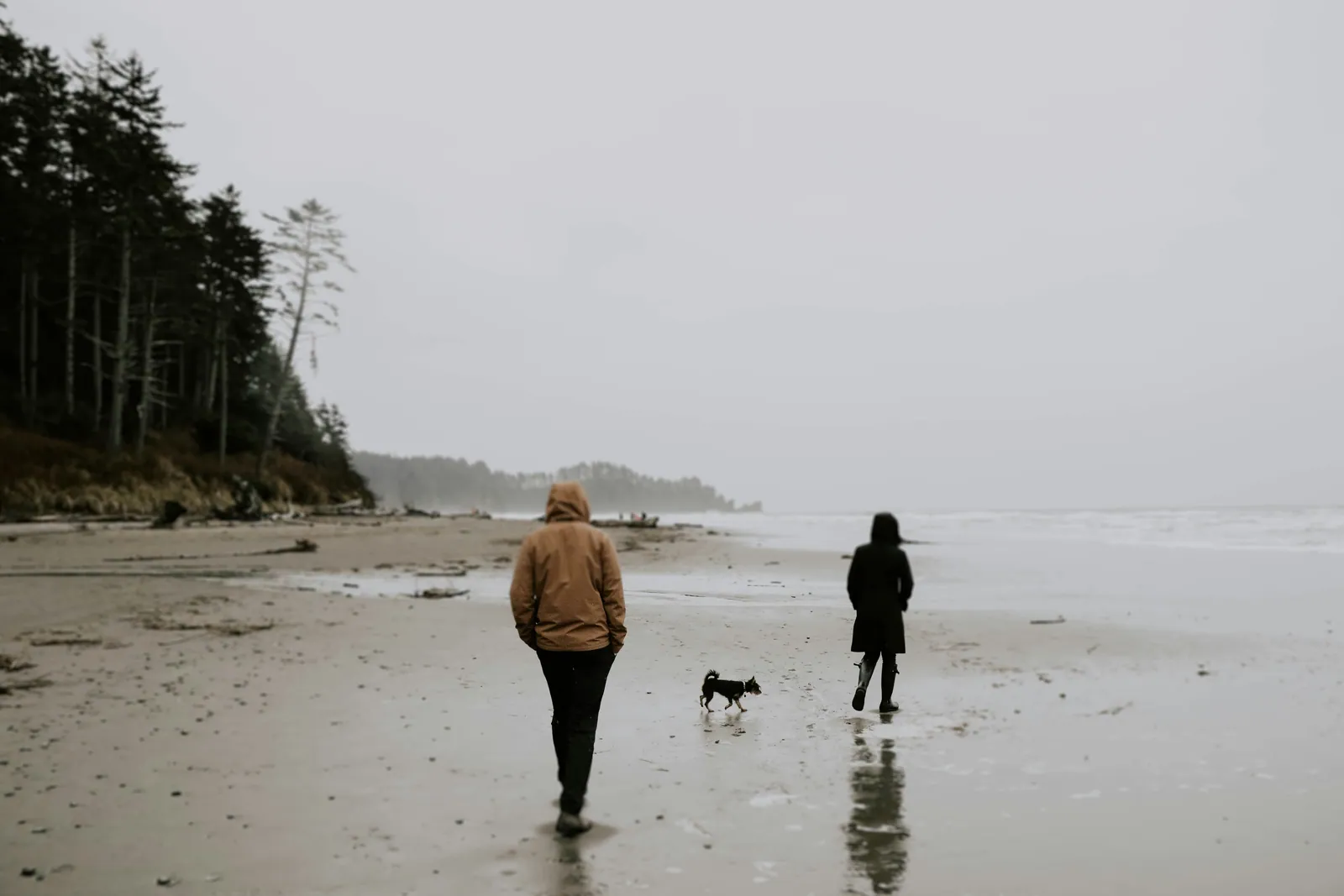
- 02Build it into something that already happens: park further away, walk the last stretch, take the dog, eat breakfast by the brightest window with the curtains fully open.
- 03Open the curtains the moment you wake them, before speaking. Light first, conversation second.
- 04On genuinely impossible mornings, get the light at lunchtime rather than skipping it.
- 05Hold the same wake time at weekends, within an hour. A 10am Sunday lie-in undoes four days of resetting.
Keep them moving, even badly
Behavioural activation — deliberately maintaining valued activity when motivation has gone — is one of the best-evidenced treatments for low mood, and it is unusually well suited to winter. The rule is that action comes first and motivation follows, not the other way round.
- Pick one activity with high mood return and protect it absolutely. One is enough.
- Reduce the dose rather than cancelling: half the session, one lap, twenty minutes.
- Front-load the week. Enthusiasm on Monday is a real resource; Thursday is not.
- Pair movement with light where you can — a walk beats an indoor session on a winter morning.
- Do it with them. A withdrawn child rarely goes alone, and company halves the activation cost.
The evening half of the job
Modern winter evenings are, biologically speaking, far too bright. Overhead lighting and screens at ten at night tell a body clock that has already lost its morning signal that the day is still going.
- Switch from overheads to lamps after about seven.
- A firm device curfew for the household, adults included — it fails otherwise.
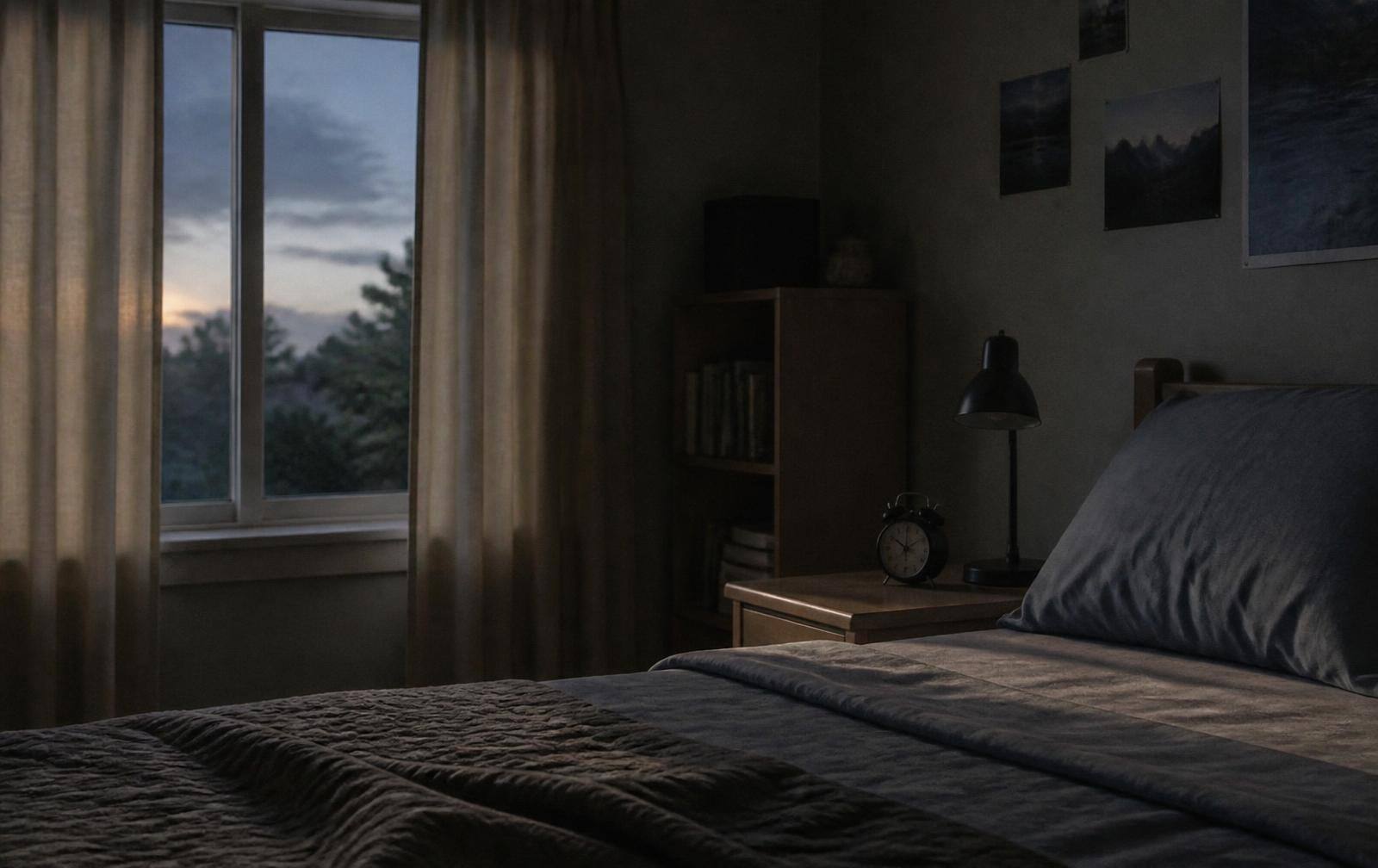
- Keep the bedroom for sleep, cool and genuinely dark.
- Same wind-down every night. Predictability is a circadian cue in its own right.
What else to rule out
Before concluding that it is the season, check the things that also arrive in November: a fallout that has not been mentioned, mounting assessment pressure, illness, and — commonly and quietly — iron or vitamin D deficiency. A GP appointment for persistent unexplained fatigue is reasonable and often useful.
And the thing that helps more than any of it
Being told that it is not their fault. Children conclude very quickly that a winter version of themselves who cannot get up, cannot be bothered and cannot enjoy things is a worse person. Naming the mechanism out loud — the light, the clock, the season — removes a layer of shame that was doing real harm on its own.
“'You are not lazy. It is dark at four o'clock and your brain is running on a fraction of the light it needs. We can work with that.'”
Children do not need a perfect parent. They need a predictable one who returns after hard moments.
Sian Trombley, Canadian Certified Counsellor
What you can try this week
Buy the morning back
Twenty to thirty minutes of outdoor daylight before school — walking the last stretch, breakfast by the brightest window, the dog, the bins. Overcast daylight still beats indoor lighting by an order of magnitude.
Protect one thing they used to enjoy
Withdrawal accelerates the dip. Pick the single activity with the best mood return and defend it in the calendar, even at reduced dose.
Make the evening dimmer, deliberately
Lamps rather than overheads after seven, screens down a notch, and a fixed wind-down. You are giving the body clock the darkness signal winter evenings no longer provide indoors.
- Seasonal mood change is real in children and becomes much more common after puberty.
- In young people it usually looks like fatigue, irritability and withdrawal — not sadness.
- Morning light is the strongest lever you have; evening light is the one to reduce.
- Adolescent body clocks already run late; dark mornings push them further out of sync.
- Persistent low mood past six weeks, or any hopelessness, needs a GP conversation regardless of season.
What time did my child last see daylight before nine in the morning?
Which activities have quietly dropped off since the clocks changed?
Am I treating the change as a behaviour problem when it may be a biological one?
Printable resources
Recommended Thrive courses
This article is educational and is not a substitute for individual clinical advice. Comments are closed so the Journal stays a calm place to read.
Share this
Keep going
You may also like
Courses, worksheets and pathways from the same part of the library.
- ResearchThe Research LibraryPeer-reviewed parenting and child mental health research, translated into plain language.Read
- Thrive GuideThrive GuideAsk a question and get warm, evidence-informed guidance drawn from the Thrive library.Read
- Thrive Care PlanThrive Care PlanA short check-in that turns how your week actually went into one focused plan.Read
- Thrive ToolThrive ToolsPremium printable workbooks and therapeutic tool kits.Read
- CollectionThe Resource LibraryFree printable worksheets, scripts and planners for families.Read
- JournalThe Child With No Off SwitchMost families get quieter after dinner. Yours gets louder, faster and more airborne, and nobody knows how to land it.Read