The Things They Used to Love: When Nothing Is Fun Any More
Childhood depression rarely looks like sadness. It looks like a child who has quietly stopped wanting anything — and who is easy to mistake for lazy, moody or grown out of it.
Reviewed by Sian Trombley, CCCFounder, Thrive Family Company
10 min read
Best for parents of children who are…
- going from calm to overwhelmed very quickly
- needing extra emotional support at the moment
- going through a change at home or at school

Share this
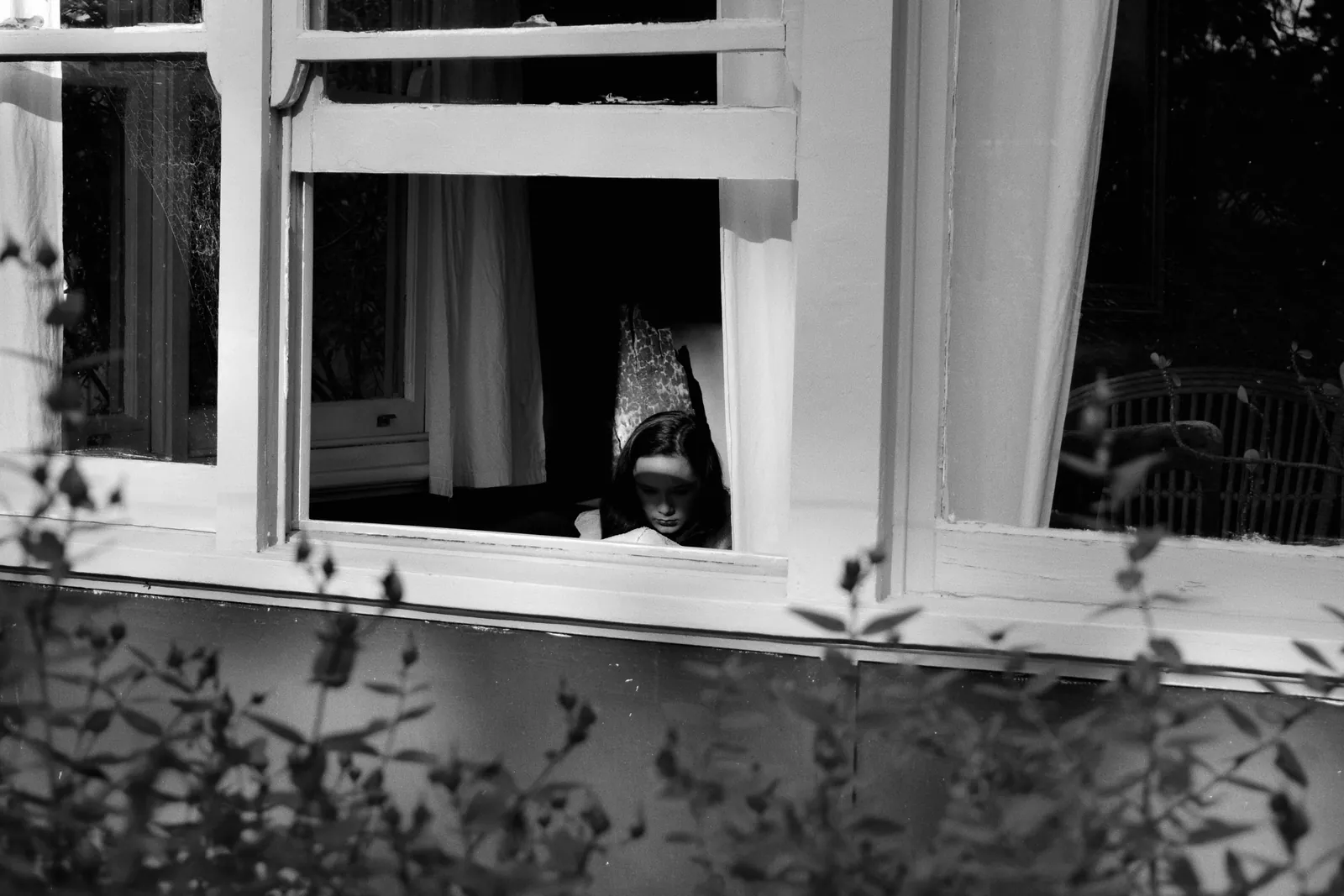
The boots are by the back door where they have been for six weeks. The sketchbook is closed. They said no to the cinema, no to the cousin they used to ask about constantly, no to the thing they cried about missing last year. Asked what is wrong, they say — genuinely, not evasively — nothing.
Nobody sounds an alarm about a child like this. They are not disruptive. They are not tearful in public. They get up and go to school and answer questions in short sentences. And that is exactly why low mood in children is so often noticed a year later than it might have been.
What depression looks like at nine, or twelve
Adults expect sadness. Children more often present with irritability — a short fuse, a permanent sense of being got at, a fury that seems out of proportion to a request about shoes. Alongside it sit the changes that are easy to attribute to age.
- Loss of enjoyment in activities that reliably used to work (the single most important sign).
- Irritability and snapping rather than crying.
- Withdrawal from friends, often framed as everyone else being annoying.
- Complaints of tiredness, headaches or stomach aches with no medical cause.
- Sleeping much more or much less; waking very early.
- Appetite change in either direction.
- Harsh self-description: I'm rubbish at everything, no one likes me, I ruin things.
- Difficulty deciding or concentrating; homework that takes three times as long.
Why 'they've just gone off it' is worth questioning
Children do genuinely outgrow interests, and adolescence reshuffles the whole deck. The distinction is replacement. A child who drops football for skateboarding, or drama for a niche online community, is developing. A child who drops football, drama and the friend group and puts nothing in their place has not changed taste; they have lost access to reward.
The order that actually works
Every instinct says: help them feel better, and then they will do things again. Low mood does not work in that direction. Motivation is generated by activity, not required before it. Behavioural activation — the most evidence-supported behavioural approach for low mood — begins with doing, deliberately, at a scale small enough to be possible on a bad day.
- 01Choose absurdly small
Not 'go back to training'. Ten minutes kicking a ball with you. The size should feel almost embarrassing. Success matters more than scale.
- 02Schedule it, don't offer it
'We're walking to the shop at four' works better than 'do you fancy a walk?' Asking a low child to choose requires energy they do not have.
- 03Do it with them at first
Company lowers the activation cost. Independence returns later, once the activity is no longer starting from zero.
- 04Repeat, frequently
Four short things across a week beats one ambitious Saturday. Frequency rebuilds the association between doing and feeling.
How to talk about it without an interview
Do not sit them down opposite you. Choose the car, the dog walk, the washing up. Offer an observation rather than a question, and then be willing to sit in silence for longer than is comfortable.
The three foundations underneath
Before anything else, look at sleep, movement and daylight. Adolescent sleep drifting to 1am, no physical activity, and a phone-lit weekend indoors will produce something that looks very like depression in a well child, and will make genuine depression significantly worse. None of these are a treatment on their own. All of them make treatment work better.
When to get professional help
Speak to your GP if the change has lasted more than two weeks, if functioning has dropped at school or with friends, if there is significant change in sleep or appetite, if your child describes themselves with real contempt, or if you have a persistent sense that something is wrong even though the picture is hard to describe. Seek help the same day if there is any talk of not wanting to be alive, of disappearing, or of being a burden.
Childhood depression is treatable, and earlier treatment produces better outcomes and shorter episodes. The parents who act on flatness — a symptom nobody else will flag for them — are doing something genuinely protective, even when it feels like fuss.
Children do not need a perfect parent. They need a predictable one who returns after hard moments.
Sian Trombley, Canadian Certified Counsellor
What you can try this week
Make the two lists
What they loved eighteen months ago, and what they actually did last week. The gap is the map.
Restart one thing, tiny
Not the whole football club. Ten minutes in the garden with you. Action precedes motivation in low mood — always.
Walk and talk, not sit and talk
Side by side, moving, low stakes. The most honest sentences from low children arrive in cars and on pavements, never across a table.
- Irritability, not tearfulness, is the most common face of childhood depression.
- Loss of enjoyment in things once loved is the sign that matters most.
- Waiting for motivation to return before restarting activity gets the order backwards.
- Small, frequent, low-effort activity beats one big weekend attempt.
- Two weeks of persistent change, or any talk of not wanting to be here, means professional help now.
What did my child do for pleasure a year ago that they have not done for a month?
Have I been reading flatness as laziness or attitude?
What is the smallest possible version of something they used to enjoy?
Printable resources
Recommended Thrive courses
This article is educational and is not a substitute for individual clinical advice. Comments are closed so the Journal stays a calm place to read.
Share this
Keep going
You may also like
Courses, worksheets and pathways from the same part of the library.
- ResearchThe Research LibraryPeer-reviewed parenting and child mental health research, translated into plain language.Read
- Thrive GuideThrive GuideAsk a question and get warm, evidence-informed guidance drawn from the Thrive library.Read
- Thrive Care PlanThrive Care PlanA short check-in that turns how your week actually went into one focused plan.Read
- Thrive ToolThrive ToolsPremium printable workbooks and therapeutic tool kits.Read
- CollectionThe Resource LibraryFree printable worksheets, scripts and planners for families.Read
- JournalMindfulness That Actually Works With ChildrenAsking a nine-year-old to sit still and notice their thoughts is like asking them to be quietly bored on purpose. There is a better way in.Read