Left Out of the Group Chat
Digital exclusion is quiet, deniable and constant — and it hurts in the same part of the brain as physical pain.
Reviewed by Sian Trombley, CCCFounder, Thrive Family Company
8 min read
Best for parents of children who are…
- finding friendships difficult
- being affected by what they see online
- being hurt or excluded by other children
- withdrawing during the teenage years

Share this
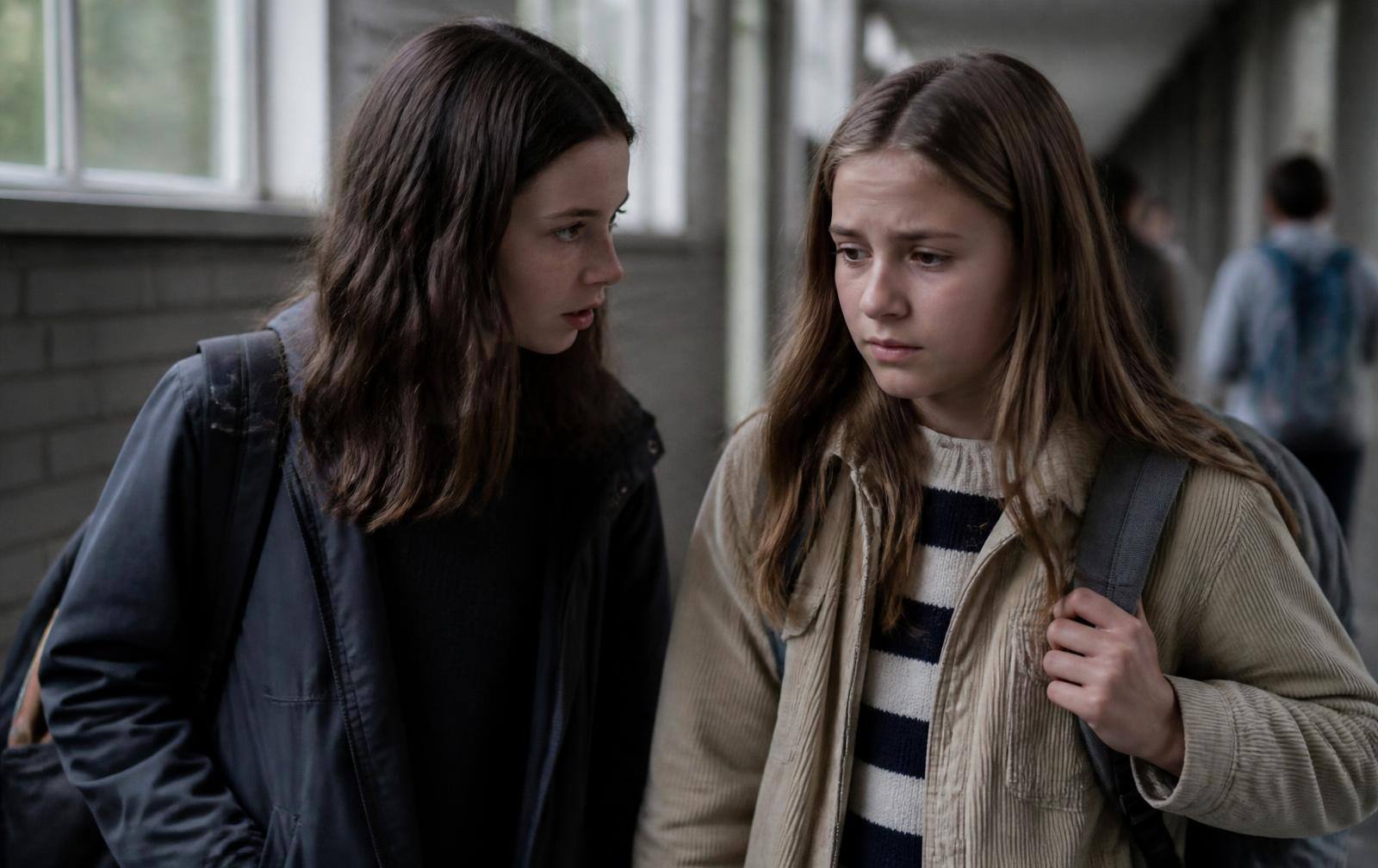
There is a chat with everyone in it. Your child is not in it. Nobody has been openly unkind, nobody can be accused of anything, and your child is upstairs pretending they do not care.
Why this hurts more than it looks
Exclusion online is continuous and evidenced. The photos are there. The counts are there. The child who was left out can watch the evening they missed happening, in real time, from their bed. Offline exclusion at least ended at the school gate.
It is also deniable. 'We just forgot' cannot be argued with, which means the excluded child has nothing solid to be upset about — and often concludes the problem must be them.
What helps, in order
Validation first. Almost every child in this situation is dealing with two injuries: the exclusion, and the belief that minding it makes them pathetic. Removing the second one halves the load.
Then, quietly, widen the field. The most reliable route out of a hostile friendship group is not readmission — it is a second social world where being liked is uncomplicated.
- 01Sit down, say less
Open with 'that sounds horrible', not with questions. Presence beats problem-solving in the first hour.
- 02Resist contacting the other parents
For tweens and teens it almost always escalates. Exceptions: safety, threats, or clear coordinated bullying.
- 03Reduce the exposure
A week without that platform, agreed together, gives the nervous system a break from live evidence.
- 04Invest in one strong friendship
One person invited over on Saturday does more for belonging than reinstatement in a group of fifteen.
- 05Log and escalate if it repeats
Dates, screenshots, names. If it is targeted and ongoing, ask the school for a written response to relational bullying.
When it is bullying
One-off forgetting is ordinary and painful. Deliberate, repeated, targeted exclusion — screenshots shared, a chat created specifically without them, coordinated ignoring at school — is relational bullying and schools are obliged to respond to it.
Keep a dated record. Patterns persuade schools in a way that single incidents never do.
Exclusion used to end at the school gate. Now it is visible from a bedroom, all evening, in real time.
Sian Trombley, Canadian Certified Counsellor
What you can try this week
Name it plainly
'Being left out really hurts. It's not you being dramatic.' Naming reduces the second wound — the shame of minding.
Build one thing outside the group
A club, a team, a cousin, an online interest space. One alternative belonging makes the group less total.
Agree a night rule together
The phone stays out of the bedroom for a fortnight. Not as punishment — as protection from three a.m. scrolling of a party they were not at.
- Social exclusion registers neurologically much like physical pain.
- Deniability is what makes digital exclusion so corrosive.
- Fixing the friendship group rarely works; widening it does.
- Validate the pain before offering any strategy.
- Persistent, targeted exclusion is bullying and warrants school involvement.
Am I trying to fix the group, or support my child?
Where else in my child's life do they feel wanted?
Do they have a version of this story that blames only themselves?
Printable resources
Recommended Thrive courses
This article is educational and is not a substitute for individual clinical advice. Comments are closed so the Journal stays a calm place to read.
Share this
Keep going
You may also like
Courses, worksheets and pathways from the same part of the library.
- CollectionFriendships & Social SkillsEverything Thrive publishes on friendships & social skills — articles, courses, worksheets and research.Read
- JournalCyberbullying: What To Do in the First 48 HoursThe bullying does not stop at the school gate any more. It follows them upstairs, into bed, and into the only room they thought was theirs.Read
- JournalThe Boys Who Went Quiet: Loneliness, Withdrawal and the Sons We Stop ReachingBoys rarely refuse connection. They refuse eye contact, questions and being sat down. Those are three very different things.Read
- Learning PathwaySocial Skills & FriendshipsA guided Learning Pathway from Thrive Family Company.Read
- ResearchThe Research LibraryPeer-reviewed parenting and child mental health research, translated into plain language.Read
- Thrive GuideThrive GuideAsk a question and get warm, evidence-informed guidance drawn from the Thrive library.Read