
Course
Creating Stability Between Two Homes
Routines, transitions, attachment, school consistency, belonging and predictability.
Purchase
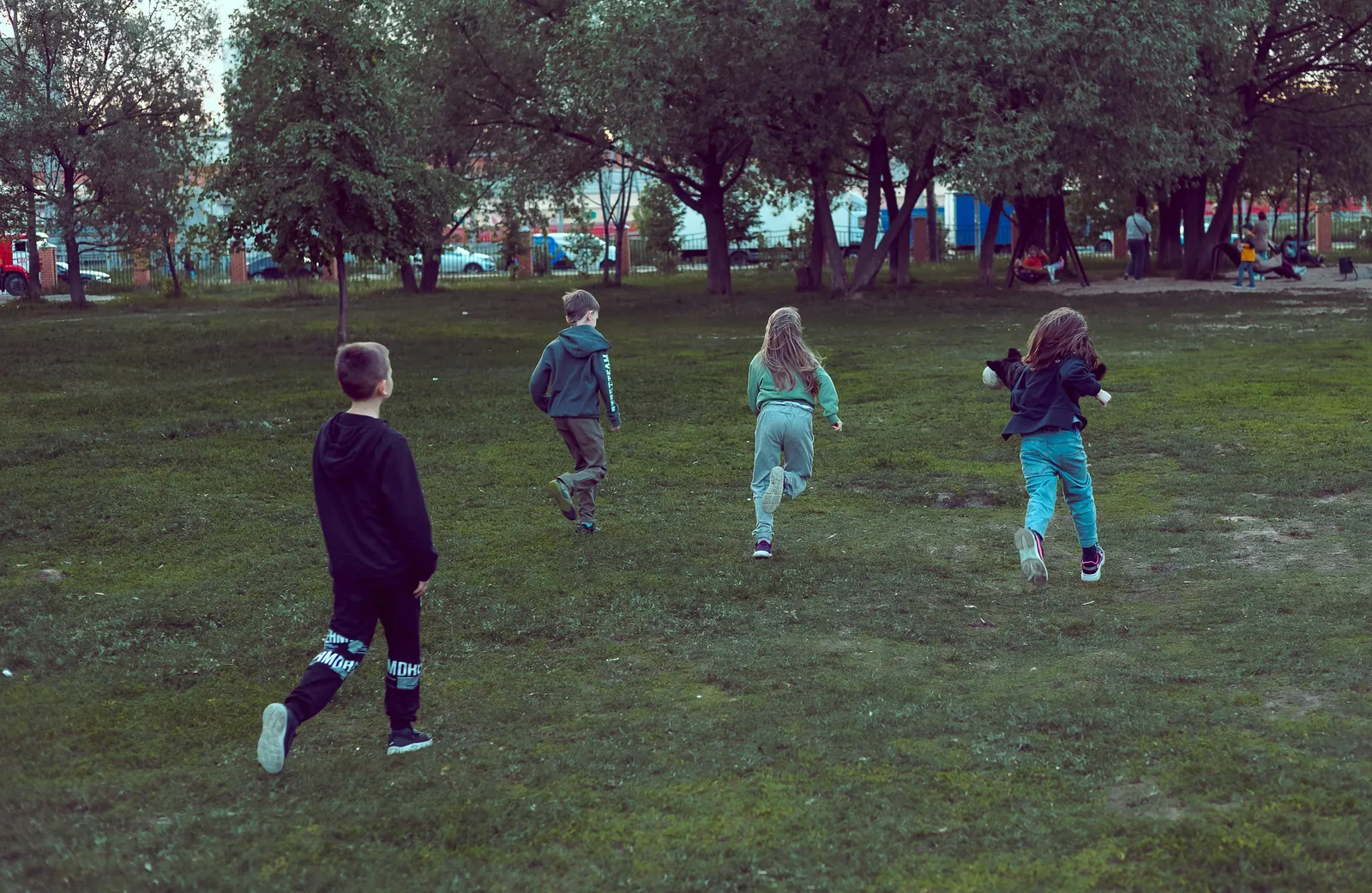
Belonging, exclusion, falling out and finding people — support for the social side of childhood, from playground politics to teenage friendship groups.
Start here“Friendship is a skill, not a personality trait—and like every skill it is learned unevenly, often painfully, and usually out of our sight. A child left out at lunch is not failing; they are practising something genuinely difficult. What helps is not arranging the friendships for them but coaching the small moves: how to join, how to repair, how to notice when a friendship costs more than it gives.”
A short film before the work begins — why friendship is a skill rather than a personality trait, and how to coach the small moves instead of arranging them.
Narrated · 1 min 34 sec
One thing to understand, one way to learn it properly, one thing to try this week.
Not every child walks into a playground and finds a friend. Some need to watch first, practise small moves, and learn that friendship is built one interaction at a time.
Communication, empathy, emotional awareness and everyday social skills that help children form healthy relationships and feel confident around others.
This reflection offers a moment to step back from grades and look at how your child actually experiences the school day. It helps you notice where they find their flow and where the environment might be asking too much of their nervous system.
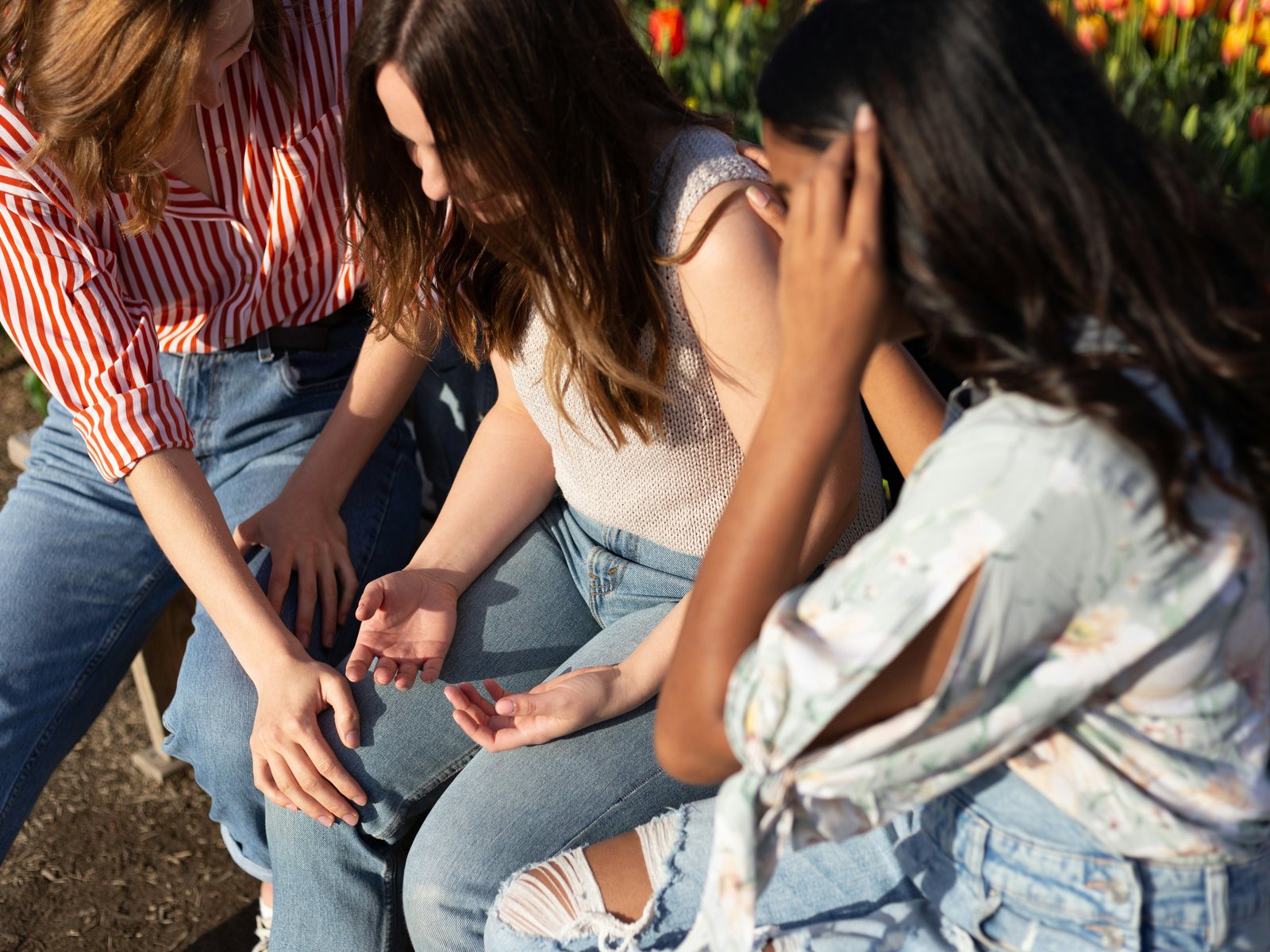
A comprehensive introduction to children's social development — making friends, keeping them, handling conflict and recovering from exclusion.
8 modules · $99 · Coming soon
A structured journey through social skills & friendships — built to be taken in order, or started wherever you are today.

Communication, empathy, emotional awareness and everyday social skills that help children form healthy relationships and feel confident around others.
How friendships develop, why some children struggle socially, and practical ways to help children build genuine, lasting friendships.
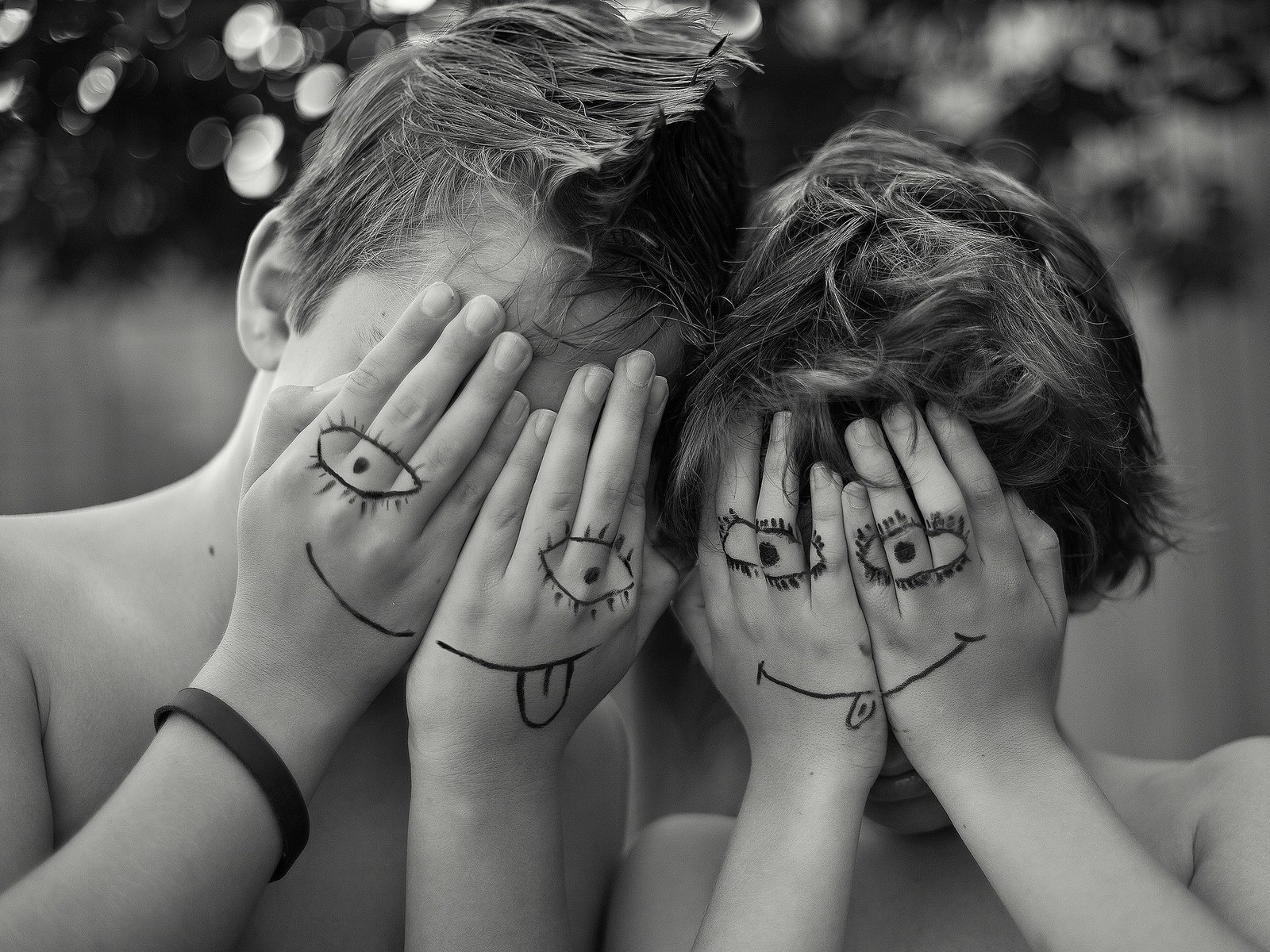
Supporting children who feel nervous around peers, avoid social situations or struggle in groups — building courage at their own pace.
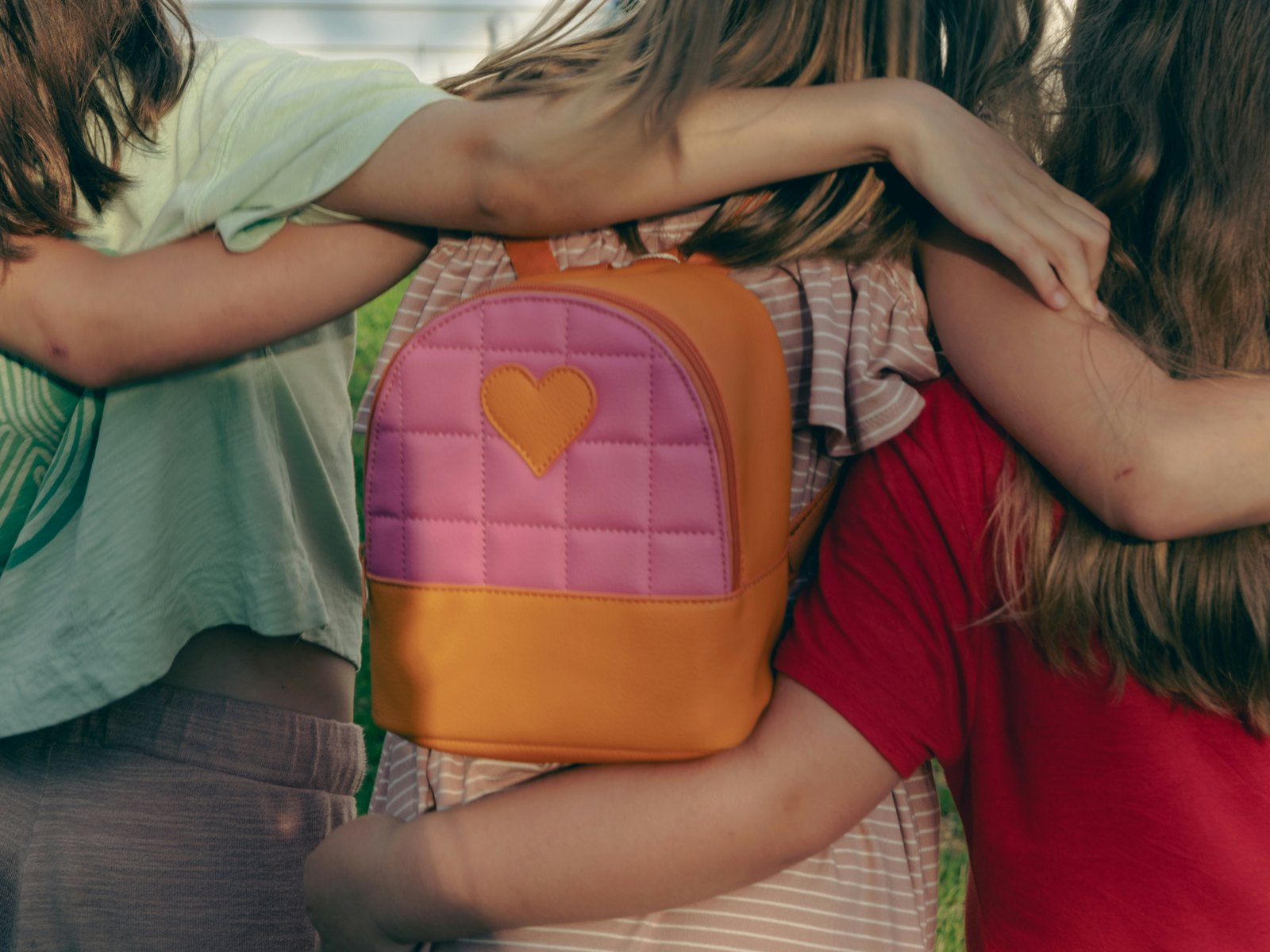
Healthy conflict resolution, problem-solving and boundary-setting, plus how to respond to bullying, exclusion and friendship breakdowns.

Recognising emotions, understanding different perspectives, communicating respectfully and building stronger relationships.

Bringing the pathway together to help children become compassionate, confident, respectful and emotionally healthy friends for life.
Six Focused Course Bundle — every focused course in Social Skills & Friendships, $199.
Complete Pathway — Foundations plus every course in Social Skills & Friendships, $249.
Routines, transitions, attachment, school consistency, belonging and predictability.
What to read, listen to and hand over when the child you knew becomes someone new — curated for parents who want influence, not control.
It is not oversensitivity. It is a pain response to social threat — and telling a child to toughen up adds to the injury it was meant to prevent.
A short check-in about the support tomorrow needs, rather than the mistakes today held.
This reflection offers a moment to step back from grades and look at how your child actually experiences the school day. It helps you notice where they find their flow and where the environment might be asking too much of their nervous system.
Routines, transitions, attachment, school consistency, belonging and predictability.
Confidence in conversations about behaviour, friendships, school, emotions, family changes, mistakes and mental health — while maintaining trust and connection.
Not every child walks into a playground and finds a friend. Some need to watch first, practise small moves, and learn that friendship is built one interaction at a time.
What to read, listen to and hand over when the child you knew becomes someone new — curated for parents who want influence, not control.
The comprehensive start-here course — the demands of a school day, morning reluctance, homework, motivation, friendships, support and exam seasons.
It is not oversensitivity. It is a pain response to social threat — and telling a child to toughen up adds to the injury it was meant to prevent.
Most children do not tell you because they are afraid of what you will do next. That is the first thing to solve.
Every time we let them skip the thing, we teach them the thing was genuinely dangerous.
She is not being bullied. She is being managed — and the difference is why nobody at school has noticed.
There was no argument. No incident to report. One week the seat was saved, the next it wasn't. Friendship loss in childhood is real grief, and it deserves to be treated as such.
Not every difficult friendship needs rescuing, and not every one should be left for a child to sort out alone. Learning to tell the difference — and to coach a child through the ordinary bumps while stepping in decisively when a friendship has turned genuinely harmful — is one of the harder judgment calls in parenting.
'She doesn't like me.' When a child brings that sentence home from school, the emotional toll goes far beyond homework—it touches their sense of belonging and safety.
A short check-in about the support tomorrow needs, rather than the mistakes today held.
"Nobody played with me today." Six words that undo a parent faster than almost anything else — and a moment where the instinctive response is rarely the useful one.
This reflection invites you to look closely at the moments where your child feels capable and the subtle hurdles that might hinder their self-assurance. We will consider how their environment and your interactions provide a foundation for their growing independence.
This reflection examines how your child’s internal rhythms and nutritional patterns influence their capacity to manage daily stresses. We will look beyond simple nutrition to understand how the timing, sensory experience, and social environment of eating shape their nervous system.
This reflection provides a space to observe how your child navigates the delicate dance of peer connection and conflict. You will consider the quality of their belonging rather than the quantity of their invitations.
Mornings, homework, transitions, bedtime — the ordinary hours where this work is really done.
This reflection examines the silent dialogue between home and school through the contents of your child’s lunchbox. We consider how the rhythms of morning preparation and the sensory realities of the dining hall influence your child’s ability to remain regulated throughout their day.
Thrive Guide can help you find the courses, tools and resources that fit what your family is navigating right now.