The Edge of the Playground: Social Anxiety in Children
It is not shyness, and it does not pass with time on its own. Social anxiety is a fear of being judged — and every kindness that helps a child avoid it makes it a little larger.
Reviewed by Sian Trombley, CCCFounder, Thrive Family Company
9 min read
Best for parents of children who are…
- worrying often, or asking the same question again and again
- finding friendships difficult
- finding school days hard to get through
- being hard on themselves

Share this
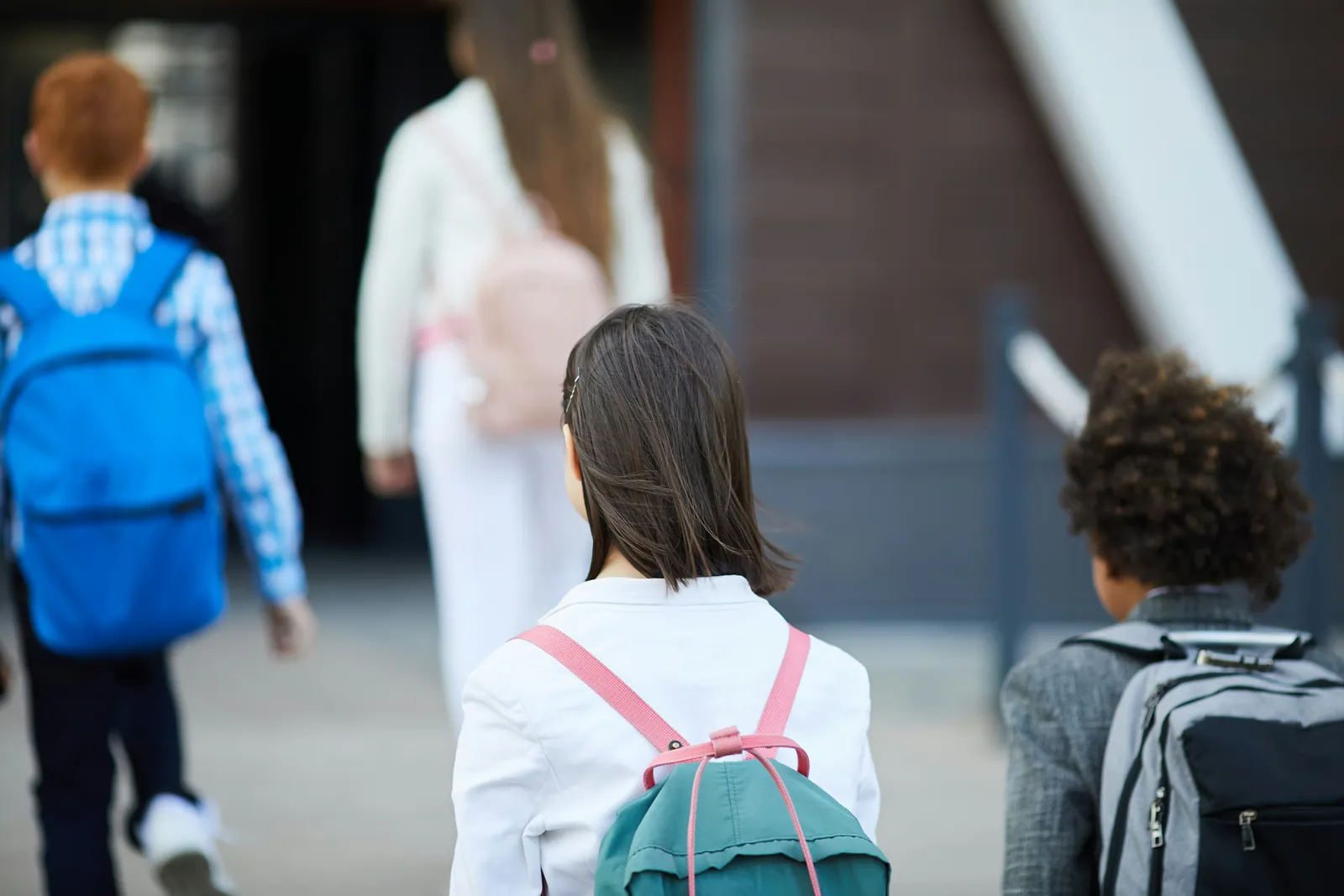
They wanted to go. They talked about it all week. And then you are standing at the gate of the party and your child is behind your leg, gone quiet and gone pale, and the parent at the door is saying, kindly, that it is fine, there is no pressure.
Everyone in that moment is being generous. And the most generous option available — going home — is the one that will make next Saturday harder.
What social anxiety actually is
Not a dislike of people. A fear of being negatively evaluated by them: of being seen doing something wrong, sounding stupid, going red, being noticed. The child is not avoiding company. They are avoiding judgement, and the two are difficult to separate from the outside.
- 01Anticipation
Hours or days of dread before the event, often with stomach aches, poor sleep and repeated questions about what will happen.
- 02Avoidance or escape
Refusing, delaying, or attending physically while staying entirely silent — which functions as avoidance too.
- 03Relief
The instant the event is cancelled, distress drops. The nervous system logs this: danger was real, escape worked.
- 04Post-event review
Afterwards they replay everything they said, hunting for evidence of humiliation. This is why one good experience does not fix it.
The ladder, in practice
- Choose one goal — ordering food, answering the phone, joining a club.
- Break it into eight to ten steps and rate the difficulty of each out of ten.
- Repeat each step until the rating halves. Repetition, not heroics, is what works.
- Praise the attempt and the discomfort tolerated, never the outcome.
- Expect a plateau around step six. Stay there; do not retreat down the ladder.
“Courage is not the absence of the racing heart. It is the child ordering their own hot chocolate while their heart races, and discovering that nothing whatsoever happened.”
Sian Trombley
What to say at the door
When to get more help
Speak to your GP or school if avoidance is affecting attendance, if your child is consistently unable to speak in particular settings, if there are panic symptoms, or if low mood is developing alongside. Cognitive behavioural therapy for childhood social anxiety is well evidenced and usually short.
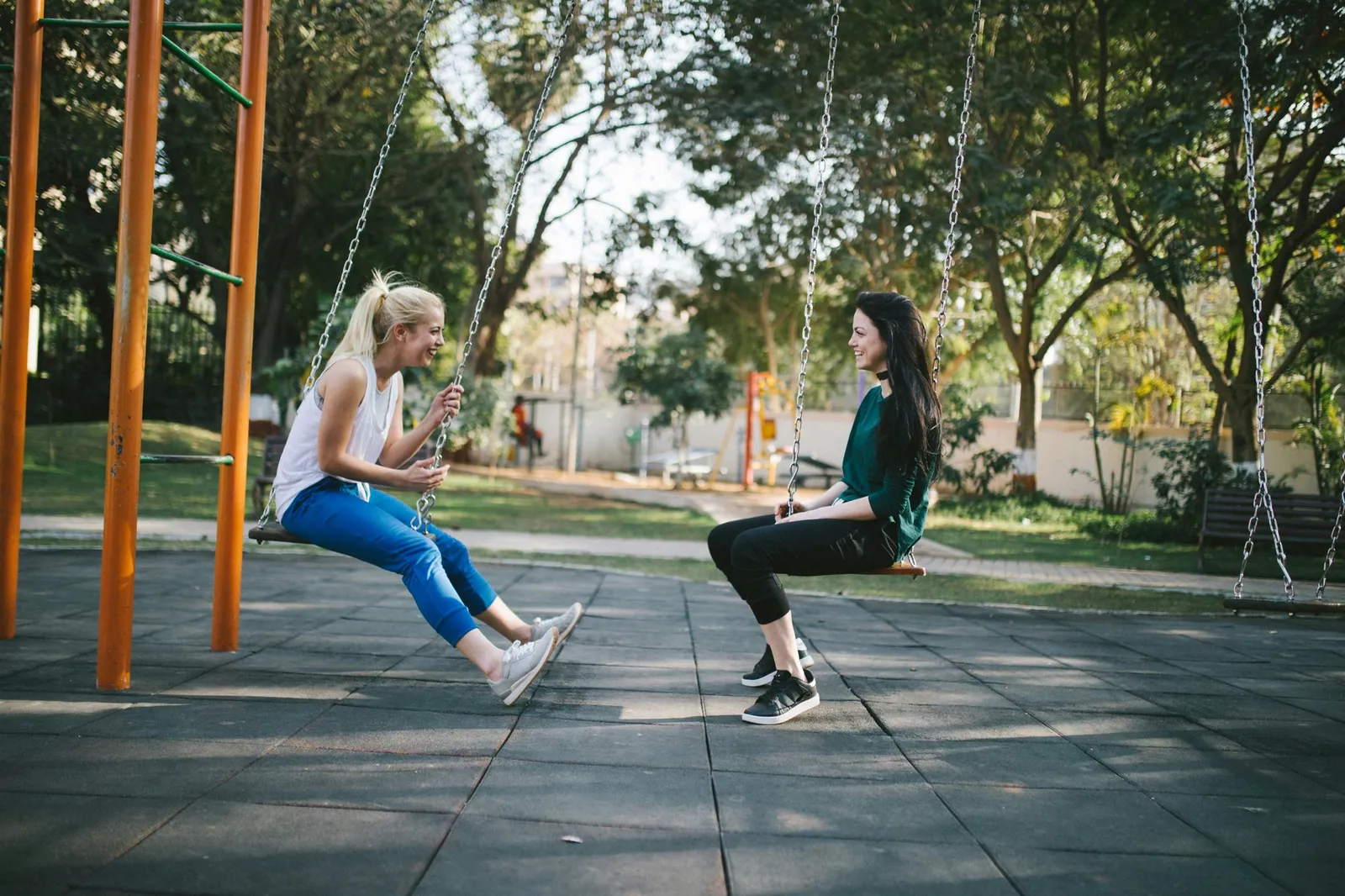
The child at the edge of the playground is not uninterested. They are rehearsing an entrance they never make.
Sian Trombley, Canadian Certified Counsellor
What you can try this week
Hand back one small transaction
Let them order their own drink, ask the librarian, or pay at the till. Stand beside them, say nothing, and let the silence be a little long.
Build the ladder together
Ten steps from easiest to hardest, rated out of ten. Start at a three, repeat it until it drops to a one, then move up. Never start at the top.
Answer reassurance once
Reply properly the first time. To the second and third ask: "what did we decide about that one?" Warmth in tone, no new information.
- Shyness is a temperament; social anxiety is a fear of negative evaluation that limits life.
- Avoidance provides instant relief and long-term growth of the fear.
- Reassurance-seeking works like a compulsion — answering it feeds it.
- Graded, repeated, slightly uncomfortable practice is the active ingredient.
- Parental accommodation is the most modifiable maintaining factor in the whole system.
What do I currently do for my child that they could do, uncomfortably, themselves?
Am I protecting them from anxiety, or from the experience that would reduce it?
What did they manage this month that they could not have managed last year?
Printable resources
Recommended Thrive courses
This article is educational and is not a substitute for individual clinical advice. Comments are closed so the Journal stays a calm place to read.
Share this
Keep going
You may also like
Courses, worksheets and pathways from the same part of the library.
- JournalThe Class Clown: What the Performance Is HidingThe class clown gets laughs, but they may also be managing a body full of alarm. Laughter is not always the opposite of worry.Read
- JournalThe Party They Will Not Go To: When a Child Refuses Birthday PartiesThe present is wrapped. The coat is on. And your child has decided, with total conviction, that they cannot walk through that door.Read
- ResearchThe Research LibraryPeer-reviewed parenting and child mental health research, translated into plain language.Read
- Thrive GuideThrive GuideAsk a question and get warm, evidence-informed guidance drawn from the Thrive library.Read
- Thrive Care PlanThrive Care PlanA short check-in that turns how your week actually went into one focused plan.Read
- Thrive ToolThrive ToolsPremium printable workbooks and therapeutic tool kits.Read