How to Build Sibling Friendships
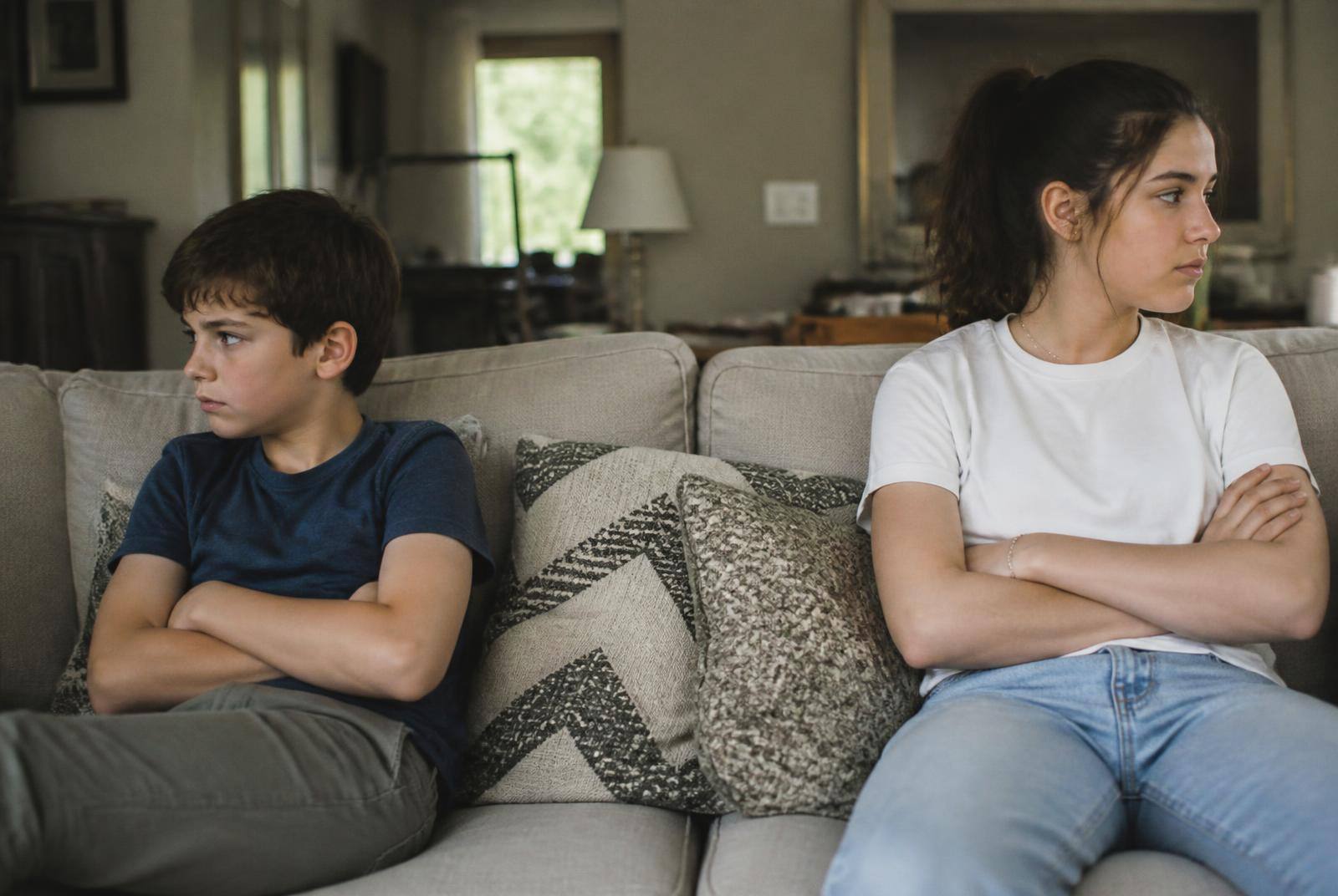
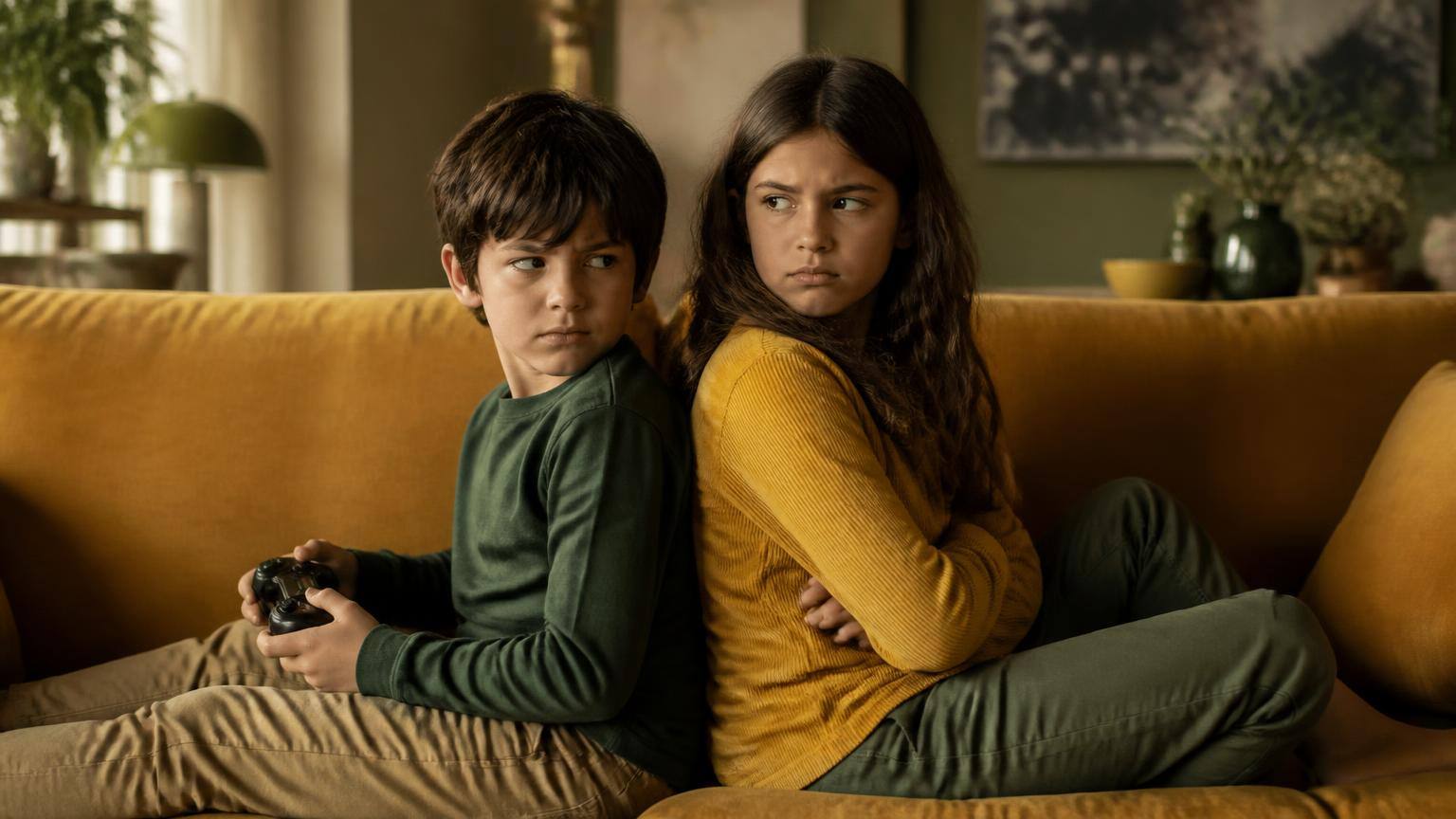
Sibling friendship grows through small experiences of safety, shared enjoyment, repair, and being known—not through pressure to be close.
Reviewed by Sian Trombley, CCCFounder, Thrive Family Company
9 min read
Best for parents of children who are…
- clashing with a brother or sister
- needing extra emotional support at the moment
- going through a change at home or at school

Share this
- 01Stop harm without shaming
- 02Help each child regulate
- 03Name each perspective
- 04Identify the underlying need
- 05Choose a meaningful repair
You cannot make siblings like each other. You can make your home the place where repair is normal.
Sian Trombley, Canadian Certified Counsellor
What you can try this week
Start a ten-minute sibling ritual
Choose one low-pressure activity that fits both children: drawing a comic, feeding a pet, making a snack, shooting baskets, or choosing a song for dinner. Keep it brief and end while the experience is still going well.
Offer one specific noticing statement each day
Name a moment of connection without turning it into a lesson: “You moved over so your brother could see,” or “You two kept trying until the tower stood.” Specific noticing helps children recognize the behaviors that make time together feel good.
Practice a repair when everyone is calm
Invite each child to finish three sentences: “What happened for me was…,” “What I needed was…,” and “Next time we could….” Do not require an apology before a child is regulated or ready to mean it.
- Aim for safety, respect, and repair rather than forcing siblings to be best friends.
- Create brief, repeatable opportunities for shared enjoyment without making one child responsible for the other.
- Protect each child’s belongings, boundaries, parental connection, and right to time alone.
- Coach the skills underneath friendship, including perspective-taking, negotiation, appreciation, and recovery after conflict.
- Notice small moments of cooperation specifically and sincerely, without comparing siblings or assigning fixed roles.
When I imagine my children having a good sibling relationship, what qualities matter most beyond simply not fighting?
Does each child in our family have protected access to privacy, possessions, and individual attention?
Which shared activity brings out cooperation between my children with the least adult prompting?
Printable resources
Recommended Thrive courses
This article is educational and is not a substitute for individual clinical advice. Comments are closed so the Journal stays a calm place to read.
Share this
Keep going
You may also like
Courses, worksheets and pathways from the same part of the library.
- CollectionFamily RelationshipsEverything Thrive publishes on family relationships — articles, courses, worksheets and research.Read
- JournalThe Sibling Storm: What Children Learn Inside Everyday ConflictMost parents are trying to end sibling conflict. The more useful goal is to change what happens inside it — because this is the relationship where children learn repair.Read
- JournalHow to Stop Siblings Fighting (Without Becoming the Referee)Judging sibling arguments is the fastest way to guarantee more of them.Read
- Learning PathwayFamily RelationshipsA guided Learning Pathway from Thrive Family Company.Read
- ResearchThe Research LibraryPeer-reviewed parenting and child mental health research, translated into plain language.Read
- Thrive GuideThrive GuideAsk a question and get warm, evidence-informed guidance drawn from the Thrive library.Read