When a Parent Is Unwell
Children do not need the whole truth. They need a true, small version of it — and something concrete to hold onto while the adults are frightened.
Reviewed by Sian Trombley, CCCFounder, Thrive Family Company
9 min read
Best for parents of children who are…
- worrying often, or asking the same question again and again
- grieving someone or something they have lost
- struggling to say what is really going on

Share this
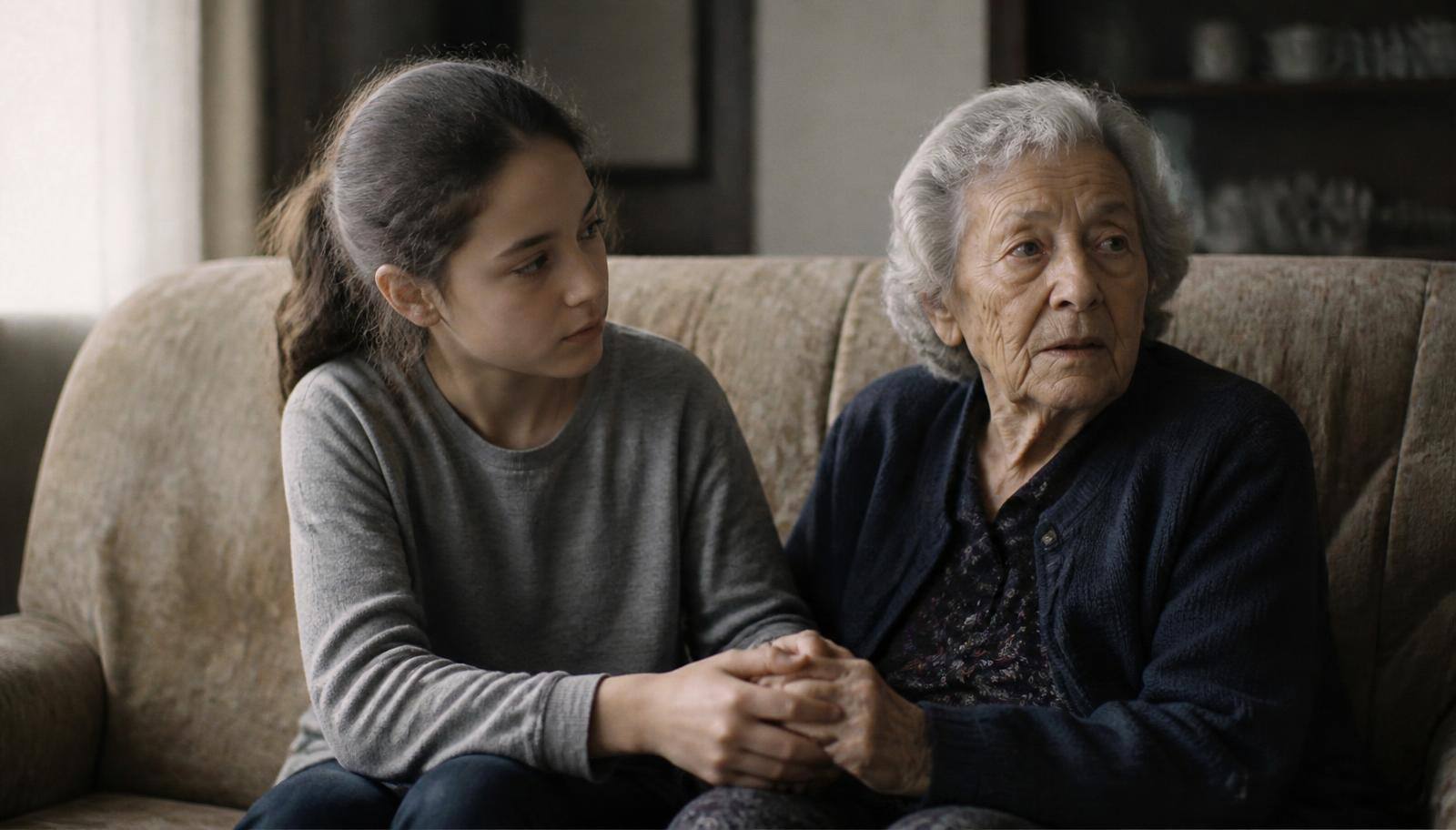
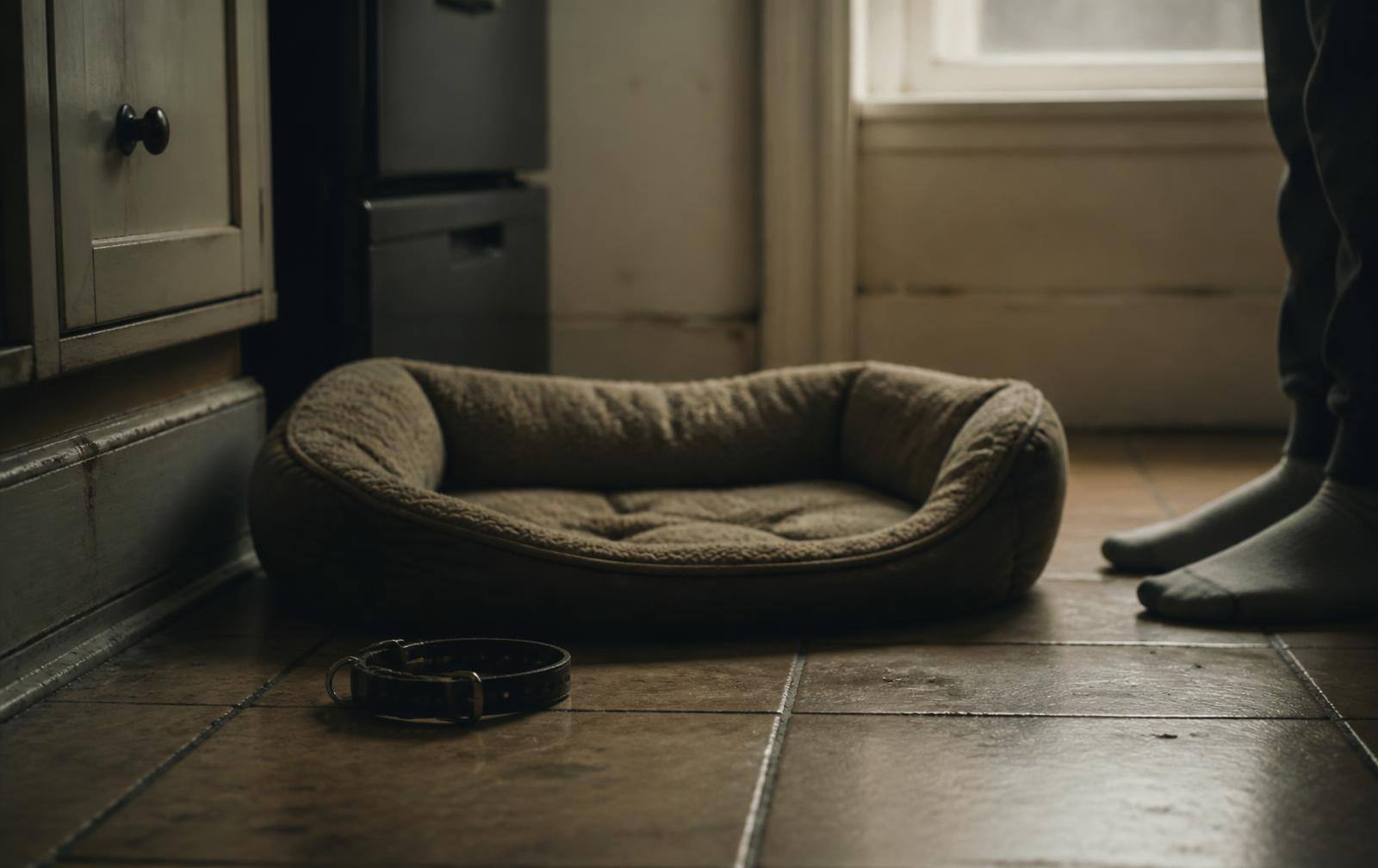
The blanket has been on the sofa for three weeks. Someone else does the school run now. Nobody has said anything, and your child has stopped asking — which is not the same as not wondering.
When a parent becomes unwell, the instinct to protect children from the details is powerful and well-meant. But children are exceptional detectors of atmosphere and poor interpreters of it. They notice the change and, without information, they explain it themselves: someone is dying, someone is leaving, or it is somehow their fault.
Tell them something true and small
Honesty does not mean full disclosure. It means that everything you say is true, delivered in the smallest useful unit, with the door left open for more. Children take information in layers, returning to it days later with the next question. Your job is to be reliably answerable, not comprehensive.
What to say, by age
- 01Three to six
Concrete and physical. 'Mummy's body is poorly. The doctors give her medicine. She needs lots of rest.' Expect the same question repeatedly; answer it the same way each time.
- 02Seven to ten
Name the illness if you are comfortable doing so, and be explicit about cause. 'It isn't catching. Nothing anyone did or said made this happen.' Children this age are prone to magical thinking about blame.
- 03Eleven to thirteen
They will search online, so give them accurate information first. Be honest about uncertainty: 'We don't know yet. When we know, I'll tell you.'
- 04Fourteen and over
Treat them as informed, not as co-parents. Teenagers often take on too much practical or emotional responsibility; state explicitly which jobs are theirs and which are not.
Protect the structure, not the feelings
You cannot spare children the sadness, and attempting to leaves them alone with it. What you can protect is the shape of their week: school, meals, bedtime, the Saturday club, the same route home. Routine is not a distraction from the situation; it is the evidence that the world is still holding.
Expect the feelings to arrive sideways
Children rarely present distress as sadness. It comes as clinginess, refusal to go to school, sudden aggression, regressed behaviour, stomach aches, or an unnerving cheerfulness. A child who seems entirely unaffected may simply be waiting for a safer moment — often several months later.
Look after the well parent too
The partner holding everything together is usually the most depleted person in the house and the least likely to say so. Children calibrate against the nearest adult's nervous system. Accepting practical help — meals, lifts, a Saturday morning off — is not a luxury; it is part of the treatment plan for the whole family.
Seek extra support if a child's difficulties persist beyond a few weeks, if they refuse school, or if they are taking on adult responsibilities. Otherwise, keep saying small true things, keep the week predictable, and let them see that hard news can be spoken about out loud in your family.
Children do not need to be protected from the fact that you are ill. They need protecting from having to guess.
Sian Trombley, Canadian Certified Counsellor
What you can try this week
Say one true sentence
Name the change in plain words: 'Dad is unwell. The doctors are helping. It is not something you can catch and it is not because of anything you did.'
Write the week on the fridge
Who does school runs, who does bedtime, what is still happening. Visible logistics carry more reassurance than reassurance does.
Tell one adult at school
A named person who knows, so that a bad afternoon is met with understanding rather than a behaviour sanction.
- Children notice change long before they are told about it.
- Silence is filled with invented explanations, usually frightening ones.
- Small true statements are better than complete ones.
- Predictable daily logistics reassure more than optimistic promises.
- Children commonly believe they caused illness; say plainly that they did not.
What has my child already noticed that we haven't named?
Which parts of our week can stay exactly the same?
Who is the third adult my child can lean on right now?
Printable resources
Recommended Thrive courses
This article is educational and is not a substitute for individual clinical advice. Comments are closed so the Journal stays a calm place to read.
Share this
Keep going
You may also like
Courses, worksheets and pathways from the same part of the library.
- JournalWhen a Grandparent Has DementiaChildren can manage a great deal of sadness. What they struggle with is sadness nobody has named — a person who is present and absent at the same time.Read
- ResearchThe Research LibraryPeer-reviewed parenting and child mental health research, translated into plain language.Read
- JournalThe Week Has a ShapeA family does not need a perfect schedule. It needs a shape — a small number of predictable anchors that repeat every week, so a child's nervous system can relax into knowing roughly what comes next. Building that shape reduces far more conflict than any single behaviour strategy.Read
- Thrive GuideThrive GuideAsk a question and get warm, evidence-informed guidance drawn from the Thrive library.Read
- Thrive Care PlanThrive Care PlanA short check-in that turns how your week actually went into one focused plan.Read
- Thrive ToolThrive ToolsPremium printable workbooks and therapeutic tool kits.Read