When the Dog Dies
For most children, a pet is the first death they meet. How the adults handle it teaches them what grief is allowed to be for the rest of their lives.
Reviewed by Sian Trombley, CCCFounder, Thrive Family Company
8 min read
Best for parents of children who are…
- grieving someone or something they have lost
- having big feelings that arrive faster than words
- struggling to say what is really going on

Share this
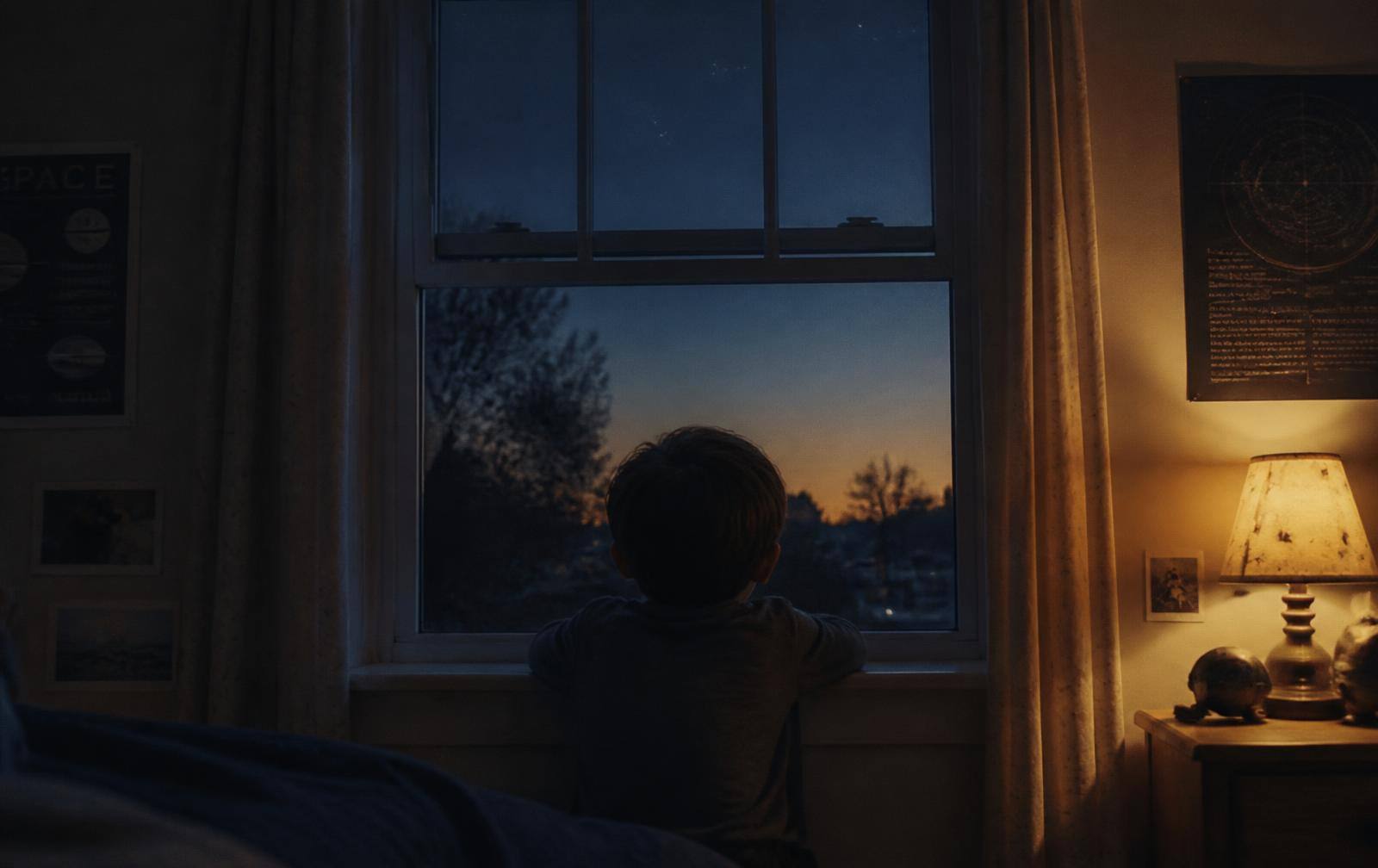
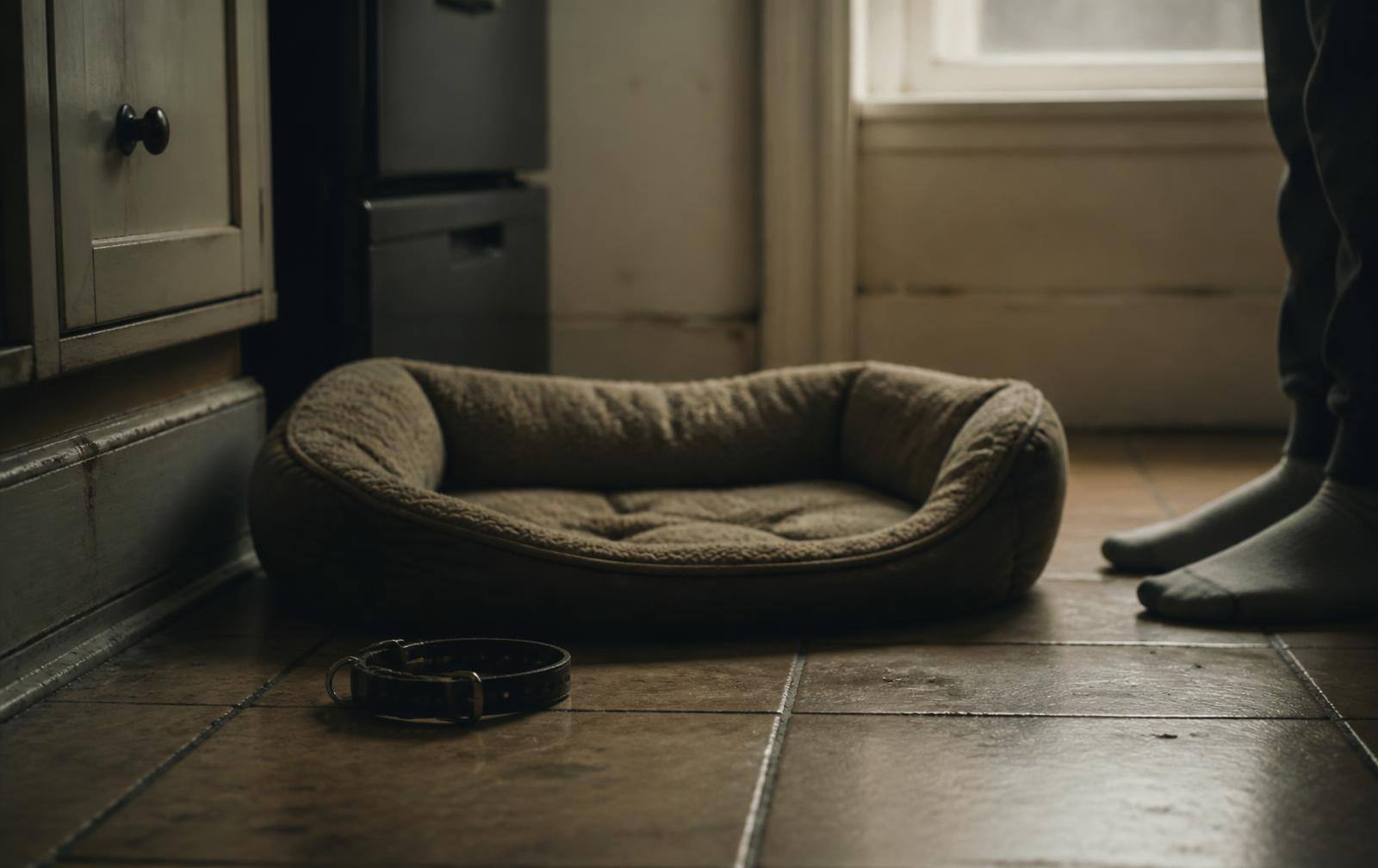
The bed is still by the radiator. Nobody has moved it, because moving it would make it true. Somewhere in the house is a child working out, for the very first time, that something can be here on Tuesday and gone forever on Wednesday.
For most children in this country, the family pet is their first death. It is also their first lesson in what this family does with grief — whether sadness is spoken about, whether adults cry in front of them, whether the missing thing is allowed to be mentioned. That lesson tends to last.
Say died. Say dead.
Euphemisms are chosen to soften the blow and reliably do the opposite. 'Put to sleep' can make bedtime frightening. 'We lost him' invites a search. 'Gone away' suggests a return, or worse, abandonment. Young children are literal thinkers; the gentle phrase becomes the terrifying one at two in the morning.
How grief actually looks in a child
Adults grieve in a long weather system. Children puddle-jump: sobbing for four minutes, then asking what's for tea, then playing, then sobbing again three days later at something unrelated. This is not shallowness or a short memory. It is how a developing nervous system handles a feeling too big to hold continuously.
- Sudden bursts of sadness with rapid recovery.
- Anger — at the vet, at you, at the animal for leaving.
- Guilt over the last walk not taken or the day they were annoyed by it.
- Repeated, factual questions about the body and what happens now.
- New worries about you dying, or about their own death.
- Apparent indifference, followed weeks later by grief.
If the decision was yours
Euthanasia is where most parents falter, because it introduces choice into death. Older children can handle the truth and are often furious to discover it later. Keep it simple and centred on suffering: 'She was in pain that the medicine could not stop, and the vet helped her die gently, without hurting. It was the kindest thing left that we could do.'
Let them do something
Grief needs an action, particularly in children who do not yet have the vocabulary for it. Ritual gives the feeling somewhere to go and gives the family a shared moment rather than several private ones.
- 01Choose one keepsake together — a collar, a photograph, a tuft of fur in a tin.
- 02Hold a small ceremony: a stone in the garden, words said out loud, a candle at dinner.
- 03Make something: a drawing, a memory book, a letter to the animal.
- 04Tell stories deliberately, including the funny and annoying ones.
- 05Let them decide when the bed and bowls are put away.
Let them see you sad
A parent who cries and then carries on is teaching the single most useful thing about grief: that it is survivable, and that it does not have to be hidden to be managed. The aim is not composure. It is a visible, contained sadness that a child can borrow the shape of.
If, after several weeks, your child is not sleeping, refusing school, or gripped by fear about death, seek support. Otherwise, expect the grief to come and go for months, to surface unexpectedly at the vet's or on a walk, and to gradually turn into the kind of story that gets told fondly at dinner.
For many children, the family dog is the first death they attend. How we handle it teaches them what grief is allowed to look like.
Sian Trombley, Canadian Certified Counsellor
What you can try this week
Use the real words
'Died' and 'dead'. Then explain what that means: the body stopped working, it cannot be fixed, and it will not start again.
Make a small ritual together
A box of photographs, a stone in the garden, a drawing, a candle at dinner. Children need something to do with a feeling this size.
Wait before replacing
Weeks, not days. A new animal is a new relationship, not a repair — and saying so out loud teaches something valuable about love.
- A pet's death is often a child's first encounter with permanence.
- Euphemisms like 'put to sleep' and 'gone away' create real fear and confusion.
- Children grieve in bursts, moving in and out of sadness quickly.
- Inclusion in a ritual helps more than protection from the facts.
- Replacing the pet quickly teaches that grief should be avoided.
What words am I using, and would a six-year-old take them literally?
Am I hurrying my child because their sadness is hard for me?
What do we want to keep, and where will we keep it?
Printable resources
Recommended Thrive courses
This article is educational and is not a substitute for individual clinical advice. Comments are closed so the Journal stays a calm place to read.
Share this
Keep going
You may also like
Courses, worksheets and pathways from the same part of the library.
- JournalSmall Griefs: Helping Children Carry Loss and ChangeGrief in childhood arrives in fragments: a question at bedtime, a hard week at school, a sudden fury over something small. The work is to stay reachable.Read
- JournalThe Friend Who Moved Away: A Child's First Real LossNobody sends a card when a nine-year-old's best friend moves two hundred miles away. They probably should.Read
- CollectionBig EmotionsEverything Thrive publishes on big emotions — articles, courses, worksheets and research.Read
- Learning PathwayBig Emotions & Emotional RegulationA guided Learning Pathway from Thrive Family Company.Read
- ResearchThe Research LibraryPeer-reviewed parenting and child mental health research, translated into plain language.Read
- Thrive GuideThrive GuideAsk a question and get warm, evidence-informed guidance drawn from the Thrive library.Read