The Questions That Come at Bedtime: When a Child Worries About Death
Almost every child, somewhere between five and eleven, works out that life ends. What they do with that discovery — and what you do with it — shapes far more than one difficult night.
Reviewed by Sian Trombley, CCCFounder, Thrive Family Company
11 min read
Best for parents of children who are…
- worrying often, or asking the same question again and again
- needing extra emotional support at the moment
- going through a change at home or at school

Share this
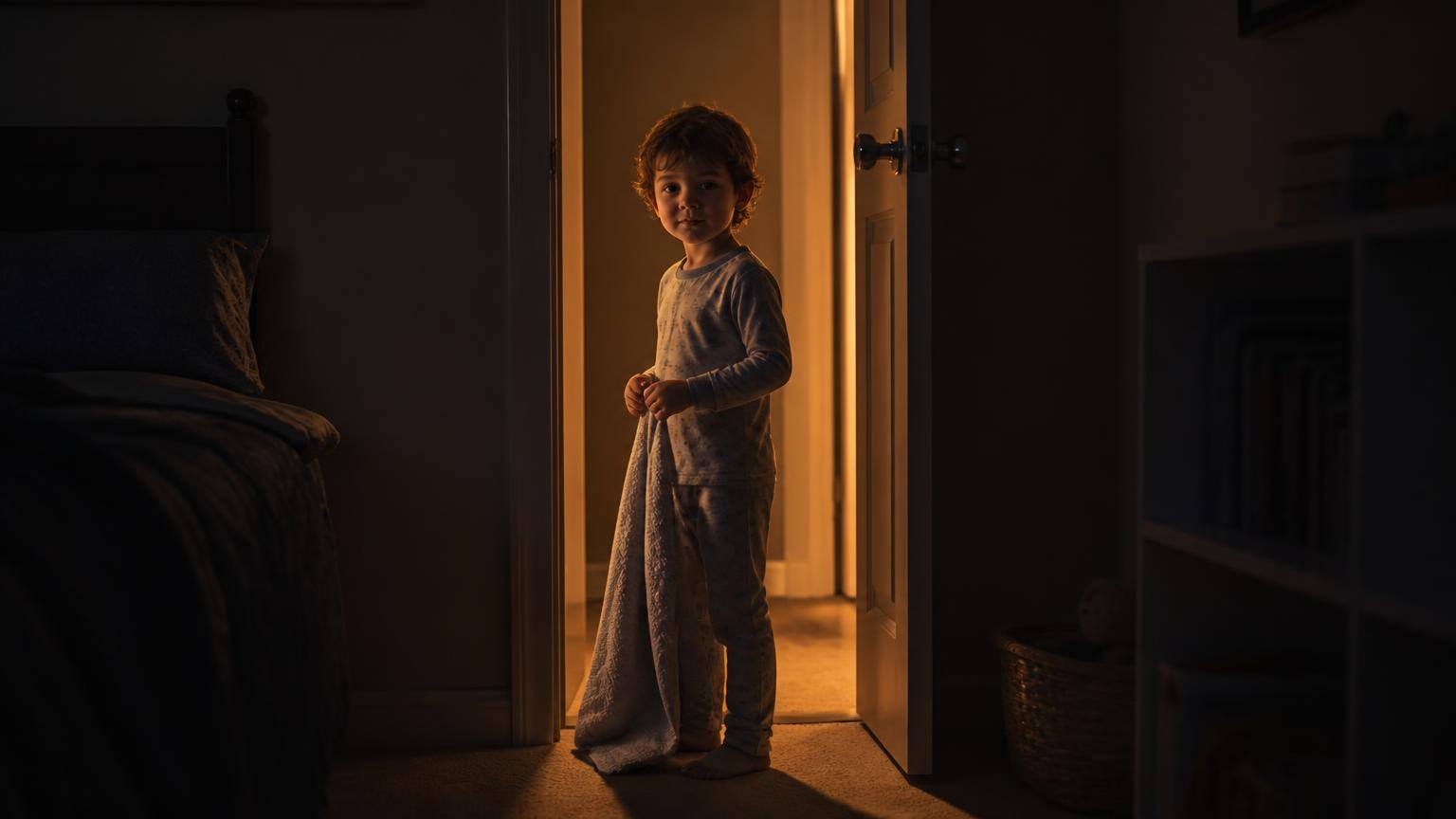
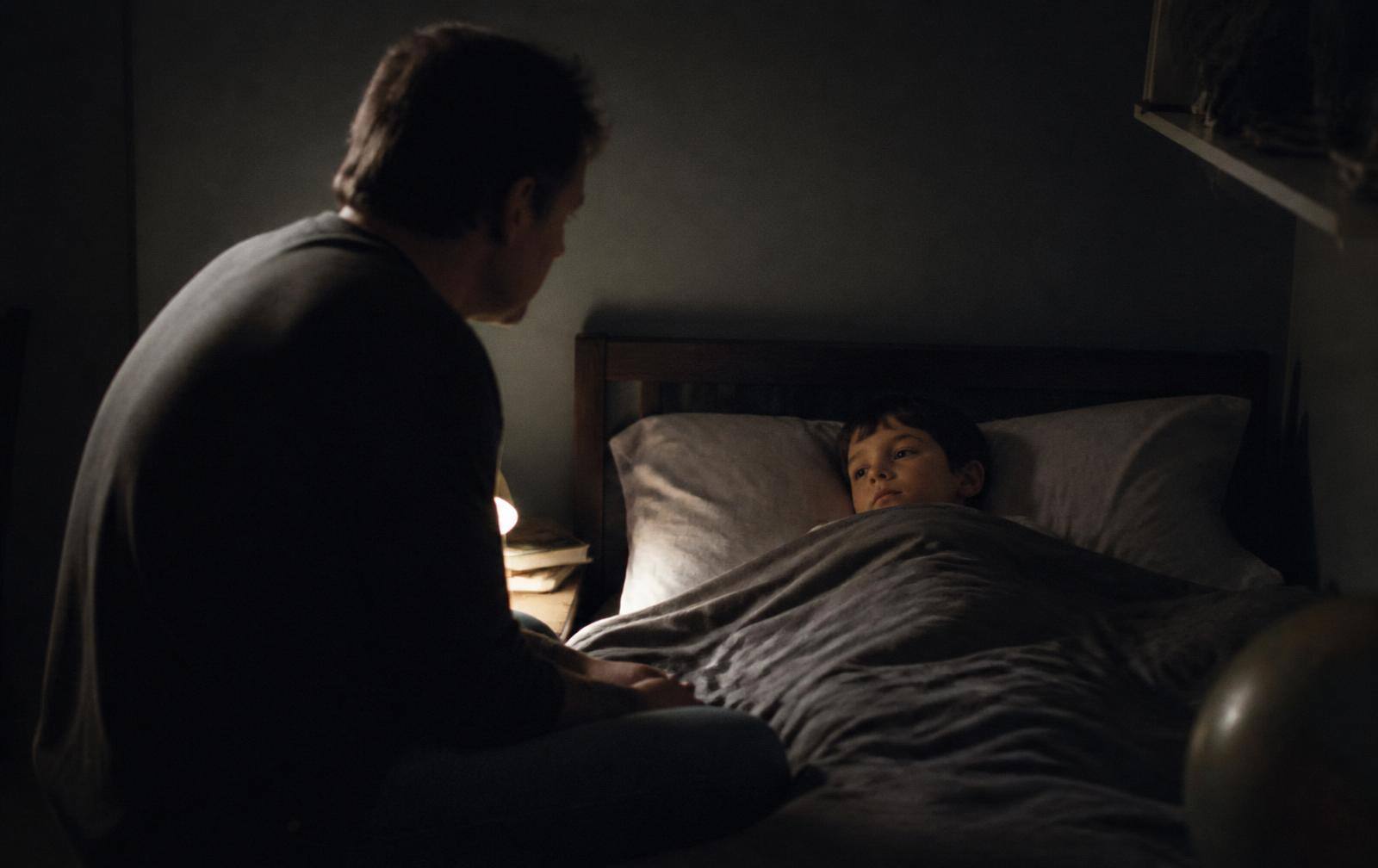
It rarely arrives in daylight. It arrives at 8:40pm, after the story, after the water, in the specific dark of a bedroom. 'Are you going to die?' And then, before you have found the first word: 'Am I?'
Somewhere between five and eleven, most children assemble the full picture: that death is universal, permanent, and applies to everyone they love. It is one of the great cognitive achievements of childhood, and it very often lands as a wave of anxiety that catches families completely unprepared.
Why now, and why at night
Younger children hold death as reversible — a character gets up again after the film. As abstract reasoning matures, the pieces click together, and with them comes the first genuinely unsolvable problem the child has met. Bedtime is where it surfaces because bedtime is the only unstructured, undistracted, unsupervised part of a child's day. The fear is not made by night; it is merely revealed by it.
What helps
- 01Stay steady in your body first
Your child is reading your face for whether this topic is safe. A slow breath before you speak does more than any wording.
- 02Be honest and small
'Yes, everybody dies one day. Almost always when they are very old. I plan to be here for an extremely long time.' Truthful, specific, brief.
- 03Do not use sleep metaphors
'Went to sleep', 'lost', 'passed away' — literal-minded children convert these into new fears about sleeping, being lost, or people vanishing.
- 04Follow their lead on depth
Answer the question asked, then pause. If they want more they will ask. Filling silence with information is usually a way of managing our own anxiety.
- 05Close with the present
Return to what is true right now: this room, this blanket, this hand, tomorrow morning's plan. Anxiety lives in the future; safety lives in the concrete.
The reassurance trap
The most common well-meant mistake is repeated reassurance. When a child asks the same question for the ninth night and we answer it for the ninth time with increasing emphasis, we accidentally teach two things: that the question is an emergency, and that relief comes from us rather than from their own capacity to tolerate uncertainty. Reassurance-seeking is one of the most reliable maintainers of childhood anxiety.
The alternative is not coldness. It is warmth without the escalation: 'We talked about this one — remember what we said? I know it feels big at night. I'm here, and it's still true.' Same warmth, no new information, no rising urgency.
When it is more than a phase
Most existential worry rises, peaks and settles across a few weeks. Consider extra support when the fear persists beyond a month or two, when it starts limiting daytime life — refusing school, checking on parents repeatedly, avoiding anything associated with illness — when it follows an actual bereavement, or when the child seems to be scanning their own body for signs of danger. These respond very well to therapy, and early support shortens the course considerably.
Existential questions arrive at bedtime because bedtime is the first quiet a child has had all day.
Sian Trombley, Canadian Certified Counsellor
What you can try this week
Answer smaller than you think
Give one true sentence, then stop and ask what they were picturing. Children usually have a specific fear underneath the enormous question, and it is often much easier to address.
Move the conversation to daylight
Say, warmly: 'That is a big and good question. Let's talk about it properly tomorrow on the walk.' Then genuinely do. Daylight conversations shrink night-time weight.
Give the worry a container
A five-minute 'worry time' earlier in the evening, in a chair, with you. Naming worries when regulated reduces how many arrive in the dark.
- Fear of death in middle childhood is a developmental milestone, not a symptom.
- Bedtime surfaces it because darkness removes distraction, not because nights are dangerous.
- Over-reassurance teaches a child the topic is unbearable; steady honesty teaches it is survivable.
- Avoid metaphors like 'gone to sleep' — they create new fears in literal-minded children.
- Worry that spreads into daytime functioning for more than a few weeks deserves professional support.
What was I told about death as a child, and did it help?
Am I reassuring my child, or reassuring myself?
Can I sit with not knowing in front of them?
Printable resources
Recommended Thrive courses
This article is educational and is not a substitute for individual clinical advice. Comments are closed so the Journal stays a calm place to read.
Share this
Keep going
You may also like
Courses, worksheets and pathways from the same part of the library.
- Learning PathwayAnxiety & WorryA guided Learning Pathway from Thrive Family Company.Read
- CollectionAnxiety & WorryEverything Thrive publishes on anxiety & worry — articles, courses, worksheets and research.Read
- JournalThe Worry They Will Not Name: When a Child Keeps a SecretThere is a thing your child is not saying. You can see it in the way they move, the way they sleep, the way they say 'nothing' when you ask.Read
- JournalThe Party They Will Not Go To: When a Child Refuses Birthday PartiesThe present is wrapped. The coat is on. And your child has decided, with total conviction, that they cannot walk through that door.Read
- Thrive Resource GuideAnxiety & WorryTherapist-reviewed books, apps, websites and tools for anxiety & worry.Read
- WorksheetAnxiety Bravery LadderA graded plan for facing one fear, one small rung at a timeRead