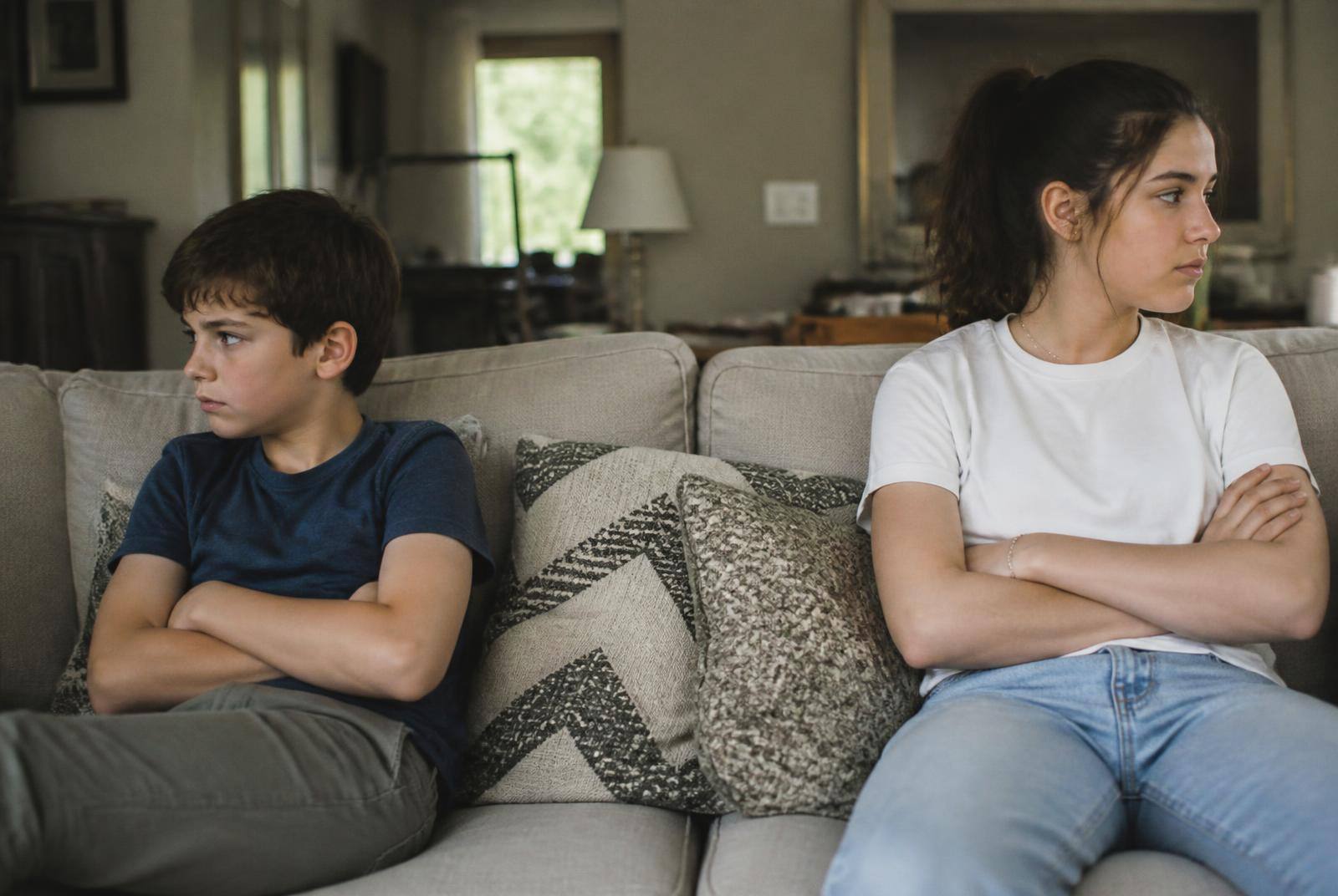
The Sibling Comparison Trap: When One Child Measures Themselves Against Another
You have never said one is cleverer. They worked it out anyway, from things you did not know you were saying.
Reviewed by Sian Trombley, CCCFounder, Thrive Family Company
8 min read
Best for parents of children who are…
- clashing with a brother or sister
- being hard on themselves
- needing extra emotional support at the moment

Share this
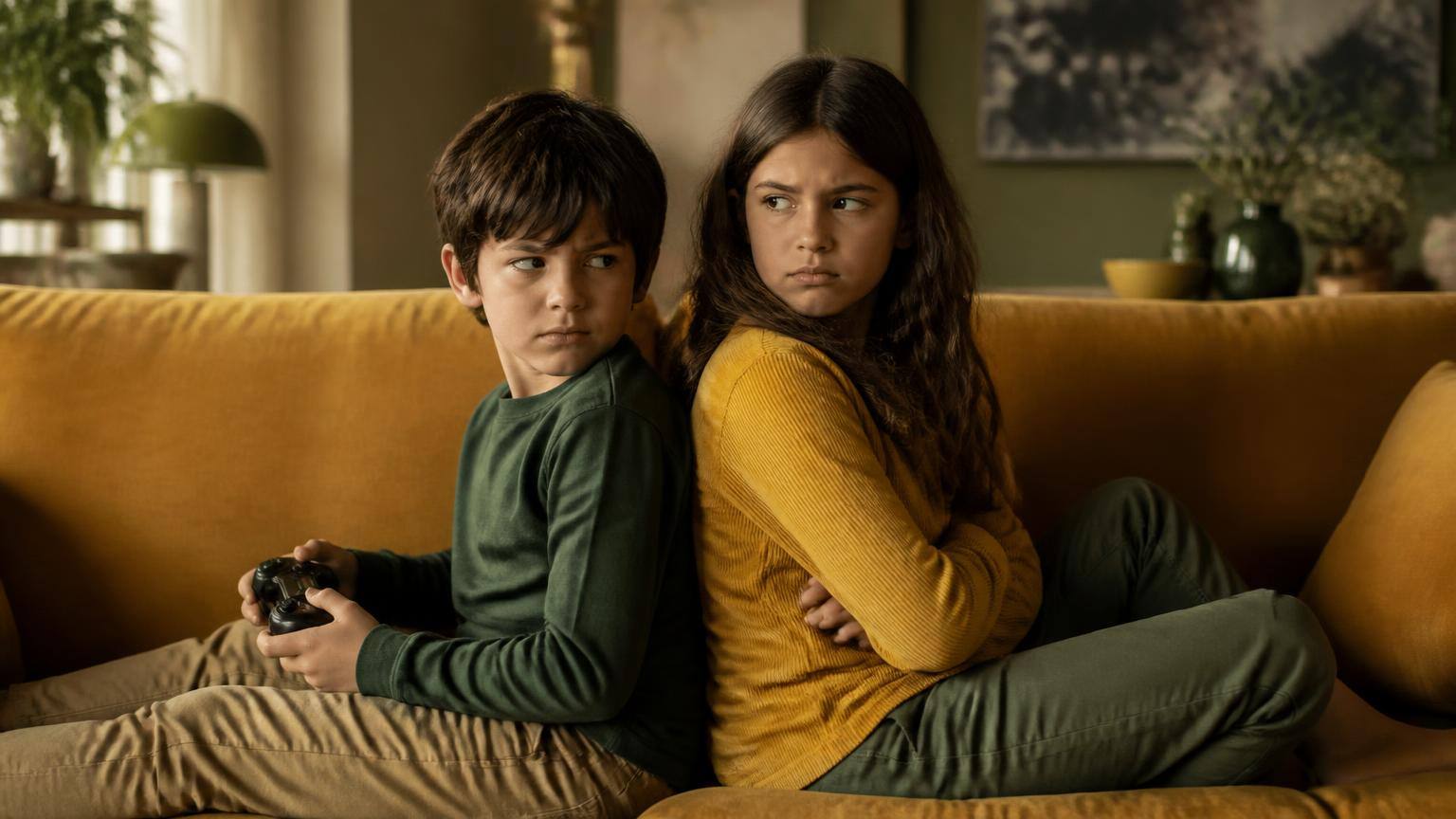
'I'm not the clever one, she is.' Said cheerfully, over dinner, by a nine-year-old who has never been told any such thing.
How the roles get assigned
Families sort children unconsciously. It happens through small repetitions: who is asked to read the letter, who is told to be careful, whose behaviour gets described to relatives and how. Over a few years these accumulate into a role, and roles are sticky because everyone — including the child — starts behaving in ways that confirm them.
Children also actively differentiate. If a sibling occupies a territory convincingly, many children will avoid it rather than compete, which is why one child quietly stops trying at maths, or drops the sport their brother excels at.
Why 'why can't you be more like…' fails
It is the most common comparison sentence in family life and it has never worked. It supplies no information about what to do differently, confirms the child's suspicion about their standing, and adds resentment towards the sibling being praised.
Replace comparison with specificity. 'Your coat is on the floor' achieves the entire intended outcome without recruiting a sibling as a weapon.
- 01Audit the labels out loud
Write down what each child is 'known for' in your house. The list is usually shorter and starker than expected.
- 02Compare backwards, not sideways
'This is better than last term's' teaches progress. 'Better than your brother's' teaches rank.
- 03Distribute the domains
Deliberately notice each child in the other's territory, even in small ways.
- 04Protect solo time
Fifteen minutes each, weekly, no siblings, nothing earned.
- 05Answer fairness honestly
'You get what you need, and that isn't always the same thing' — said consistently, it eventually lands.
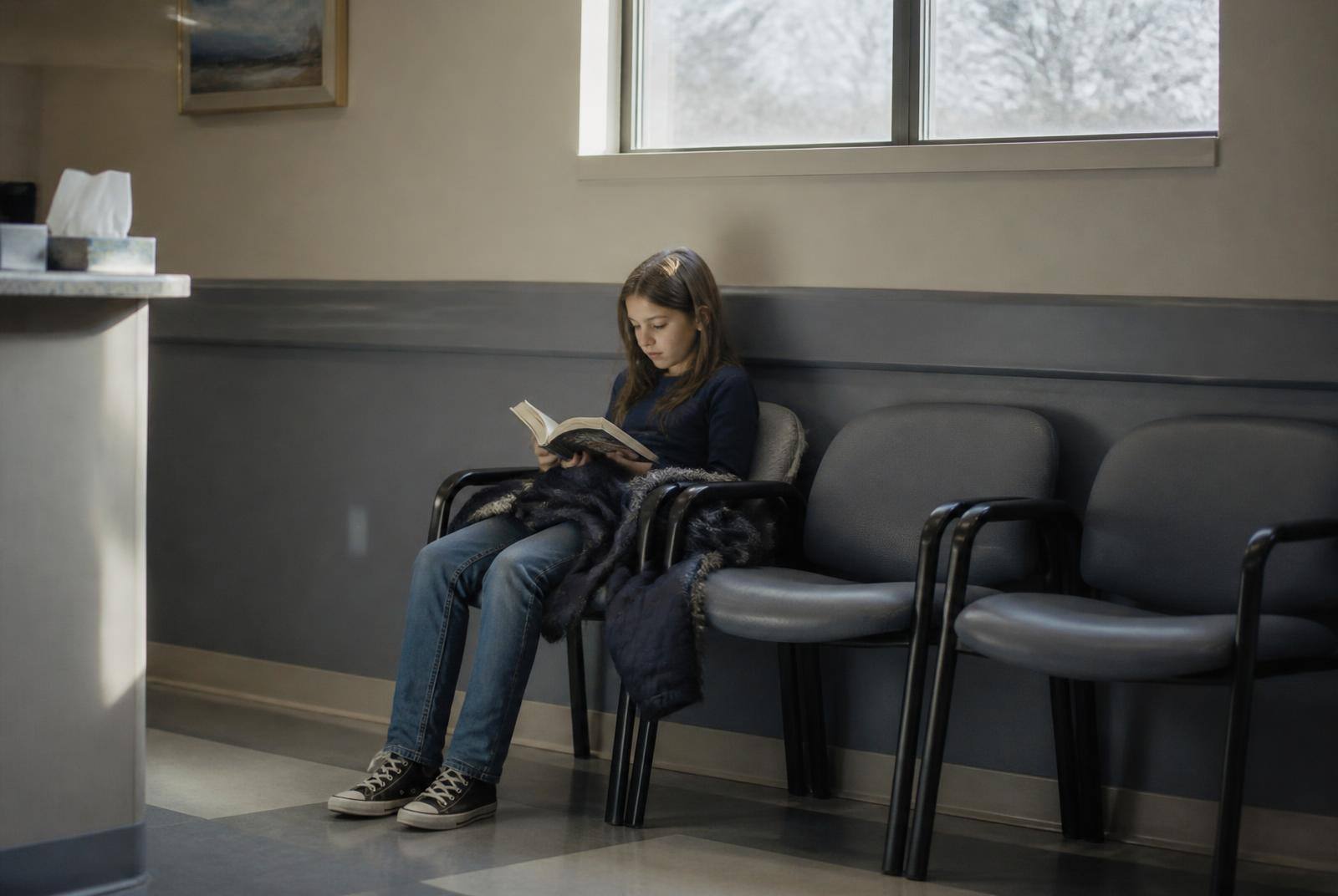
The child who is losing the comparison
Watch for the giving-up pattern: dropping activities where the sibling excels, self-deprecating jokes, refusing to try in front of the family. These children need domains of their own that are genuinely theirs, not consolation prizes handed down.
Help them find something the sibling does not do. Different sport, different instrument, different club. Separation of territory does more for sibling relationships than any amount of enforced sharing.
Undoing a label that has set
It takes repetition and time. Say the counter-evidence out loud, in front of others, more often than feels natural. Correct the label when relatives use it. And notice the child in the act of being the thing they believe they are not — the moment matters more than the compliment.
If a child persistently describes themselves as worthless, stupid or unwanted compared with a sibling, treat that as more than sibling dynamics and speak to school or your GP.
Children do not need a perfect parent. They need a predictable one who returns after hard moments.
Sian Trombley, Canadian Certified Counsellor
What you can try this week
Ban the sibling reference
Remove 'your sister manages it' from the house entirely. It has never once produced the intended behaviour.
Give each label away
If one child is 'the sporty one', deliberately notice sport in the other and effort in the first.
Fifteen minutes each, alone
Separate, ordinary, weekly time. Nothing dissolves comparison faster than being the only child in the room.
- Children compare constantly; the family's job is to prevent comparison hardening into identity.
- Perceived unfairness harms more than actual unfairness.
- Even positive labels — 'the sensible one' — carry a cost.
- Compare a child to their own past self, never to a sibling.
- Fair does not mean identical; it means each child gets what they need.
What is each of my children known for in this family?
Which of them would say they get the most attention — and would they be right?
When did I last praise one for something the other is 'the one' for?
Printable resources
Recommended Thrive courses
This article is educational and is not a substitute for individual clinical advice. Comments are closed so the Journal stays a calm place to read.
Share this
Keep going
You may also like
Courses, worksheets and pathways from the same part of the library.
- ResearchThe Research LibraryPeer-reviewed parenting and child mental health research, translated into plain language.Read
- Thrive GuideThrive GuideAsk a question and get warm, evidence-informed guidance drawn from the Thrive library.Read
- Thrive Care PlanThrive Care PlanA short check-in that turns how your week actually went into one focused plan.Read
- Thrive ToolThrive ToolsPremium printable workbooks and therapeutic tool kits.Read
- CollectionThe Resource LibraryFree printable worksheets, scripts and planners for families.Read
- JournalThe Body That Changed OvernightOne summer the door starts being closed. The mirror gets more use. And a parent realises the conversation they were saving for later is already late.Read