Everything in Boxes: Moving House With Children
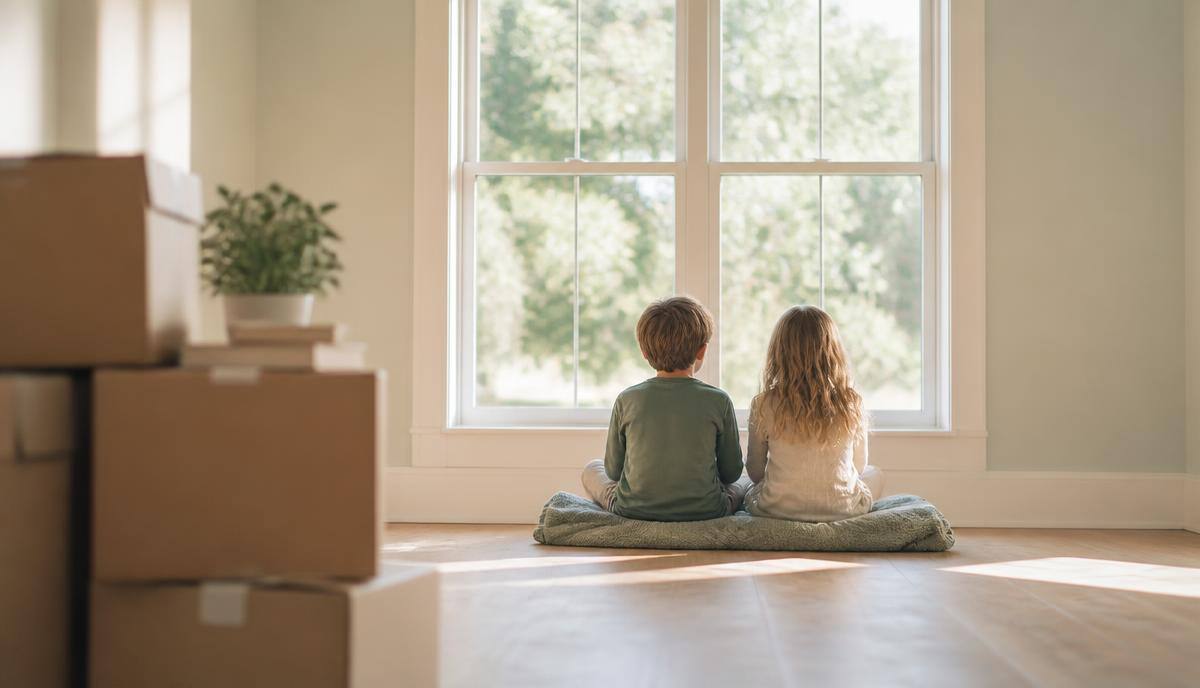
A move looks like logistics to adults. To a child it is the removal of every external structure they use to feel safe, all in the same fortnight.
Reviewed by Sian Trombley, CCCFounder, Thrive Family Company
9 min read
Best for parents of children who are…
- needing extra emotional support at the moment
- going through a change at home or at school
- showing more upset than usual and not saying why

Share this
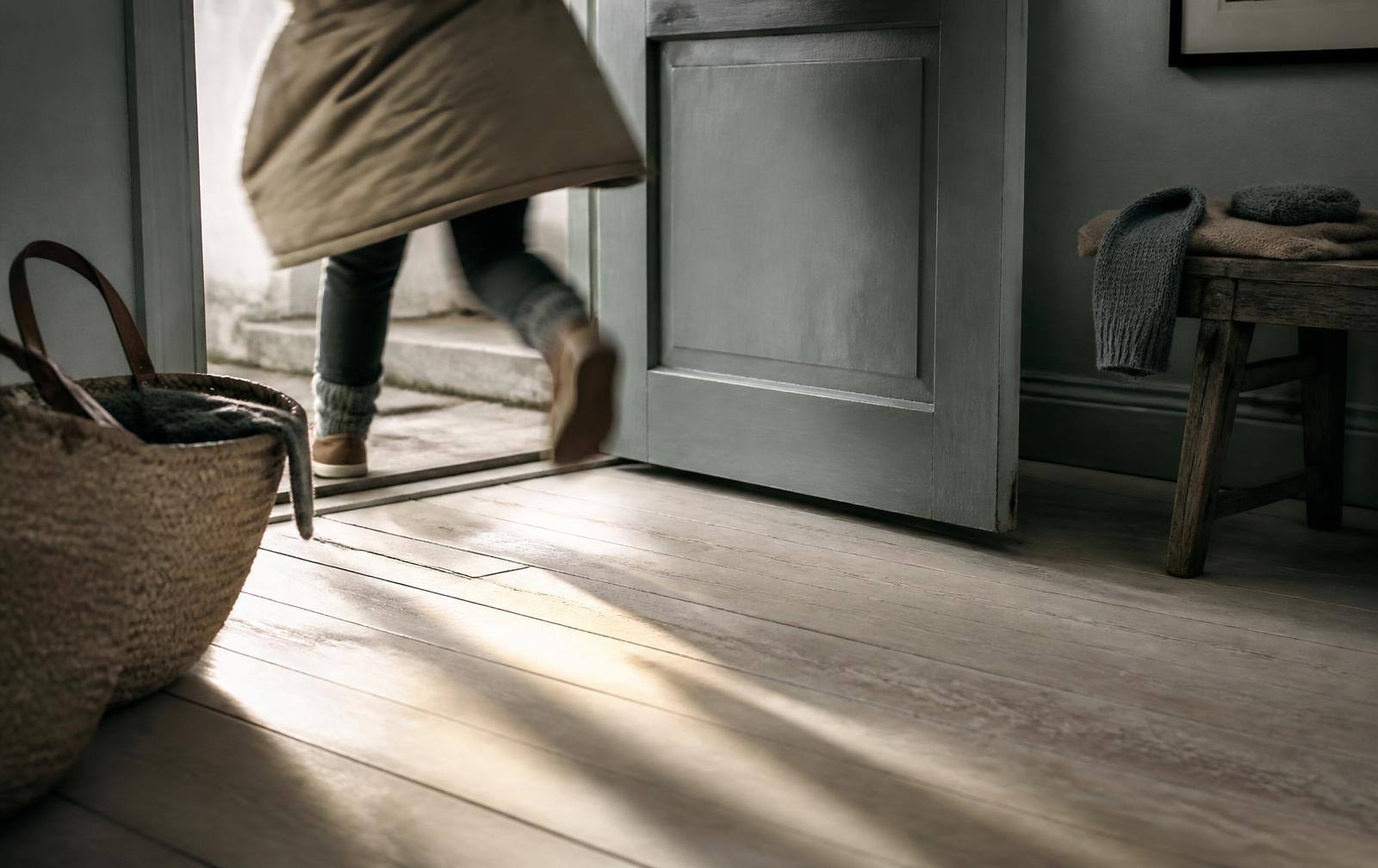
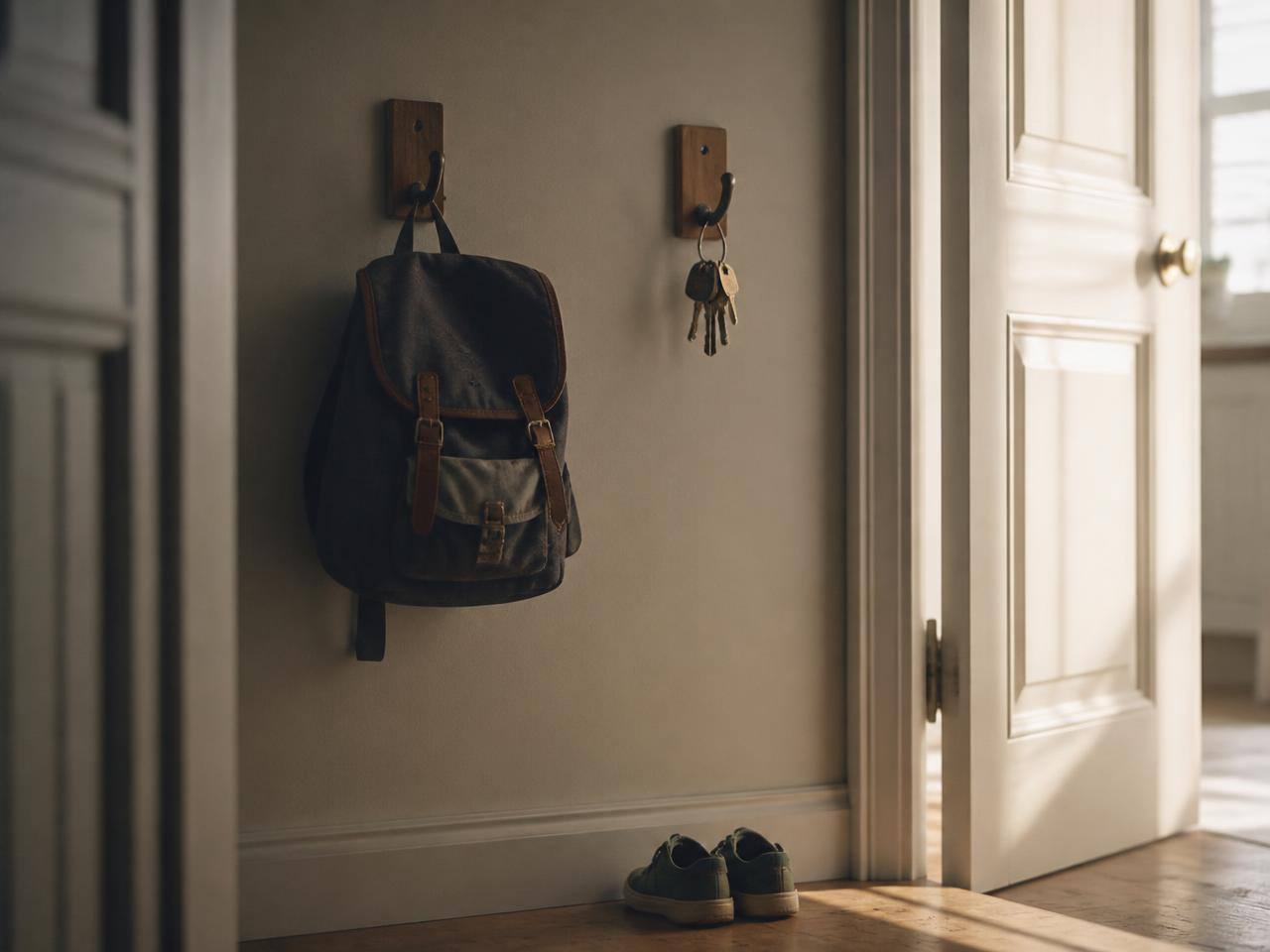
For the adults, a move is a project: dates, boxes, solicitors, broadband. For a child it is something else entirely — the simultaneous removal of the bedroom ceiling they know by heart, the walk to school, the shop where the man knows their name, and the friend whose house they could reach without asking permission.
None of that appears on the checklist, which is why so many families are blindsided when a settled child comes apart two months into a move that everyone agreed was a good idea.
The settling curve
Most children follow a recognisable shape. There is often an initial period of excitement and cooperation — new room, novelty, adults being unusually cheerful. Then, once the boxes are gone and the household returns to normal demands, the loss arrives. Six to ten weeks post-move is the most common point at which sleep, mood and school behaviour deteriorate. Parents frequently conclude something new is wrong. Usually the move has simply caught up.
Before the move
- 01Tell them early, and honestly
Children who find out late learn that big things happen without warning — a belief that costs far more than a few weeks of anticipatory worry.
- 02Give them real decisions
Small, genuine choices: wall colour, which box their things travel in, where the bed goes. Agency reduces the sense of things being done to them.
- 03Visit the ordinary places
Not just the house. The route to school, the corner shop, the park. Familiarity with the everyday geography matters more than the property.
- 04Let the goodbye be real
A last visit, photographs, addresses exchanged. Rushed goodbyes tend to resurface later as unfinished feeling.
After the move
- Set up their bedroom first and keep the same bedding — sensory continuity is powerful.
- Protect three daily rituals exactly as they were, however inconvenient.
- Repeat the same short walk regularly; belonging is built by repetition, not events.
- Get one friend to the new house within the first fortnight if you possibly can.
- Keep contact with the old place concrete: a scheduled video call, a letter, a visit with a date on the calendar.
Let them miss it out loud
The instinct is to reassure — to point out the bigger garden, the better school, how much they will love it by Christmas. It is well meant, and it usually lands as a request to stop feeling what they feel. Try instead: 'You really miss it. It was a good home. Tell me the bit you miss most today.' Grief that is allowed a witness moves through. Grief that is corrected settles in.
Where there is any flexibility, stagger them. Keeping school continuity through the first term of a house move is one of the strongest protective factors available.
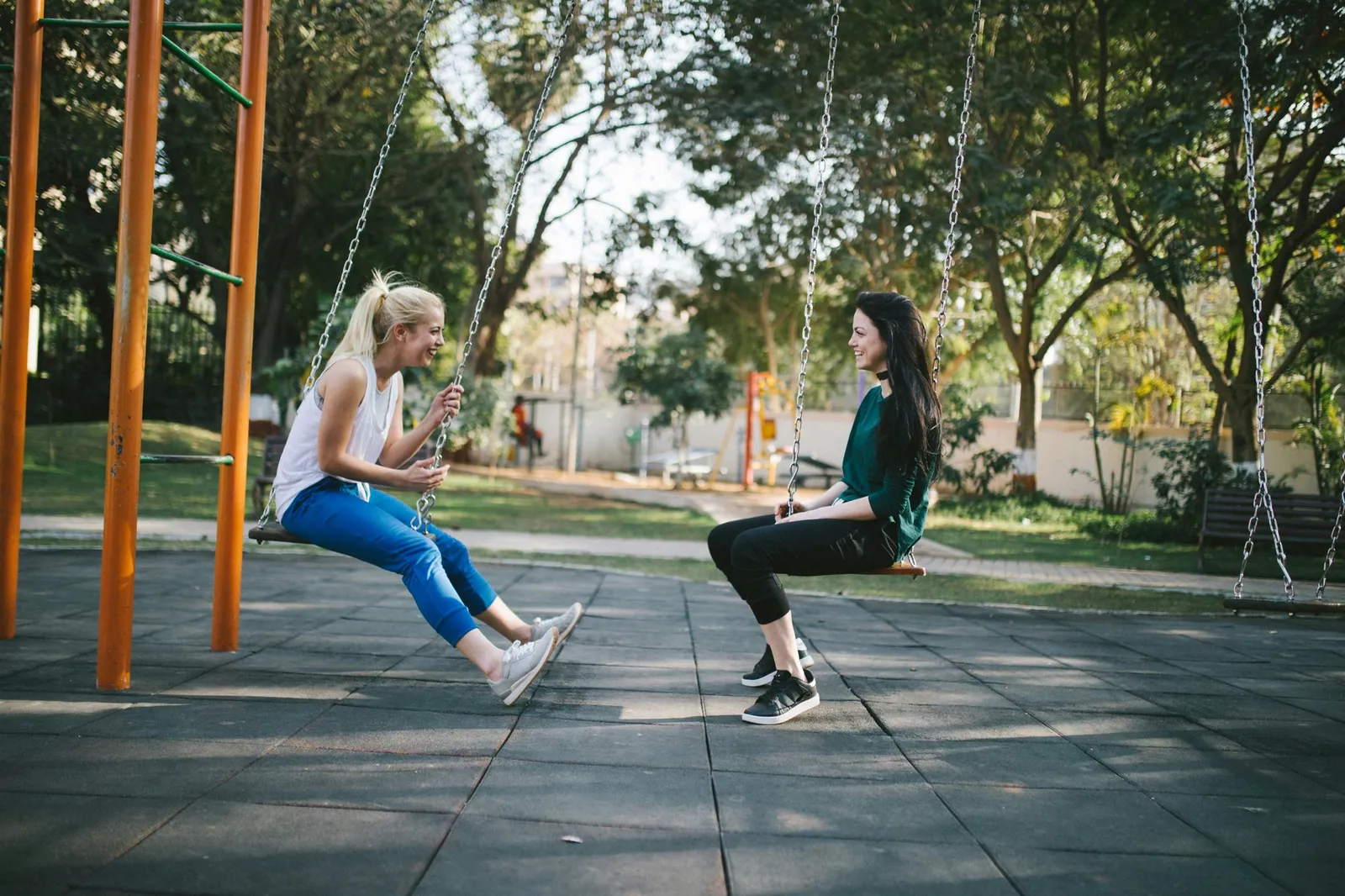
Yes. Adolescent identity is heavily tied to peer group and place; a move can feel like the loss of a self, not a postcode. Keep offering contact, keep transport to old friends easy, and expect the thaw to take a term.
Most children report feeling settled somewhere between three and nine months. If distress is still increasing after six months, it is worth a conversation with a professional.
Children do not grieve the house. They grieve the version of themselves that lived in it.
Sian Trombley, Canadian Certified Counsellor
What you can try this week
Set up their room first
Before the kitchen, before anything. One room that is finished and familiar gives a child a base to explore from.
Keep three rituals exactly the same
Same story routine, same Saturday breakfast, same bedtime phrase. Continuity in small things carries more weight than a big welcome gesture.
Make a goodbye and a hello
Photograph the old rooms, walk the old route once more, then build a first tradition in the new place within the first week.
- Children lose more in a move than a house: routines, landmarks, status, friendships, sensory familiarity.
- Distress usually peaks weeks after the move, not during it.
- Continuity is the active ingredient — keep as much of the daily rhythm intact as you can.
- Let them grieve the old place out loud without rushing to sell them the new one.
- Belonging returns through repetition: the same park, the same shop, the same route.
What am I grieving about this move that I have not said out loud?
How much of my child's behaviour am I reading as difficulty rather than loss?
Which three routines can I protect no matter how chaotic this month is?
Printable resources
Recommended Thrive courses
This article is educational and is not a substitute for individual clinical advice. Comments are closed so the Journal stays a calm place to read.
Share this
Keep going
You may also like
Courses, worksheets and pathways from the same part of the library.
- CollectionTransitionsEverything Thrive publishes on transitions — articles, courses, worksheets and research.Read
- CollectionFamily RelationshipsEverything Thrive publishes on family relationships — articles, courses, worksheets and research.Read
- Learning PathwayAnxiety & WorryA guided Learning Pathway from Thrive Family Company.Read
- Learning PathwayADHD & Executive FunctioningA guided Learning Pathway from Thrive Family Company.Read
- ResearchThe Research LibraryPeer-reviewed parenting and child mental health research, translated into plain language.Read
- Thrive GuideThrive GuideAsk a question and get warm, evidence-informed guidance drawn from the Thrive library.Read