
Article
Mornings Are Executive Function Practice
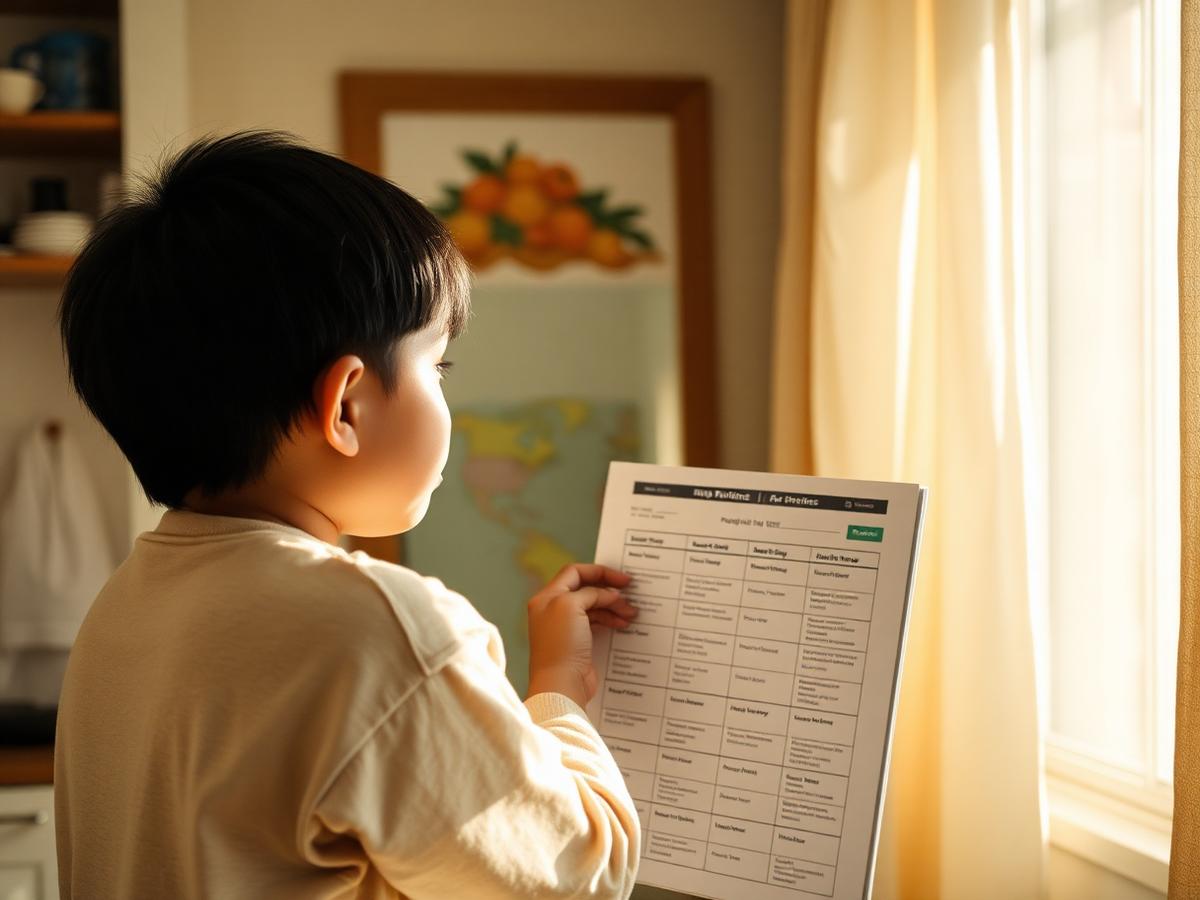
The morning routine is where executive function meets emotion meets time pressure. No wonder it unravels. The fix is not more nagging. It is better scaffolding.

Practical, evidence-informed support for attention, executive functioning, emotional regulation, routines and everyday family life.
Start here“ADHD is rarely a question of trying harder. It shows up as the same instruction needing to be given four times, a morning that unravels over one lost shoe, homework that takes an hour of negotiation and ten minutes of work, and a child who feels everything at full volume. What helps isn’t more reminding. It’s building structure outside a child—clear routines, visible time, kinder language—until, slowly, it starts to grow inside them.”
A short introduction to ADHD and executive functioning — why attention, time and organisation work differently, why reminding harder never builds the skill, and how structure placed around a child slowly becomes structure inside them.
Narrated · 1 min 24 sec
One thing to understand, one way to learn it properly, one thing to try this week.
Capable, bright, and somehow unable to begin. Laziness is the most common misreading in family life — and the most costly. Here is what is really happening, and how to help.
The comprehensive start-here course — the ADHD brain, executive function, time and motivation, emotion, routines, school, confidence and a longer-term family plan.
A therapist-curated guide to the books, apps, organisations and creators that help ADHD households run with less friction — and less shame.

A comprehensive introduction to the ADHD brain and the executive-function skills underneath the daily friction — so home stops running on reminders.
8 modules · $99 · Available now
A structured journey through adhd & executive functioning — built to be taken in order, or started wherever you are today.

The comprehensive start-here course — the ADHD brain, executive function, time and motivation, emotion, routines, school, confidence and a longer-term family plan.
The brain science every parent needs.

Structure that supports, not shames.

Intrinsic motivation for the ADHD brain.

A calm evening routine that actually works.

Big feelings on an ADHD nervous system.

Age-by-age life skills that scaffold adulthood.
Six Focused Course Bundle — every focused course in ADHD & Executive Functioning, $199.
Complete Pathway — Foundations plus every course in ADHD & Executive Functioning, $249.
The morning routine is where executive function meets emotion meets time pressure. No wonder it unravels. The fix is not more nagging. It is better scaffolding.
This reflection examines the quiet influence of technology on your household rhythms and the quality of your shared attention. It invites an honest look at how screens serve or subtract from your family values.
For the child who is capable, willing and still somehow sitting on the stairs with one sock on when you need to leave.
An executive-function-friendly homework flow with a start ritual and a visible finish.
Capable, bright, and somehow unable to begin. Laziness is the most common misreading in family life — and the most costly. Here is what is really happening, and how to help.
The morning routine is where executive function meets emotion meets time pressure. No wonder it unravels. The fix is not more nagging. It is better scaffolding.
Your job is the conditions, not the content. The moment you become the teacher, you stop being the safe place.
Most families try to fix mornings with more urgency. Mornings improve when you remove decisions, not when you add pressure.
Nobody is being difficult at 7:40am. A brain is being asked to do something it cannot yet do alone.
By eleven o'clock, a child who ate nothing at seven is not badly behaved. They are running an engine with no fuel in it.
Parents of children with ADHD are told to be more consistent more often than almost anyone. The advice is not wrong so much as aimed at the wrong target — here is what to build instead.
ADHD tools aren't about fixing ADHD. They're about moving some of the work out of the brain and into the environment.
A therapist-curated guide to the books, apps, organisations and creators that help ADHD households run with less friction — and less shame.
This reflection examines the quiet influence of technology on your household rhythms and the quality of your shared attention. It invites an honest look at how screens serve or subtract from your family values.
This reflection examines the silent dialogue between home and school through the contents of your child’s lunchbox. We consider how the rhythms of morning preparation and the sensory realities of the dining hall influence your child’s ability to remain regulated throughout their day.
This reflection invites you to observe the quiet rhythms beneath the digital habits within your home. It helps clarify whether devices are serving your family's connection or acting as a silent barrier to it.
For the child who is capable, willing and still somehow sitting on the stairs with one sock on when you need to leave.
A structure for the hinge between downtime and work, for children who can do the task but cannot begin it.
Explore patterns in attention and executive functioning for a child, a teen or yourself, and receive personalized insights and practical next steps.
The comprehensive start-here course — the ADHD brain, executive function, time and motivation, emotion, routines, school, confidence and a longer-term family plan.
This reflection invites you to observe how your child’s unique neurobiology interacts with the daily rhythms of your household. It offers a gentle lens to distinguish between a child’s capacity and their willingness in moments of high stimulation.
ADHD is not a problem of knowing what to do. It is a problem of energy regulation across the day. Pacing is the hidden curriculum that makes everything else possible.
Mornings, homework, transitions, bedtime — the ordinary hours where this work is really done.
This reflection examines the silent dialogue between home and school through the contents of your child’s lunchbox. We consider how the rhythms of morning preparation and the sensory realities of the dining hall influence your child’s ability to remain regulated throughout their day.
Thrive Guide can help you find the courses, tools and resources that fit what your family is navigating right now.