Skip to content
← The Thrive JournalDepartment

Book Shelf

What we hand to parents

Books we recommend often, and what each one is genuinely useful for.

The archive

More from Book Shelf

A parent walking beside a school-age child with a backpack towards a school gate in morning light
Anxiety

Separation Anxiety in Children: Why Longer Goodbyes Make It Worse

The instinct to stay one more minute is loving, reasonable, and the single most reliable way to make tomorrow morning harder.

Read
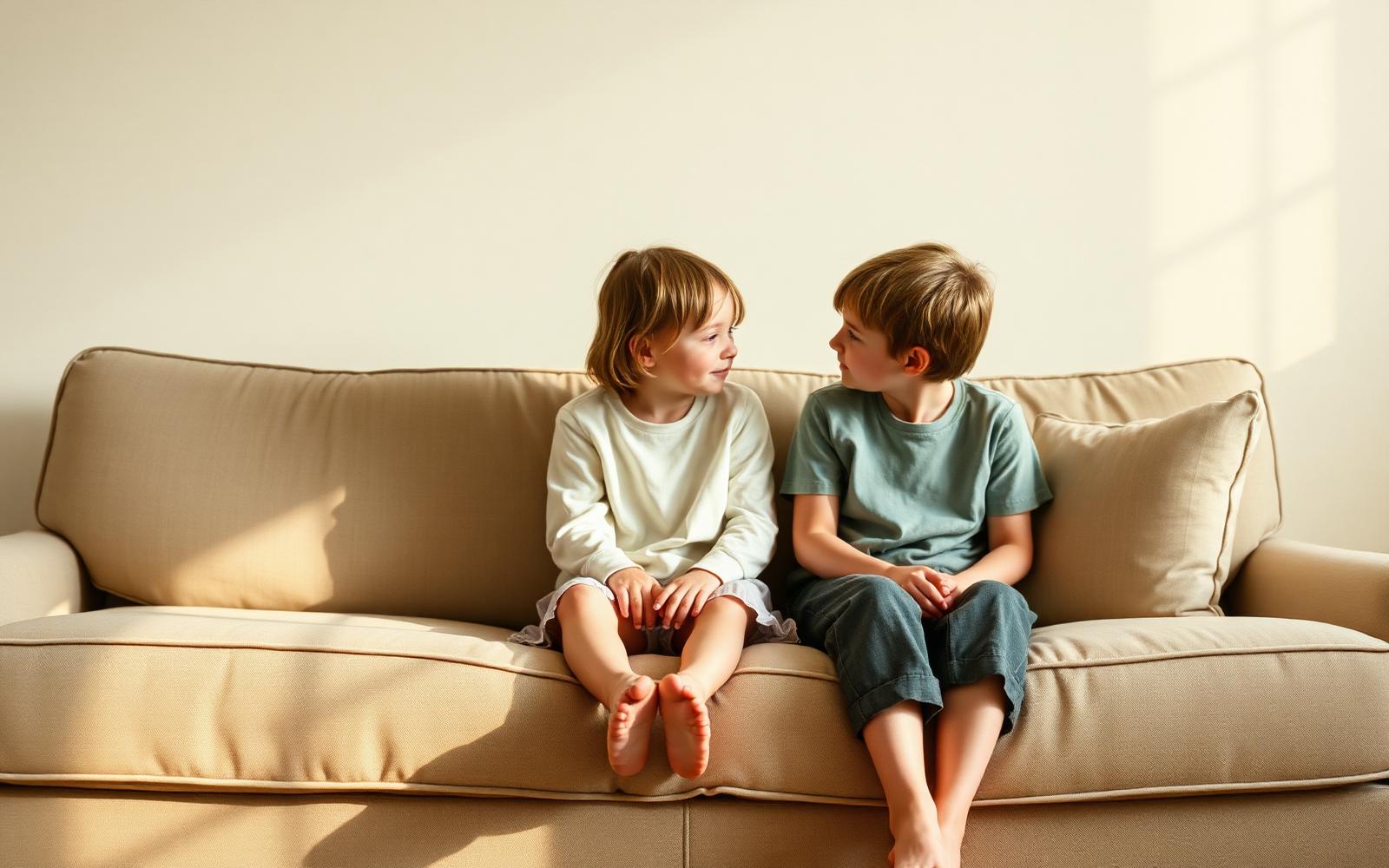
Two siblings sitting apart on a linen sofa in the quiet moments after an argument
Sibling Relationships

How to Stop Siblings Fighting (Without Becoming the Referee)

Every time you decide who started it, you teach both children that the way to win is to reach you first. There is a better position to take — and it is not in the middle.

Read
A parent and school-age child sitting on the floor together with a jar of coloured stones
Emotional Regulation

17 Emotional Regulation Activities That Actually Work

Not crafts to fill an afternoon. Short, repeatable practices that train a child's nervous system to come back down — and the reason most of them fail if you introduce them at the wrong moment.

Read
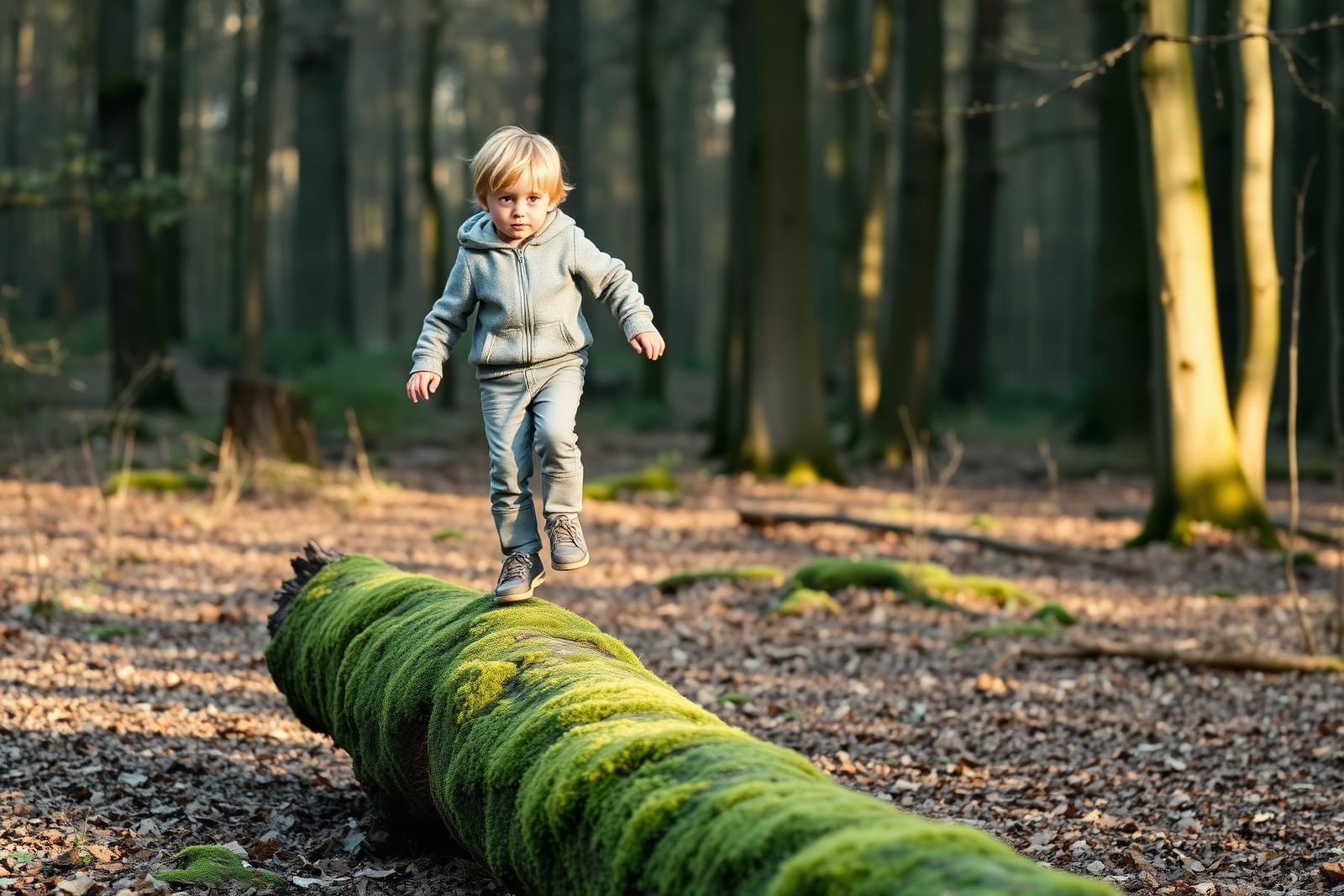
A child balancing along a mossy fallen log in soft morning woodland light
Confidence & Resilience

How to Build Resilience in Children (It Is Not Toughness)

Resilient children are not the ones who struggle least. They are the ones who have been supported through struggle often enough to believe it ends.

Read
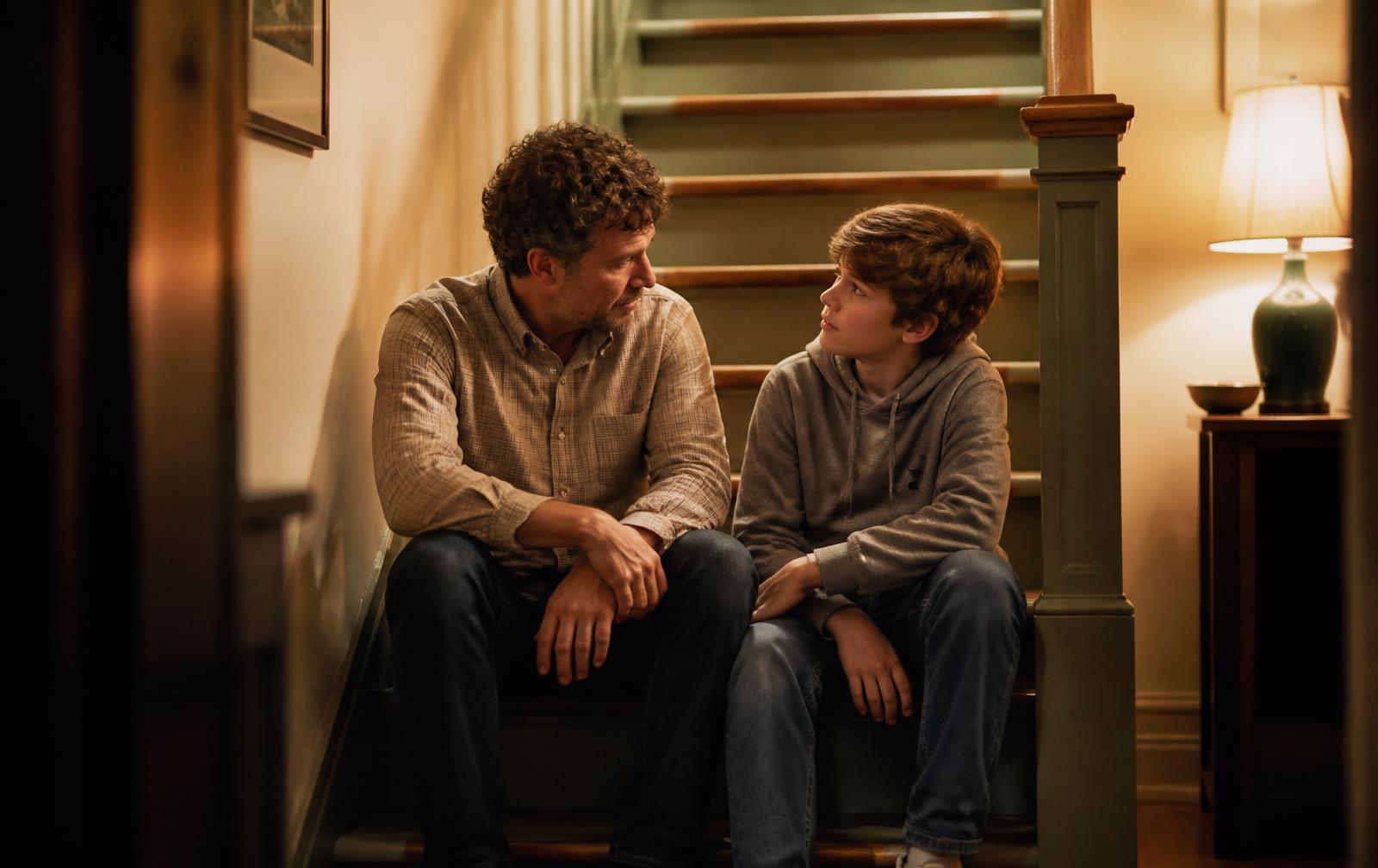
A parent and child sitting side by side on the bottom stair, talking quietly
Emotional Regulation

Why Punishment Often Makes Big Emotions Worse

Consequences are not the problem. Timing is. What we do in the ninety seconds after a child loses control decides whether they learn regulation or learn concealment.

Read
A teacher and a parent talking across a small table in a sunlit classroom after school
School

What Teachers Wish Parents Knew

They see your child for six hours a day in a room with thirty other people. What they notice is different from what you notice — and the gap between the two is where most school problems live.

Read
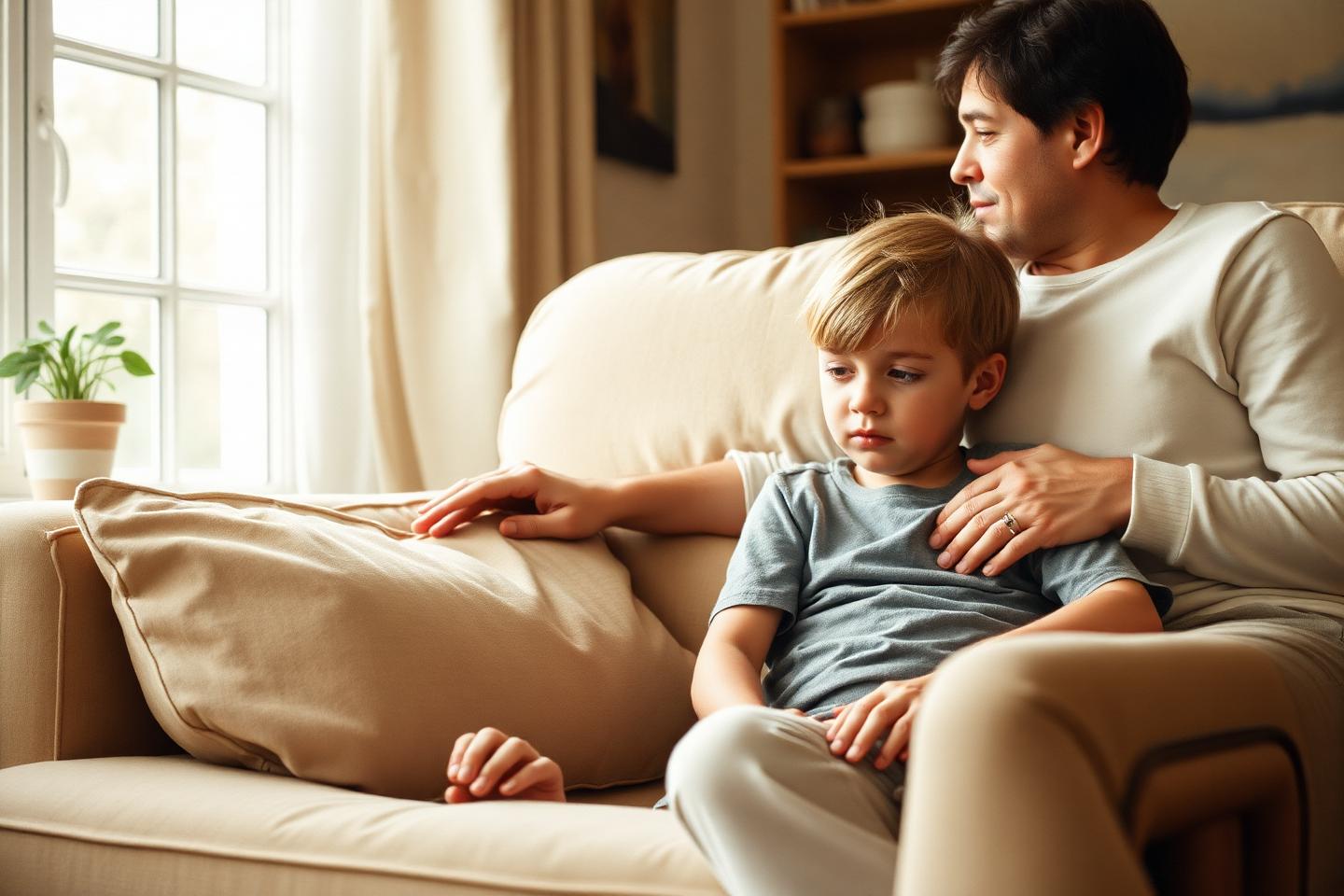
A parent sitting beside their child on the stairs, hand resting gently on their back
Family Life

How to Repair After You Lose Your Temper

The rupture is not the thing that shapes a child. What happens in the two hours afterwards is — and most of us were never taught how to do it.

Read
A parent sitting on the floor at eye level with an upset child, speaking softly
Emotional Regulation

20 Phrases That Help Children Calm Down

Not magic words. Short sentences that ask nothing of a brain that currently cannot answer — and a few of the well-meant ones that quietly make things worse.

Read
A parent kneeling at eye level with a worried school-age child in a calm, sunlit living room
Anxiety

What Childhood Anxiety Is Actually Asking For

Reassurance feels like the kindest response to a worried child — and it is often the reason the worry keeps returning. Here is what anxiety is really asking for, and how to give it.

Read
A parent and a school-age child sitting quietly together on a sunlit living room floor after a hard moment
Big Emotions

The Three Minutes That Change a Meltdown

Most of what parents are taught about big emotions happens too late. The window that matters most opens in the first three minutes — and what you do there decides how the next hour goes.

Read
The Thrive Journal

One considered letter, once a week

For parents who want calmer mornings, kinder conversations, and a little more confidence. No promotions, no noise — just insight that fits real life.

Thrive ConciergeAsk a Parenting Question