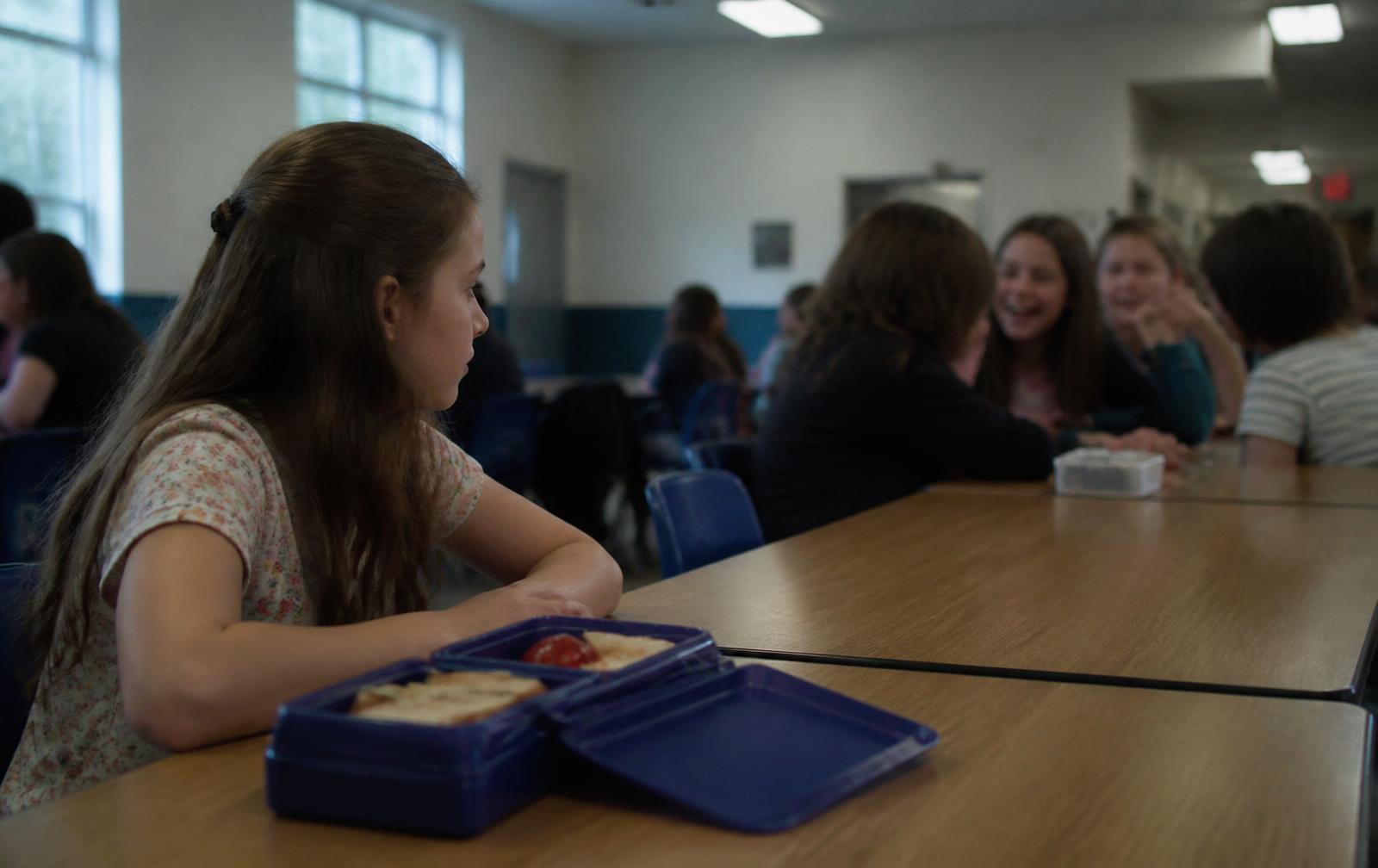
The Friend Who Stopped Sitting With Them
Friendship groups shift without warning around nine to twelve. It is not always bullying — and it still hurts like something broke.
Written by Sian Trombley · BEd, MACP, CCC
There was no fight. No message you can screenshot, no incident the school can investigate. Just a seat that used to be saved and now isn't, and a child who has started saying that lunchtime is 'fine'.
Friendship change in the middle years is one of the most common reasons families come to see me, and one of the least well handled by the adults around it — not because parents don't care, but because it triggers something old and painful in almost every one of us.
Why groups reshape at this age
Early childhood friendships are built on proximity and activity: you sat next to me, we both liked dinosaurs. From around nine, children begin choosing friends based on identity, values, humour and status. That is developmentally healthy. It also means the friend chosen at six may not fit the person emerging at eleven — and one of the two usually notices first.
What not to say, even though you will want to
First, let it hurt
The first job is not repair. It is company. A child who is allowed to be sad in front of you, without being fixed or rescued, learns two things: that loss is survivable, and that you are safe to bring hard things to. Both matter more in the long run than whether they get their seat back.
Then, quietly build the ground back up
Friendships form through repeated, low-pressure contact around a shared activity — not through being told to be sociable. That means the useful parental moves are logistical rather than motivational: a club that meets weekly, a lift home shared with one classmate, a Saturday that puts your child next to the same person more than once.
- 01Aim for one steady friendship, not a group. One is protective; popularity is not.
- 02Choose activities based on your child's genuine interest, not on where the popular children go.
- 03Prioritise repetition — the same faces weekly beats a series of one-off events.
- 04Ask the school for discreet support with pairings, seating, and group tasks.
- 05Keep home predictable and warm while the outside world is unstable.
When it is not drift
Exclusion becomes something else when it is deliberate, repeated, and organised — rumours, group messages designed to be seen, coordinated silence. That is relational bullying and it needs the school, in writing, with dates. Your child should hear you say clearly that this is not a friendship problem to be solved by being nicer.
Most of the time, though, this is the ordinary and brutal reshaping of childhood social life. Your child will make new friends, probably within a term, and will remember far less about who left than about who sat with them while it hurt.
Children do not need a perfect parent. They need a predictable one who returns after hard moments.
Sian Trombley, Canadian Certified Counsellor
What you can try this week
Sit in it for two full days
Before offering a single solution, just acknowledge. 'That sounds lonely.' Let the sadness be allowed to exist without a plan attached.
Find one low-stakes connection
Not a new best friend — one person to walk to the bus with, or one shared-interest club. Proximity plus repetition is how friendships actually form.
Ask the school for a seating nudge
A quiet word about pairings and group work does more than any conversation about being confident. Ask for it discreetly.
- Friendship groups naturally reshape between ages nine and thirteen.
- Social rejection registers in the brain much like physical pain.
- Rushing to fix or to criticise the other child both close the conversation.
- One reliable friendship protects more than a large group does.
- Skills, not popularity, are what you can actually help with.
Am I more upset about this than my child is?
What does my child actually want from me: solutions, or company?
Which of my own school memories is this bringing up?
Printable resources

Share this article
This article is educational and is not a substitute for individual clinical advice. Comments are closed so the Journal stays a calm place to read.