Ritual
The After-School Routine: Helping Kids Transition From School to Home
The first forty minutes decide most of the evening.

Share this
- Time in real life
- The first 40 minutes
- The change
- Food and quiet come before questions and homework for one week.
- Ages
- 4–18
- Reading
- 8 min
Reviewed by Sian Trombley, CCCFounder, Thrive Family Company
8 min read
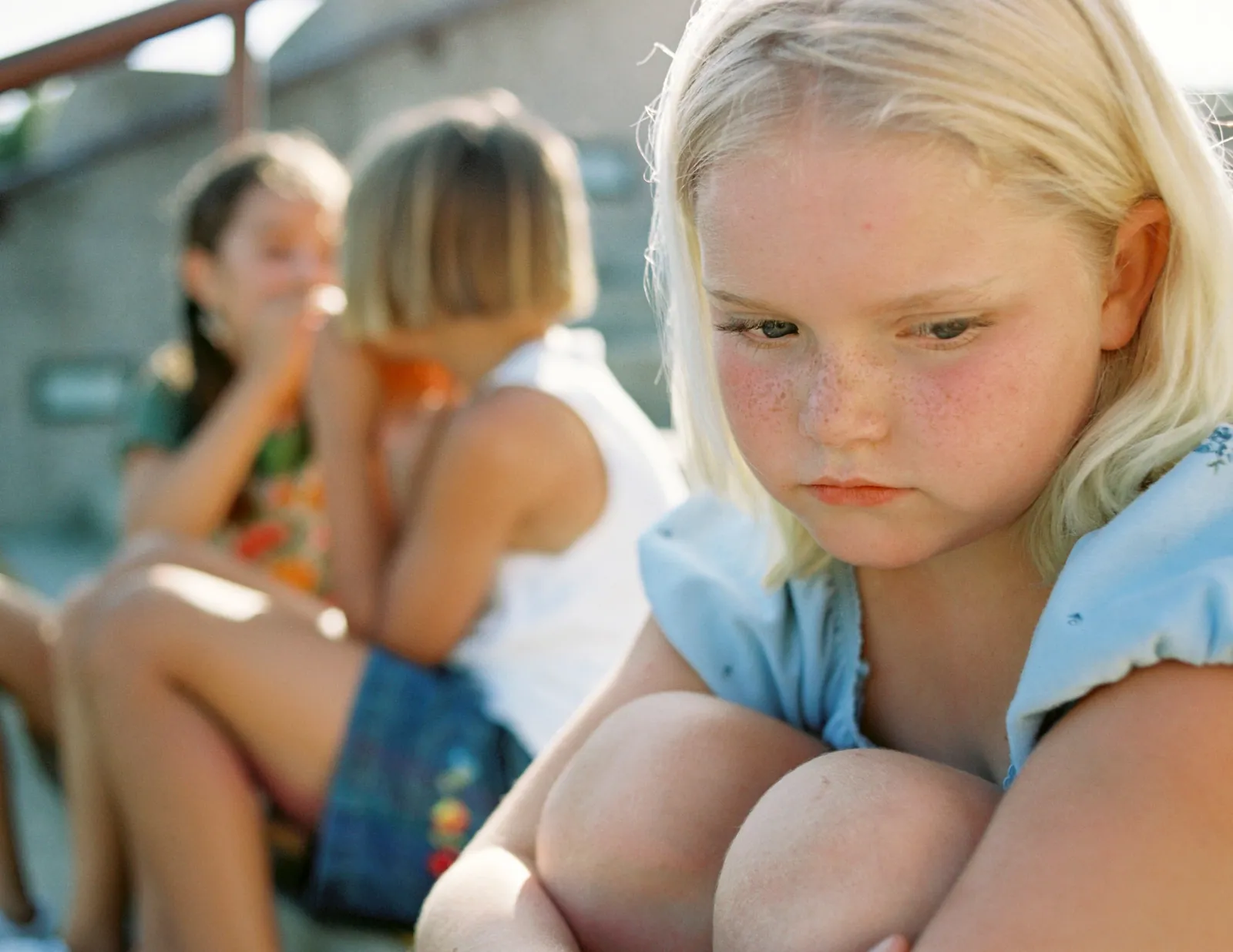
Children who have held themselves together all day frequently fall apart at the people who are safest. The pick-up scowl and the immediate argument with a sibling are not a verdict on the home; they are what happens when a nervous system finally stops performing.
Which means the after-school hour is not really about homework logistics. It is about landing.
What is actually happening at 3.30
- Hunger. Most children have eaten badly and hours ago, and low blood sugar looks exactly like a bad attitude.
- Sensory load. Six hours of noise, lights, crowds and being observed. Some children need silence before they need anything else.
- Held effort. Masking, sitting still, managing friendships. The release of that effort is often loud.
- No language yet. "How was school?" arrives before the words have reassembled.
The order that works
- 01
Food, immediately and without negotiation
Something substantial in their hand within ten minutes of the door, ideally with protein in it. Do this before conversation, before shoes, before anything.
- 02
Twenty minutes of nothing
Lying on the floor, the sofa, the garden, a book, a screen if that is what genuinely decompresses this child. No questions, no instructions, no jobs.
- 03
Proximity without pressure
Be in the same room doing something unrelated. Children talk sideways — while you are chopping, driving, folding — far more readily than across a table.
- 04
Then, one specific question
Not "how was your day?" but "who did you sit with at lunch?" or "what was the loudest thing that happened?" Specific questions are answerable; general ones are exhausting.
- 05
Homework after the landing, not during it
For most children this means at least an hour after the door. For some it means after dinner. Pick one slot and keep it the same on most days.
Different children, different landings
- The child who needs solitude: give it without treating it as rejection. They will come and find you at around the ninety-minute mark.
- The child who needs you immediately: ten minutes of undivided attention now saves an hour of low-level pursuit later.
- The child who needs to move: get them outside or up the stairs before you attempt anything verbal.
- The teenager: expect the door to close. Leave food where they will find it and ask nothing for the first hour. Availability, not access.
If the after-school hour is consistently the hardest part of your day, look first at what is being eaten and when. It is unglamorous, and it is frequently the whole answer.
Try this week
- 01Have food ready before pick-up, not started after it.
- 02Ask nothing for the first twenty minutes, for five days running.
- 03Replace 'how was school?' with one specific question, asked sideways.
- 04Move homework later by thirty minutes and see whether anything actually goes wrong.
The therapist's perspective
Parents often assume that a child who is hostile after school is upset with them. Far more often, the hostility is a sign that home is the first safe place of the day.
The child who says nothing at four o'clock is frequently the same child who talks at ten. If you can stay awake for it, that is the conversation.
Sian
Founder, Thrive Family Company
Share this
Continue in Routines
The Dinner Table Routine
Not everyone can eat together every night, and the pressure to try is its own problem. Here is the version that works for real schedules — and what makes the difference once everyone is sitting down.
The Travel Day Routine
Travel days break every routine a family has, all at once. A small amount of structure, built before you leave, absorbs most of what usually goes wrong.

Rebuilding a Routine After a Hard Season
After a hard stretch, most families try to restore every routine on the same Monday. Here is the sequenced version, which is slower and considerably more likely to hold.