The Girl Who Was Never a Problem: Autism, Missed
Autistic girls are diagnosed later, less often, and usually only after something breaks. Here is what is being overlooked, and why it matters.
Reviewed by Sian Trombley, CCCFounder, Thrive Family Company
9 min read
Best for parents of children who are…
- experiencing the world in their own particular way
- needing predictability and sensory care
- worrying often, or asking the same question again and again

Share this
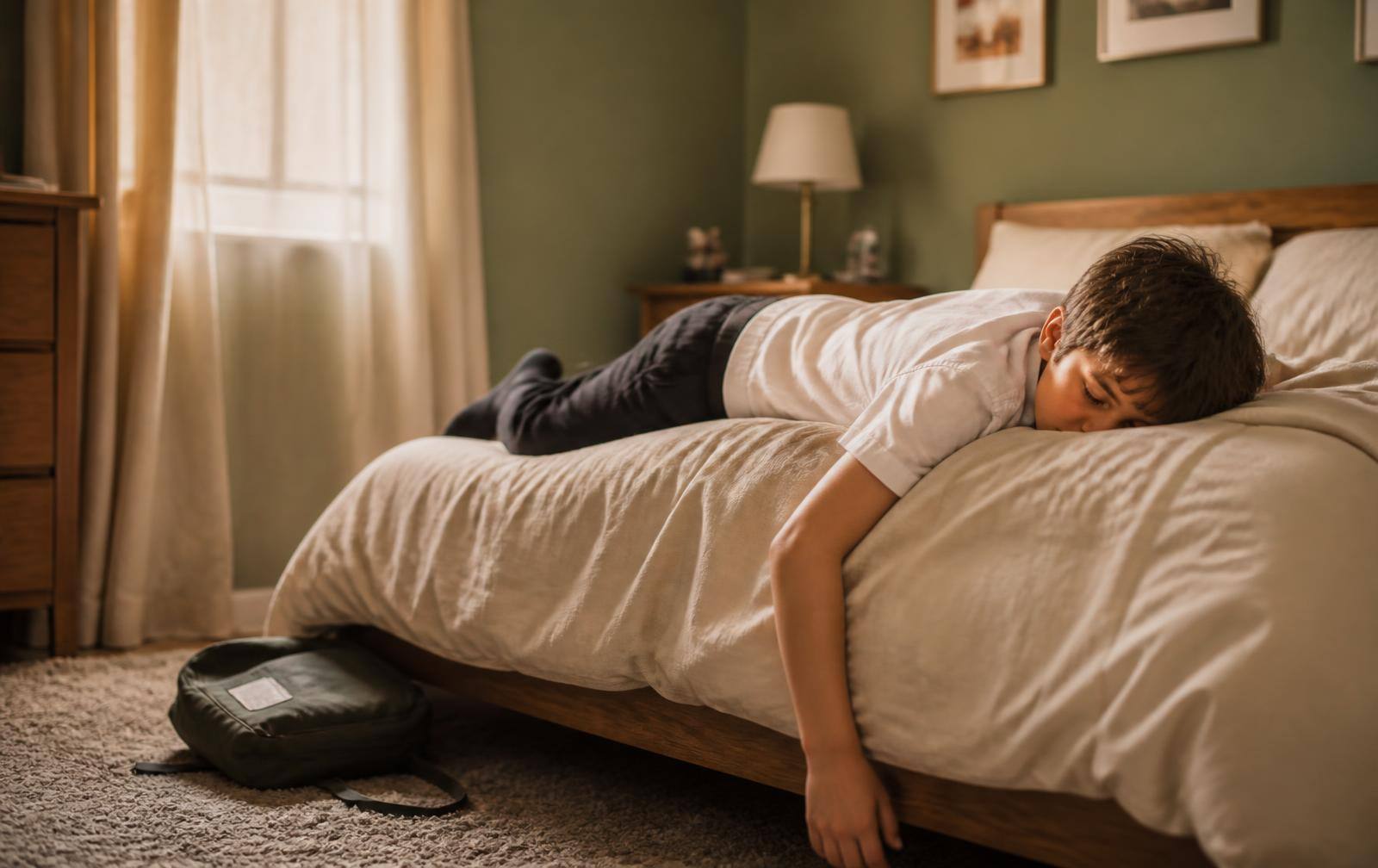
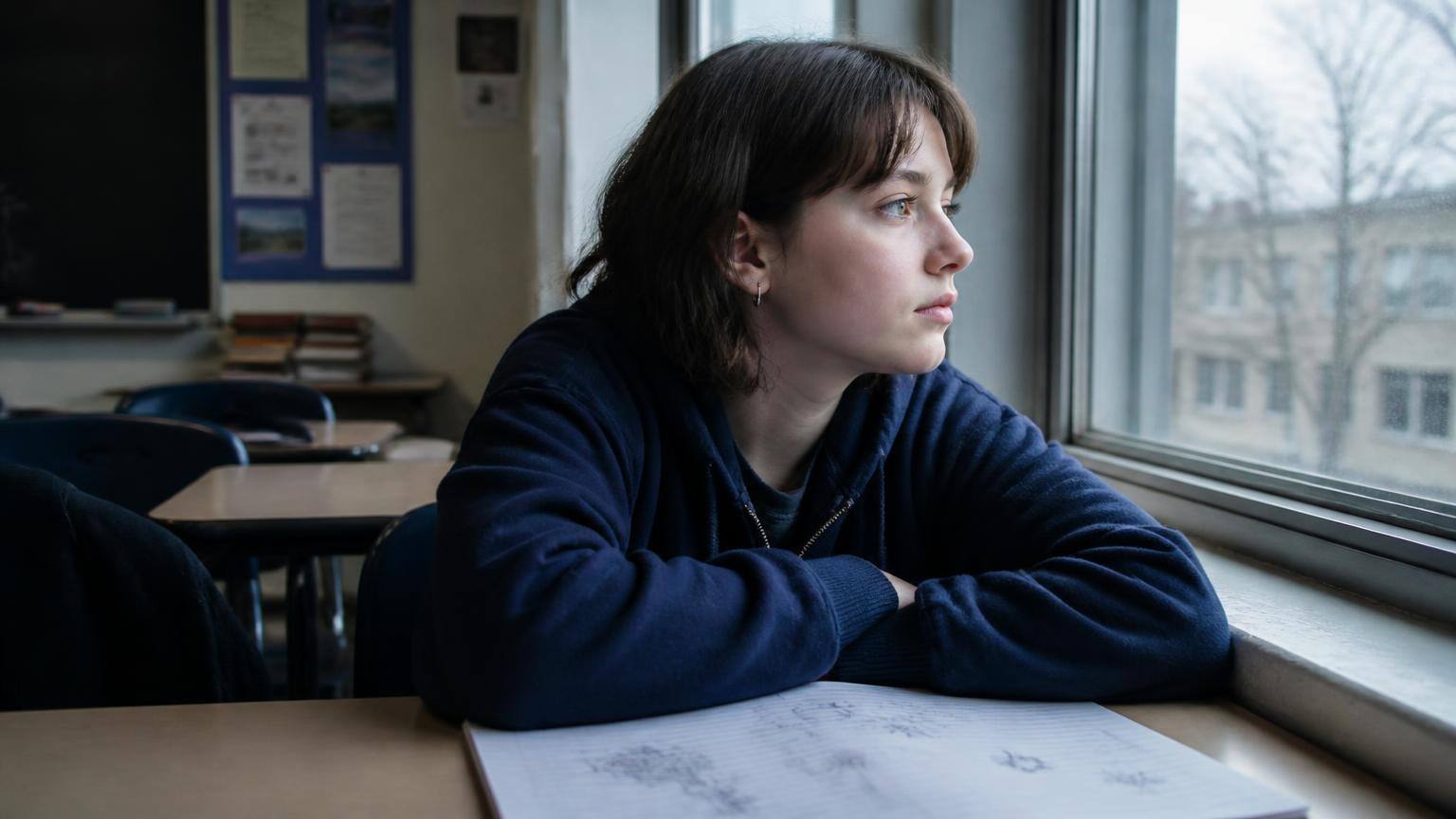
Her reports are excellent. Teachers describe her as a pleasure to have in class. She has one or two friends and she never causes trouble. And every day at ten past four she walks through the front door and comes apart.
For a great many autistic girls, that is the whole story — a day spent in exquisite self-management, followed by a collapse that only the family ever sees, and which the family is then told is a behaviour problem.
What tends to be overlooked
- 01Camouflaging
Scripts, borrowed phrases, rehearsed facial expressions, copying a socially fluent peer. It is effortful, deliberate, and invisible to observers.
- 02Socially acceptable intensity
A boy who memorises train timetables is flagged. A girl who knows everything about horses, or a novel series, or a singer, is called passionate.
- 03Internalised distress
Difficulty shows up as stomach aches, perfectionism, disordered eating or selective mutism rather than as disruption.
- 04Sensory load
Corridor noise, fluorescent light, uniform fabric, the smell of the dining hall — endured all day, and then paid for at home.
Signs worth writing down
- Exhaustion or shutdown that reliably follows social settings.
- Intense need for predictability — routines, seating, plans announced in advance.
- Rich, detailed inner world; strong preference for one or two deep friendships over groups.
- Distress at clothing textures, noise, smells or unexpected touch.
- Literal interpretation, or noticeable delay in processing ambiguous social remarks.
- Rehearsing conversations before and replaying them long after.
“A girl who has learned to be no trouble at all has usually paid for that reputation somewhere, in private, in a currency nobody is counting.”
Sian Trombley
If you recognise your daughter here
Start a written record across settings and weeks — school, home, weekends, holidays — and note the recovery time after each. Take it to your GP and the school SENCo together. Meanwhile, lower demand where you can, protect decompression time after school, and stop asking her to perform sociability she has already spent all day producing.
Autistic girls are not missed because they are subtle. They are missed because they are quietly excellent at copying.
Sian Trombley, Canadian Certified Counsellor
What you can try this week
Map the contrast
Write down how the school day looks and how the first thirty minutes at home look. A wide gap is clinically meaningful information.
Reduce one demand
Remove a single non-essential expectation — an after-school club, a social obligation — and observe what happens to mood over ten days.
Ask about the effort, not the outcome
"How tired does school make you?" tells you far more than "how was school?" ever will.
- Diagnostic criteria were largely built on male presentations; girls are measured against the wrong template.
- Camouflaging masks difficulty at school and produces collapse at home.
- Special interests in girls are often socially acceptable — animals, books, a band — so they go unnoticed.
- Anxiety, eating difficulties and 'perfectionism' are frequent first labels.
- Late identification is associated with worse mental-health outcomes, not milder need.
Am I describing my daughter as sensitive, shy or intense because those words are easier than the real question?
What does she look like when nobody is watching her?
Whose comfort is being protected by not seeking an assessment?
Printable resources
Recommended Thrive courses
This article is educational and is not a substitute for individual clinical advice. Comments are closed so the Journal stays a calm place to read.
Share this
Keep going
You may also like
Courses, worksheets and pathways from the same part of the library.
- JournalThe Girls We Miss: Why Neurodivergent Girls Are OverlookedThe classic picture of neurodivergence is a boy who cannot sit still or a boy who does not speak. The girl who is quietly falling apart in the bathroom is rarely in the frame.Read
- JournalIs My Child Masking at School?The report says settled and well-behaved. At home, the same child cannot bear the sound of a fork.Read
- Learning PathwayNeurodiversityA guided Learning Pathway from Thrive Family Company.Read
- CollectionNeurodiversityEverything Thrive publishes on neurodiversity — articles, courses, worksheets and research.Read
- Thrive Resource GuideNeurodiversityTherapist-reviewed books, apps, websites and tools for neurodiversity.Read
- ResearchThe Research LibraryPeer-reviewed parenting and child mental health research, translated into plain language.Read