The First Time They Drive Away
Handing over independence is a parenting skill in itself — and it does not come naturally to anyone.
Written by Sian Trombley · BEd, MACP, CCC
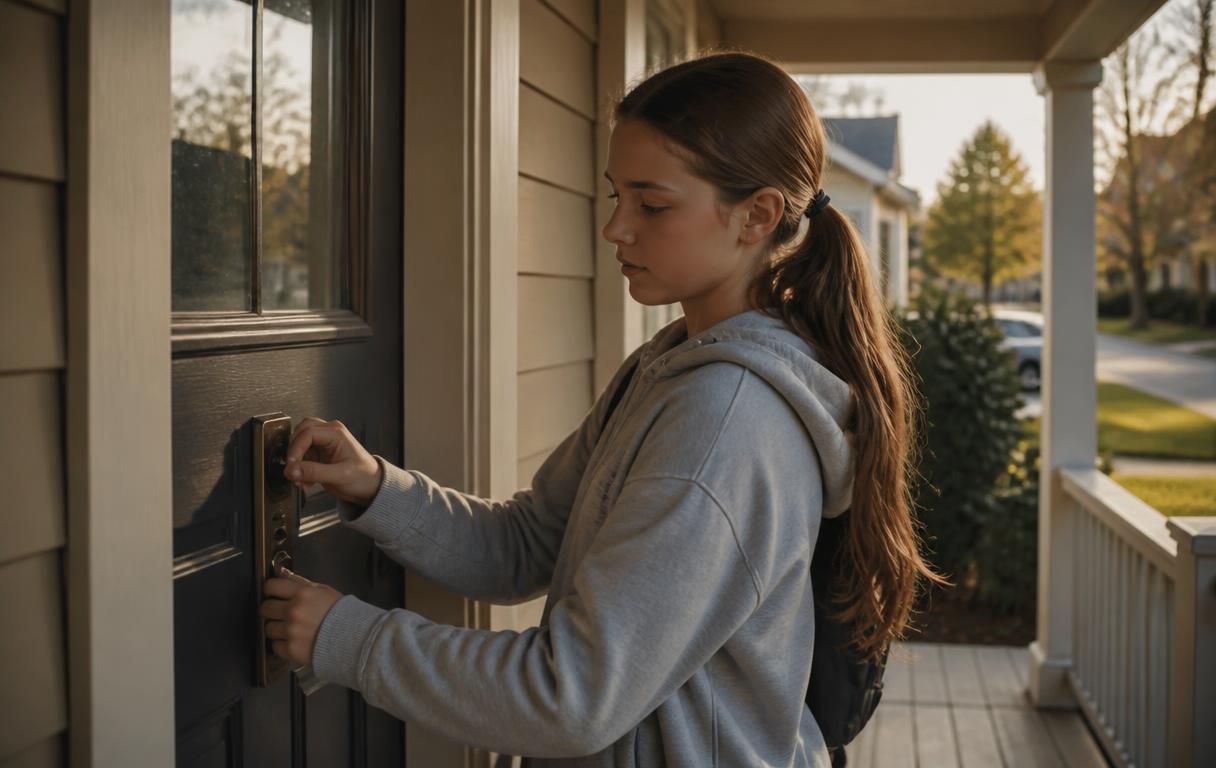
The car reverses off the drive, indicates properly, and disappears round the corner. You stand at the window for slightly longer than you would admit to anyone.
Why this milestone lands so hard
Most parental letting-go happens gradually and invisibly. Driving happens on a specific afternoon, at a specific time, and it is genuinely irreversible: your child is now somewhere you cannot reach, doing something statistically risky.
It is also a symbolic threshold. Independent transport is the end of a structural dependency that has existed since birth, and it is entirely reasonable to feel that as a loss as well as a relief.
Turning worry into conditions
The risk is real and time-limited: the first six to twelve months, with passengers and night driving as the dominant factors. That is unusually actionable information.
So convert the fear into a written, temporary set of conditions — no peer passengers for three months, no motorway alone until spring, phone in the glovebox always — with an agreed review date. Conditions that expire are far easier for a teenager to accept than open-ended restriction.
- 01Write it down together
Ten lines maximum, both signatures, a review date in the diary.
- 02Restrict passengers first
Peers in the car are the largest single risk multiplier for new drivers.
- 03Make phones physically unavailable
Glovebox, boot, whatever. Do-not-disturb settings are not enough.
- 04Set weather and night rules
Ice, fog, heavy rain, and late-night driving get their own conditions in the first months.
- 05State the amnesty lift
Any hour, no interrogation that night. Say it aloud and mean it.
The rule that matters most
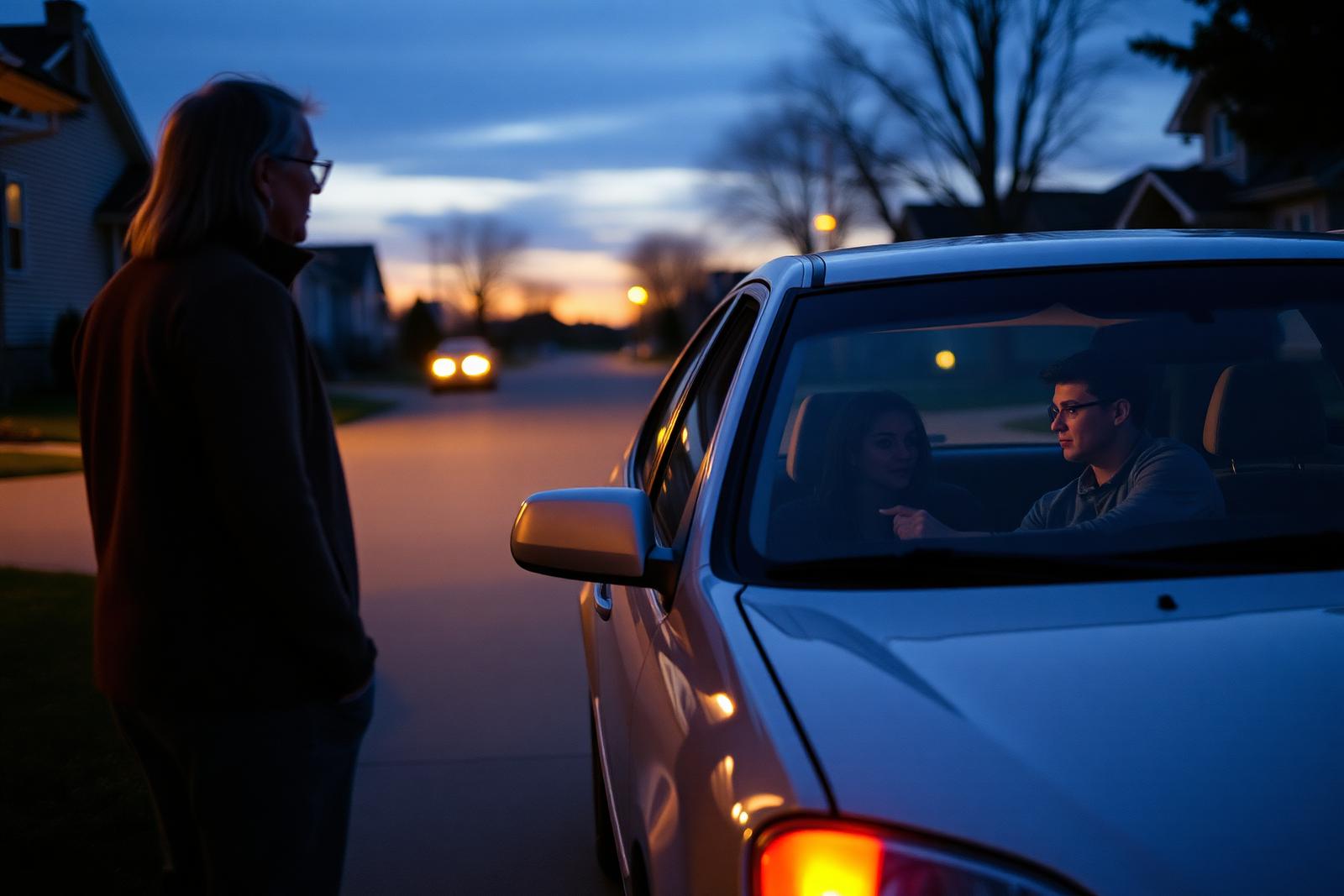
The single most protective thing you can offer is a guaranteed, no-questions-asked lift home from anywhere, at any hour, with the conversation deferred to a different day.
Every teenager who has been driven home by someone they should not have got in with did it because the alternative — ringing you — felt worse. Remove that calculation entirely.
Children do not need a perfect parent. They need a predictable one who returns after hard moments.
Sian Trombley, Canadian Certified Counsellor
What you can try this week
Write a family driving agreement
Passengers, night hours, phone in the glovebox, weather rules. Six months of conditions, reviewed together.
Guarantee the no-blame lift
'Any hour, any place, no questions tonight.' Say it now, honour it exactly once and it becomes real.
Do the anxious talking elsewhere
Process your fear with another adult. The teenager needs your plan, not your dread.
- The first year carries the highest risk, then it falls sharply.
- Peer passengers and night driving are the two biggest factors.
- Agreed conditions work better than expressed worry.
- A no-questions lift home policy saves lives.
- Your anxiety is legitimate — it just needs a plan, not a monologue.
What am I actually afraid of, specifically?
Have we agreed conditions, or just expressed worry?
What would make me confident enough to relax by spring?
Printable resources
Recommended Thrive courses

Share this article
This article is educational and is not a substitute for individual clinical advice. Comments are closed so the Journal stays a calm place to read.
Keep going
You may also like
Courses, worksheets and pathways from the same part of the library.
- ResearchThe Research LibraryPeer-reviewed parenting and child mental health research, translated into plain language.Read
- Thrive GuideThrive GuideAsk a question and get warm, evidence-informed guidance drawn from the Thrive library.Read
- Thrive Care PlanThrive Care PlanA short check-in that turns how your week actually went into one focused plan.Read
- Thrive ToolThrive ToolsPremium printable workbooks and therapeutic tool kits.Read
- CollectionThe Resource LibraryFree printable worksheets, scripts and planners for families.Read
- JournalMovement Is a Mood TreatmentIf a medication produced these effect sizes on low mood in adolescents, every parent would have heard of it by now.Read