When a Child Sees Something Frightening: The First Week Matters Most
An accident on the road, a fight in the street, a parent taken ill. What you do in the days afterwards shapes how it settles.
Reviewed by Sian Trombley, CCCFounder, Thrive Family Company
9 min read
Best for parents of children who are…
- carrying something frightening that happened to them
- worrying often, or asking the same question again and again
- needing help bouncing back after setbacks
- having big feelings that arrive faster than words

Share this
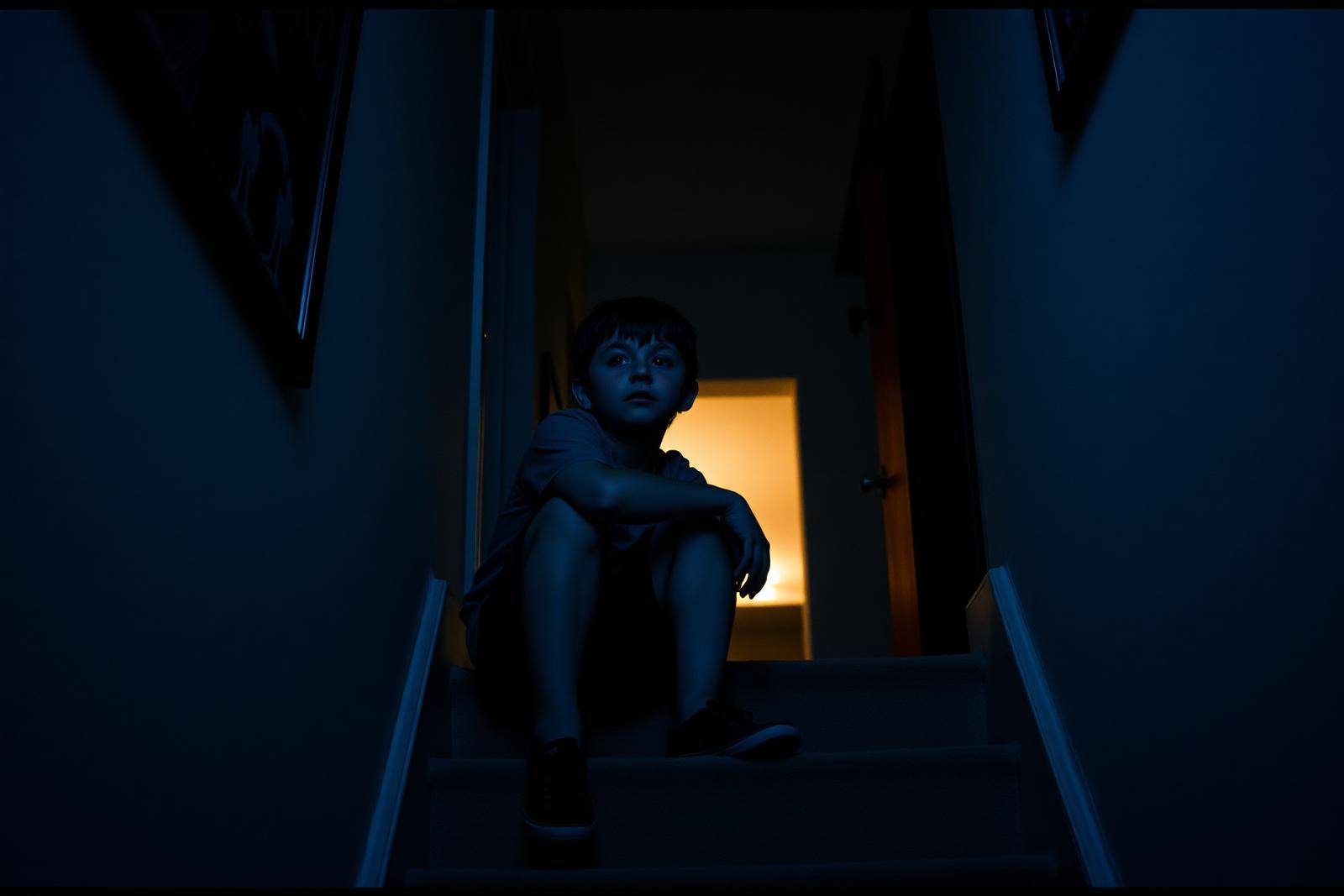
It took about eleven seconds. Your child saw it, you saw them see it, and now it is Tuesday and they are asking for the hall light on again.
What is normal in the first weeks
Expect some combination of the following: replaying the event in conversation or play, sleep disruption, clinginess, a return of younger behaviours, irritability, jumpiness at sudden noise, and reluctance to go near where it happened. Some children go the other way and appear entirely unaffected.
None of these, in the first four weeks, indicate lasting harm. They are the nervous system processing an event it could not make sense of at the time.
What helps in the first week
The evidence points consistently at five things: restoring physical and felt safety, lowering arousal, keeping them connected to familiar people, giving them small pieces of control, and providing a realistic sense that things will be alright.
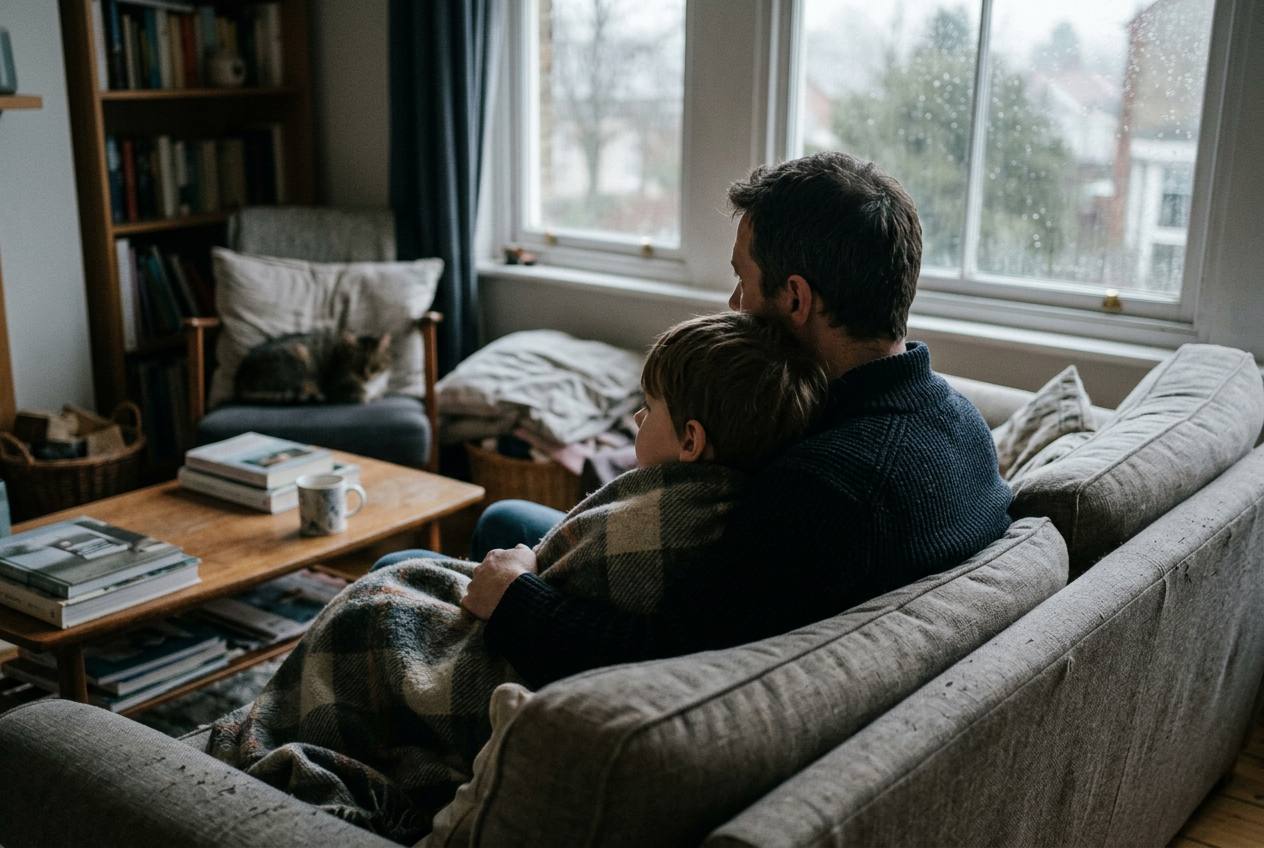
In practice that means routine, warmth, honest information at their level, and adults who are visibly managing. Children calibrate their threat response to yours; a parent who is calm on the outside is doing genuine clinical work, even when churning inside.
- 01Give a simple, accurate account
Age-appropriate facts prevent a child from inventing a worse version. Say what happened, what is being done, and that they are safe now.
- 02Answer the same question repeatedly
Young children check the same fact many times. Answer consistently rather than impatiently.
- 03Keep the routine intact
School, meals, bedtime, sport. Predictability is the fastest route back to a settled system.
- 04Do not force the conversation
Offer openings while doing something else. Pressure to talk increases avoidance.
- 05Manage your own state visibly
'I found that frightening too, and I'm alright.' Naming and containing beats pretending nothing happened.
What to avoid
Avoid making them recount the event in detail to multiple adults, avoid graphic information or news coverage of it, and avoid the well-meant sealing over — 'we don't talk about that' — which teaches a child that the memory is dangerous.
Also avoid promising things you cannot promise. 'Nothing bad will ever happen again' is a sentence children eventually test against reality. 'You are safe, and I will always tell you the truth' holds up better.
When to seek help
Speak to your GP if, after about four to six weeks, your child is still having intrusive images or nightmares, avoiding places or people connected with the event, unusually jumpy or angry, struggling at school, or showing significant change in sleep, appetite or mood.
Seek advice sooner if the event involved harm to them or a close family member, if there is ongoing threat, or if your child expresses hopelessness or thoughts of not wanting to be here. Effective trauma-focused therapies for children exist and work well; waiting a year does not improve outcomes.
Children do not need a perfect parent. They need a predictable one who returns after hard moments.
Sian Trombley, Canadian Certified Counsellor
What you can try this week
Open the door, don't push it
'You can ask me anything about what happened, whenever you want.' Then let them choose the moment.
Restore the boring things
Same bedtime, same school run, same Friday routine. Predictability does more than any conversation.
Correct the story gently
Children fill gaps with worse. Give a simple, accurate account of what happened and what has changed since.
- Most children recover from a single frightening event within about a month.
- Silence teaches avoidance; brief, calm openings teach that it is safe to talk.
- Restore ordinary routine early — predictability is treatment.
- Your own visible regulation is the strongest signal of safety.
- Symptoms persisting past four to six weeks warrant professional advice.
What does my child believe happened — and is any of it wrong?
How am I coping, and what does my face show them?
Is their distress slowly reducing, staying level, or getting worse?
Printable resources
This article is educational and is not a substitute for individual clinical advice. Comments are closed so the Journal stays a calm place to read.
Share this
Keep going
You may also like
Courses, worksheets and pathways from the same part of the library.
- JournalThe Weather Inside: Helping Children Carry Anxiety About the WorldYou cannot promise a child that the world will be fine. You can promise that they will not be carrying it alone.Read
- ResearchThe Research LibraryPeer-reviewed parenting and child mental health research, translated into plain language.Read
- Thrive GuideThrive GuideAsk a question and get warm, evidence-informed guidance drawn from the Thrive library.Read
- Thrive Care PlanThrive Care PlanA short check-in that turns how your week actually went into one focused plan.Read
- Thrive ToolThrive ToolsPremium printable workbooks and therapeutic tool kits.Read
- CollectionThe Resource LibraryFree printable worksheets, scripts and planners for families.Read