
Tool
Mental Health First Aid for Teens
Self-harm, panic, suicidal thoughts and crisis — the resources to have before you need them, chosen for accuracy under pressure.
Member
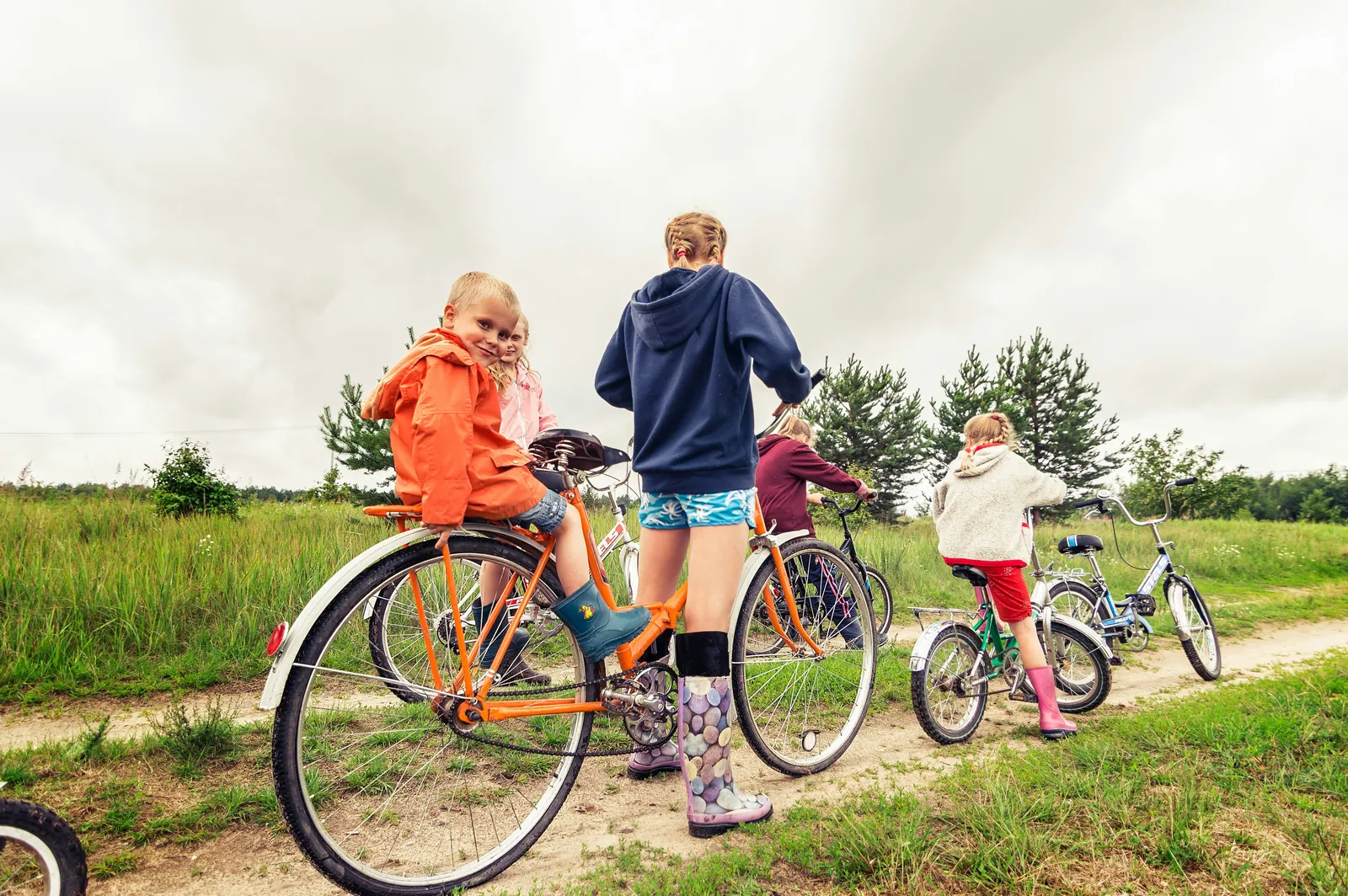
The health of the household — movement, food, rest, connection and the everyday rhythms that hold a whole family well.
Start here“A family’s wellbeing is not built from a plan pinned to the fridge. It is built from rhythm—when we eat, when we move, when we come back together, when the day is allowed to end. Habits hold families on the weeks when motivation does not. Start with one rhythm you can keep on your hardest week, and let the culture grow around it.”
A short film before the work begins — why family wellbeing grows from rhythm rather than plans, and how one keepable habit holds a household together.
Narrated · 1 min 38 sec
One thing to understand, one way to learn it properly, one thing to try this week.
A can at lunch, an iced coffee before practice, a pre-workout scoop before a game — caffeine has become ordinary in teenage life. It can also be quietly wiring an already delayed adolescent body clock for a wakeful, anxious night. Here is how to understand the tired–wired cycle and negotiate change with a teenager who buys their own drinks.
How small, consistent daily habits shape children's emotional wellbeing, confidence, physical health and long-term success — while creating a healthier home environment for the whole family.
Books, tools and rituals that help families build steady rhythms, real rest and connection that outlasts a busy week.

A comprehensive introduction to whole-family wellbeing — sleep, movement, food, connection and rest, built into a rhythm that lasts.
8 modules · $99 · Coming soon
A structured journey through family wellness — built to be taken in order, or started wherever you are today.

How small, consistent daily habits shape children's emotional wellbeing, confidence, physical health and long-term success — while creating a healthier home environment for the whole family.
How predictable routines reduce stress, improve cooperation and strengthen independence — covering mornings, after school, bedtime, transitions and flexible family schedules.

Practical ways to encourage movement, outdoor play, healthy sleep and balanced nutrition without pressure or perfection, focusing on enjoyable family experiences rather than rigid rules.
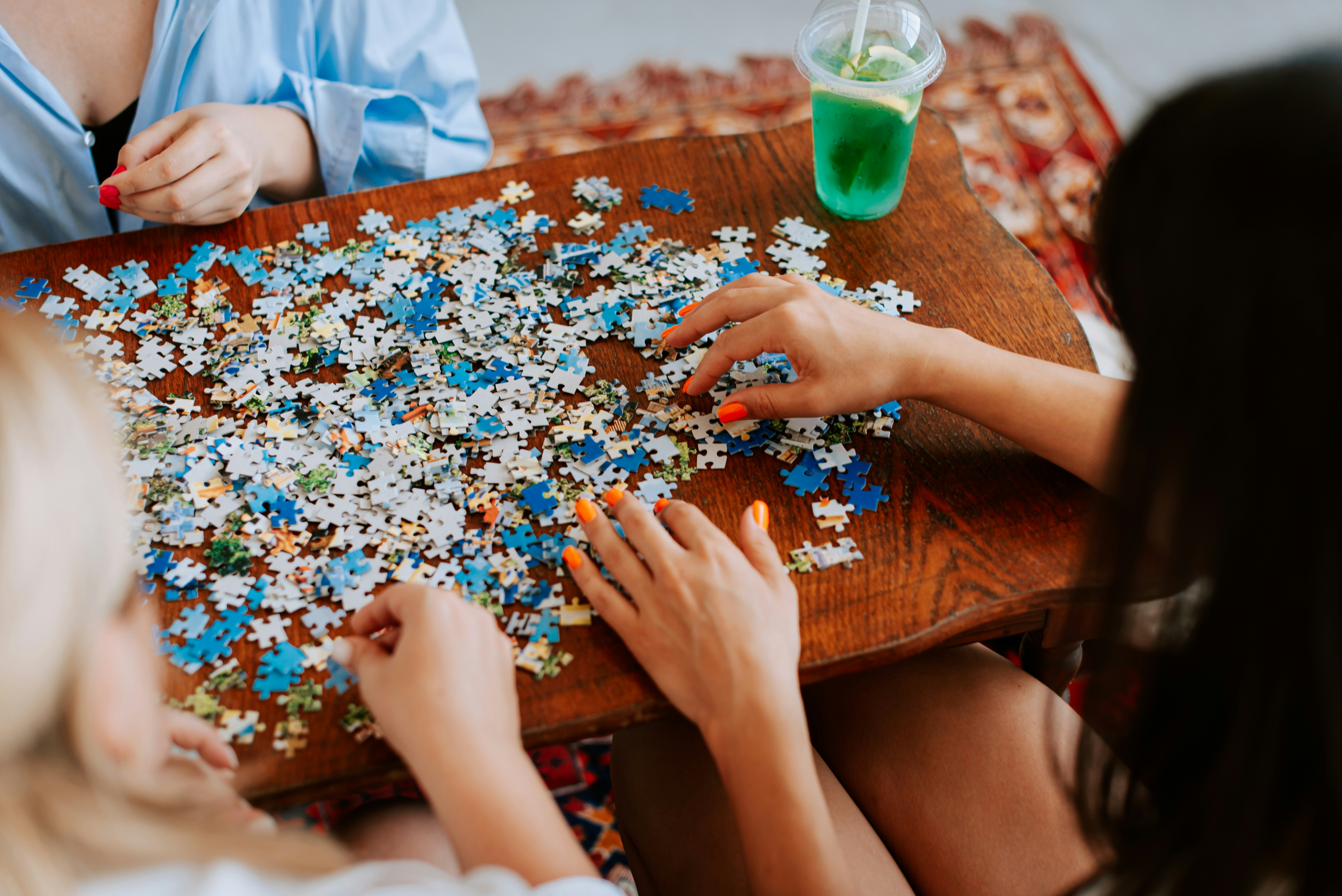
How regular family meetings strengthen communication, improve problem-solving and reduce conflict — with strategies for teamwork, shared responsibility and healthy decision-making.

Build a balanced family relationship with technology through healthy screen habits, offline connection, realistic boundaries and technology routines that support wellbeing rather than conflict.

Bringing it all together: how shared values, traditions, gratitude, kindness, resilience and emotional safety shape the family environment your children will remember.
Six Focused Course Bundle — every focused course in Family Wellness, $199.
Complete Pathway — Foundations plus every course in Family Wellness, $249.
Self-harm, panic, suicidal thoughts and crisis — the resources to have before you need them, chosen for accuracy under pressure.
When one person in a house sleeps badly, the effect rarely stays in their bedroom. A toddler's night wakings become a parent's exhaustion, which becomes shorter tempers at breakfast, which becomes a harder morning for an older sibling who did nothing wrong. Family sleep debt is a system problem, and it needs a system-level answer.
A gentle look at how the household has been doing lately, without turning anyone into a case.
Seven evenings of quiet observation across mood, energy, focus, sleep, hydration and meals — then one change worth keeping.
A can at lunch, an iced coffee before practice, a pre-workout scoop before a game — caffeine has become ordinary in teenage life. It can also be quietly wiring an already delayed adolescent body clock for a wakeful, anxious night. Here is how to understand the tired–wired cycle and negotiate change with a teenager who buys their own drinks.
Books, tools and rituals that help families build steady rhythms, real rest and connection that outlasts a busy week.
Self-harm, panic, suicidal thoughts and crisis — the resources to have before you need them, chosen for accuracy under pressure.
When one person in a house sleeps badly, the effect rarely stays in their bedroom. A toddler's night wakings become a parent's exhaustion, which becomes shorter tempers at breakfast, which becomes a harder morning for an older sibling who did nothing wrong. Family sleep debt is a system problem, and it needs a system-level answer.
A gentle look at how the household has been doing lately, without turning anyone into a case.
Seven evenings of quiet observation across mood, energy, focus, sleep, hydration and meals — then one change worth keeping.
This reflection examines the quiet currents that run through your household once the sun sets. It helps you identify where the friction lies and where you might find moments of genuine connection before sleep.
This reflection invites you to observe the subtle rhythms of how your family shares their inner worlds. It examines the bridge between speaking and being heard, noting where the flow is easeful and where it feels obstructed.
This reflection examines the subtle social currents and sensory demands that shape your family dinner hour. You will observe how the physical environment and your own presence influence the quality of connection during shared meals.
This reflection invites you to consider how your child navigates the sensory and social landscape of preparing and sharing food. It explores the subtle shifts from being a passive consumer to an active, capable participant in your household rhythms.
This reflection examines the silent dialogue between home and school through the contents of your child’s lunchbox. We consider how the rhythms of morning preparation and the sensory realities of the dining hall influence your child’s ability to remain regulated throughout their day.
This reflection examines the physical and emotional architecture of your family meals, from the ambient noise to the flow of conversation. It helps you identify where the friction lies and where your family already finds a natural sense of belonging.
This reflection provides a quiet space to observe the rhythms and tensions that define your household's transition from sleep to activity. You will look closely at the balance between practical demands and the emotional connection your child requires before parting for the day.
This reflection provides a quiet space to consider the invisible pressures your child carries from classroom to home. It helps you identify where their resistance meets your support and where the environment might be asking too much.
This reflection examines the subtle architecture of your child’s evening and how their nervous system settles—or struggles—as the day ends. We will look beyond the simple act of sleeping to understand the transitions and environmental cues that shape their rest.
For adolescents juggling schoolwork, devices, downtime and sleep, where the whole evening quietly disappears and nothing gets finished.
This reflection invites you to notice the subtle architecture of your child’s anxiety and where it tends to settle. You will explore the relationship between their physical environment and the internal rhythms that signal a need for extra support.
Evenings go wrong in a predictable order. Reversing two of the steps solves most of it.
Mornings, homework, transitions, bedtime — the ordinary hours where this work is really done.
This reflection examines the quiet currents that run through your household once the sun sets. It helps you identify where the friction lies and where you might find moments of genuine connection before sleep.
Thrive Guide can help you find the courses, tools and resources that fit what your family is navigating right now.