How to Help Your Child Through a Friendship Breakup
When a best friend pulls away, the pain is real. Here's how to support your child without rushing the grief.
Written by Sian Trombley · BEd, MACP, CCC
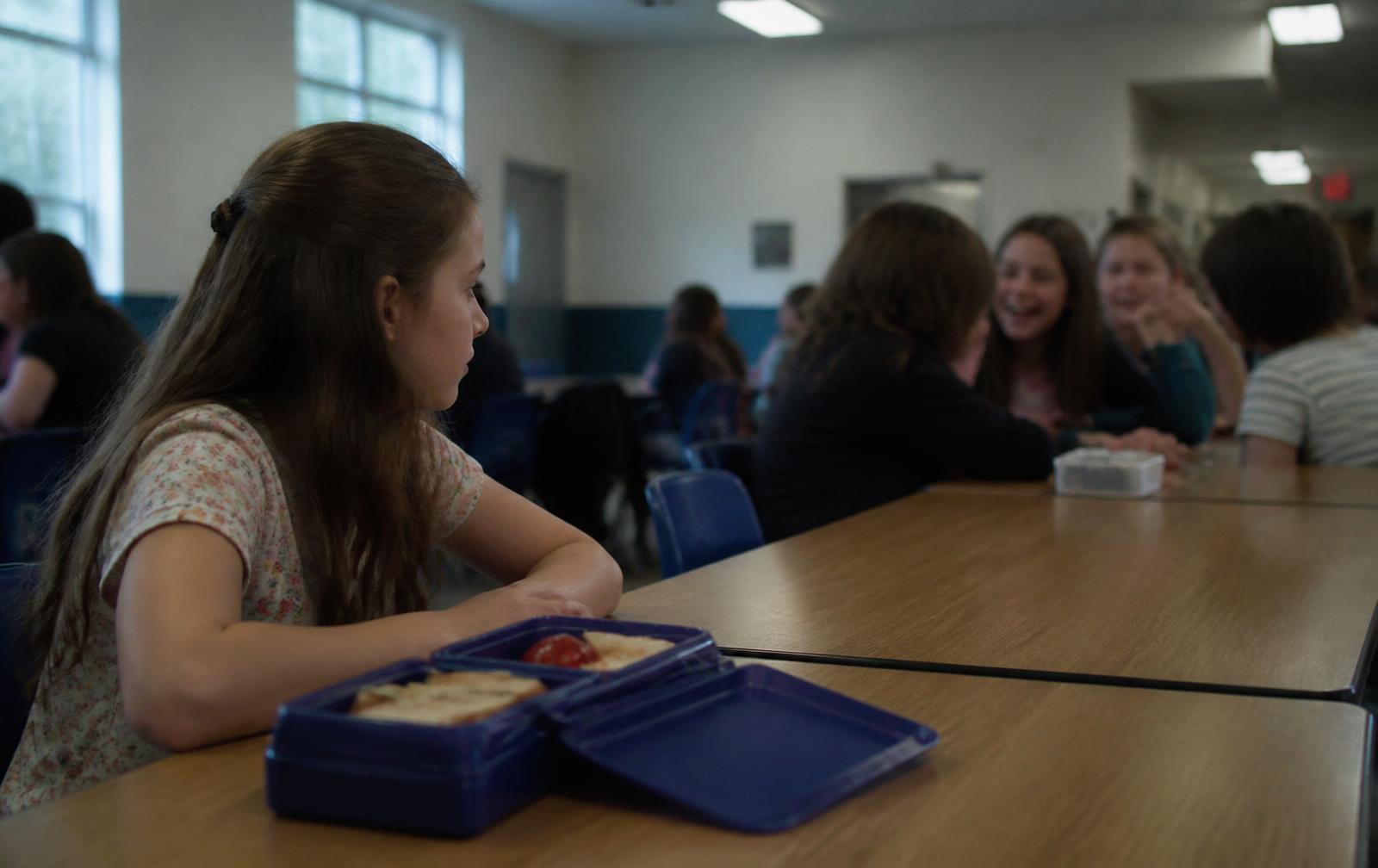
It happens in the cafeteria, in the group chat, or on the walk home from school. One day your child is part of a pair or a group, and the next day they are not. The friendship did not explode. It simply faded, or turned, or was replaced. And your child is walking around with a heartbreak they do not yet have words for.
Adults often underestimate friendship breakups because they lack the formal status of romantic breakups. There are no songs about them, no cultural rituals, no sympathetic cards. But for a child, the loss of a best friend can be every bit as devastating as the end of a first relationship. It is the loss of someone who knew their inside jokes, their lunch preferences, and their unspoken fears.
Why It Hurts So Much
The human brain processes social rejection using some of the same pathways it uses for physical pain. When a child is excluded or abandoned by a friend, their body registers a genuine threat. Heart rate rises, sleep fragments, appetite changes. The pain is not metaphorical. It is biological.
For school-age children, tweens, and teens, friendships are also identity laboratories. They are where children learn who they are in relation to others. When a close friendship ends, it does not just feel like losing a person. It feels like losing a version of themselves.
What Not to Say
Most parents instinctively want to soothe their child, and the soothing often comes in the form of minimizing. 'You'll find another friend,' 'They were never that nice anyway,' and 'Just focus on school' are all attempts to lift the child out of pain. But they land as dismissal. They tell the child that their grief is inconvenient or overblown.
Revenge narratives are equally unhelpful. Encouraging a child to retaliate, spread rumors, or freeze out the other child may feel like solidarity in the moment, but it teaches that relationships are battles to be won rather than connections to be mourned.
What to Say Instead
The most healing thing a parent can offer is presence without pressure. Your child does not need you to solve the friendship. They need you to witness the loss. Simple phrases can carry enormous weight.
- 'This really hurts. I am so sorry you are going through it.'
- 'You don't have to be okay right now. We can just sit with this.'
- 'Losing a friend doesn't mean you are hard to love. It means this friendship changed.'
- 'When you are ready, we can talk about what comes next. There is no rush.'
Helping Your Child Rebuild
After the initial grief has been honored, parents can gently support reconnection. This is not about replacing the old friend. It is about reminding the child that they are still capable of being known. Start small. A familiar club, a kind classmate, a shared interest. Encourage your child to show up as themselves, not as a watered-down version designed to please someone else.
If the breakup involved bullying, exclusion, or a pattern of one-sided friendships, this may also be a moment to teach your child about healthy boundaries. Not every friendship is meant to be salvaged. Some are meant to be learned from.
“The goal is not to get your child back to the person they were before the breakup. It is to help them become someone who knows they can survive a broken heart.”
Sian Trombley, Founder & Clinical Director
When the Pain Lingers
If your child is losing sleep, withdrawing from activities they once enjoyed, or making statements about not wanting to go to school, it may be time to involve a therapist. Friendship loss can sometimes trigger or worsen underlying anxiety and depression. A clinician can help your child process the grief, rebuild social skills, and develop a more resilient sense of self.
Every child will lose a friend at some point. The question is not whether it will happen, but whether they will learn that loss is survivable, grief is honorable, and love is still possible on the other side.
Children do not need a perfect parent. They need a predictable one who returns after hard moments.
Sian Trombley, Canadian Certified Counsellor
What you can try this week
Create a grief ritual
Let your child name what they lost. They might write a letter they never send, burn a list of hurt feelings in the fireplace, or simply tell you the three things they miss most.
Hold back the fix
Instead of suggesting new friends immediately, try: 'I know this hurts. I am here. You don't have to figure it out today.' Presence is more powerful than solutions.
Rebuild through tiny steps
Help your child identify one low-stakes social activity this week: a club, a study session, or even a friendly text to a classmate they have not spoken to in a while.
- Friendship breakups are a real form of grief and should be treated with the same compassion as any other loss.
- Rushing a child to 'make new friends' can invalidate their pain and delay emotional processing.
- Children need to know that the breakup is not evidence that they are unlovable or socially defective.
- Parents can help by listening, naming emotions, and avoiding gossip or revenge narratives.
- Rebuilding social confidence happens slowly through small, low-stakes connections—not dramatic friend replacements.
How did I learn to handle friendship loss as a child, and is that shaping how I respond to my child now?
Do I tend to fix, dismiss, or sit with my child's emotional pain?
What does my child need to hear about their worth that has nothing to do with this friendship?
Printable resources
Recommended Thrive courses

Share this article
This article is educational and is not a substitute for individual clinical advice. Comments are closed so the Journal stays a calm place to read.
Keep going
You may also like
Courses, worksheets and pathways from the same part of the library.
- ResearchThe Research LibraryPeer-reviewed parenting and child mental health research, translated into plain language.Read
- Thrive GuideThrive GuideAsk a question and get warm, evidence-informed guidance drawn from the Thrive library.Read
- Thrive Care PlanThrive Care PlanA short check-in that turns how your week actually went into one focused plan.Read
- Thrive ToolThrive ToolsPremium printable workbooks and therapeutic tool kits.Read
- CollectionThe Resource LibraryFree printable worksheets, scripts and planners for families.Read
- JournalRaised by Algorithms: Children, AI Companions and the New Kind of FriendshipA chatbot cannot be disappointed in you. That is exactly what makes it soothing — and exactly what makes it a poor teacher of friendship.Read