When a Child Hears You Arguing
Conflict itself is not the damaging part. Unresolved conflict, witnessed and never explained, is.
Written by Sian Trombley · BEd, MACP, CCC
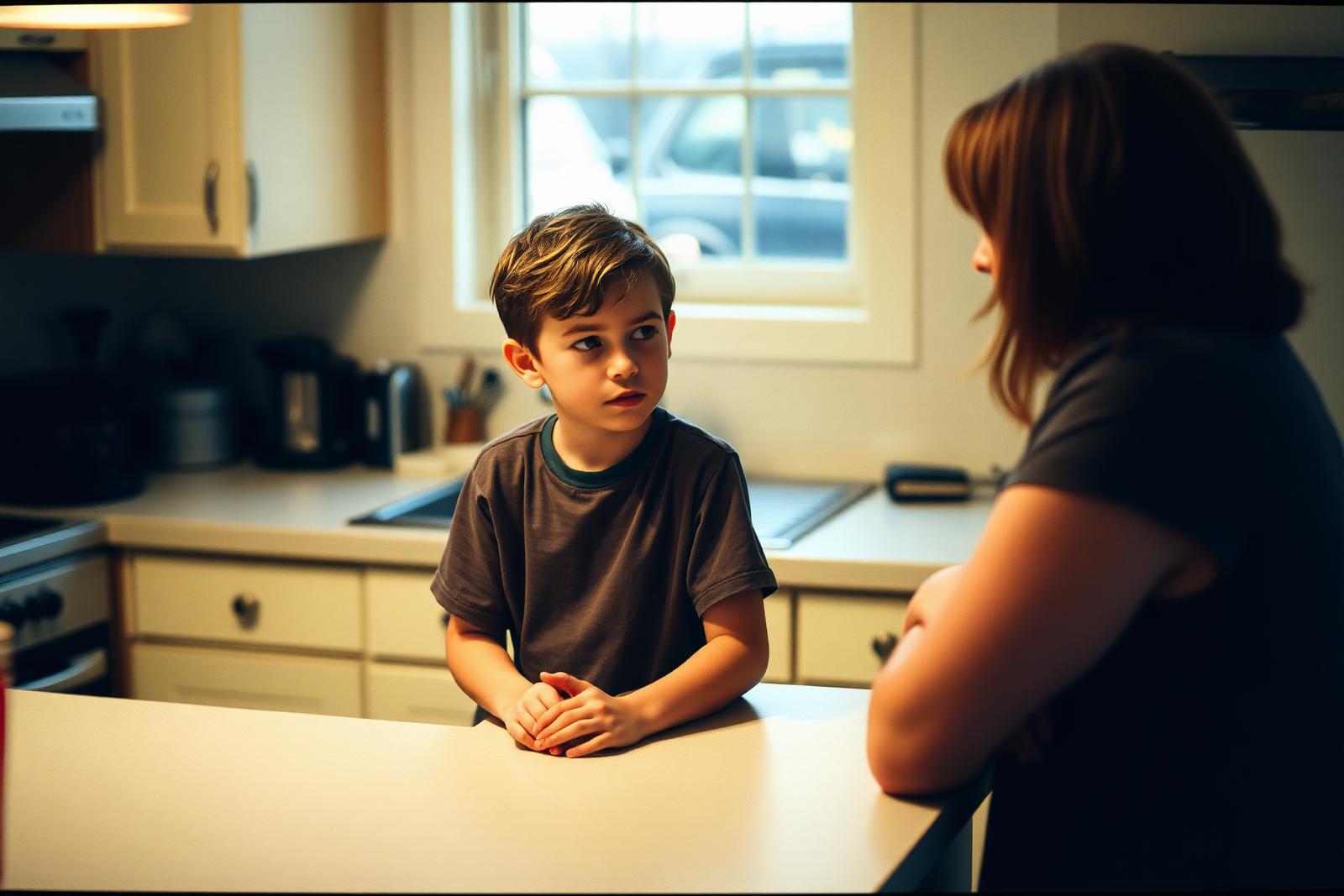
It got loud in the kitchen. You thought they were upstairs with headphones on. They were on the stairs, and they have been very quiet since.
What children actually take from an argument
Children are not primarily frightened by volume. They are frightened by uncertainty — whether the family is safe, whether it was their fault, and whether anything has changed. In the absence of information they will answer those questions themselves, usually badly.
This is why the research consistently finds that resolved conflict is not damaging, and unresolved conflict is. What matters is not whether they heard, but what they saw happen next.
The conflict that does cause harm
Certain features reliably predict difficulty: contempt, personal insult, threats to leave, stonewalling, and arguments about the child. These are worth eliminating regardless of who is listening.
So is the pattern where nothing is ever aired and the house simply goes cold for two days. Children read atmosphere fluently, and unnamed tension is more frightening than a named row.
- 01Check in within the hour
'You heard that. Are you okay?' Do not wait for bedtime.
- 02Take a specific share of it
'I raised my voice, and that wasn't fair.' Not a joint vague apology.
- 03State the two facts they need
It is not their fault, and nothing about the family is changing.
- 04Let them see the repair
A hug, a coffee made, a normal conversation. Children believe what they see.
- 05Move the serious conversations
Anything about money, separation or the child moves to a closed door or a walk.
How to repair it properly
Do it soon, do it briefly and do it in front of them. Name that it happened, take your share, state clearly that it is resolved and that they are not implicated.
Then let them ask questions, including uncomfortable ones. A child who can ask 'are you getting divorced?' and receive a straight answer sleeps considerably better than one who is told everything is fine.
Children do not need a perfect parent. They need a predictable one who returns after hard moments.
Sian Trombley, Canadian Certified Counsellor
What you can try this week
Repair where they can see it
'We disagreed, we were both loud, we've sorted it.' Twelve words, said in the room.
Answer the unspoken question
'None of this is about you, and nothing is changing.' Children assume both until told otherwise.
Move the big ones
Financial, relational and separation conversations happen out of earshot. Some subjects are not for repair afterwards.
- Arguing in front of children is not automatically harmful.
- Hostility, contempt and stonewalling are what cause harm.
- Children who witness the row need to witness the repair.
- Never make the child the subject or the referee.
- Chronic unresolved conflict is a stronger risk factor than separation.
What did my child hear, and what will they have concluded?
Do we ever let them see us make up?
Is this a one-off row or a climate?
Printable resources
Recommended Thrive courses

Share this article
This article is educational and is not a substitute for individual clinical advice. Comments are closed so the Journal stays a calm place to read.
Keep going
You may also like
Courses, worksheets and pathways from the same part of the library.
- JournalWhen Parents Disagree: The Argument Children Actually HearYou do not need to agree on everything. You need to stop contradicting each other in front of the person you are both trying to raise.Read
- JournalHow to Repair After You Lose Your TemperChildren are not damaged by parents who get it wrong. They are shaped by whether anyone comes back.Read
- CollectionFamily RelationshipsEverything Thrive publishes on family relationships — articles, courses, worksheets and research.Read
- Learning PathwayFamily RelationshipsA guided Learning Pathway from Thrive Family Company.Read
- ResearchThe Research LibraryPeer-reviewed parenting and child mental health research, translated into plain language.Read
- Thrive GuideThrive GuideAsk a question and get warm, evidence-informed guidance drawn from the Thrive library.Read