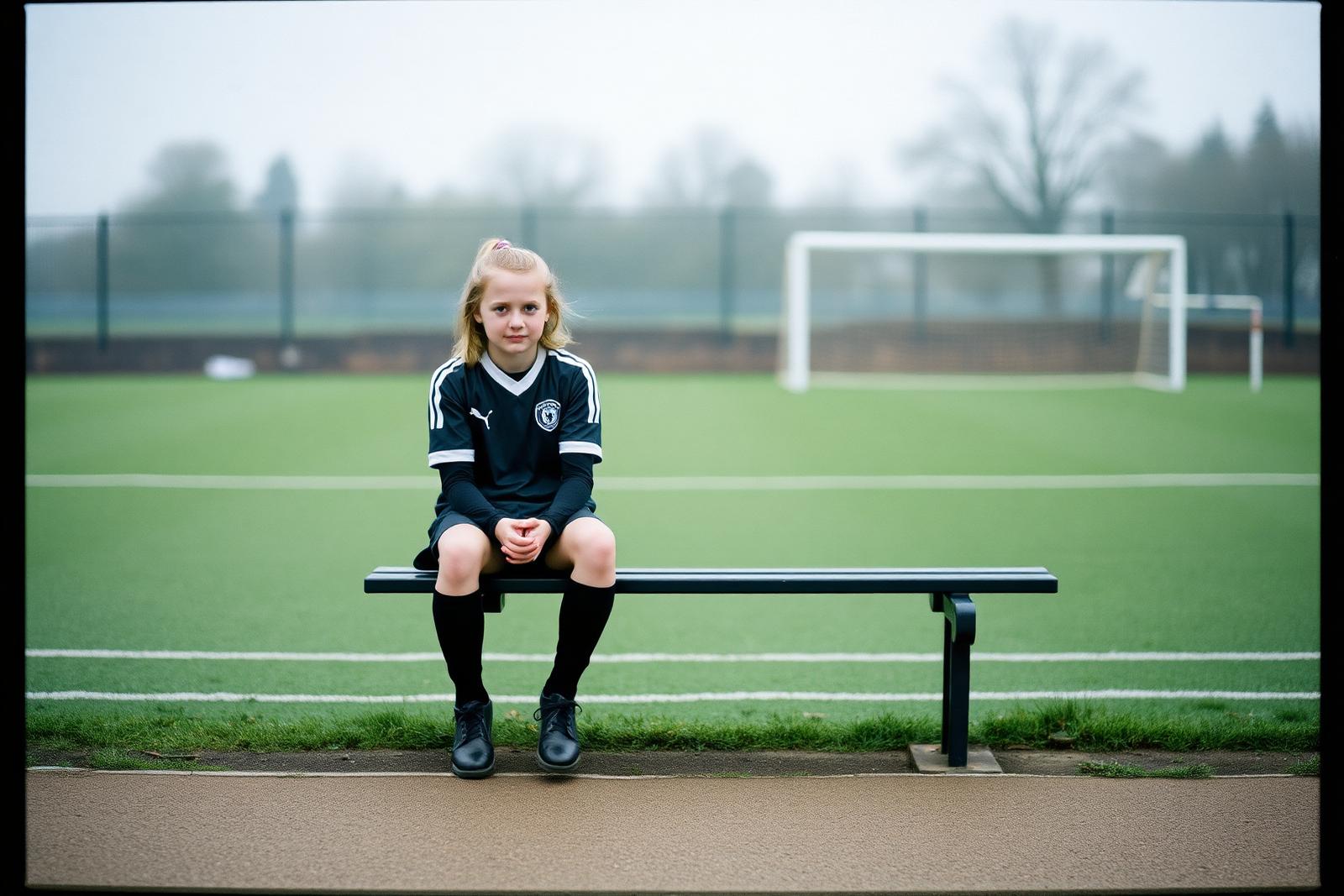
Movement Is a Mood Treatment
One of the best-evidenced interventions for children's mental health costs nothing and requires no appointment.
Written by Sian Trombley · BEd, MACP, CCC
If a medication delivered these effect sizes on adolescent low mood, with no side effects and no cost, it would be discussed at every parents' evening in the country. Instead it gets filed under 'get some fresh air' and quietly ignored.
What movement does
Physical activity acts on several systems at once: it regulates the stress response, improves sleep quality, provides a legitimate discharge for agitation, and — critically — interrupts the withdrawal cycle that keeps low mood in place. In children it also improves executive function, which affects everything from homework to impulse control.
How much, honestly
Official guidance suggests an hour of moderate activity daily, which is a useful target and a demoralising starting point for a child who currently does none. Clinically, the meaningful step is from zero to something. Twelve minutes outside, most days, is a genuine intervention.
Making it survivable
- 01Remove the performance
No counting, no photographs, no comparisons. Anything measured becomes something to fail at.
- 02Attach it to an errand
The post box, the corner shop, the dog. Purpose beats exercise for reluctant children.
- 03Add another person
A parent, a friend, a sibling. Company roughly doubles the likelihood of it happening again.
- 04Prefer outdoors
Daylight supports circadian rhythm and sleep, which is doing a second job while you walk.
- 05Keep it short and repeatable
Three short walks beat one heroic Sunday hike nobody repeats.
For neurodivergent children
Movement is often more essential, not less, for ADHD and sensory-seeking children — but team sports with complex social demands can cost more than they return. Swimming, climbing, cycling, trampolining, martial arts and walking all deliver the benefit with far less social load.
Children do not need a perfect parent. They need a predictable one who returns after hard moments.
Sian Trombley, Canadian Certified Counsellor
What you can try this week
Twelve minutes, most days
Outside, no target, no tracking. The threshold for benefit is far lower than most families assume.
Attach it to something else
Walk to the shop, walk the dog, walk to the bus stop one stop further. Habits survive when they are attached to existing errands.
Go with them
Shoulder-to-shoulder movement is also where children tend to talk. You are buying two things at once.
- Movement produces measurable reductions in low mood and anxiety symptoms.
- Intensity matters less than regularity and company.
- Behaviour changes before mood does — do not wait to feel like it.
- Competitive sport is one route, not the route.
- Outdoors and with someone else are the two multipliers.
How many days this week did my child go outside for any length of time?
Have I made movement about fitness rather than about feeling better?
What would the lowest-effort version look like?
Printable resources
Recommended Thrive courses

Share this article
This article is educational and is not a substitute for individual clinical advice. Comments are closed so the Journal stays a calm place to read.
Keep going
You may also like
Courses, worksheets and pathways from the same part of the library.
- ResearchThe Research LibraryPeer-reviewed parenting and child mental health research, translated into plain language.Read
- Thrive GuideThrive GuideAsk a question and get warm, evidence-informed guidance drawn from the Thrive library.Read
- Thrive Care PlanThrive Care PlanA short check-in that turns how your week actually went into one focused plan.Read
- Thrive ToolThrive ToolsPremium printable workbooks and therapeutic tool kits.Read
- CollectionThe Resource LibraryFree printable worksheets, scripts and planners for families.Read
- JournalDoes My Child Actually Need Therapy?Most parents ask me this two years later than they needed to, and a few ask it two years too early. Here is how to tell the difference.Read