The Child Who Seems Fine
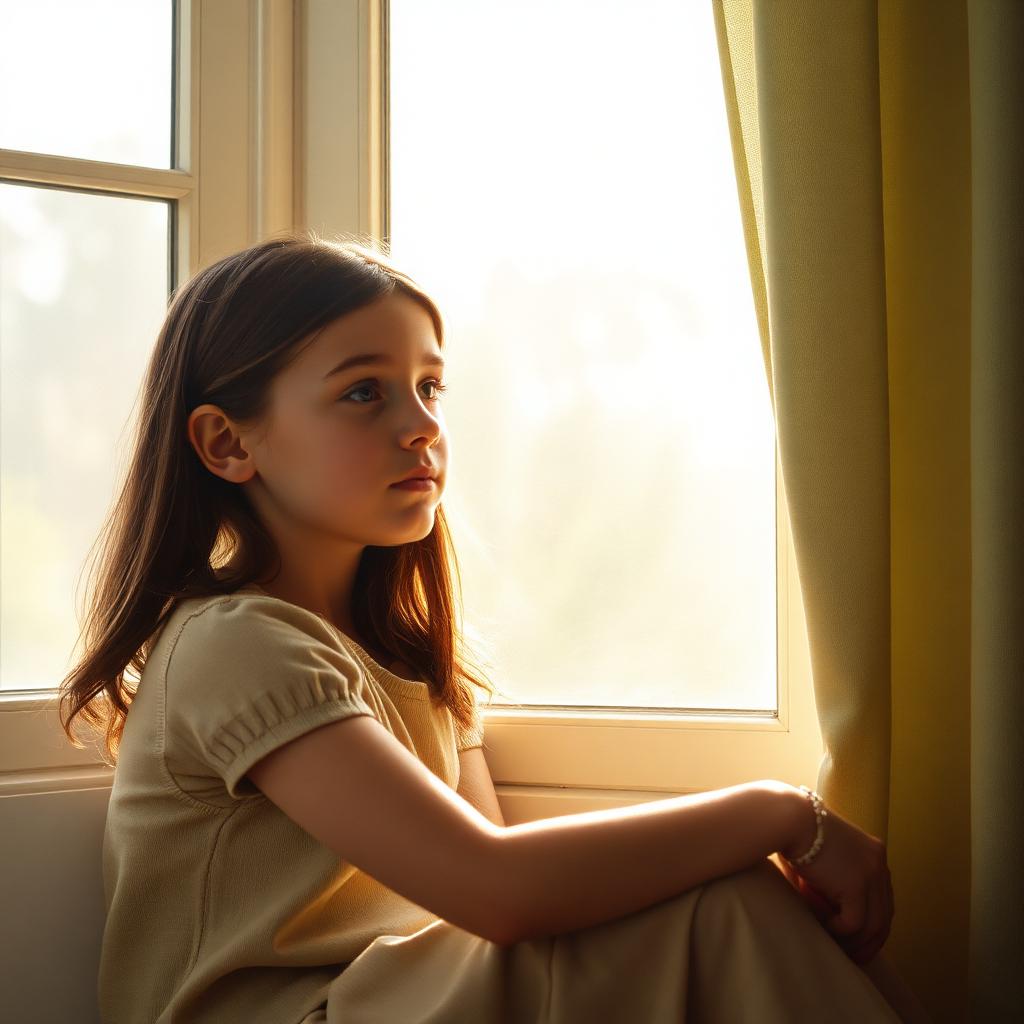
After something frightening, some children fall apart. Others become impeccable. The second group worries me more.
Written by Sian Trombley · BEd, MACP, CCC
Everybody kept saying how well she was coping. Straight back to school, homework in on time, helping with her younger brother. That was the part that concerned me.
Two shapes of response
After a frightening event — an accident, a serious illness, a violent incident, a sudden loss, a parent's crisis — some children externalise. They rage, they cling, they regress, they cannot sleep. It is distressing to witness, and it is a response that gets noticed and supported.
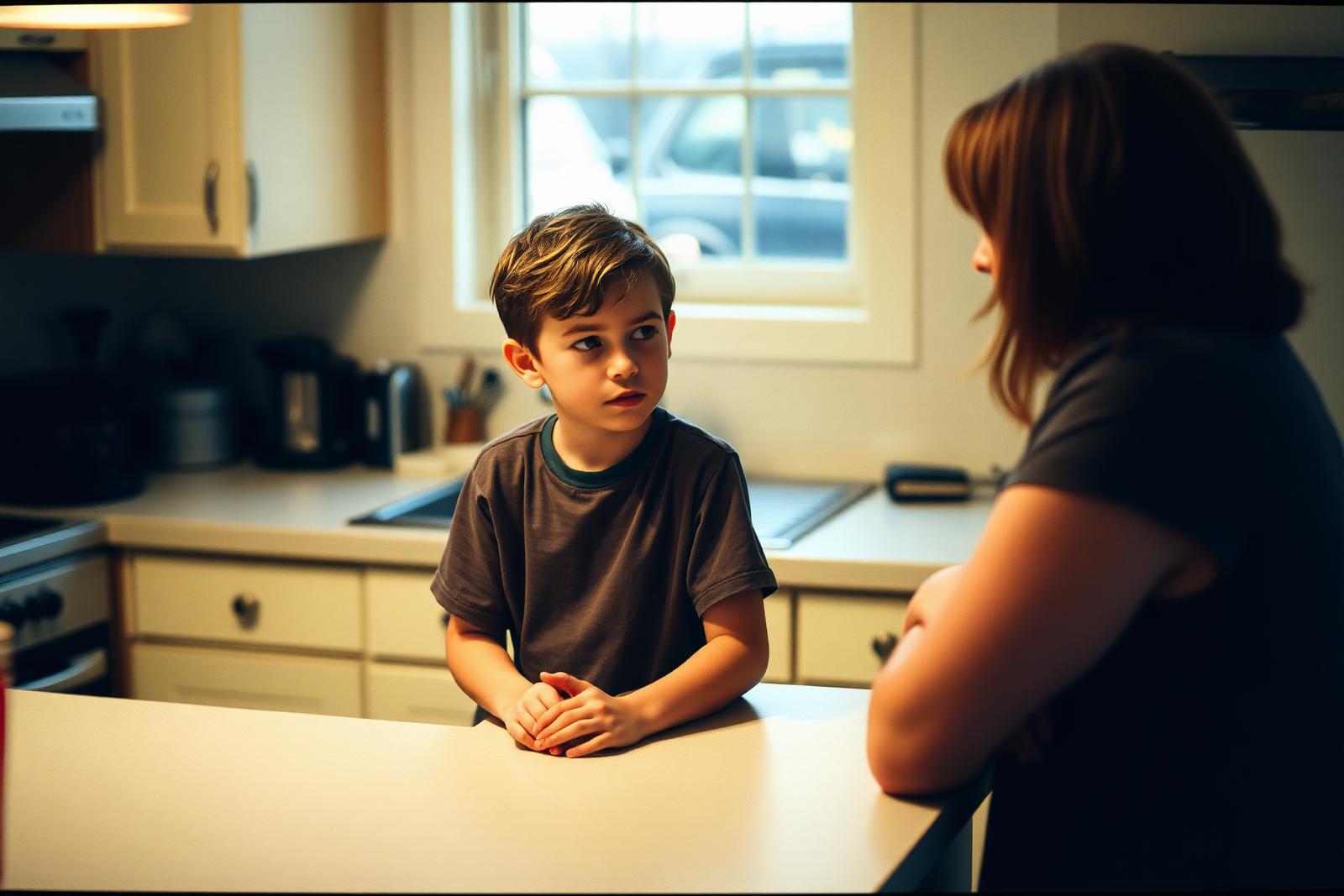
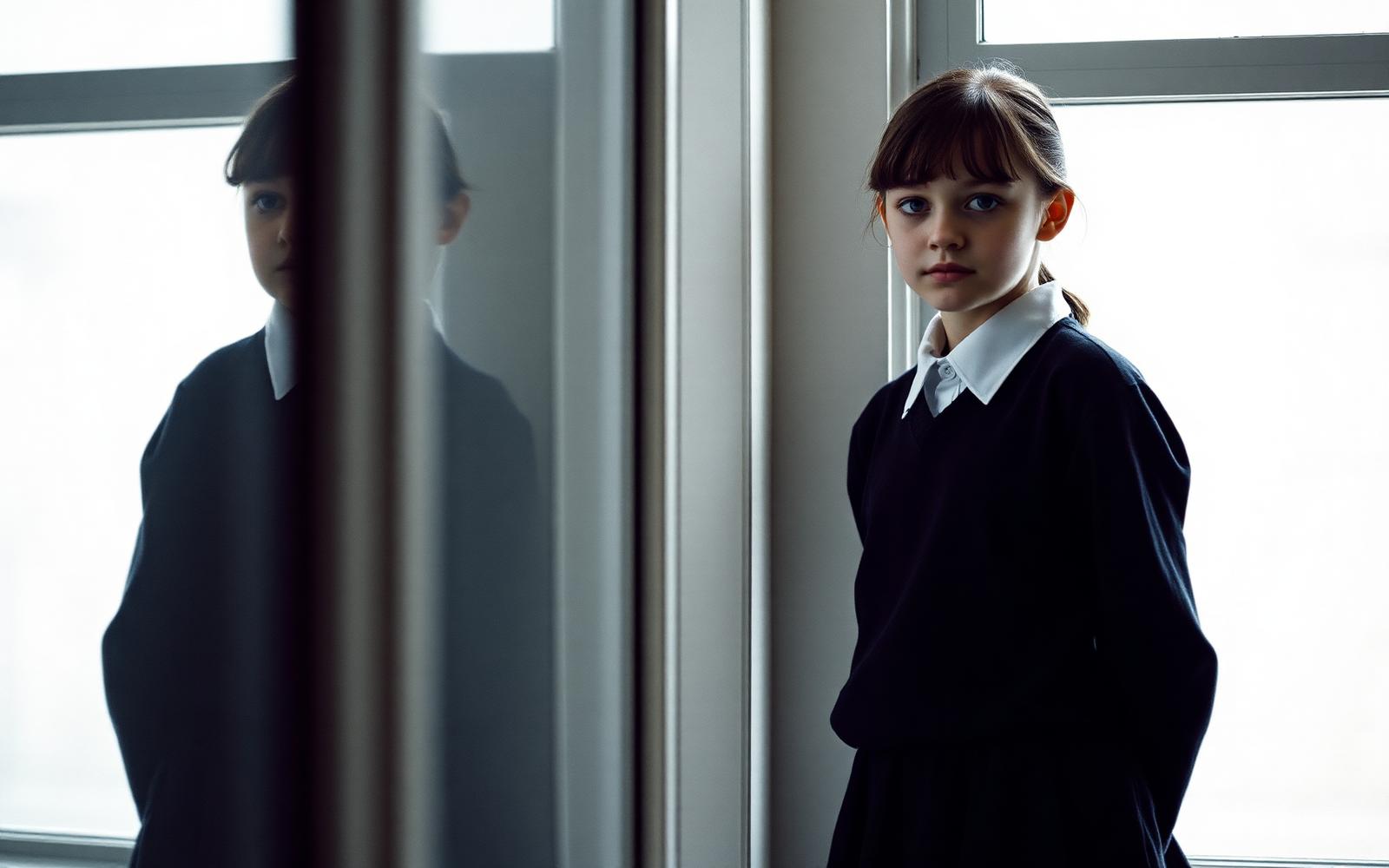
Other children go the other way. They become quieter, tidier, more helpful and more competent. They ask for nothing. Adults describe them as remarkably resilient. Some genuinely are. Others have made a rapid, unconscious calculation: this household cannot hold my reaction, so I will hold it myself.
What to look for in the quiet child
- Physical complaints with no medical cause: stomach aches, headaches, nausea before school.
- Sleep change — difficulty falling asleep, night waking, needing a light or a parent again.
- A new need for control: rigid routines, distress at small changes, perfectionism about work.
- Hypervigilance: startling easily, scanning rooms, checking on parents repeatedly.
- Avoidance of anything associated with the event, including conversations, routes or places.
- Sudden competence and caretaking — parenting the parents, managing siblings, asking for nothing.
- Concentration difficulties at school that were not there before.
- Flatness: not sadness, but a reduced range in a child who used to have a wide one.
What helps
- 01Keep the door open without pushing
Say once that it can be talked about, then demonstrate you can hear it without becoming distressed yourself.
- 02Restore routine quickly
Predictability is regulating. Ordinary days are a form of treatment after an extraordinary one.
- 03Answer questions honestly and simply
Children fill gaps with worse material than the truth. Age-appropriate accuracy beats protective vagueness.
- 04Do not reward the coping too hard
'You've been so good, so grown up' can quietly close the door on any other feeling.
- 05Give them something to do
Agency reduces helplessness — a small role, a choice, a way to contribute.
The parent's part
The most consistent protective factor across the childhood trauma literature is not a technique. It is a caregiver who is available and reasonably steady. That means your own support matters clinically — not as self-care advice, but because your regulation is the environment your child recovers in.
Children do not need a perfect parent. They need a predictable one who returns after hard moments.
Sian Trombley, Canadian Certified Counsellor
What you can try this week
Name it once, briefly
'That was frightening. You can talk about it whenever you want, or not at all.' Then let it sit. Availability matters more than conversation.
Watch the body
Stomach aches, headaches, appetite change and night waking are often the first language of a child who is not talking.
Protect the ordinary
Routine is a treatment after frightening events. Same meals, same bedtimes, same school run, wherever possible.
- Distress after a frightening event is often delayed by weeks or months.
- Over-functioning and impeccable behaviour can be a trauma response.
- Somatic complaints and sleep change are common early signals.
- Avoiding the subject to protect a child tends to increase their fear.
- Caregiver steadiness is the strongest protective factor available.
Has my child been praised for coping in a way that might have closed a door?
What have I avoided mentioning in order to protect them — or myself?
What is different about them now compared with a year ago?
Printable resources
Recommended Thrive courses

Share this article
This article is educational and is not a substitute for individual clinical advice. Comments are closed so the Journal stays a calm place to read.
Keep going
You may also like
Courses, worksheets and pathways from the same part of the library.
- ResearchThe Research LibraryPeer-reviewed parenting and child mental health research, translated into plain language.Read
- Thrive GuideThrive GuideAsk a question and get warm, evidence-informed guidance drawn from the Thrive library.Read
- Thrive Care PlanThrive Care PlanA short check-in that turns how your week actually went into one focused plan.Read
- Thrive ToolThrive ToolsPremium printable workbooks and therapeutic tool kits.Read
- CollectionThe Resource LibraryFree printable worksheets, scripts and planners for families.Read
- JournalBorrowing Calm: How Children Regulate Through UsBefore a child can calm themselves, they have to borrow calm from someone else — hundreds of times. This is how that transaction actually works, and what to do when your own reserves are empty.Read