Resetting Sleep Before School Starts
A calm, circadian-science-based plan for moving late summer nights and slow mornings earlier, while protecting connection and avoiding bedtime becoming a nightly contest.
Written by Sian Trombley · BEd, MACP, CCC
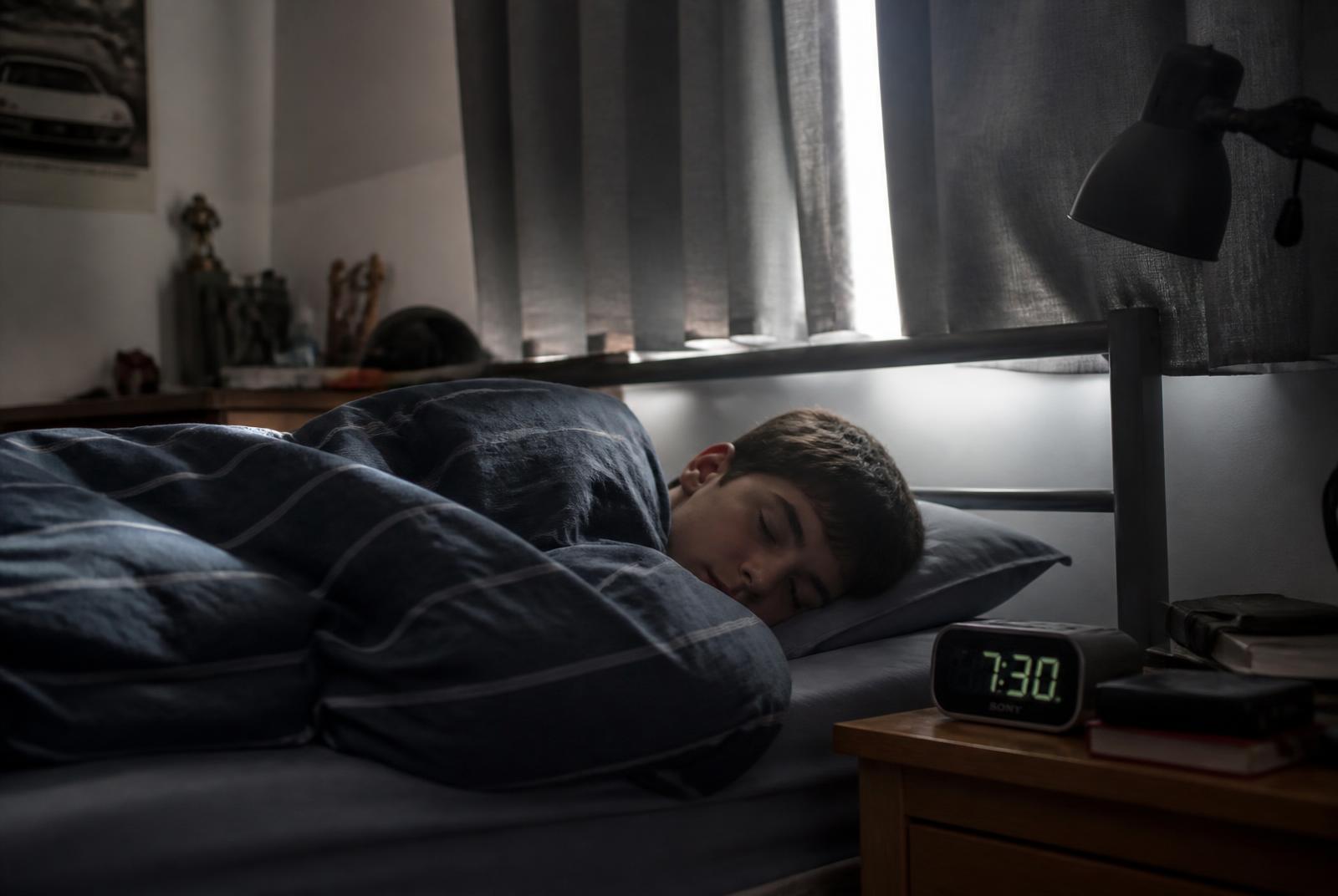
It is 10:47 p.m. Your 12-year-old is making toast, your 16-year-old says they are “not even slightly tired,” and the first school morning is circled on the calendar. You can already picture the alarm, the darkened bedroom and the argument about getting up. The tempting response is to announce that everyone will be in bed at 9 p.m. from now on. Yet a body clock that has drifted later through sleeping in, late meals and evening light does not reset because a parent names an earlier bedtime. This is better understood as a timing problem, not a motivation or respect problem. Sleep cannot be commanded. You can, however, arrange the conditions that allow sleepiness to arrive earlier: a stable wake time, bright morning light, daytime activity, regular meals and a quieter, dimmer evening. With two weeks, most families can make meaningful progress without a nightly contest. The plan is gradual, but it is not vague. You will anchor the morning, move the schedule in small increments and keep the boundary even when your child is unimpressed.
Why summer sleep moves later
Two linked systems regulate sleep. Sleep pressure builds the longer your child is awake and eases during sleep. The circadian system is an internal roughly 24-hour clock that helps organise alertness and sleepiness according to time of day. Light is its strongest environmental cue. Late morning sleep and bright evening light can push the schedule later; morning light can help move it earlier. This is why simply placing a fully alert child in bed two hours early often produces frustration rather than sleep.
Summer quietly removes many time cues. There may be no bus to catch, breakfast shifts towards noon, outdoor activity happens later, and gaming or socialising continues after dark. Sleeping in then reduces sleep pressure at the desired bedtime. Nothing has necessarily gone wrong. Your child’s body has adapted to the schedule it repeatedly received. The reset works by delivering a new pattern clearly and consistently enough for the body to adapt again.
Puberty adds another layer. Teenagers commonly experience a biological shift towards later sleep and waking, even when they genuinely want to function well at school. That later tendency collides with early school schedules. Treating a sleepy teenager as lazy misses the physiology; allowing an unrestricted 2 p.m. wake time misses the practical reality. A respectful plan holds both truths: your teenager is not choosing their circadian development, and they still need help preparing for required mornings.
Sleep needs vary, but the recommended ranges provide a sound planning point. Children aged 6–12 generally need 9–12 hours per 24 hours; teenagers aged 13–18 need 8–10. Count backwards from the non-negotiable school wake time, including how long your child usually takes to fall asleep. A bedtime that permits only seven hours is not made adequate by a smooth routine. The schedule must create enough actual opportunity for sleep.
Build the two-week reset around mornings
Begin by observing two or three ordinary days without commentary. Note when your child falls asleep, wakes naturally, naps, has caffeine, goes outdoors and puts devices away. Then identify the school wake time and calculate the size of the shift. If your 10-year-old currently wakes at 9:30 a.m. and will need to wake at 7:00, moving 20–30 minutes earlier every one or two days is more workable than demanding the final schedule tomorrow.
- 01Days 14–12: set the first anchor
Choose a wake time 20–30 minutes earlier than the current pattern. Wake your child at that time for two or three mornings, including the weekend. Open curtains promptly and aim for outdoor light within the first hour. Keep bedtime only slightly earlier, guided by signs of sleepiness rather than by an ambitious target.
- 02Days 11–9: move the whole day
Advance waking, breakfast, dressing and morning activity by another 20–30 minutes. Move lunch and dinner earlier too. Avoid long or late naps; if an exhausted older child truly needs one, keep it brief and earlier in the afternoon. Schedule exercise during the day, not as an intense activity immediately before bed.
- 03Days 8–6: shape the evening
Advance the schedule again and establish a 30–60-minute wind-down. Dim unnecessary lights, finish emotionally charged conversations earlier and move devices to their overnight charging place. The routine might be shower, snack, teeth, reading and lights out. Keep it short enough to repeat when family life is busy.
- 04Days 5–3: practise school timing
Reach the required wake time and hold it steady. Rehearse breakfast, clothing and leaving the house. If your child lies awake at the planned bedtime, allow a quiet, low-light activity outside bed until drowsy rather than hours of frustrated wakefulness under the covers. Return to bed when sleepiness appears.
- 05Days 2–1: protect, do not perfect
Keep mornings stable and evenings ordinary. Avoid a celebratory late night, but do not create pressure by repeatedly warning that your child must sleep. Prepare clothes, bags and lunches so anxiety has fewer practical hooks. On the final evening, follow the familiar routine and let the accumulated pattern do the work.
Morning light should be genuinely bright. Outdoor daylight is usually more powerful than ordinary indoor lighting, even on an overcast morning. Invite your child to eat breakfast near a window, walk the dog or accompany you for a short walk. Do not ask them to stare towards the sun. If natural morning light is limited or you are considering a therapeutic light box, seek medical guidance, particularly where there are eye conditions, migraines, bipolar disorder or light-sensitive medication.
Expect the first few mornings to feel unpleasant. Your child may be slow, irritable or convinced the plan is pointless. Keep your language neutral: “Your body is still on the later time. I know this feels rough, and I’m going to help you get into the light.” Avoid lectures about attitude before breakfast. Warmth does not require you to turn off the alarm; it allows you to hold the plan without making tired behaviour a moral issue.
If one night goes badly, maintain a sensible version of the morning anchor rather than cancelling the reset. You might allow an extra 30 minutes after an unusually poor night, but avoid sleeping until noon. The aim is not rigid compliance at any cost. It is a recognisable pattern across many days. Circadian systems respond to repetition, so one birthday, stormy night or anxious evening does not erase the work already done.
Reduce battles without removing boundaries
A sleep plan is more likely to hold when your child has meaningful choices inside it. You decide that school preparation requires a gradually earlier wake time. Your child might choose whether morning light comes from walking, eating on the balcony or sitting by the brightest window. They may choose the order of showering and reading, or which non-screen activity stays in the wind-down. Agency is not the same as deciding whether the family will prepare at all.
Discuss the plan during daylight, not at 11 p.m. when everyone is depleted. Show your child the calendar and explain the biology briefly: “Your body clock has shifted later because summer mornings shifted later. We’re going to move it back in small steps.” Ask what they predict will be hardest. A teenager may identify group chats; a younger child may worry about lying awake. Solving those specific obstacles is more useful than repeating “You need your sleep.”
Devices matter because they can combine light, stimulation, social reward and loss of time awareness. Yet confiscating a phone without acknowledging a teenager’s social world can turn sleep into a power struggle. Make the limit predictable and household-based where possible: devices charge outside bedrooms at an agreed time, notifications are silenced, and necessary alarm functions are replaced by a simple clock. If homework requires a screen, distinguish purposeful use from open-ended scrolling and finish it in a shared space.
Keep consequences related and calm. If a child secretly uses a tablet overnight, the next step might be that the tablet charges in your room, not a shaming speech or cancellation of an unrelated weekend event. If they come out repeatedly, guide them back with minimal conversation and revisit the routine the next day. The goal is to make night boring, safe and predictable while preserving enough trust for your child to tell you when worry, loneliness or physical discomfort is the real barrier.
Handle naps, caffeine, weekends and worry
Naps can relieve immediate exhaustion but reduce the sleep pressure needed at night. Most school-aged children who no longer routinely nap should avoid restarting during the reset. For a teenager who is struggling to function, a short nap earlier in the afternoon is less disruptive than a long sleep near dinner. If your child repeatedly cannot stay awake without lengthy naps, do not simply tighten discipline. Consider whether they are getting enough sleep or whether a health issue needs assessment.
Caffeine can linger well beyond the moment it feels useful. Coffee, energy drinks, some soft drinks, tea and chocolate all count. A practical family rule is to avoid caffeine from early afternoon onward, with stronger limits for children who are sensitive or already struggling to sleep. Energy drinks are not appropriate sleep-reset tools. Ask without accusation what your teenager consumes; hidden afternoon caffeine is common when young people are trying to compensate for chronic tiredness.
During the reset, keep weekend waking within roughly an hour of the school target. This may be the least popular part of the plan, but a large Saturday lie-in can shift Sunday night later and recreate Monday-morning jet lag. After the routine is established, some additional weekend sleep may be reasonable. If your child needs several extra hours every weekend, their weekday schedule is probably not offering enough sleep, regardless of how efficiently mornings run.
Sometimes the barrier is not timing but worry. The approach of school may bring fears about peers, workload, bullying, changing classrooms or separation from home. Give those concerns a daytime appointment: “Let’s talk after lunch and write down what we can do.” At night, keep reassurance brief and repeatable: “You do not have to solve school tonight. Your job is to rest; we will return to this tomorrow.” Persistent anxiety deserves support rather than being treated solely as poor sleep habits.
Know when the plan needs more support
A gradual reset should produce some movement, even if mornings remain unpopular. Seek advice from your family physician or nurse practitioner if your child cannot shift after several consistent weeks, regularly takes a very long time to fall asleep, wakes frequently, or has sleep difficulties lasting months. Keep a two-week sleep diary showing bedtimes, estimated sleep, waking, naps, caffeine and daytime functioning. This gives a clinician more useful information than a single description of “bad sleep.”
Prompt assessment is also important for loud habitual snoring, gasping, pauses in breathing, unusual nighttime movements, significant pain, frequent nightmares after trauma, or an irresistible need to move the legs. Marked daytime sleepiness, falling asleep in class, declining concentration or major mood changes should not be dismissed as typical adolescence. Never allow a dangerously sleepy teenager to drive. Acute safety concerns, suicidal thoughts or behaviour require urgent local crisis or emergency support.
Be cautious with supplements. Melatonin can affect circadian timing, but the appropriate timing and dose depend on the problem being treated, and product contents may be inconsistent. It should not become the automatic answer to a schedule shaped by late waking and evening stimulation. Speak with a physician or qualified paediatric sleep professional before using it, especially for ongoing use, complex health conditions or other medications. Keep all sleep products secured away from children.
The first school morning may still include a misplaced shoe, a sharp reply and someone eating breakfast in the car. That does not mean the reset failed. You are not trying to manufacture a perfectly cheerful household at 7 a.m.; you are helping a developing nervous system recognise when day begins and when night approaches. Hold the rhythm steadily, repair any tense moments, and let consistency do what force cannot.
You cannot argue a body clock into changing. You can only give it light, rhythm and about ten days.
Sian Trombley, Canadian Certified Counsellor
What you can try this week
Choose one anchor morning
Write down the required school-day wake time, then set tomorrow’s wake time only 15–30 minutes earlier than your child currently rises. Open the curtains immediately, offer breakfast and get outside within an hour if possible. Repeat that time for two mornings before moving it earlier again. Consistency matters more than making a large change.
Create a visible landing strip
Choose one place outside the bedroom where phones, tablets and gaming controllers will charge overnight. Agree on a device landing time that begins 30–60 minutes before intended sleep. Let your child choose the alarm clock, evening playlist or book that replaces the phone. Adults should follow the shared rule where practical, which makes the limit feel less punitive.
Rehearse one school morning
Three or four days before school, practise the whole sequence: wake, light, wash, dress, breakfast and leave the house for a short walk or errand. Notice where time disappears and adjust without criticism. A rehearsal exposes practical obstacles, such as a slow shower or missing lunch supplies, while also giving the body another well-timed morning cue.
- Begin shifting the schedule about two weeks before the first school morning.
- Move wake time first and use bright morning light to help advance the body clock.
- Adjust timing in small steps rather than imposing a dramatically earlier bedtime.
- Keep weekends close to the school schedule while allowing limited, planned flexibility.
- Persistent sleep problems, severe daytime impairment or safety concerns warrant professional assessment.
Which part of the current schedule is biological drift, and which part is a household pattern you can change?
What small choices could give your child agency without making school-night sleep optional?
How can you respond to morning irritability without either shaming your child or abandoning the plan?
Printable resources
Recommended Thrive courses

Share this article
This article is educational and is not a substitute for individual clinical advice. Comments are closed so the Journal stays a calm place to read.
Keep going
You may also like
Courses, worksheets and pathways from the same part of the library.
- Thrive Care PlanThrive Care PlanA short check-in that turns how your week actually went into one focused plan.Read
- Learning PathwayRaising TeensA guided Learning Pathway from Thrive Family Company.Read
- Learning PathwayMental Health First Aid for TeensA guided Learning Pathway from Thrive Family Company.Read
- CollectionRaising TeensEverything Thrive publishes on raising teens — articles, courses, worksheets and research.Read
- ResearchThe Research LibraryPeer-reviewed parenting and child mental health research, translated into plain language.Read
- JournalThe Teenager Who Sleeps All WeekendIt is two in the afternoon and the curtains are still shut. Before you knock, it is worth knowing what you are looking at.Read