Sugar and Behaviour: What the Research Actually Says
The most confidently repeated claim in parenting — and one of the least supported. Here is the honest version.
Written by Sian Trombley · BEd, MACP, CCC
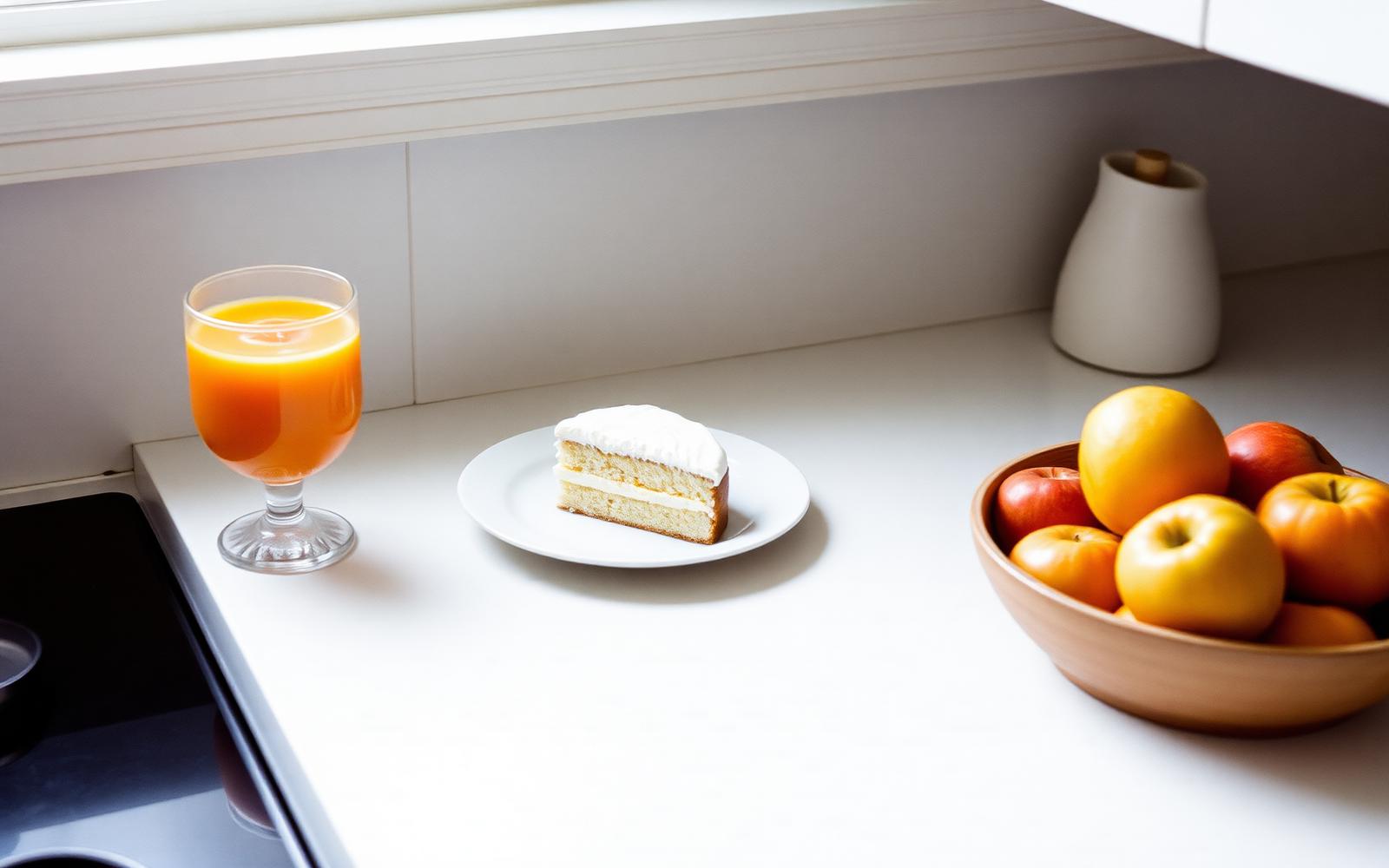
Every parent has watched it happen. Cake goes in, chaos comes out, and the conclusion writes itself. It is one of the most confidently held beliefs in family life — and one of the least supported by the evidence.
What the studies found
Researchers have tested this repeatedly since the 1980s, using double-blind designs where neither the child nor the adult knows whether the drink contained sugar or a sweetener. A meta-analysis of these trials found no significant effect of sugar on behaviour or cognitive performance in children — including in children whose parents described them as sugar-sensitive.
So why do parties look like proof?
- Crowds, noise and echoing halls, which raise arousal in every child.
- Unstructured time with no clear rules or roles.
- Anticipation and excitement that has been building for a week.
- Late nights, missed meals and skipped rest.
- Twenty other over-excited children, each amplifying the rest.
Cake is present at all of these events. So are balloons, and nobody blames the balloons.
What does affect behaviour around food
- 01Meal gaps
Long stretches without eating reliably affect mood and concentration in children. This is the effect people are usually noticing.
- 02Sleep debt
Under-slept children look hyperactive rather than sleepy, and sugar-heavy days often coincide with late nights.
- 03Caffeine
Energy drinks and some soft drinks contain meaningful doses and do have documented effects on sleep and agitation in young people.
- 04Additives, for a minority
Some certain colourings have been linked to increased hyperactivity in a subset of children. The effect is real but small and not universal.
The more useful question
Next time a difficult afternoon follows a sweet treat, ask what else was true. How long since they properly ate? How much sleep last night? How loud, how crowded, how unstructured? The answer is nearly always in that list.
Children do not need a perfect parent. They need a predictable one who returns after hard moments.
Sian Trombley, Canadian Certified Counsellor
What you can try this week
Test your own expectancy
Note the behaviour before you know what they ate. Most parents find the pattern is less consistent than they assumed.
Close the meal gaps
Rather than restricting sweet things, make sure no gap exceeds three to four hours. That is the variable with real evidence behind it.
Stop using sugar as a moral category
Foods framed as forbidden become more desirable and more emotionally loaded. Neutral language keeps eating simple.
- Double-blind studies do not find a sugar-hyperactivity effect.
- Parental expectation measurably changes how the same behaviour is rated.
- Party chaos is caused by the party, not the cake.
- Long gaps between meals do affect mood and concentration.
- Sugar still matters for teeth, sleep and overall diet — just not for hyperactivity.
What else was true on the days I blamed sugar — sleep, noise, crowds, hunger?
How do I talk about sweet food in front of my child?
Am I policing something that is not the actual cause?
Printable resources
Recommended Thrive courses

Share this article
This article is educational and is not a substitute for individual clinical advice. Comments are closed so the Journal stays a calm place to read.
Keep going
You may also like
Courses, worksheets and pathways from the same part of the library.
- ResearchThe Research LibraryPeer-reviewed parenting and child mental health research, translated into plain language.Read
- Thrive GuideThrive GuideAsk a question and get warm, evidence-informed guidance drawn from the Thrive library.Read
- Thrive Care PlanThrive Care PlanA short check-in that turns how your week actually went into one focused plan.Read
- Thrive ToolThrive ToolsPremium printable workbooks and therapeutic tool kits.Read
- CollectionThe Resource LibraryFree printable worksheets, scripts and planners for families.Read
- JournalThe Table Is Not a Battlefield: Fussy Eating, Without the WarYou decide what is served, when and where. They decide whether and how much. Everything good starts there.Read