The Sheets Nobody Mentions
Bedwetting is one of the most common childhood experiences and one of the least discussed. Almost none of it is behavioural.
Written by Sian Trombley · BEd, MACP, CCC
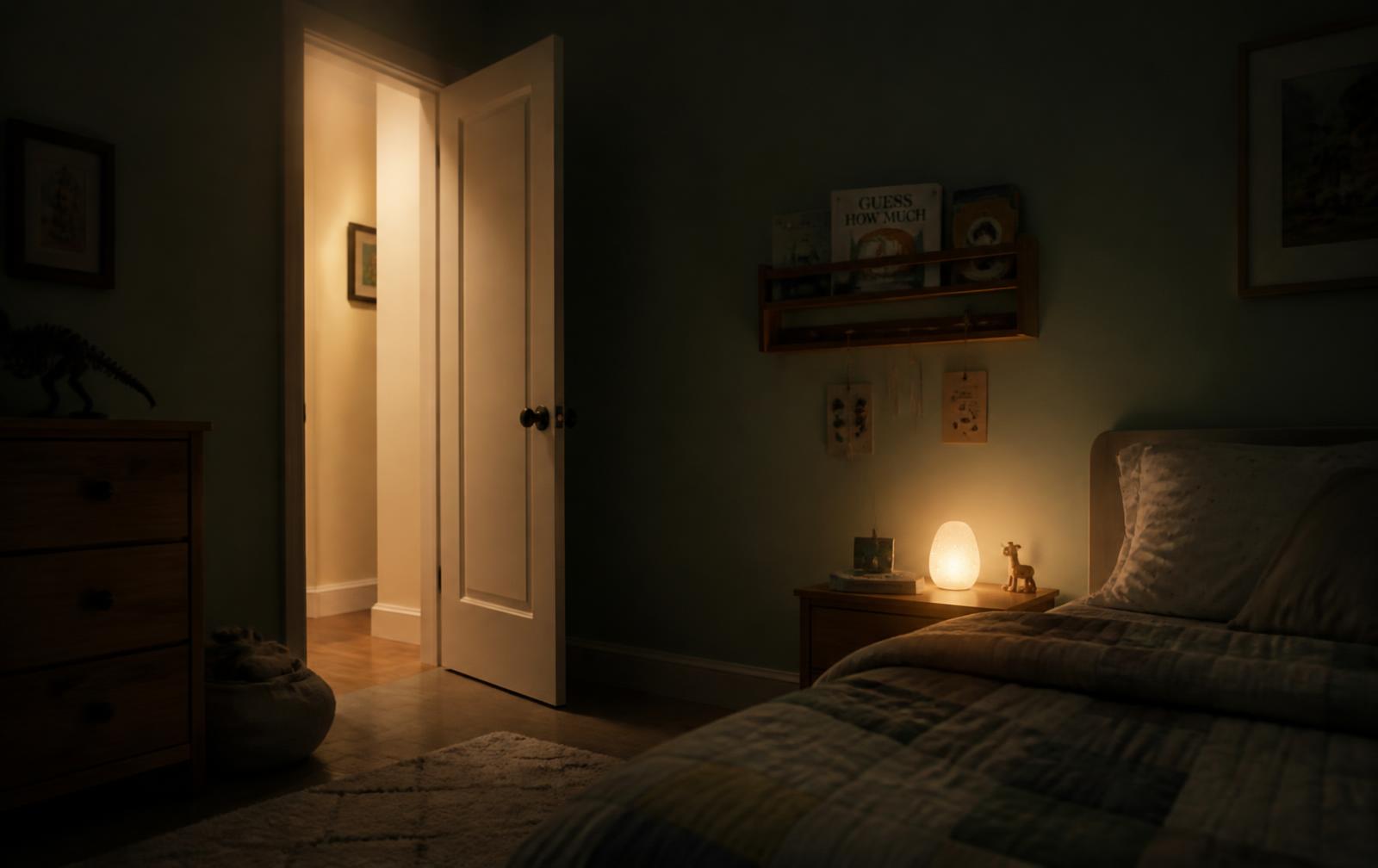
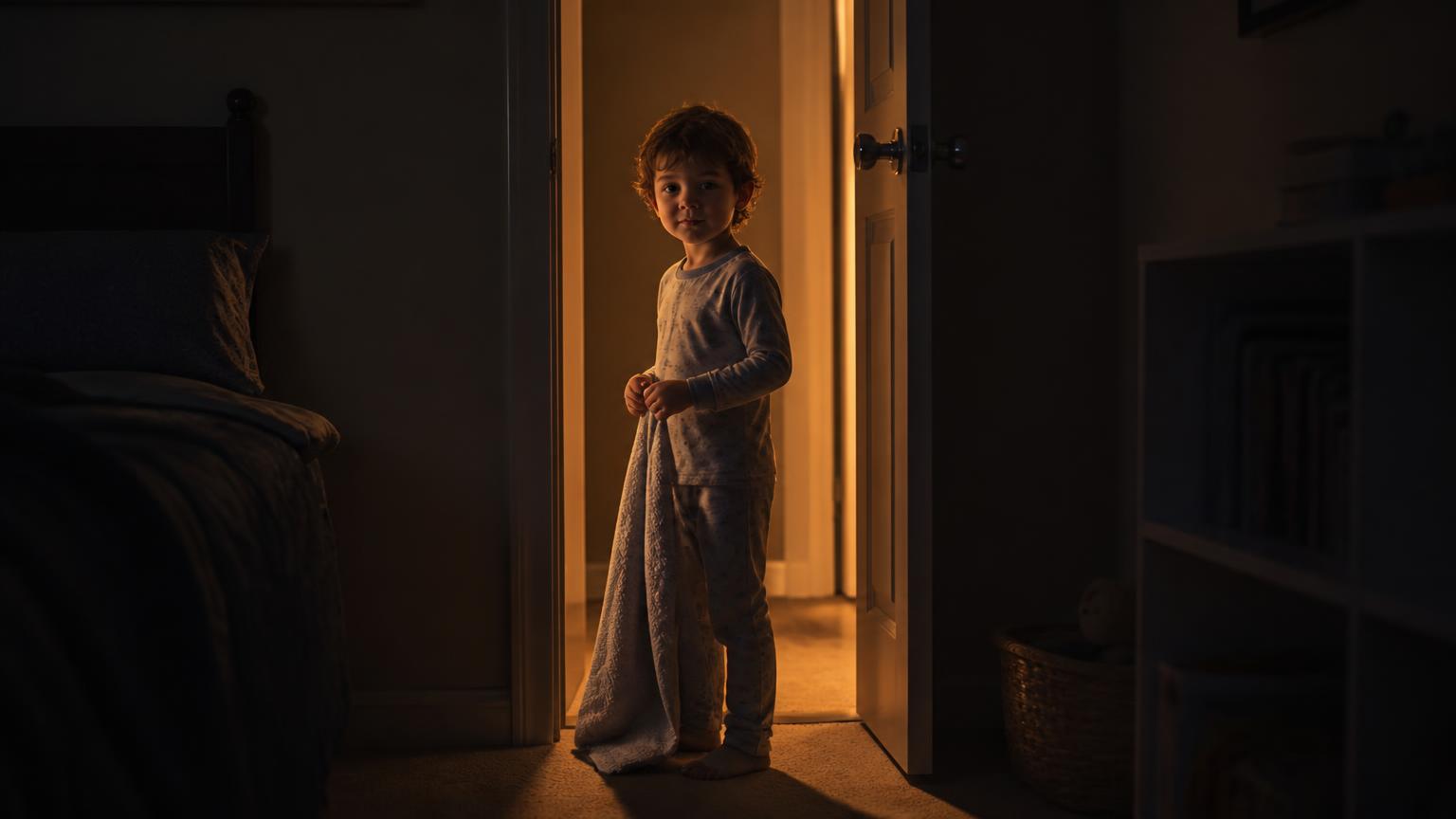
It is two in the morning. The bed is wet again. Somewhere between stripping the sheets and finding the spare duvet cover, a tired parent exhales in a way that carries down the hallway. The child standing in the doorway hears everything in that breath.
Bedwetting is extraordinarily common and almost never talked about. Parents compare notes on tantrums, screen time and fussy eating; almost nobody says at the school gate that their nine-year-old still wakes up soaked. So families carry it privately, and privacy quietly becomes shame.
What is actually happening at night
Three systems have to line up for a dry night: the kidneys need to slow urine production during sleep, the bladder needs to hold what is made, and the brain needs to register a full bladder and wake up. In most children who wet the bed, at least one of those three is still maturing. It has nothing to do with effort, character or attention-seeking.
The things that do not work
What the evidence supports
- 01Protect the dignity first
Waterproof mattress protector, dark bedding, a routine the child can run themselves. The goal is a night that costs the child as little pride as possible.
- 02Drink well by day
Six to eight drinks spread across the day trains bladder capacity. Taper in the last hour or two rather than banning fluids after school.
- 03Empty twice before sleep
Once at the start of the bedtime routine and once immediately before lights out. Small, reliable, no drama.
- 04Consider an alarm when the child is ready
Bedwetting alarms have the strongest long-term evidence, but only work when the child wants to try. Expect six to twelve weeks, not a fortnight.
The sleepover problem
For most children the social cost peaks around eight to eleven, when sleepovers and school trips arrive. Do not let a wet bed remove a childhood. Discreet pull-ups packed in the bottom of a bag, a quiet word with one trusted adult, a plan the child helped write — this is how children go on the trip rather than inventing an illness the night before.
When to seek medical advice
- Daytime wetting or urgency alongside night-time wetting.
- A child who was reliably dry for six months and has started again.
- Pain, unusual thirst, straining, or a change in the smell or look of urine.
- Snoring and mouth-breathing — disturbed sleep and wetting often travel together.
- A child whose distress about it is significant, whatever their age.
Most bedwetting resolves. What lasts is what the child concluded about themselves along the way. You cannot rush the biology, but you can decide entirely what this becomes in their memory: a shameful secret, or an unremarkable body thing their family handled kindly at two in the morning.
Children do not need a perfect parent. They need a predictable one who returns after hard moments.
Sian Trombley, Canadian Certified Counsellor
What you can try this week
Make the clean-up boring
Waterproof sheet, spare bedding stacked within reach, a lidded laundry basket in the room. No conversation at 2am beyond 'here you go, back to sleep.'
Front-load the fluids
Plenty to drink through the morning and afternoon, tapering after teatime. A well-practised bladder holds more; a permanently thirsty one holds less.
Say the sentence out loud
'This is a body thing, not a you thing. Bodies finish growing at different times. Nothing about this is your fault.' Say it in daylight, not in the wet bedroom.
- Around one in seven five-year-olds and one in twenty ten-year-olds still wet the bed.
- It is usually deep sleep, bladder capacity or hormone timing — not laziness.
- Restricting fluids all day makes bladders smaller, not drier.
- Alarm therapy has the best long-term evidence when a child is ready and willing.
- The shame does more lasting damage than the wetting.
What does my face do when I hear the bedroom door open at night?
Who else in the house knows about this, and did my child agree to that?
Am I chasing dryness faster than my child's body can go?
Printable resources
Recommended Thrive courses

Share this article
This article is educational and is not a substitute for individual clinical advice. Comments are closed so the Journal stays a calm place to read.
Keep going
You may also like
Courses, worksheets and pathways from the same part of the library.
- ResearchThe Research LibraryPeer-reviewed parenting and child mental health research, translated into plain language.Read
- Thrive GuideThrive GuideAsk a question and get warm, evidence-informed guidance drawn from the Thrive library.Read
- Thrive Care PlanThrive Care PlanA short check-in that turns how your week actually went into one focused plan.Read
- Thrive ToolThrive ToolsPremium printable workbooks and therapeutic tool kits.Read
- CollectionThe Resource LibraryFree printable worksheets, scripts and planners for families.Read
- JournalThe Body That Changed OvernightOne summer the door starts being closed. The mirror gets more use. And a parent realises the conversation they were saving for later is already late.Read