Why They Save It All For You
Angelic at school, feral at home. The most misunderstood compliment in parenting.
Written by Sian Trombley · BEd, MACP, CCC
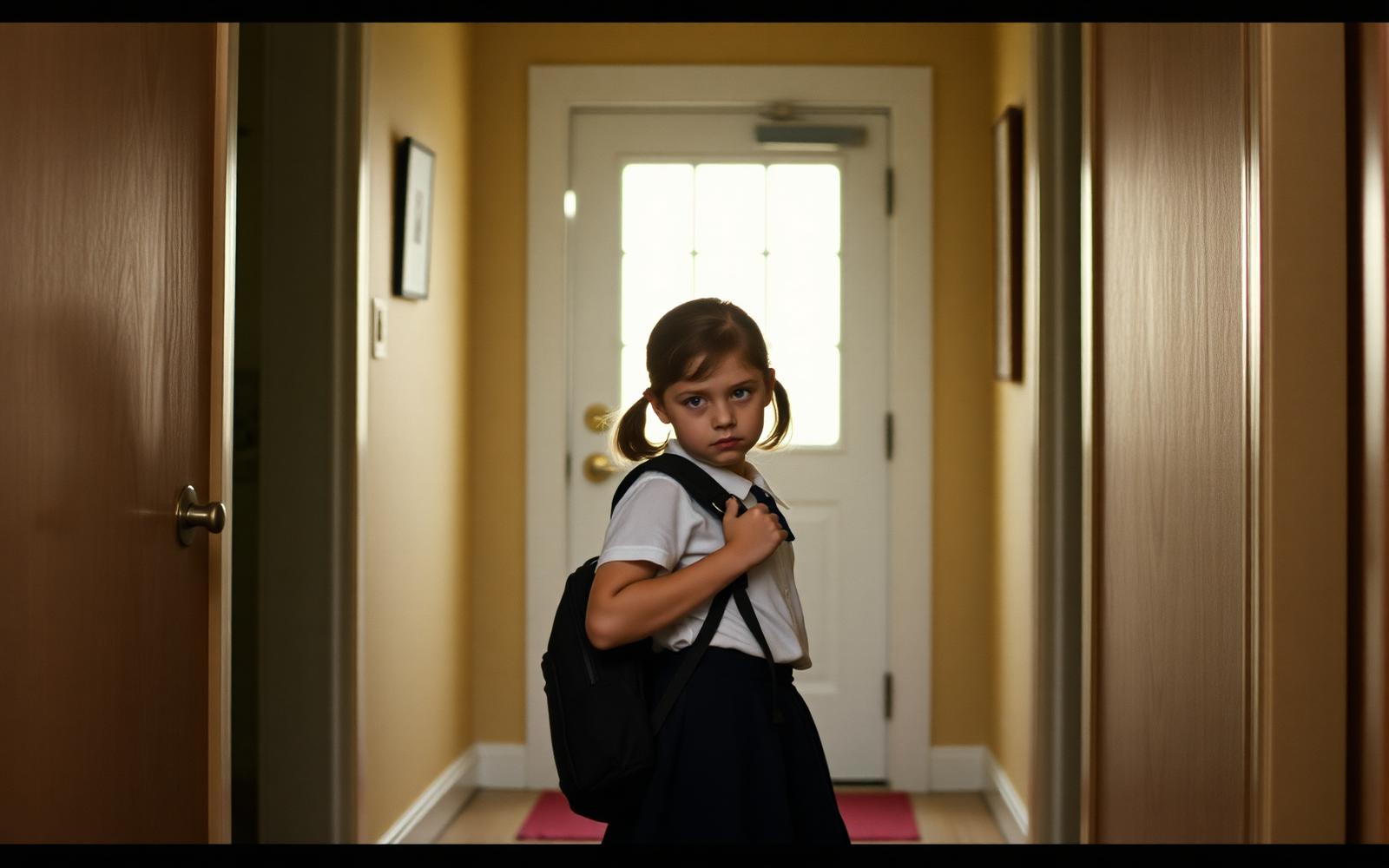
'He's an absolute delight in class.' You smile and say thank you. You do not mention that forty minutes after leaving that classroom he threw a shoe at the fridge because the wrong yoghurt was in the fridge.
Self-control is a budget, not a trait
Sitting still, waiting your turn, managing noise, reading social cues, tolerating a teacher's tone, not crying when a friend is unkind — every one of these costs regulatory effort. A school day is six hours of continuous withdrawal from an account that refills slowly.
By the time a child reaches you, the balance is often at zero. What you meet at the school gate is not their behaviour. It is the absence of any capacity left to shape it.
The fifteen-minute rule
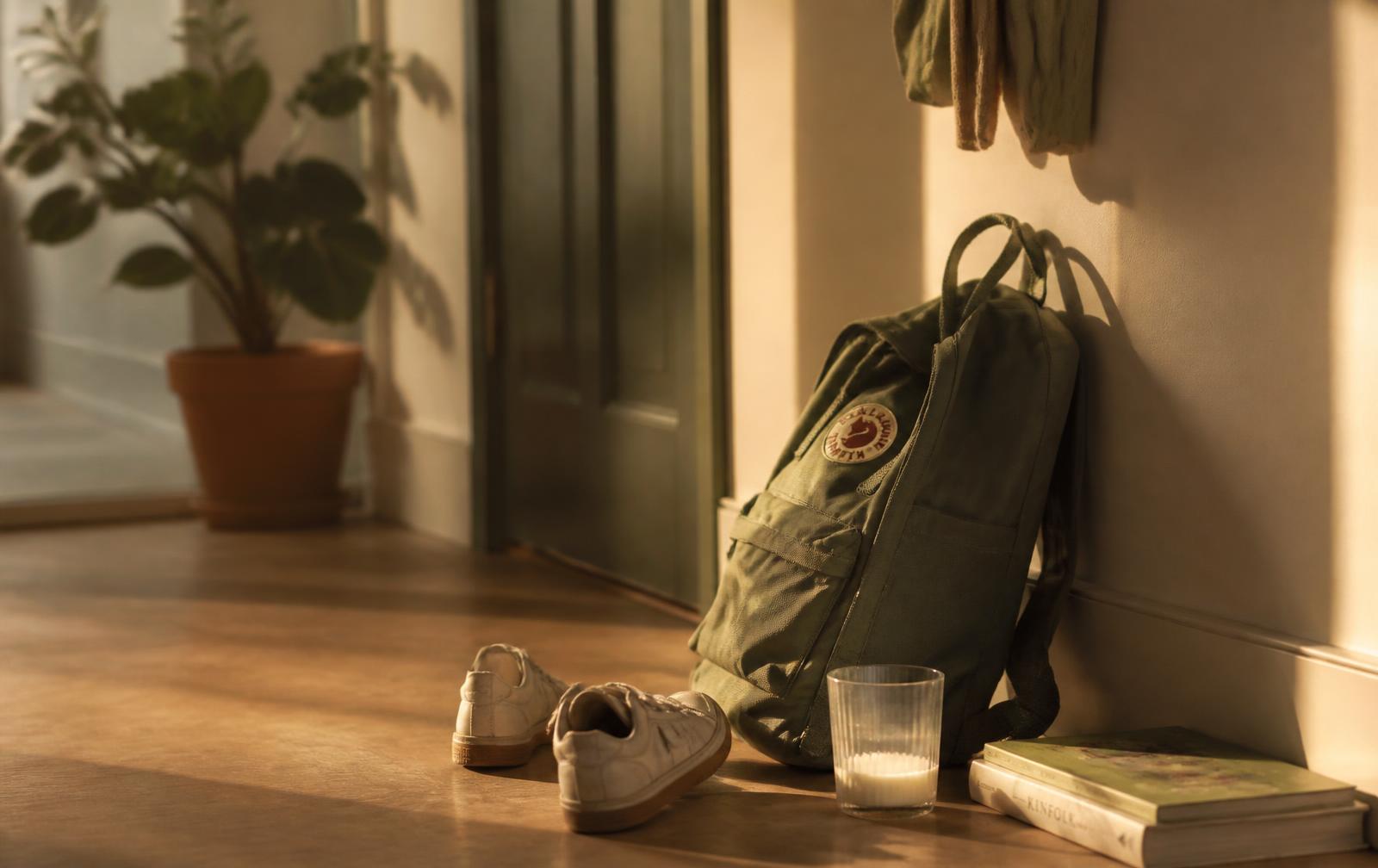
The window immediately after school is where most family conflict lives, and it is almost entirely fixable. The standard sequence — questions, bag, shoes, homework, snack — front-loads demand at the exact moment there is nothing left to meet it with.
- 01Food in hand at pick-up
Not later. Now.
- 02No questions for fifteen minutes
Silence, music, a walk. Information comes out sideways later.
- 03One physical release
Scooter, running, climbing, anything that discharges rather than contains.
- 04Then, and only then, the day's demands
Bag, letters, homework — after the tank has begun to refill.
What this does not mean
Understanding the mechanism is not the same as accepting anything. Children can be tired and still not throw things. The distinction is timing: hold the boundary in the moment briefly and calmly, and have the actual conversation an hour later, when there is a brain available to have it with.
Children do not need a perfect parent. They need a predictable one who returns after hard moments.
Sian Trombley, Canadian Certified Counsellor
What you can try this week
Change the first fifteen minutes
No questions, no diary check, no 'how was your day'. Food and quiet first. Talk comes later, if at all.
Feed them within ten minutes
Most after-school collapse has a blood sugar component. Have something in your hand before they reach you.
Move one demand later
Homework, music practice, tidying — shift one of them past the recovery window and see what changes.
- Holding it together all day depletes a finite resource.
- Home is where the effort stops, not where the problem starts.
- The first fifteen minutes after school are the highest-risk window.
- Food, water and quiet outperform questions at pick-up.
- A very large school-home gap is worth investigating, not ignoring.
What do I ask of my child in the first ten minutes of seeing them?
Does the day end with more demands or fewer?
How do I feel when the school says they are 'no trouble at all'?
Printable resources
Recommended Thrive courses

Share this article
This article is educational and is not a substitute for individual clinical advice. Comments are closed so the Journal stays a calm place to read.
Keep going
You may also like
Courses, worksheets and pathways from the same part of the library.
- ResearchThe Research LibraryPeer-reviewed parenting and child mental health research, translated into plain language.Read
- Thrive GuideThrive GuideAsk a question and get warm, evidence-informed guidance drawn from the Thrive library.Read
- Thrive Care PlanThrive Care PlanA short check-in that turns how your week actually went into one focused plan.Read
- Thrive ToolThrive ToolsPremium printable workbooks and therapeutic tool kits.Read
- CollectionThe Resource LibraryFree printable worksheets, scripts and planners for families.Read
- JournalThe Truth About Lying: What Children Are Really ProtectingMost parents respond to lying by tightening the consequences. The children who tell the truth most reliably are the ones for whom honesty costs the least.Read