Skip to content
← The Thrive Journal

New to Thrive

A gentle introduction

Warm, plain-language writing for parents who are just beginning to look for answers.

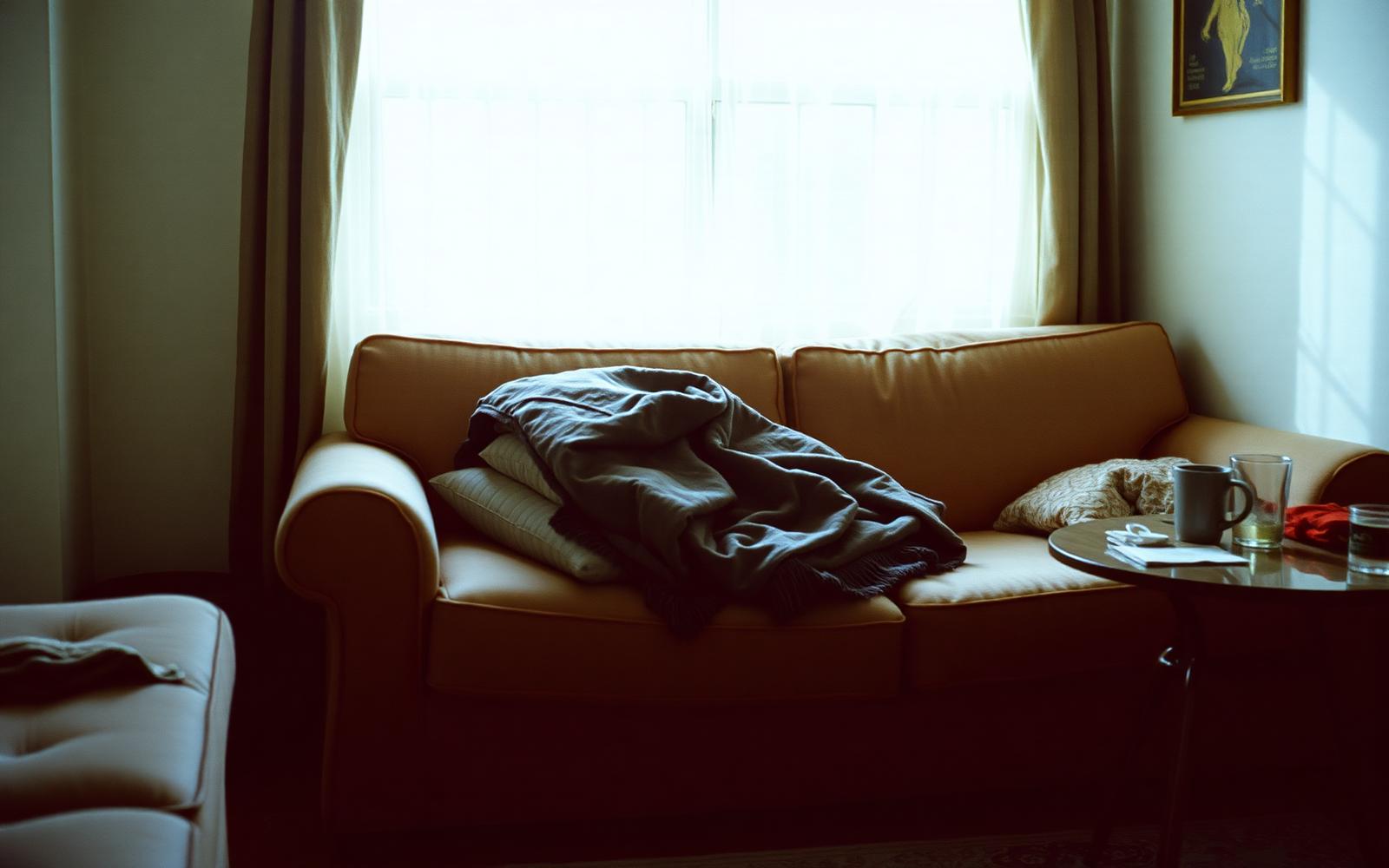
A school-age child resting under a blanket on a linen sofa in warm evening light
Emotional Regulation

Tantrums, Meltdowns and Shutdowns: Telling Them Apart

Three states that look similar from across the room and need almost opposite responses from you.

Read
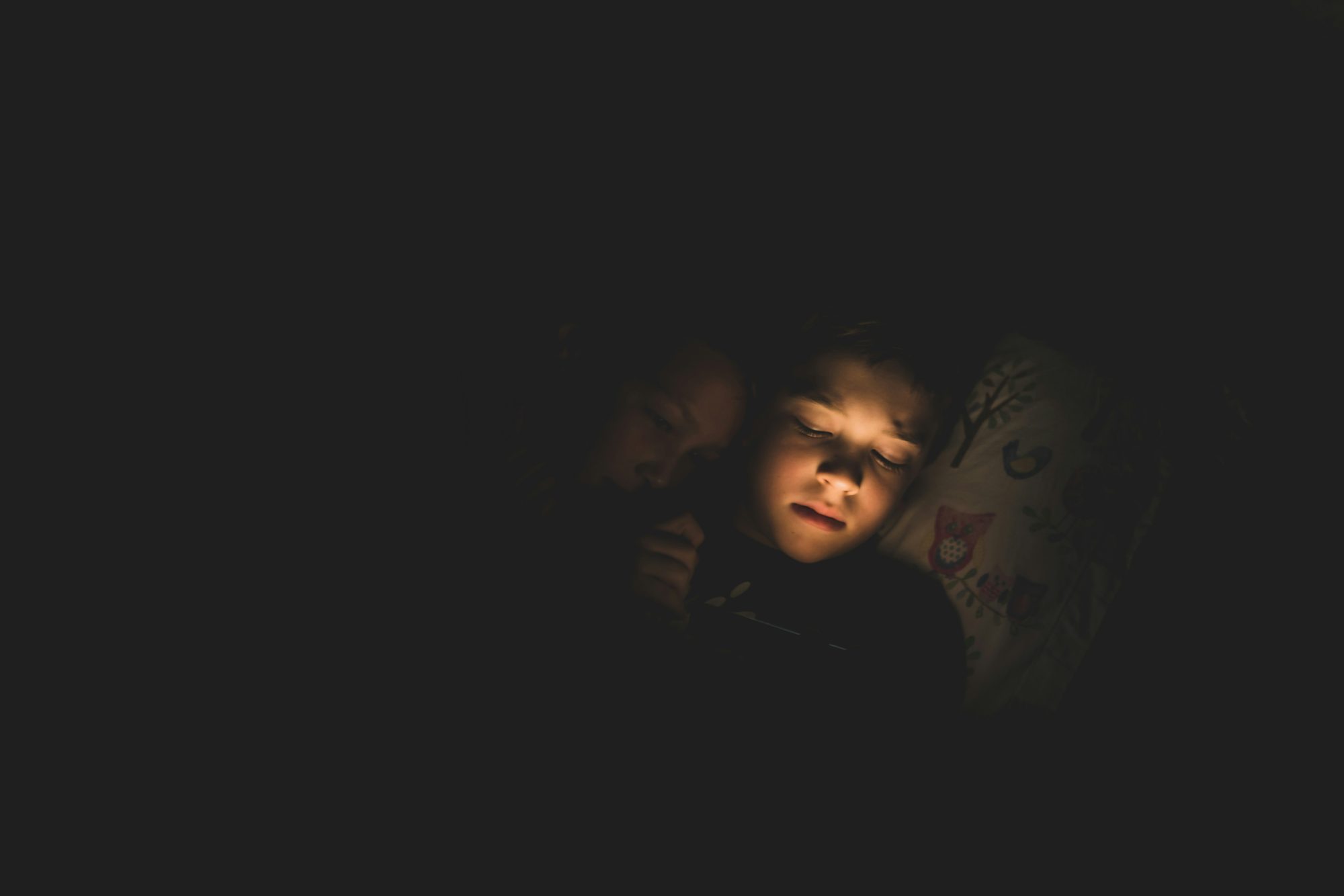
A child's hands resting beside a softly glowing tablet on a pale linen table
Digital World

Raised by Algorithms: Children, AI Companions and the New Kind of Friendship

Millions of children now talk daily to something that always answers, never tires, and never disagrees. What that does to a developing mind is the question of this decade.

Read
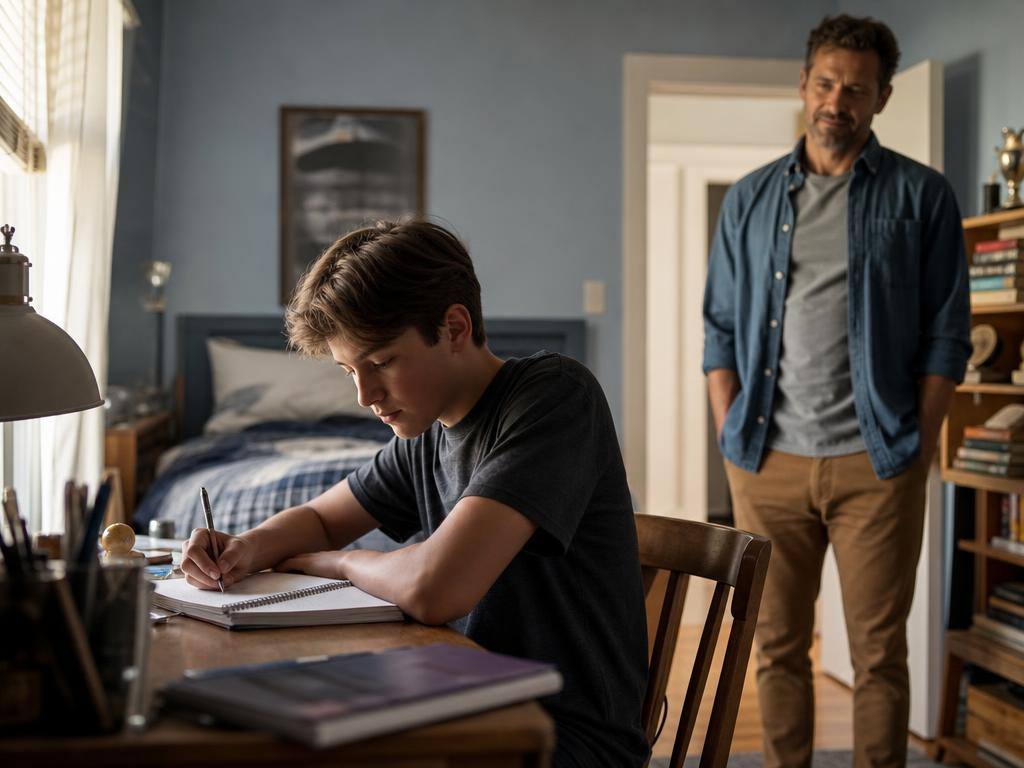
An untouched homework desk with open notebook and pencils in soft afternoon light
Executive Functioning

It Is Not Laziness: Understanding the Motivation Myth

The child who cannot start their homework is not choosing comfort over effort. They are stuck at a step no one has taught them to cross.

Read
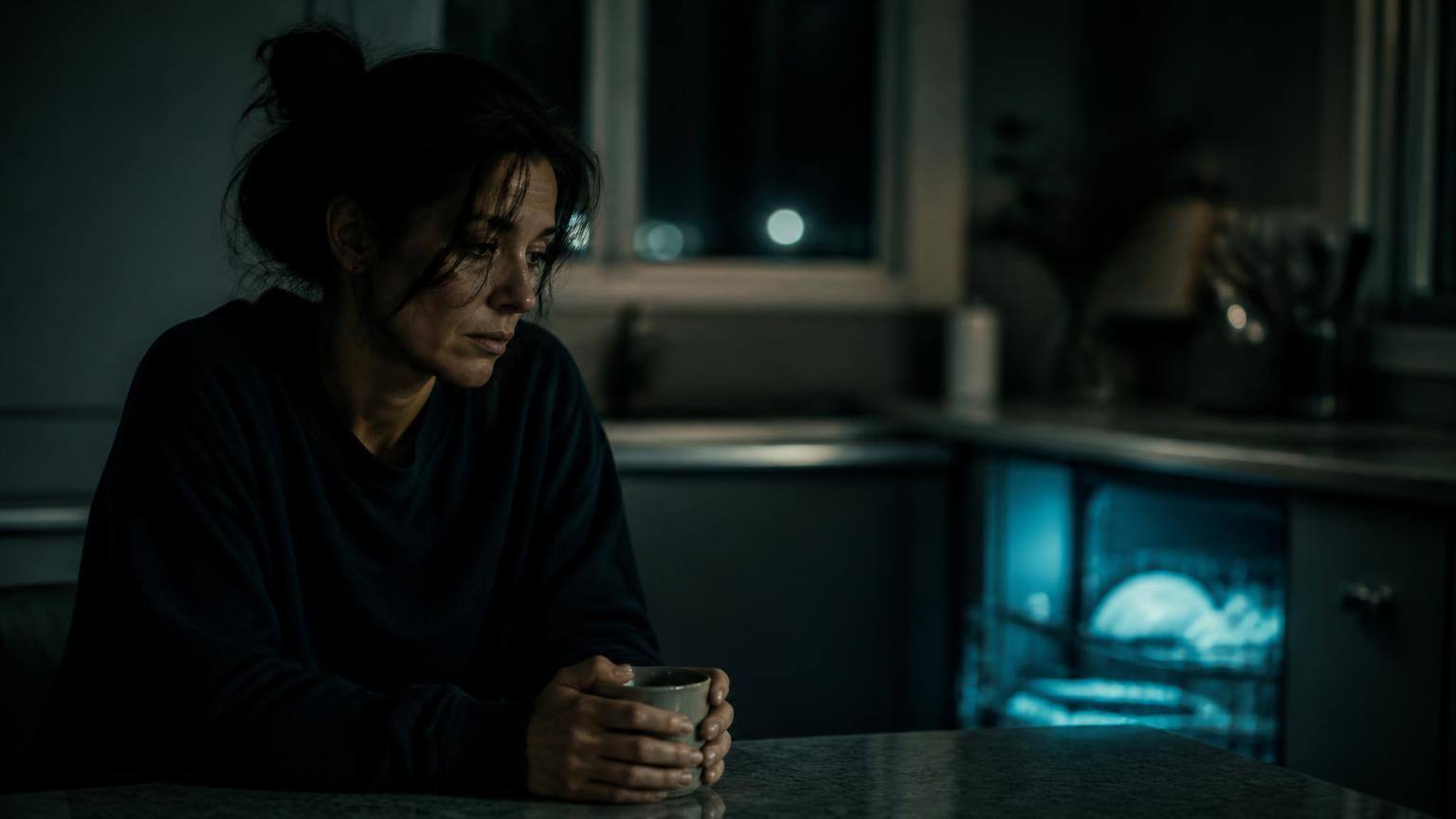
A parent sitting on the floor beside a sofa at dusk holding a warm mug
Parent Self-Care

When Gentle Parenting Runs Out of Petrol

The backlash is not evidence that warmth failed. It is evidence that a generation of parents was sold the warmth and never given the boundaries — or the rest.

Read
A parent and child sitting together on wooden floorboards in soft window light
Emotional Regulation

Borrowing Calm: How Children Regulate Through Us

Children cannot regulate themselves in a room where no one else is regulated. Co-regulation is the whole mechanism — and it is quieter than it sounds.

Read
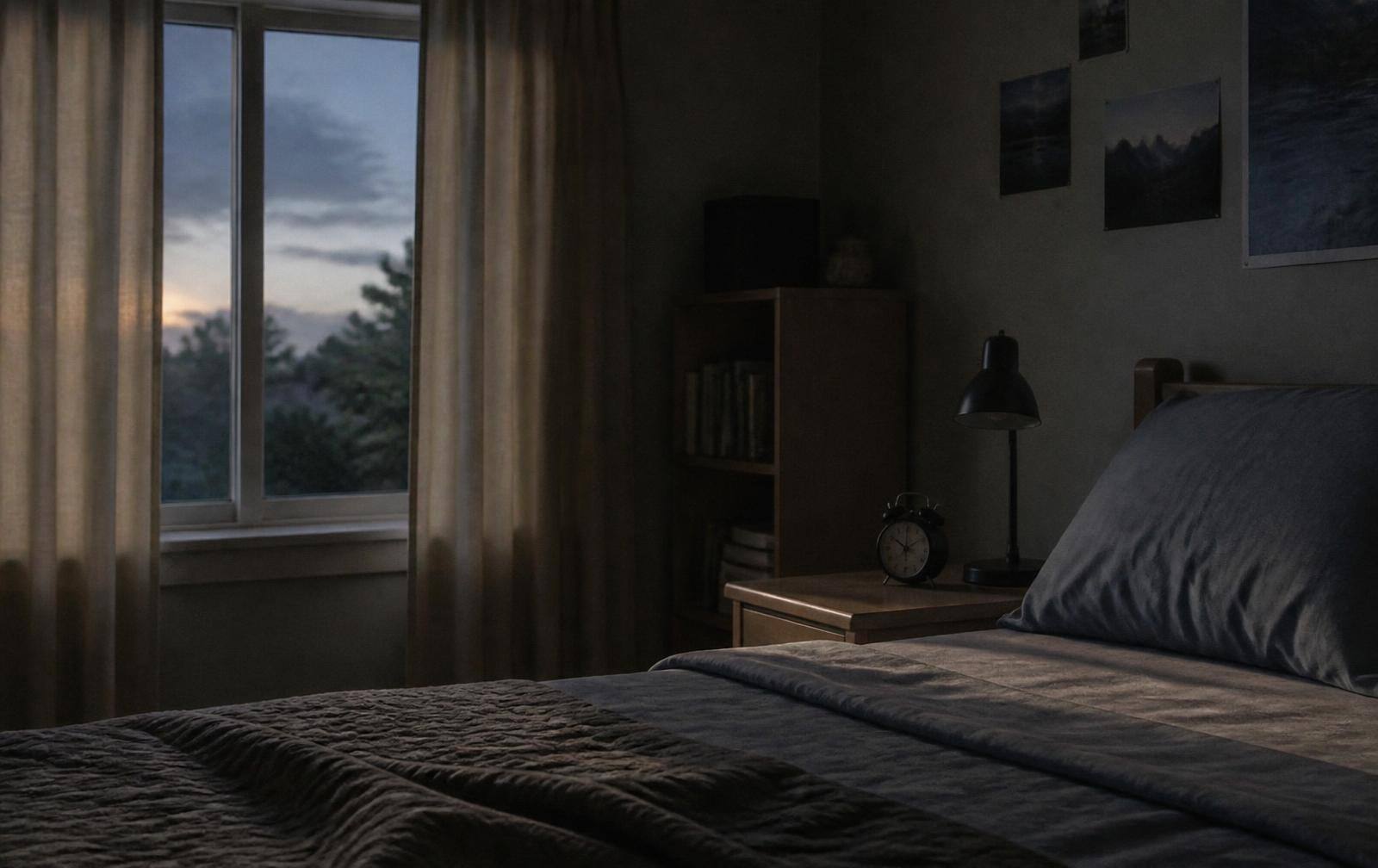
A phone face-down on a linen bedside table beside a folded book and a glass of water in lamplight
Digital World

The Phone in the Bedroom: The One Boundary Worth Holding

Of all the decisions families make about technology, where the device sleeps has the largest and most measurable effect on a child's wellbeing.

Read
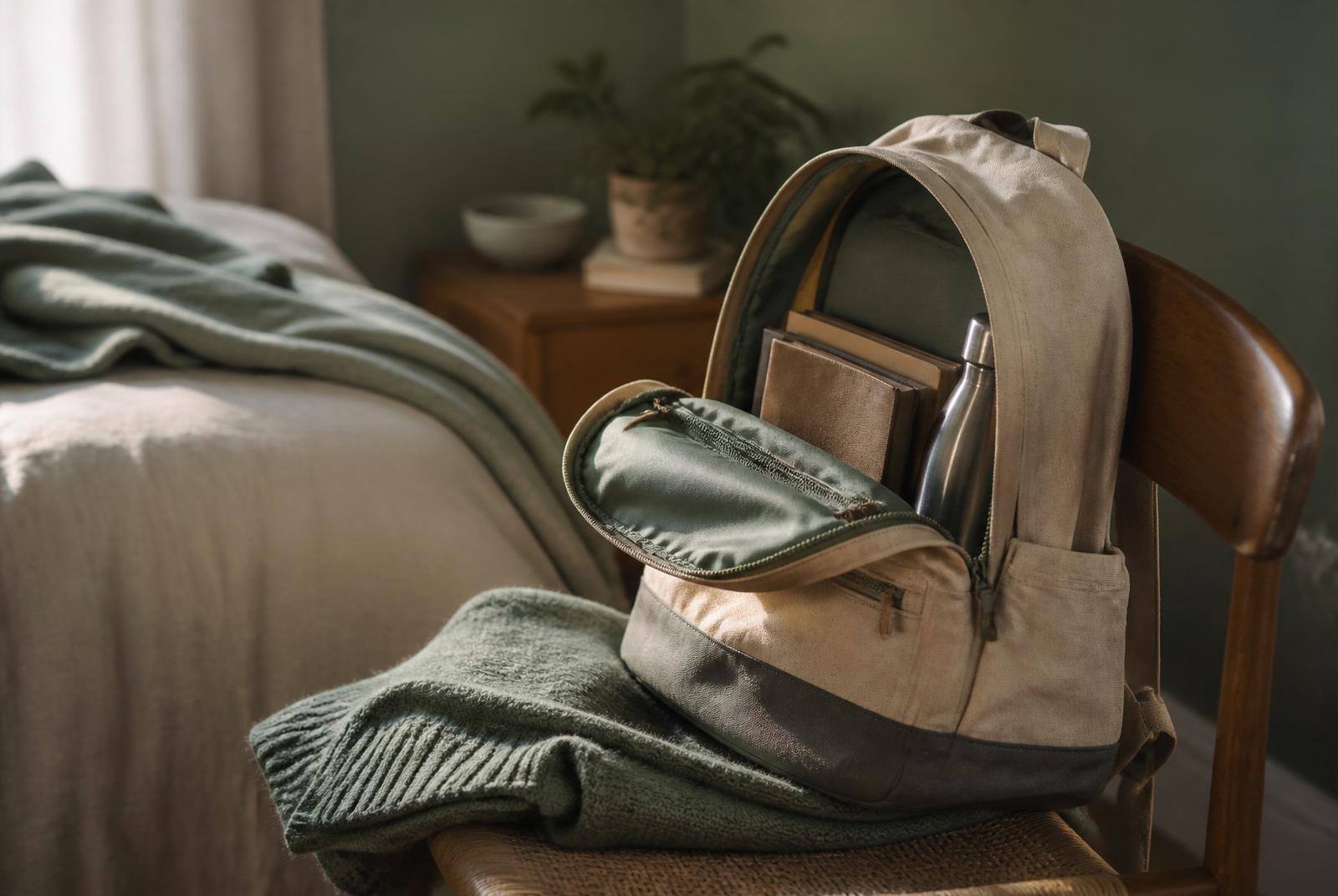
An open canvas backpack resting on a wooden chair in a quiet bedroom
Teen Mental Health

The Vape in the Backpack: What to Do in the First Ten Minutes

Almost every parent handles this discovery badly the first time — usually because they respond to the object rather than to the young person holding it.

Read
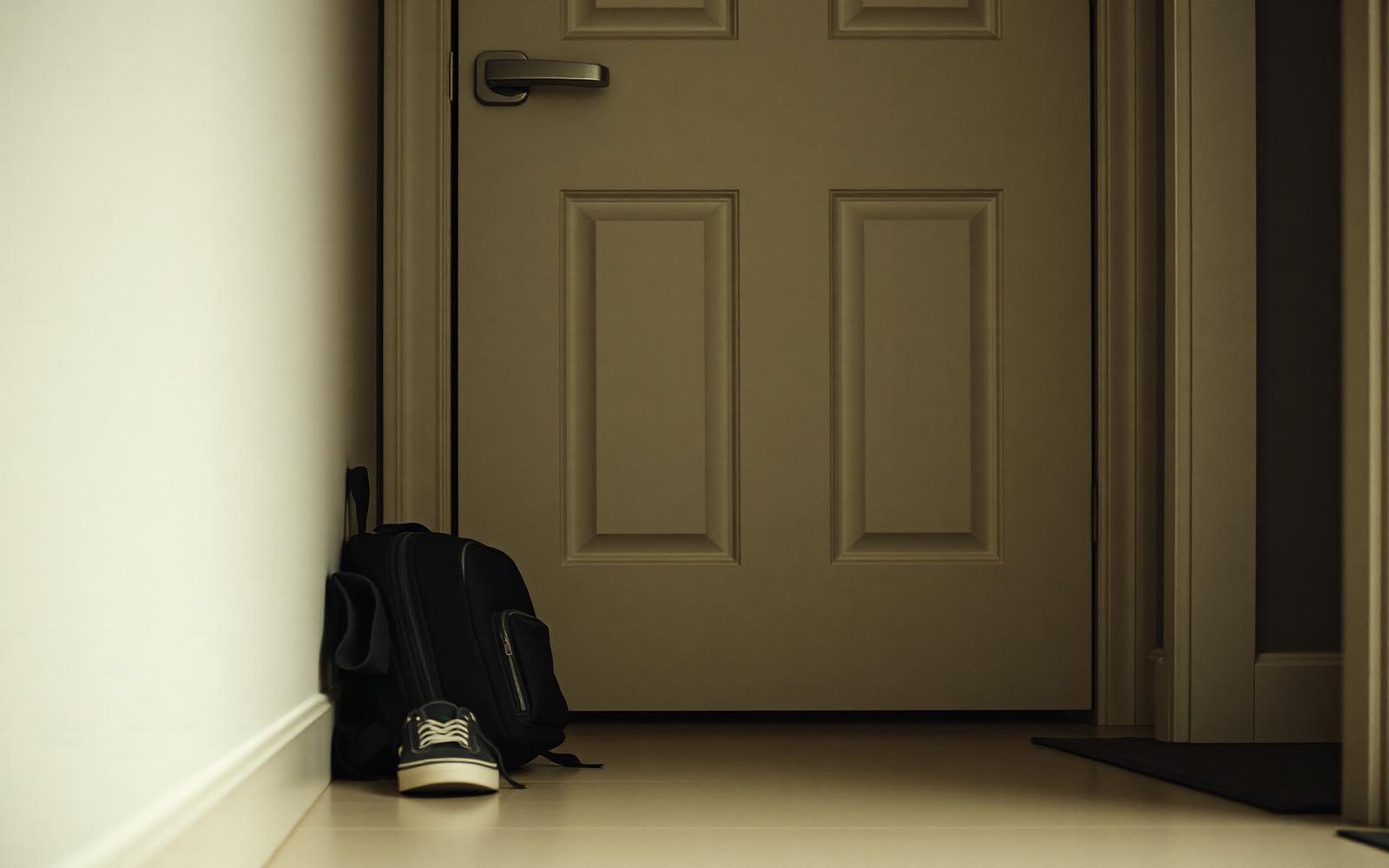
A school backpack and a single shoe beside a front door in morning light
Executive Functioning

The Morning That Unravels: Why Getting Out of the Door Is So Hard

Shoes, coats, teeth, bags. The school run asks a developing brain to sequence more decisions before nine o'clock than most adults make before lunch — and it is almost never about defiance.

Read
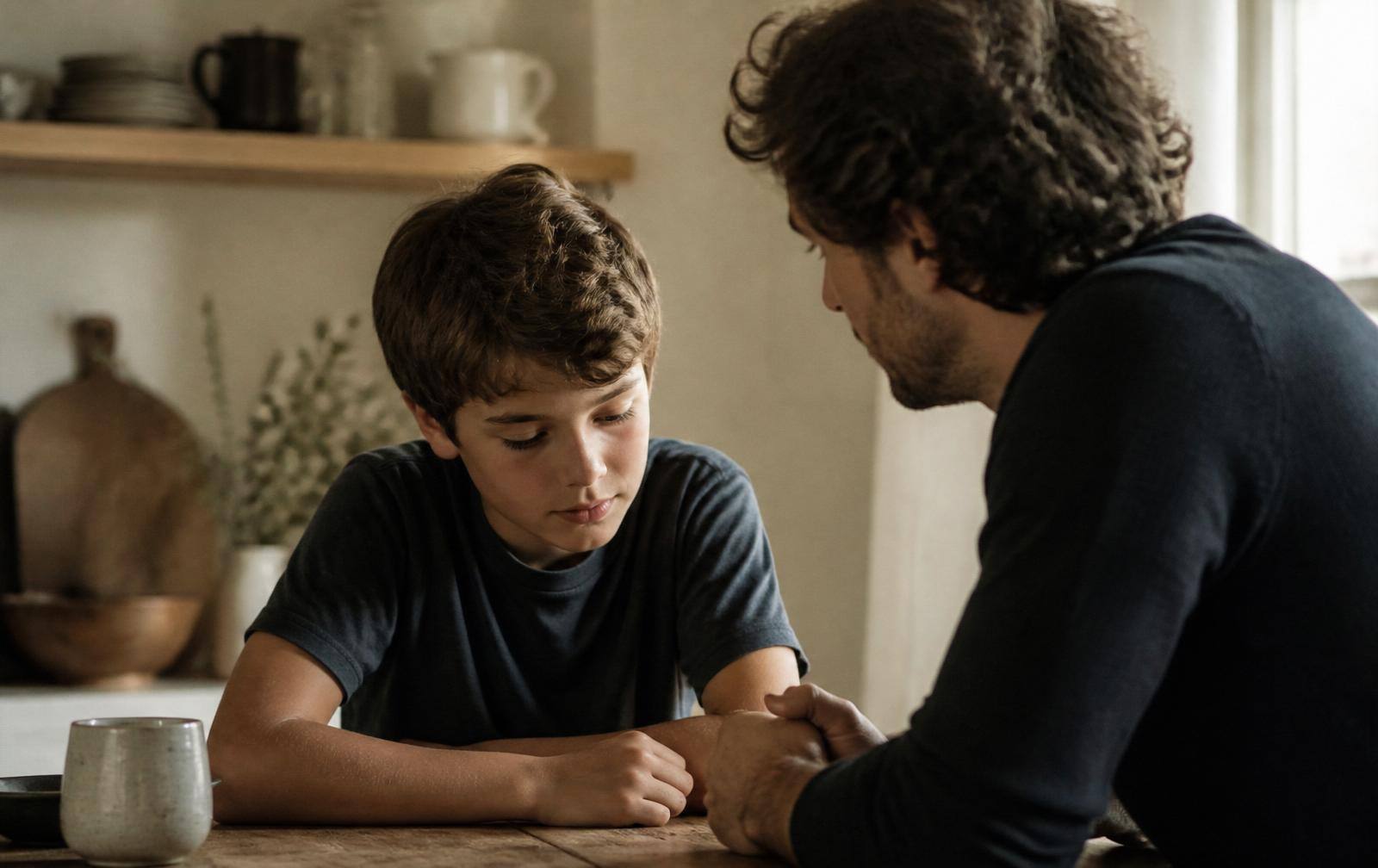
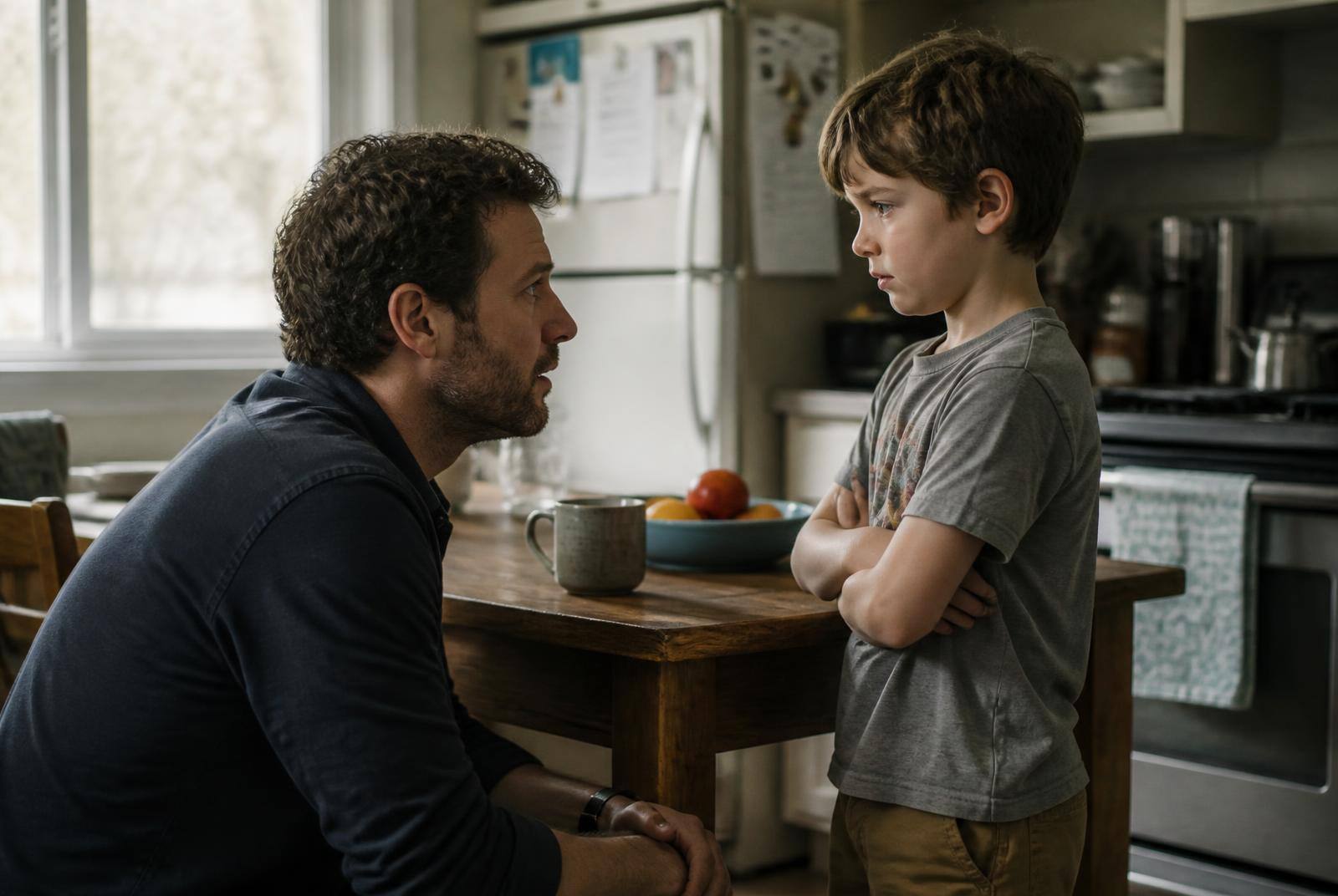
A parent crouching low beside a school-age child at a kitchen table in warm morning light
Communication

When Listening Feels Impossible: Cooperation Without Conflict

Your child is not ignoring you. Their hearing is working perfectly — it is the processing underneath it that has run out of room.

Read
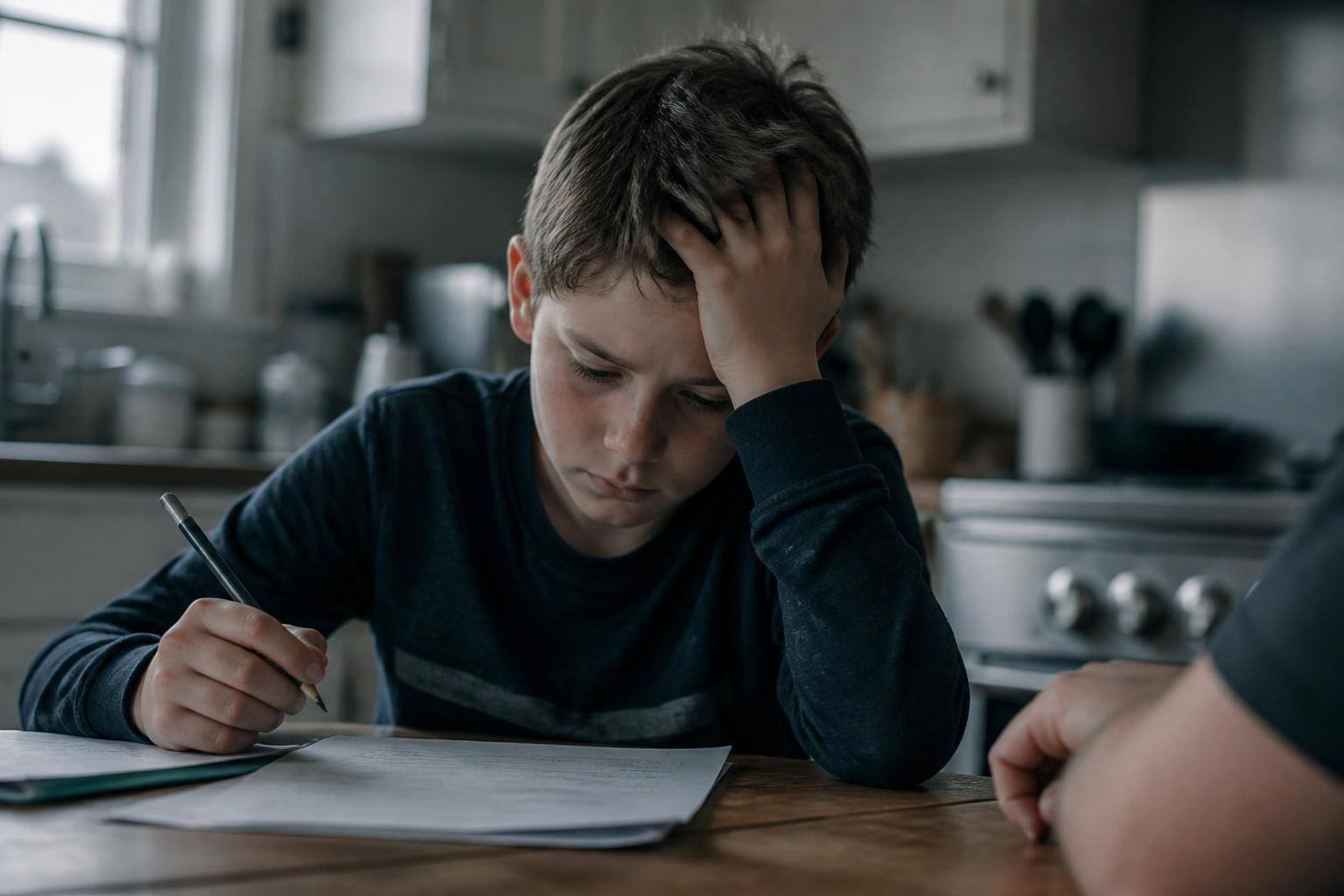
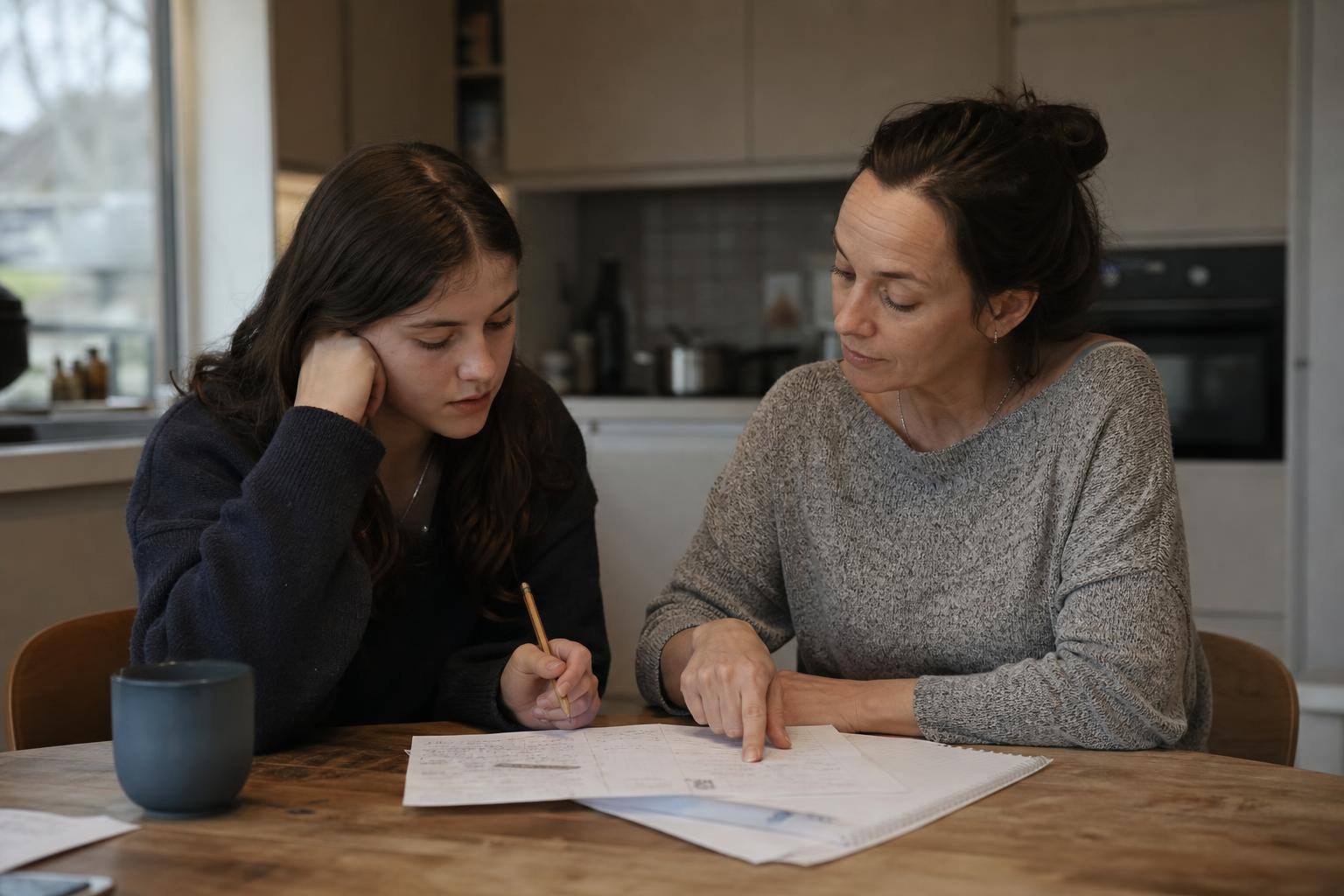
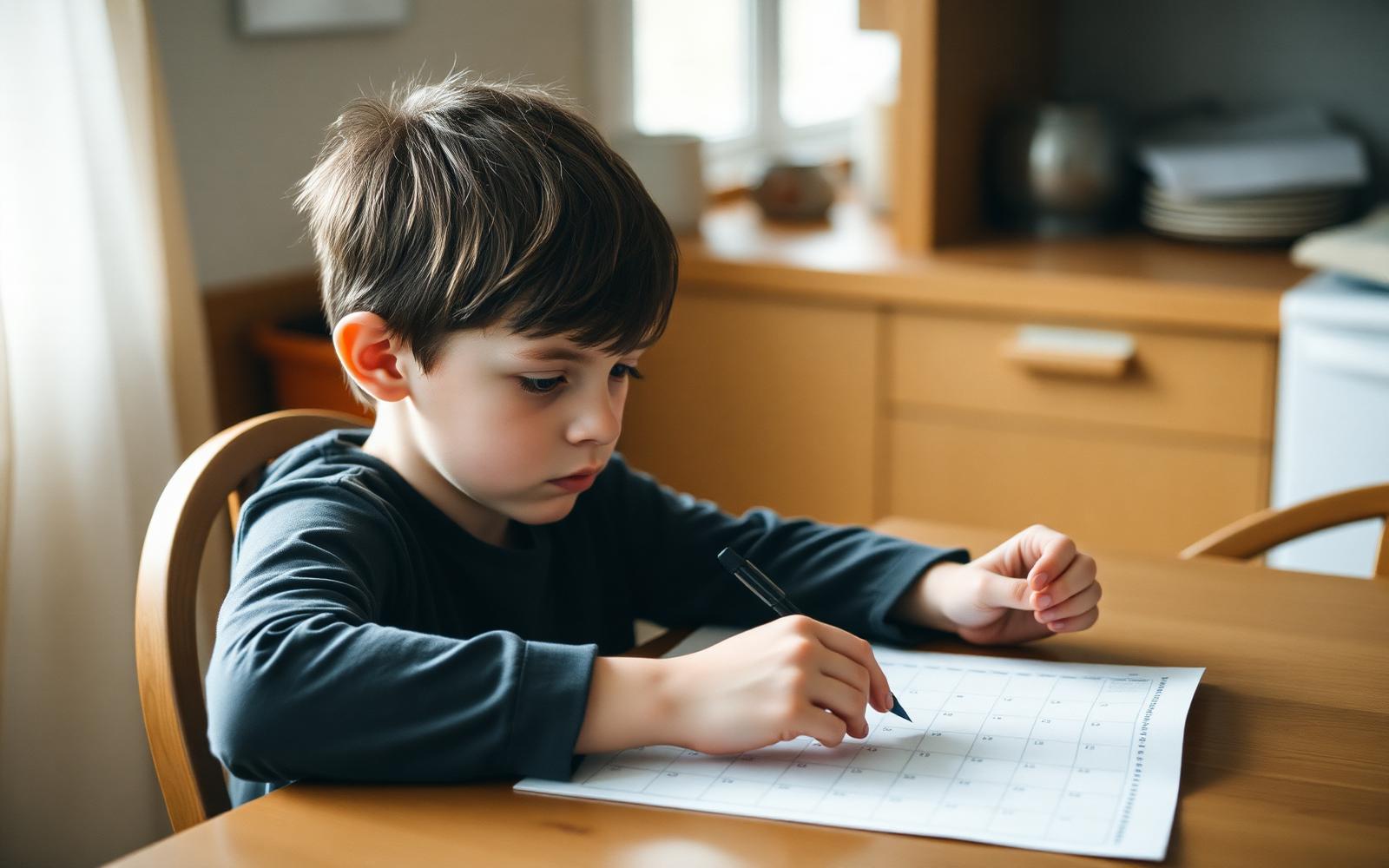
An unfinished worksheet, a pencil and a glass of water on a kitchen table
School

The Homework Hour: Ending the Nightly Standoff

By four o'clock a child has already spent six hours regulating themselves in a demanding environment. The worksheet is not the problem — the timing, the tank and the referee's role are.

Read
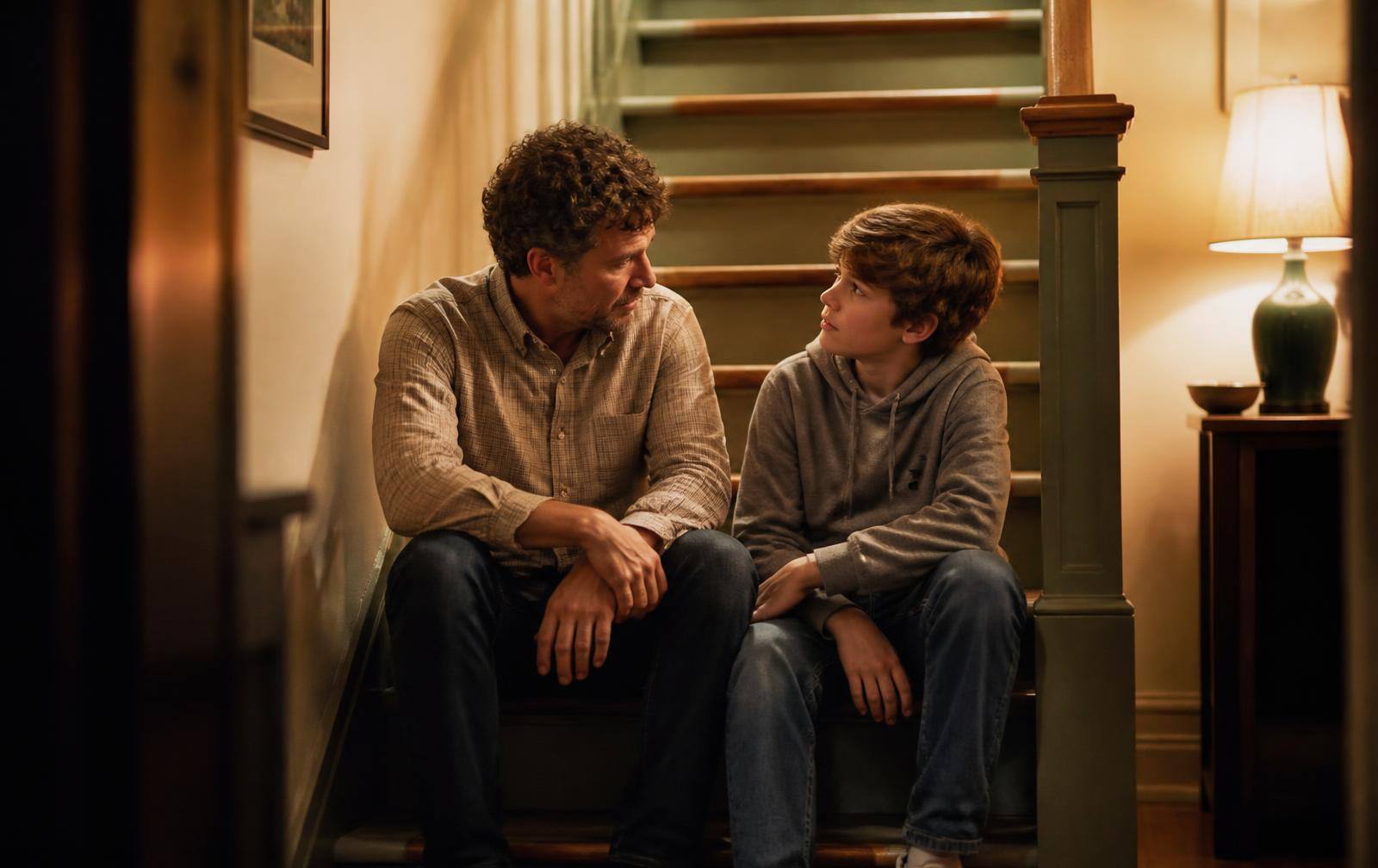
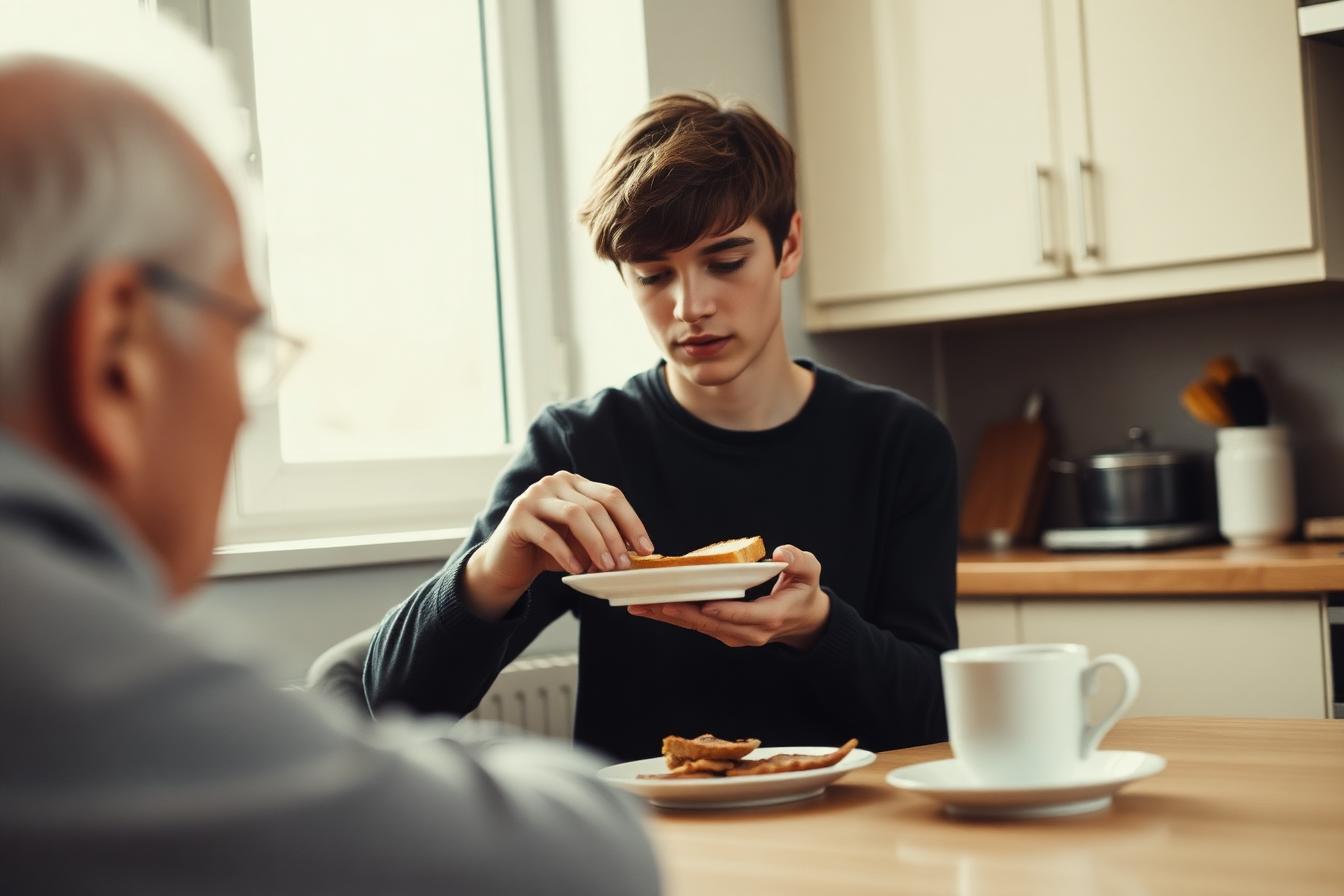
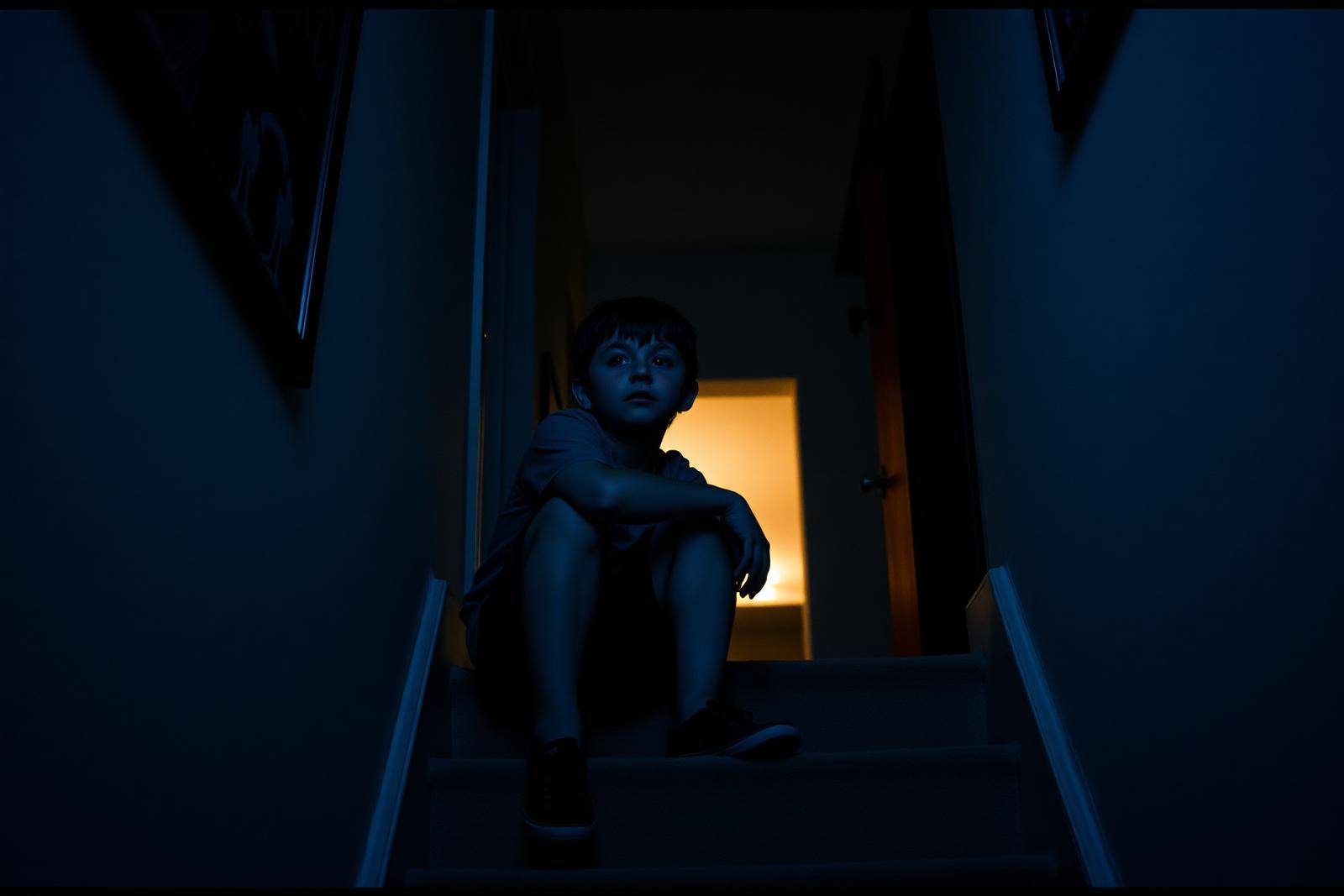
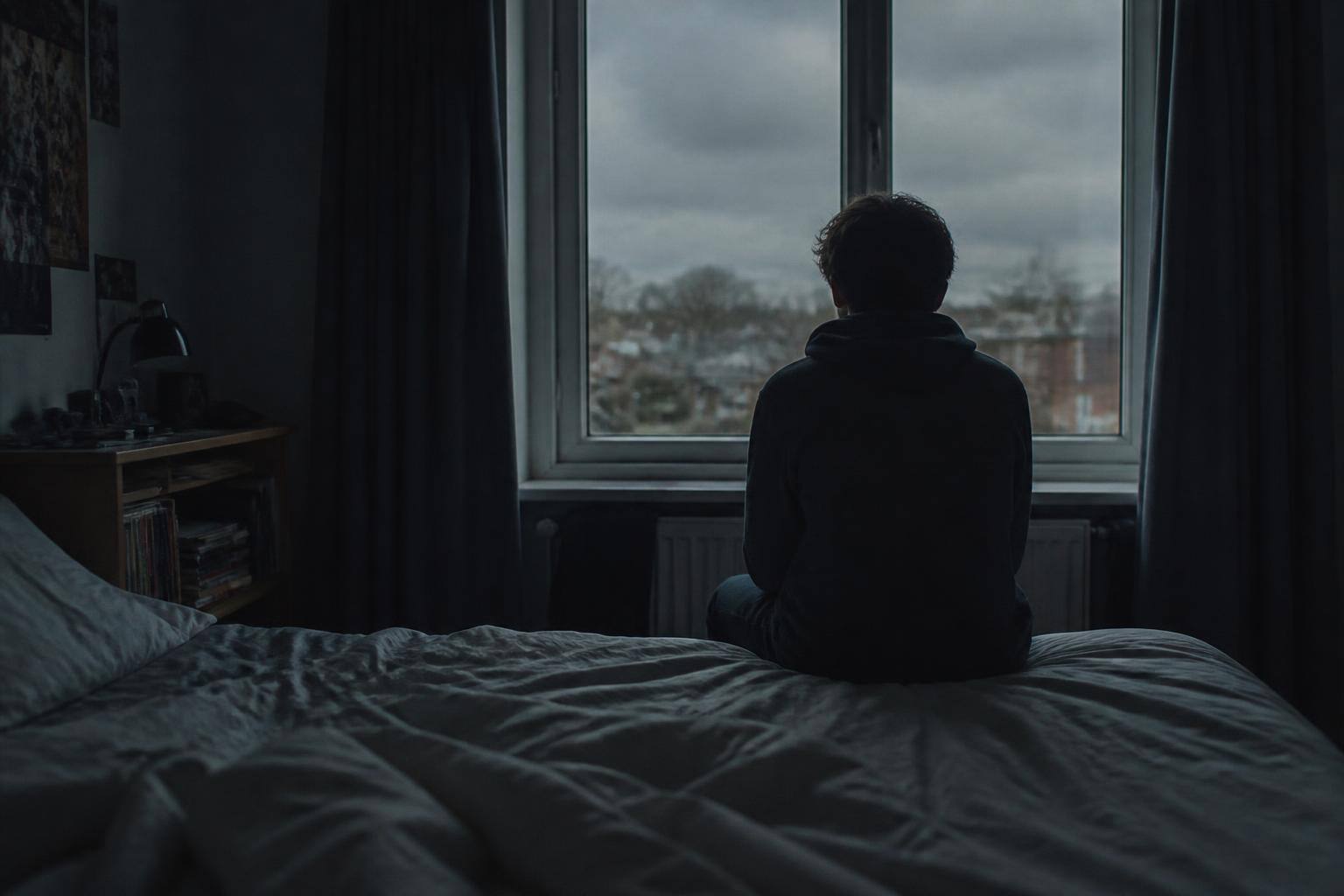
A teenager sitting on the end of a bed with a parent visible in the hallway light
Teen Mental Health

When Your Teenager Stops Talking to You

Silence at fifteen is rarely rejection. It is a developmental task, a bid for privacy, and sometimes a signal — and it responds to presence far better than to questions.

Read
An exercise book with a torn-out page and neatly rewritten handwriting
Confidence

The Cost of Getting It Right: Perfectionism in Children

The child who rips up the page, refuses to start, or cries over a single mark is not being dramatic. They are managing a belief that their worth is recalculated with every attempt.

Read
A small wooden chair beside a half-open door with a single folded note left on the seat
Behaviour

The Truth About Lying: What Children Are Really Protecting

A child who lies is almost never a child with a character problem. They are a child solving a problem — usually the problem of what happens next.

Read
A teenage boy sitting alone on stone steps in late afternoon light
Teen Mental Health

The Boys Who Went Quiet: Loneliness, Withdrawal and the Sons We Stop Reaching

Boys are not becoming less emotional. They are becoming less practised at showing it — and the window in which they let an adult in is narrower than most parents realise.
Read
A cold cup of tea beside folded laundry and a handwritten list in evening light
Parental Burnout

When the Parent Runs Out: Recovering From Burnout

Parental burnout is not a character flaw or a scheduling problem. It is what happens when the demands stay high for long enough that the recovery never arrives.

Read
A pair of ear defenders resting on a cream knitted blanket by a window
Sensory Processing

The World Is Too Loud: Understanding Sensory Overwhelm

The supermarket, the school hall, the label in the collar. For some children the volume of ordinary life is turned up in a way nobody around them can hear — and the behaviour that follows is almost always misread.

Read
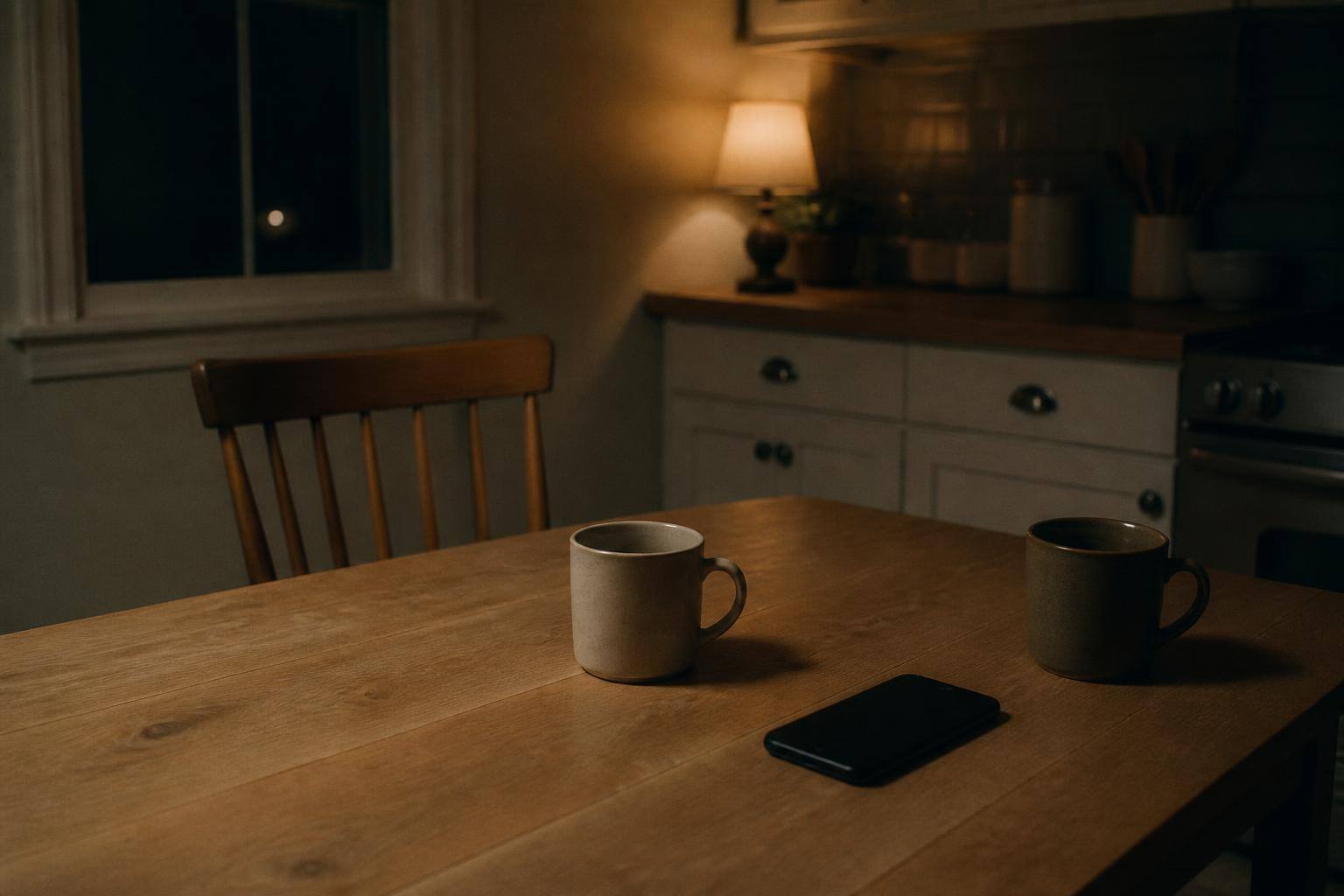
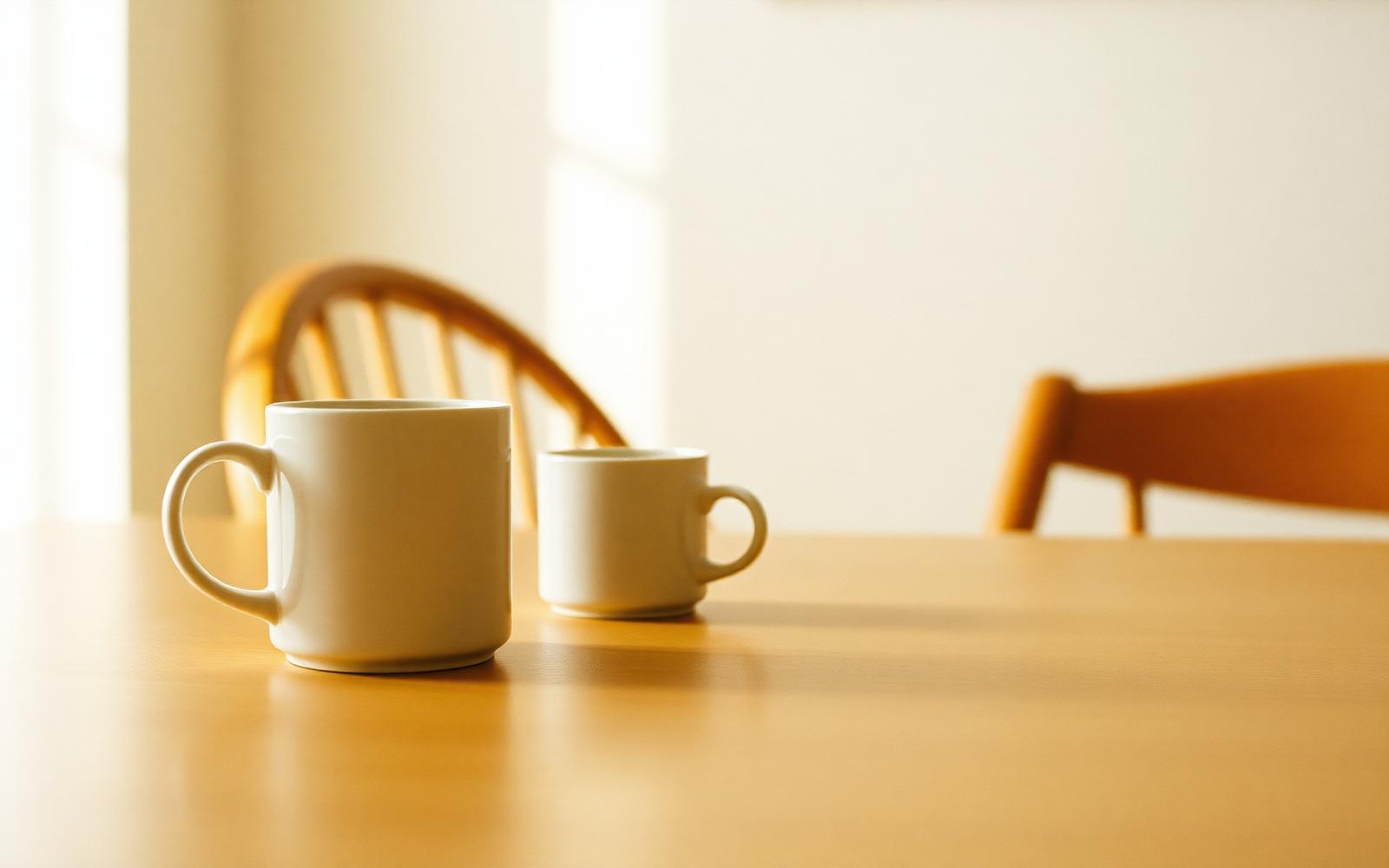
Two mugs on a kitchen counter at dusk, one slightly apart from the other
Co-Parenting

When Parents Disagree: The Argument Children Actually Hear

Two people raised in two different families are now improvising a third one. Children can tolerate a great deal of difference between their parents — what they cannot tolerate is being the ground it is fought over.

Read
A linen school bag, one shoe and a half-finished glass of milk on a pale wooden floor in early morning light
Family Life

The Longest Hour: Rescuing the School Morning

Nobody is difficult in the morning. Everyone is under-resourced at the same time, in a house designed by no one, against a clock that does not negotiate.

Read
A child stepping forward along a sunlit garden path with a parent just behind
Resilience

Growing Brave: How Real Courage Is Built in Small Steps

Courage is not the absence of fear, and it cannot be given as a pep talk. It is built one rung at a time, in the presence of someone who believes you can climb.

Read
A game controller set down on a wooden table beside an empty cup and an open notebook in afternoon light
Digital World

When the Game Ends: Why Screen Transitions Are So Explosive

The fight is almost never about the game. It is about being pulled out of a state that was regulating them, without warning, by the person they trust most.

Read
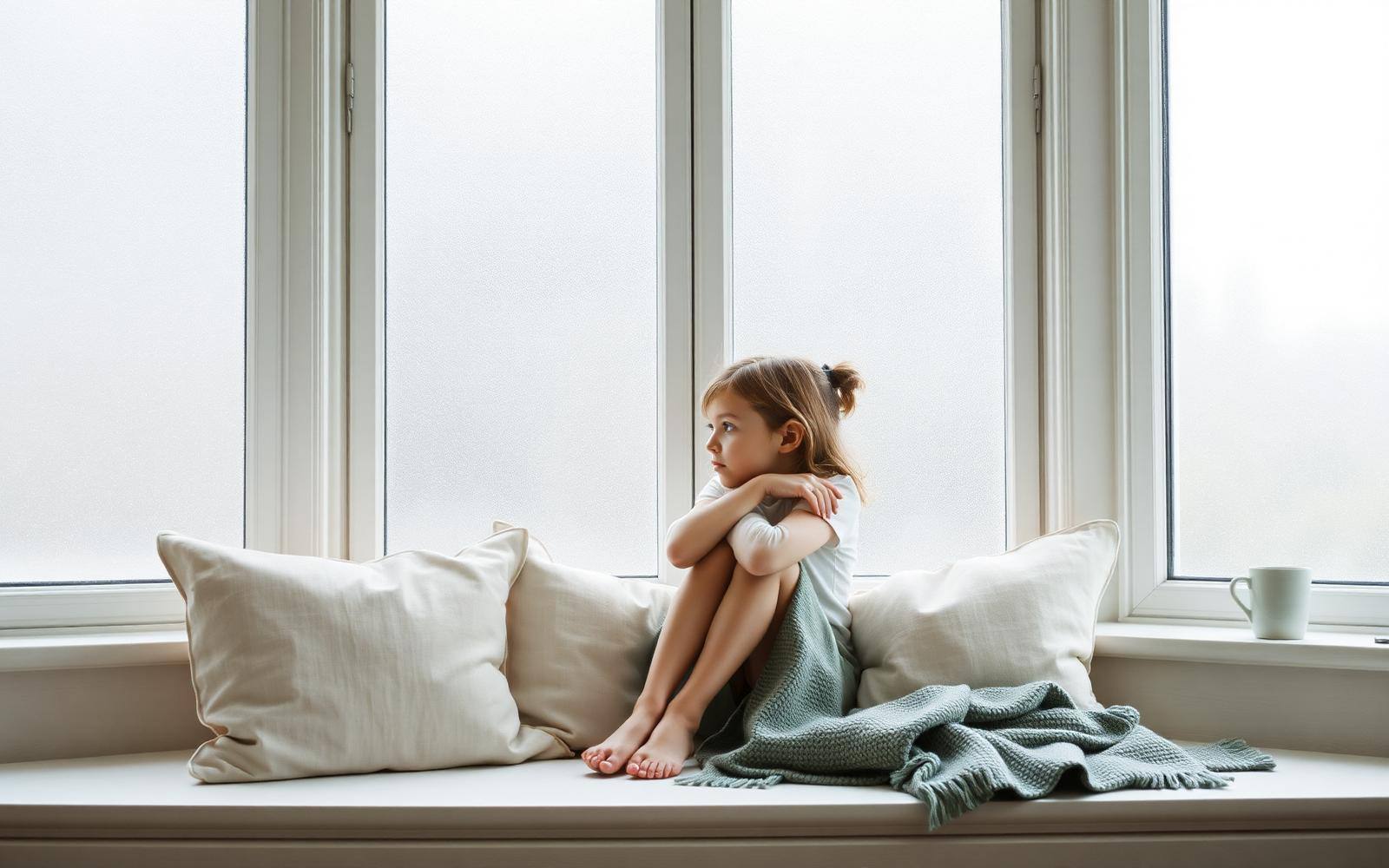
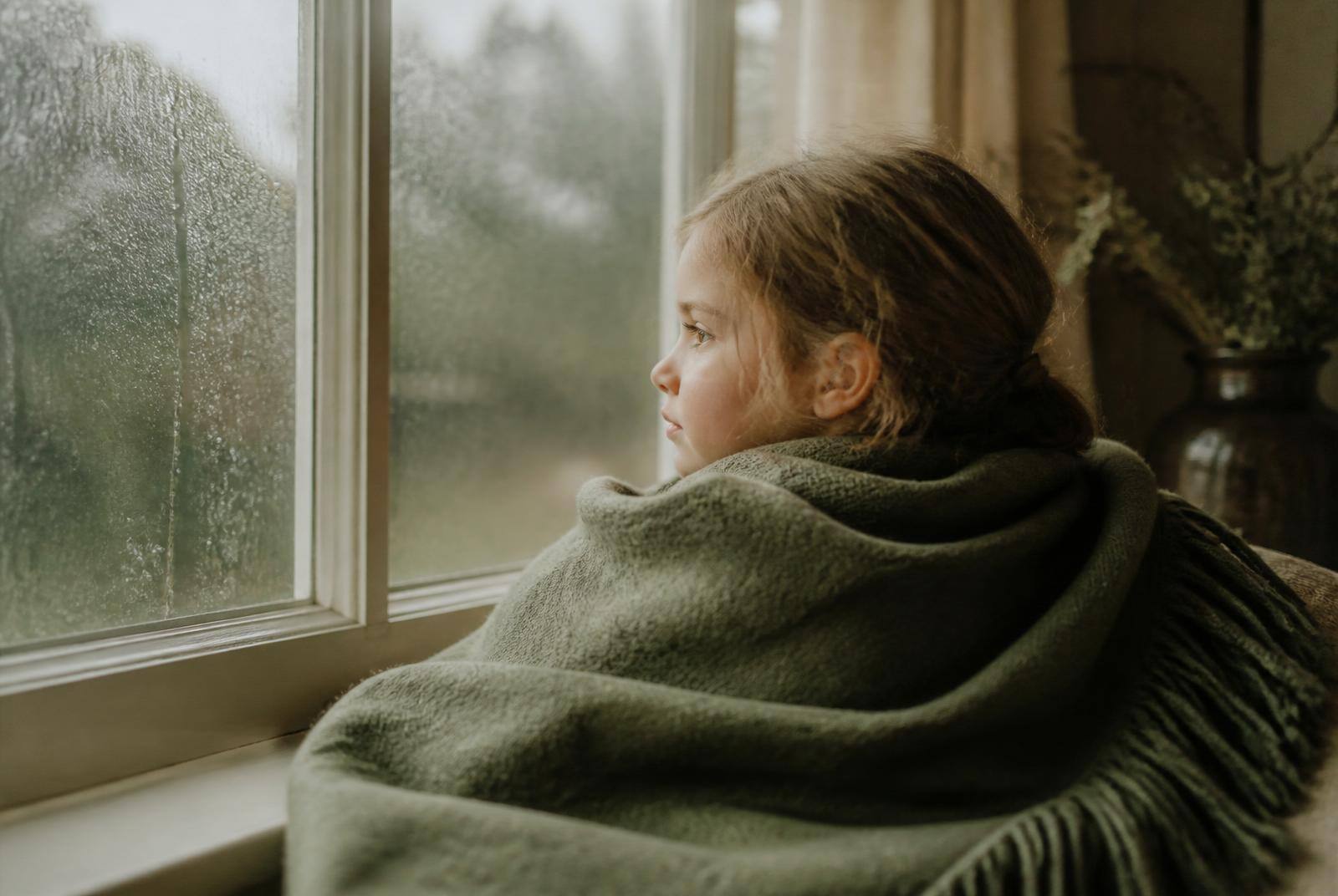
A child wrapped in a green blanket looking out of a rain-streaked window
Anxiety

The Weather Inside: Helping Children Carry Anxiety About the World

Climate, conflict, headlines they were never meant to see. Children are absorbing global fear at an age when the world should still feel small — and reassurance alone will not hold it.

Read
Two pairs of children's shoes at the foot of a wooden staircase in morning light
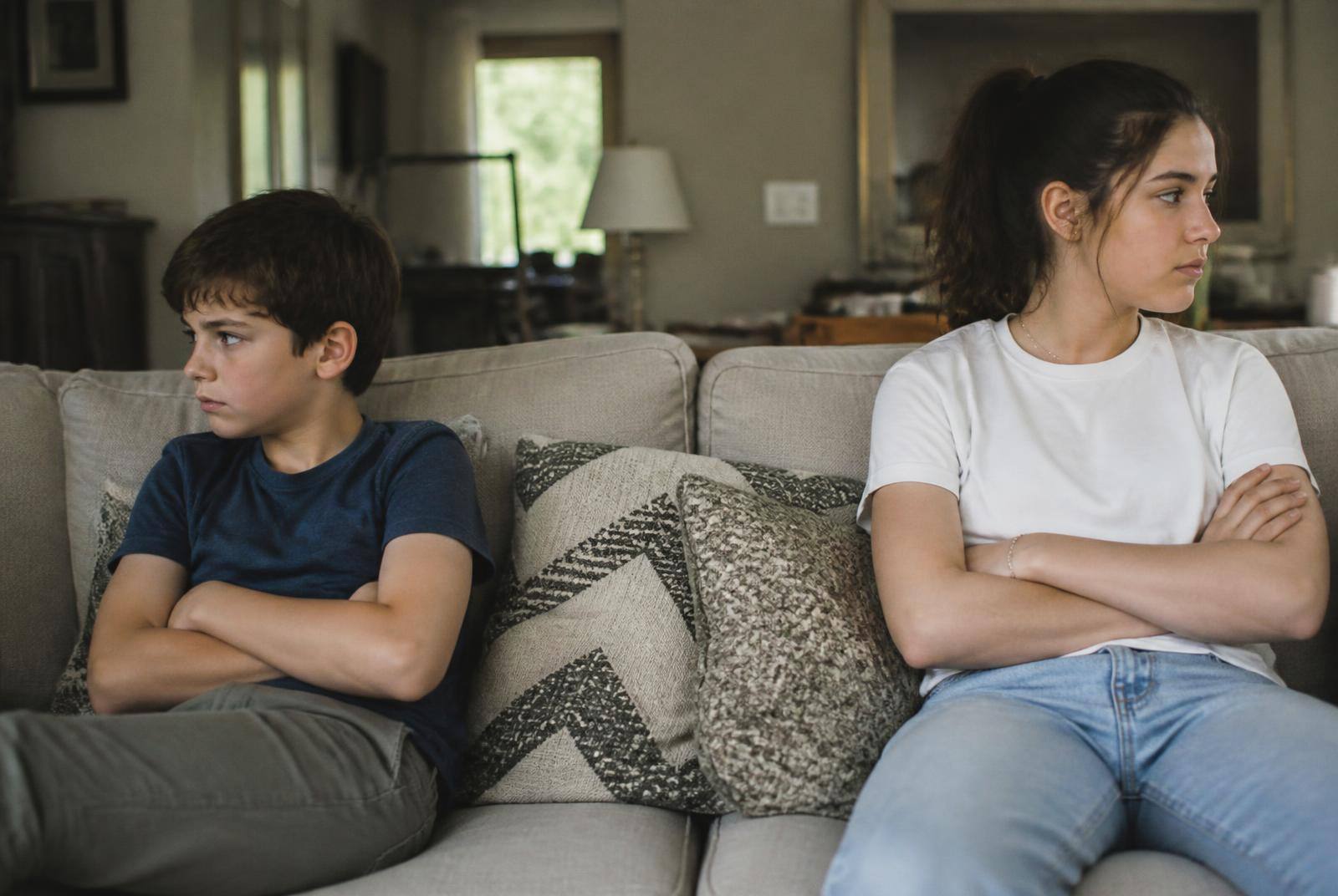
Sibling Relationships

The Sibling Storm: What Children Learn Inside Everyday Conflict

Siblings do not fight because something has gone wrong with your family. They fight because you have given them the one relationship they cannot leave — and that is where the real learning happens.

Read
A simply set family table with plain plates and a small untouched portion
Nutrition

The Table Is Not a Battlefield: Fussy Eating, Without the War

Pressure is the one ingredient guaranteed to narrow a child's diet. What actually widens it is slower, quieter and far less satisfying to the anxious adult holding the fork.

Read
A tween sitting near a sunlit window holding a phone in a calm, neutral room
Digital World

Growing Up Online: Raising Children in a Digital World

The question is not how many hours. It is what the hours are doing — and whether your child has anywhere to bring what they find there.

Read
A pale ceramic plate with a few simple foods barely touched, a child's fork resting on a linen cloth
Nutrition

The Quiet Standoff: Ending the Nightly Battle Over Food

Mealtimes turn into a contest the moment eating becomes something a child can win or lose. The way out is to stop competing — carefully, and on purpose.

Read
An open exercise book with careful handwriting and one line erased repeatedly
Confidence

The Weight of Being Good: Perfectionism in Quiet Children

The child who never causes trouble, always tries hard and cannot bear to get it wrong is not thriving quietly. Perfectionism is anxiety wearing its most convincing disguise.
Read
A family dining table in warm late light after a shared meal
Family Life

The Family Climate: The Emotional Weather Children Grow In

Children do not grow up in a set of parenting techniques. They grow up in a weather system — and the weather is largely made by the adults.

Read
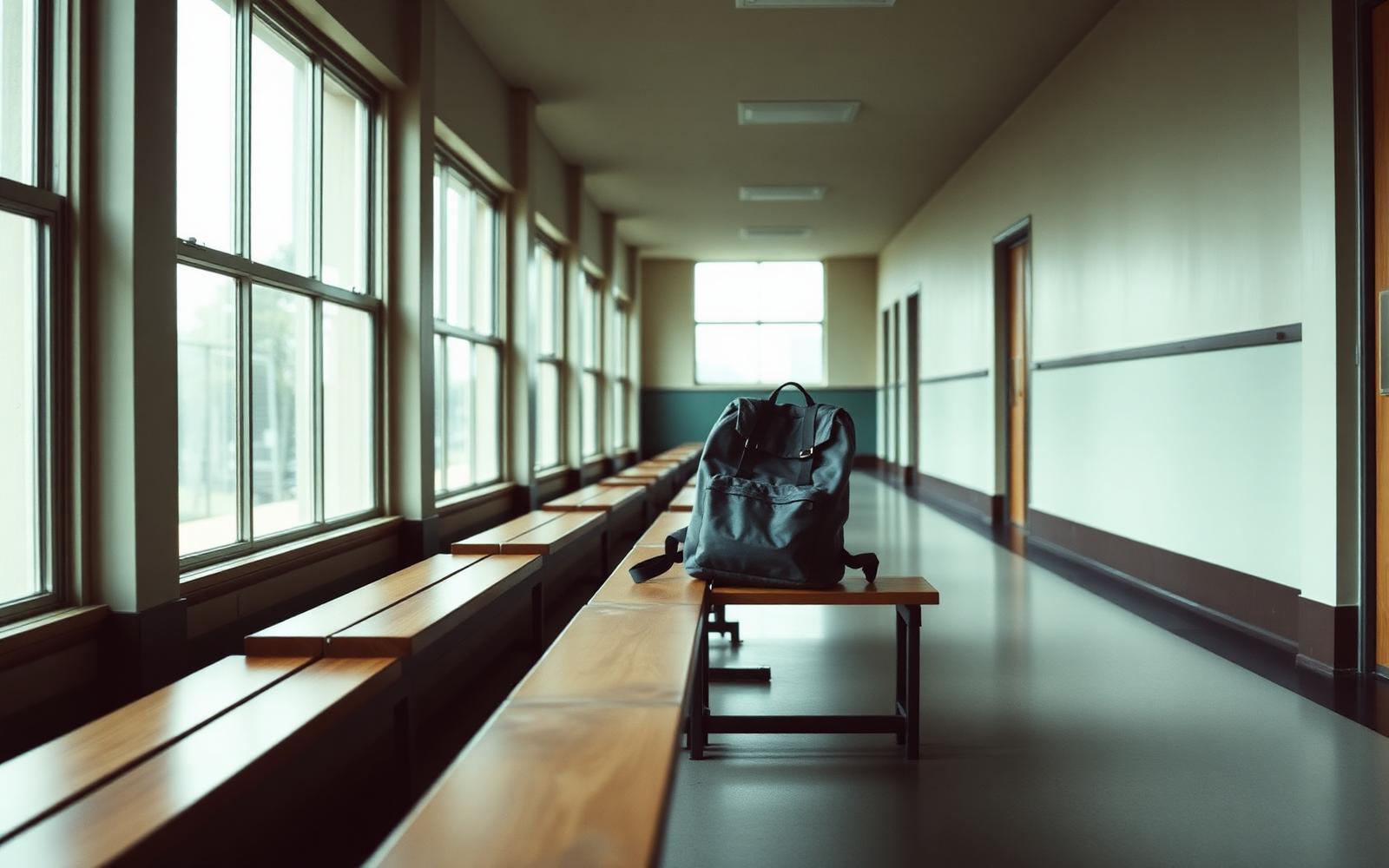
An empty wooden bench at the edge of a school playground with a single backpack
Friendships

When It Is Hard to Be a Friend: Helping Children Belong

Friendship is the most complex social task we ask of children, and we mostly leave them to work it out at speed, in a crowd, without instruction.

Read
A parent kneeling at eye level with a worried school-age child in a calm, sunlit living room
Anxiety

What Childhood Anxiety Is Actually Asking For

Reassurance feels like the kindest response to a worried child — and it is often the reason the worry keeps returning. Here is what anxiety is really asking for, and how to give it.

Read
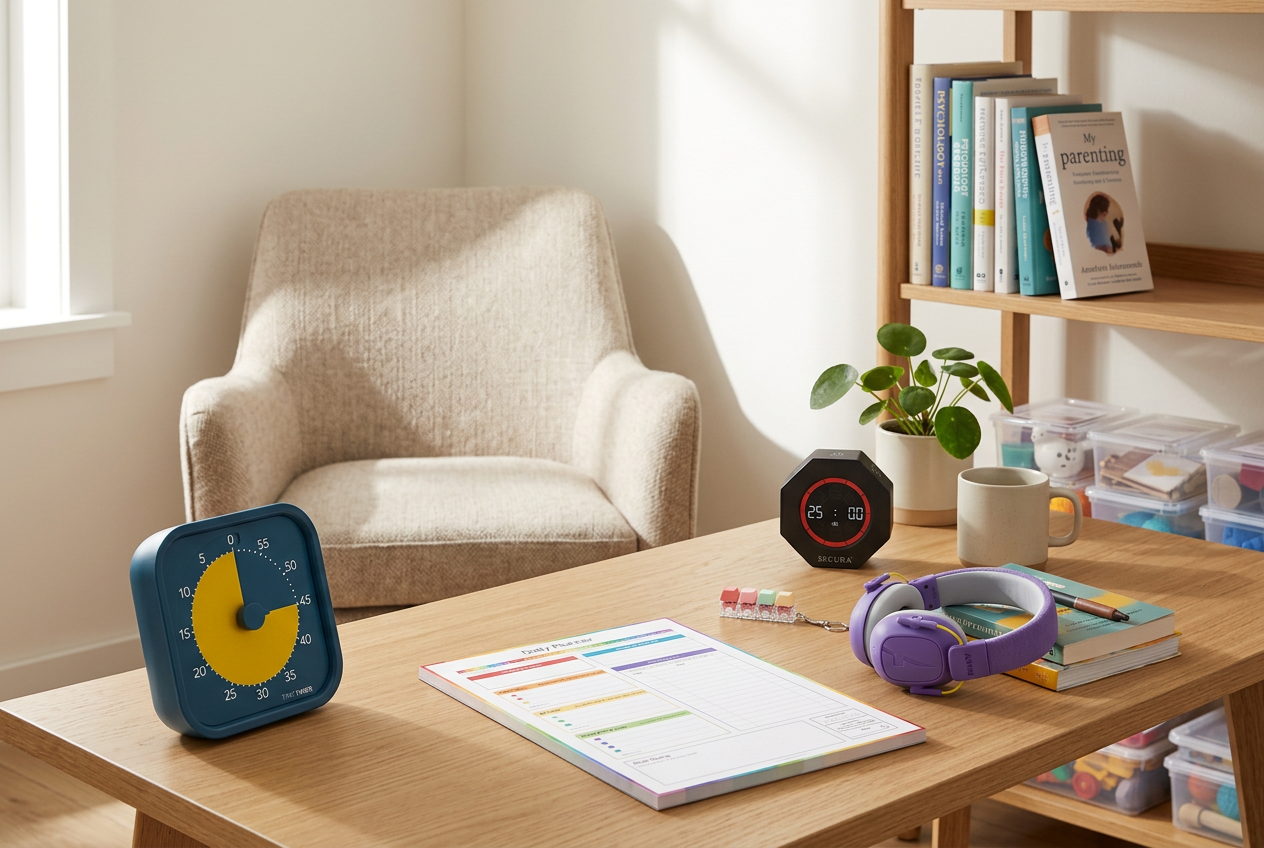
A school-age child at a tidy wooden desk with a visual checklist and a timer while a parent's hand sets down a pencil
ADHD

Why "Be More Consistent" Is the Wrong Advice for ADHD Households

Parents of children with ADHD are told to be more consistent more often than almost anyone. The advice is not wrong so much as aimed at the wrong target — here is what to build instead.

Read
A parent and a school-age child sitting quietly together on a sunlit living room floor after a hard moment
Big Emotions

The Three Minutes That Change a Meltdown

Most of what parents are taught about big emotions happens too late. The window that matters most opens in the first three minutes — and what you do there decides how the next hour goes.

Read
Thrive ConciergeAsk a Parenting Question